Scientists designed a protein that doesn’t exist in nature — and used it to turn off a whole family of food allergens.
Many allergy-causing proteins in peaches, apples, hazelnuts, and almonds belong to one family, called lipid transfer proteins, and they look alike enough that a person allergic to one often reacts to the rest.
So the team at the Technical University of Denmark averaged them into a single synthetic allergen carrying the family's shared features, and wrote the recipe into an mRNA vaccine of the kind made familiar by COVID shots, so the body builds the lookalike itself and learns to handle it.
Healthy mice produced large amounts of protective IgG antibodies after one dose, and after three doses those antibodies recognized a whole range of related allergens. In allergic mice, antibody levels rose sharply with almost no side effects, and in the lab those antibodies damped down reactions in blood from allergic patients.
For most people with food allergies, the only real treatment today is years of swallowing slowly rising doses of the exact food that makes them ill, one allergen at a time, and it does nothing about the next related food that trips the same switch.
A shot covering a whole family would be a different proposition, and the team is already designing a second one for the allergens behind apple, carrot and hazelnut reactions.
To be clear, this is a proof of concept in mice, and at the doses tested the vaccine did not fully protect allergic animals against anaphylaxis, the severe whole-body reaction that makes food allergy dangerous. Also, nothing has been tried in a person yet. The researchers' next step is to pin down dose and schedule in larger mouse studies and gather what regulators need before a first human trial.
source: Technical University of Denmark. (2026). Eating without fear: A single vaccine shows promise against multiple food allergies [Press release]. Moiniche, M., et al. (2026). An mRNA-delivered consensus allergen induces a neutralizing IgG response against food and pollen allergens. Nature Communications.
Tiny radioactive seeds implanted straight into the brain cleared away visible glioblastoma tumors in five patients — and every patient treated in the trial is still alive.
The treatment, called Alpha DaRT, places seeds loaded with radium-224 directly inside the tumor during surgery.
As the radium decays it throws off alpha particles, a short-range, extremely destructive radiation that shreds the DNA of cells within a few millimeters and then fades, hitting the tumor hard without irradiating the rest of the brain. In the REGAIN trial at the Ohio State University Comprehensive Cancer Center, eight people with recurrent glioblastoma have been treated and six have had response scans.
All six responded: five had a complete response, meaning no measurable tumor left on imaging, and the sixth's tumor shrank by 58%. As of November 11, all eight were still alive.
Glioblastoma is the brain cancer that kills most of the people it touches. Median survival is around eight months, only about 7% of patients are alive five years later, and when the tumor returns after surgery and radiation there is very little left to offer. A single procedure that wipes a recurrent tumor off the scans would be a real shift in what doctors can do.
That said, this is the company's own interim announcement covering eight patients, presented as a conference poster rather than a peer-reviewed paper, and three of the six responses still need confirming on later scans. Also, four of the six developed radiation necrosis, dead and inflamed tissue at the treatment site, and in two cases scans cannot yet tell necrosis from the tumor growing back. Alpha Tau is enrolling toward 20 patients, which it says may be enough to support a submission to regulators.
source: Alpha Tau Medical. (2026). New positive interim results from its U.S. Alpha DaRT recurrent glioblastoma trial [Press release]. REGAIN interim data presented at the 31st Annual Meeting of the Society for Neuro-Oncology.
Rising parent refusals of vitamin K shots in the U.S. have triggered a sharp spike in preventable infant bleeding emergencies and brain hemorrhages.
A dangerous health trend is surfacing across American maternity wards as a growing number of parents opt out of routine newborn vitamin K injections.
Infants are naturally born with dangerously low levels of vitamin K because the essential nutrient does not easily pass through the placenta, nor is it transferred in sufficient amounts through breast milk. Without this critical vitamin, a baby's body cannot produce the clotting factors needed to halt internal and external bleeding, leaving newborns defenseless against severe hemorrhaging.
Medical experts warn that skipping this standard post-birth injection significantly increases the risk of Vitamin K Deficiency Bleeding, a condition that can trigger sudden intracranial hemorrhages, permanent neurological damage, or fatal complications within an infant's first six months of life. Although pediatricians have recommended a single dose at birth since 1961, rising medical distrust and misinformation have driven up refusal rates, leading to an alarming surge in preventable infant bleeding cases nationwide.
source: Wolf, E. R., Woolf, S. H., French, E., & Shokouhi Niaki, D. (2026). Trends in Vitamin K Deficiency and Bleeding Among US Infants. JAMA Pediatrics.
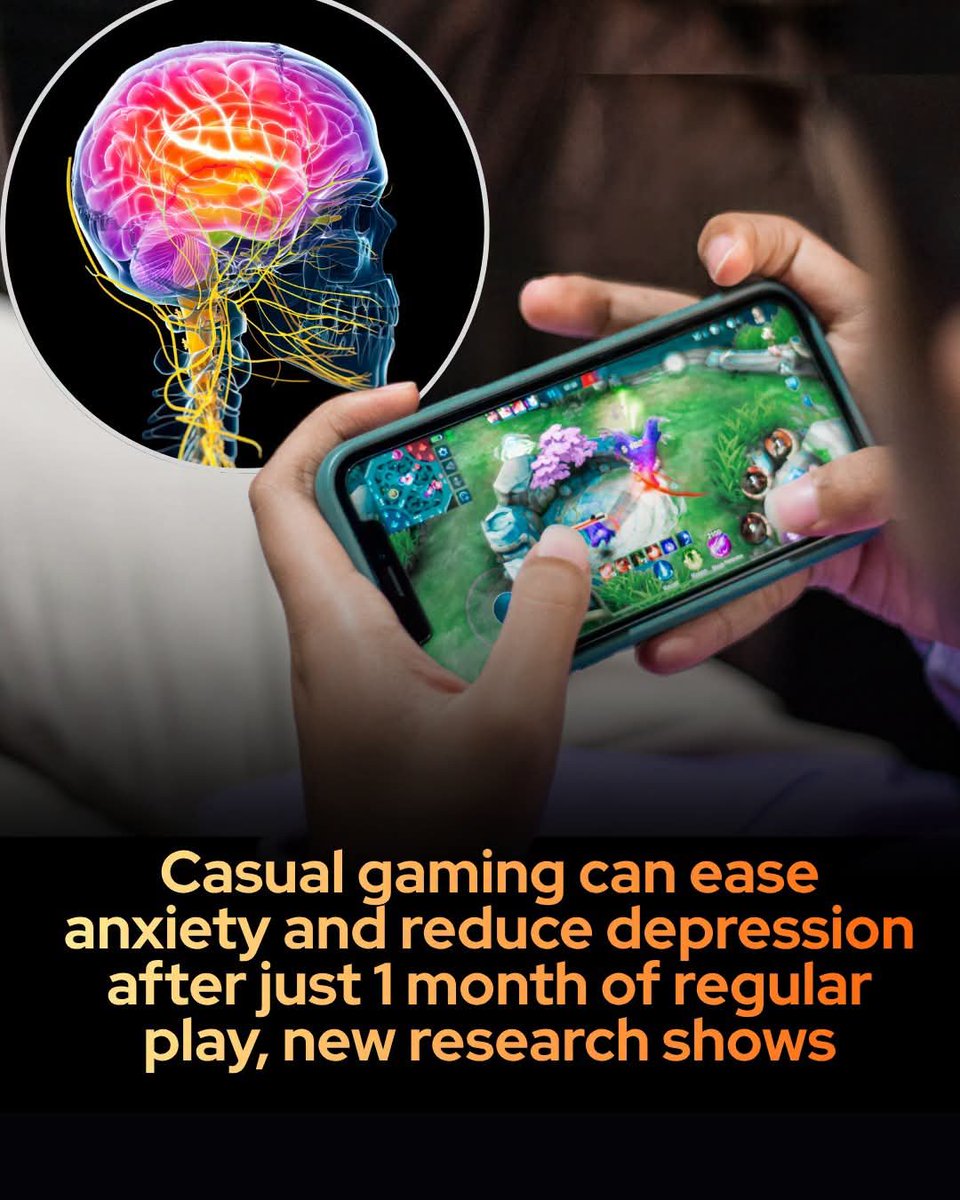
Research shows casual gaming can reduce anxiety, stress, and depression.
Scientists in New Zealand reviewed 13 studies of nine casual video games, the simple, low-pressure kind you can play in short bursts, like puzzles and match-three games.
Six of the studies looked at anxiety, two at depression and four at stress or low mood, and the authors concluded the games show real promise for easing all four.
A later and much larger review of 145 trials in young people, published in Clinical Psychology Review, found that casual games used as a distraction worked as well as or better than standard care for managing anxiety in medical settings, such as before surgery.
That matters because casual games are cheap, carry no stigma and are already on most people's phones, so they could reach people who would never sign up for therapy. They seem to work partly by pulling attention away from worry and giving the mind a small, satisfying task to focus on.
That said, many of the studies were small and used different games and measures. But a free, low-pressure tool people already carry in their pockets is an appealing lead for researchers looking for new ways to support mental health.
source: Pine, R., Fleming, T., McCallum, S., & Sutcliffe, K. (2020). The effects of casual videogames on anxiety, depression, stress, and low mood: A systematic review. Games for Health Journal, 9(4), 255–264.
A study from the University of Oulu found that 40 minutes on a vibrating mattress, combined with blood-pressure-lowering medication, increased Alzheimer's-linked proteins in the blood of 29 healthy adults.
Clarice Phelps helped put element 117 on the periodic table.
She was the first Black woman to help discover a new element.
Clarice Phelps helped put element 117 on the periodic table, becoming the first Black woman known to help discover a new element.
Phelps, a Tennessee State University chemistry graduate, spent four years in the U.S. Navy's nuclear power program before joining Oak Ridge National Laboratory in 2009.
There she worked on purifying berkelium, a rare radioactive element made in only a handful of reactors on Earth. That berkelium was shipped abroad and used as the target material in experiments that confirmed element 117, now named tennessine. In 2019, the International Union of Pure and Applied Chemistry recognized her as the first African American woman involved in the discovery of an element.
Tennessine is the second-heaviest element ever confirmed, and it was named after Tennessee to honor the lab and universities whose work made it possible. Phelps has called her path to the periodic table "a 20-year journey," and she now works on industrial isotopes at Oak Ridge while speaking to students about careers in science. Her story is a reminder that big discoveries are built by teams, and that the people doing the painstaking lab work deserve credit too.
sources:
International Union of Pure and Applied Chemistry. (2019, June 2). Clarice Phelps. IUPAC Periodic Table of Younger Chemists;
Tennessee State University. (2024, February 6). TSU grad first Black female to help discover element for periodic table. TSU Newsroom.
According to Study. com, biologically the female body has the capacity to undergo pregnancy and childbirth many times over a lifetime, with theoretical estimates suggesting up to around 30 births under ideal conditions.
This estimate is based on human reproductive biology, including the age of fertility onset, recovery time between pregnancies, and the natural end of fertility at menopause, as explained in Study. com’s overview of human reproduction.
Historical records from eras without modern contraception show rare cases of women giving birth to exceptionally large numbers of children, supporting this biological possibility.
A new THC treatment locks breast cancer cells in a less aggressive state, significantly preventing them from spreading.
And the treatment only takes four days to work.
Traditionally, cancer treatments aim to aggressively kill cancer cells, but this evolutionary pressure can cause remaining cells to revert to a primitive, stem-cell-like state, making them highly invasive and resistant to therapy.
To address this, a team of researchers investigated a different approach: forcing cancer cells to "mature" and lock into a less harmful state. Published in Communications Biology, their study demonstrated that treating lab-grown, 3D human breast cancer models with an ultra-low dose of tetrahydrocannabinol (THC)—the primary active compound in cannabis—for just four days durably reprogrammed the cells, preventing them from reverting to a highly aggressive, metastatic state.
The treatment specifically targeted the CB2 cannabinoid receptor, triggering cellular changes that dramatically reduced the tumor models' invasiveness, self-renewal capabilities, and ability to seed new tumors. When these THC-exposed cancer cells were later transplanted into animal models, they formed tumors far more slowly and resulted in significantly fewer lung metastases.
This "differentiation therapy" not only halted the spread of the cancer but also rendered the remaining cells more sensitive to standard endocrine treatments like tamoxifen. While clinical trials are still needed, this breakthrough offers a promising, non-toxic strategy to constrain the adaptive flexibility of breast cancer cells.
source: Martínez-Illescas, N. G., Quezada-Gutiérrez, C., Pérez-García, G., & Salazar-Roa, M. (2026). Transient CB2R modulation durably restricts breast cancer plasticity by stabilizing a luminal like cell identity. Communications Biology.
That black on your onions isn’t dirt — it’s a fungus called Aspergillus niger that thrives in humid storage conditions.
Many home cooks mistake the black, powdery residue found on onion skins for simple garden dirt.
In reality, this substance is Aspergillus niger, a common fungus that develops after harvest when onions are stored in high-humidity environments with poor airflow.
While it primarily affects the dry, papery outer layers, identifying this mold correctly is the first step in ensuring your kitchen prep remains safe and your produce lasts longer.
The safety of the onion depends on how deep the fungus has reached. If the black spots are confined to the outer skin, you can simply peel away the affected layers and use the firm, odor-free bulb inside. However, if the onion has become soft, slimy, or develops a noticeable smell, it must be discarded immediately. It is a common misconception that heat solves the problem; while cooking may kill the fungus itself, it does not reliably eliminate the harmful mycotoxins that can linger within the vegetable.
Source: University of California Agriculture and Natural Resources. (2023). Onion: Black Mold (Aspergillus niger). Statewide Integrated Pest Management Program.
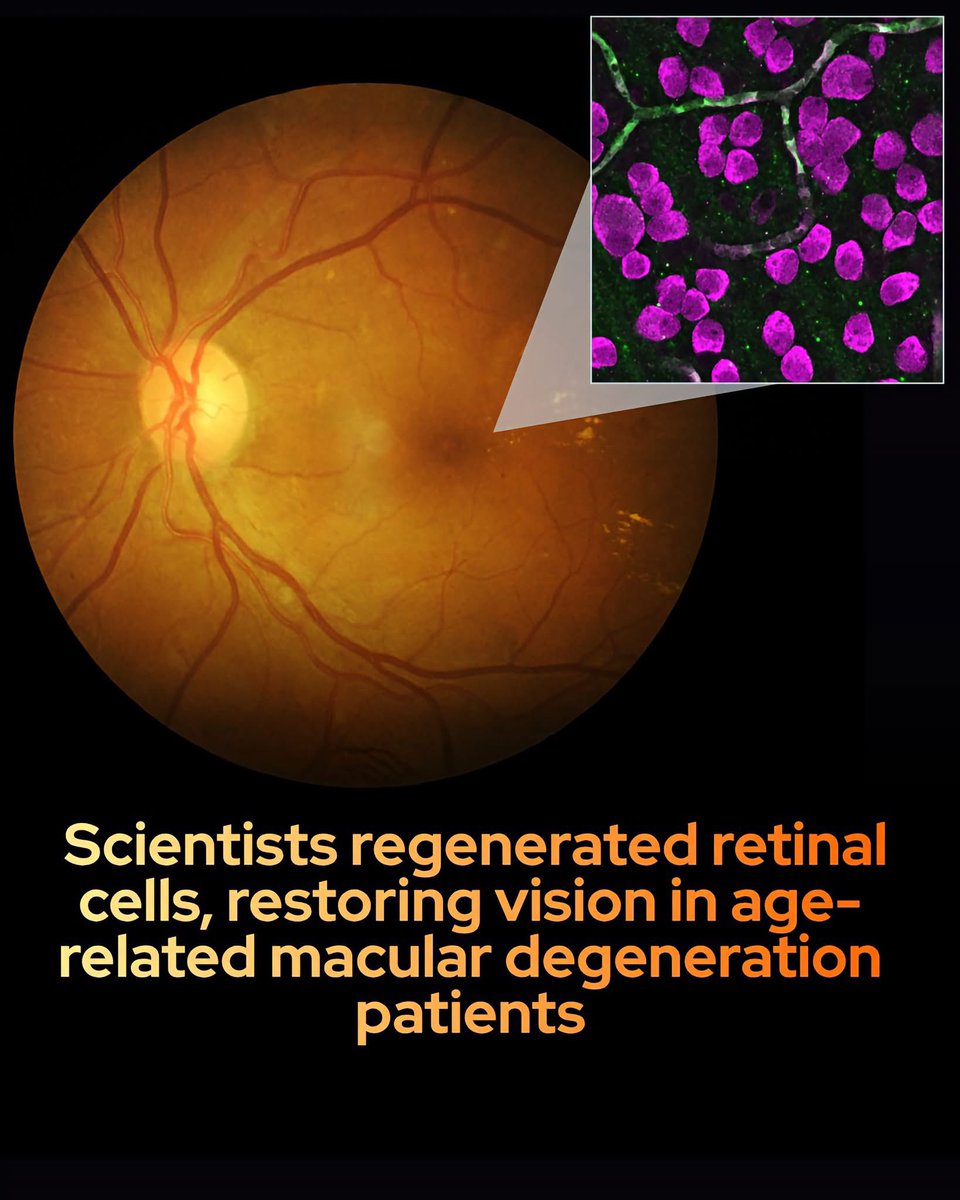
Patients got their vision back after surgeons put lab-grown eye cells under their retinas.
Surgeons at Moorfields Eye Hospital, working with University College London, grew a layer of retinal pigment epithelium, the cells that nourish and support the eye's light-sensing cells, from human embryonic stem cells on a thin synthetic patch.
In a one-to-two-hour operation, they slipped the patch under the retina of two patients, a woman in her 60s and a man in his 80s, who had suddenly lost much of their sight to severe wet age-related macular degeneration (AMD).
Twelve months later, both had gone from being unable to read even with glasses to reading 60 to 80 words per minute with ordinary reading glasses. The results were published in Nature Biotechnology.
AMD is the leading cause of vision loss in older adults, and it destroys the sharp central vision people use to read, drive and recognize faces. Today's injections for wet AMD can slow the damage, but they can't replace cells that have already died, which is what this patch was designed to do. The work came out of the London Project to Cure Blindness, which aimed to turn it into an affordable "off-the-shelf" treatment.
It showed for the first time that lab-grown tissue can bring back a skill as precious as reading, and it sets the template for the stem cell eye trials that follow.
source: da Cruz, L., Fynes, K., Georgiadis, O., Kerby, J., Luo, Y. H., Ahmado, A., ... & Coffey, P. J. Phase 1 clinical study of an embryonic stem cell-derived retinal pigment epithelium patch in age-related macular degeneration. Nature Biotechnology, 36(4), 328-337.
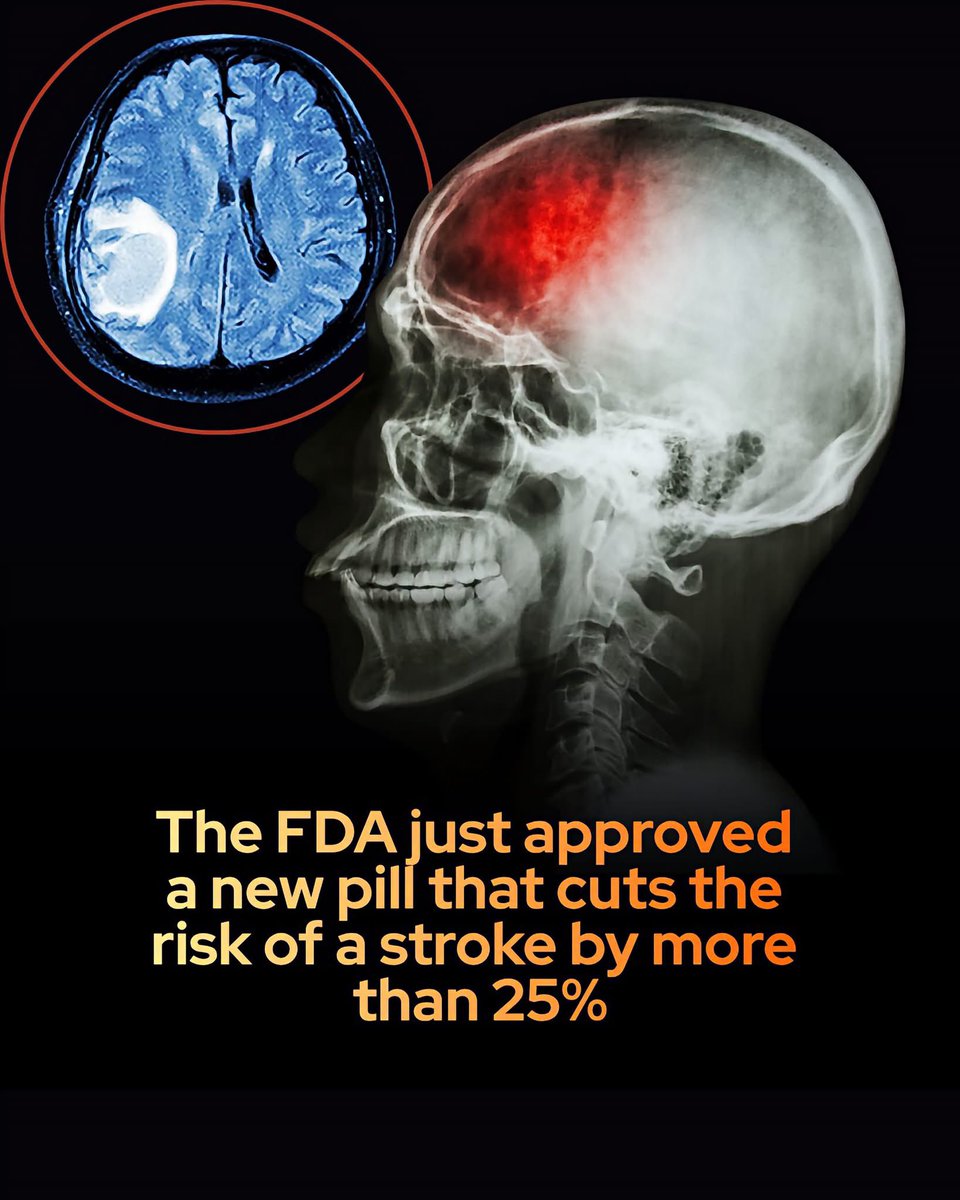
The FDA just approved a new kind of blood thinner that prevent clots — without the usual bleeding risk.
On November 9, the FDA approved asundexian, sold by Bayer as Sunharbo.
It's the first approved drug in a new class called factor XIa inhibitors, blood thinners that block one specific clotting protein. In the OCEANIC-STROKE trial, 12,327 patients took either one 50 mg tablet a day or a placebo, started within 72 hours and added to standard antiplatelet drugs like aspirin.
Another ischemic stroke struck 6.2% of people on asundexian versus 8.4% on placebo, a 26% lower risk, while major bleeding was 1.9% versus 1.7%, a difference too small to be meaningful.
That bleeding result is the big deal. For decades, doctors have had to trade clot protection for bleeding risk, because stronger blood thinners also make dangerous bleeds more likely. Factor XI seems to matter more for harmful clots than for sealing wounds, and people born with low levels of it tend to have fewer strokes and usually only mild bleeding problems.
To be clear, the drug lowered the risk rather than eliminating it, and it isn't approved for strokes caused by atrial fibrillation, where an earlier asundexian trial failed. But it hands doctors an entirely new kind of weapon against repeat strokes, one of the leading causes of death and disability.
source: NeurologyLive. (2026, November 9). FDA approves factor XIa inhibitor asundexian for secondary stroke prevention. Trial: Sharma, M., et al. (2026). OCEANIC-STROKE.
Teplizumab, the first drug shown to delay Type 1 diabetes, has been given to its first patient.
Annette Quilter, a GP from Shropshire and mother of three, received the first NHS dose of teplizumab at Queen Elizabeth Hospital Birmingham.
She was diagnosed this summer with stage 2 type 1 diabetes, which means her immune system was already attacking the insulin-making cells in her pancreas even though her blood sugar hadn't yet risen high enough to need insulin.
Teplizumab is an antibody drug given as one 30-minute infusion a day for 14 days, and it slows that immune attack so the pancreas keeps making its own insulin for longer. The NHS approved it in June for adults and children aged 8 and over with stage 2 disease.
In the key trial, published in the New England Journal of Medicine, people at high risk who got a single course went a median of about four years before needing insulin, compared with about two years on a placebo.
"For the first time, we have a treatment that can delay progression to insulin-requiring Type 1 Diabetes," said consultant diabetologist Dr Danijela Tatovic. Up to 400,000 people in the UK live with type 1 diabetes, and every extra year without insulin injections means fewer finger pricks, fewer dangerous lows and more time to grow up without the disease.
That said, teplizumab only helps people who are caught at the early stage, which usually takes a blood test for warning antibodies. That's why Birmingham's ELSA screening program, which has shown that testing children works, is helping lay the groundwork for screening across the UK.
source: University of Birmingham. (2026). First UK patient treated with Teplizumab in Birmingham following NHS approval. Herold, K. C., et al. (2019). An anti-CD3 antibody, teplizumab, in relatives at risk for type 1 diabetes. New England Journal of Medicine, 381(7), 603-613.
Deep meditation could enable extrasensory powers, scientist claims.
A Harvard scientist says deep meditation could quiet the brain enough to pick up signals beyond the five senses.
A team including Oxford neuroscientist Ruben Laukkonen recorded brain activity in 29 experienced Vipassana meditators while tones played in the background, and the meditators reported how deep their meditation felt from moment to moment.
The deeper they went, the more consistent their brains' responses to each tone became, and the easier it was for a computer to pick those responses out from the brain's background chatter. In other words, deep meditation seemed to raise the brain's signal-to-noise ratio.
Timothy Lomas, a psychology research scientist at the Harvard T.H. Chan School of Public Health, takes the idea much further in a separate paper. He proposes that by lowering the brain's internal "noise floor," meditation might let faint signals reach awareness, including the kind of extrasensory experiences that meditation traditions have described for centuries.
The idea is controversial, and it touches one of the oldest claims in contemplative traditions: that advanced meditators gain unusual powers of perception. Laukkonen himself says he keeps "an open mind," noting that there are many reports of such experiences, while stressing that his own data show something more ordinary, which is that meditation sharpens normal sensory processing.
That said, both papers are preprints that haven't been peer-reviewed yet, and the Oxford-led study only measured how the brain responded to ordinary sounds, so there is still no solid evidence that the brain can tap into an outside source of information.
As neuroscientist David Vago put it, "A few striking successes would not be enough." Still, being able to measure how meditation clears up the brain's signals gives scientists a concrete way to test bold ideas like this one instead of just arguing about them.
source: Nath, M., Reggente (2026). Meditation depth enhances the functional signal-to-noise ratio of the brain. bioRxiv (preprint). Lomas, T. (n.d.). From siddhis to psionics: The psi-meditation connection (preprint).
🚨 A groundbreaking MIT brain-scan study shows relying on ChatGPT weakens critical thinking and memory wiring.
A recent MIT study, titled ”The Cognitive Cost of Using LLMs,” monitored the brain activity of 54 students using electroencephalography (EEG) devices.
Researchers from the MIT Media Lab discovered that participants who consistently relied on ChatGPT for essay-writing tasks demonstrated significantly lower neural engagement in brain regions tied to memory and analytical reasoning.
Rather than actively synthesizing information, these users increasingly defaulted to a state of 'mental passivity,' struggling to recall their own work shortly after completion and producing increasingly generic, uninspired content.
However, the research also highlights a path forward: AI does not have to be a cognitive detriment. Students who initially worked unaided and later transitioned to using ChatGPT showed an increase in brain activity, suggesting that AI is highly beneficial when used to enhance and scaffold human thought rather than replace it entirely. To avoid a future of algorithmic echo chambers and cognitive decline, experts urge users to remain active, critical participants when collaborating with digital tools.
source: Chow, A. (2025). ChatGPT's Impact On Our Brains According to an MIT Study. TIME.
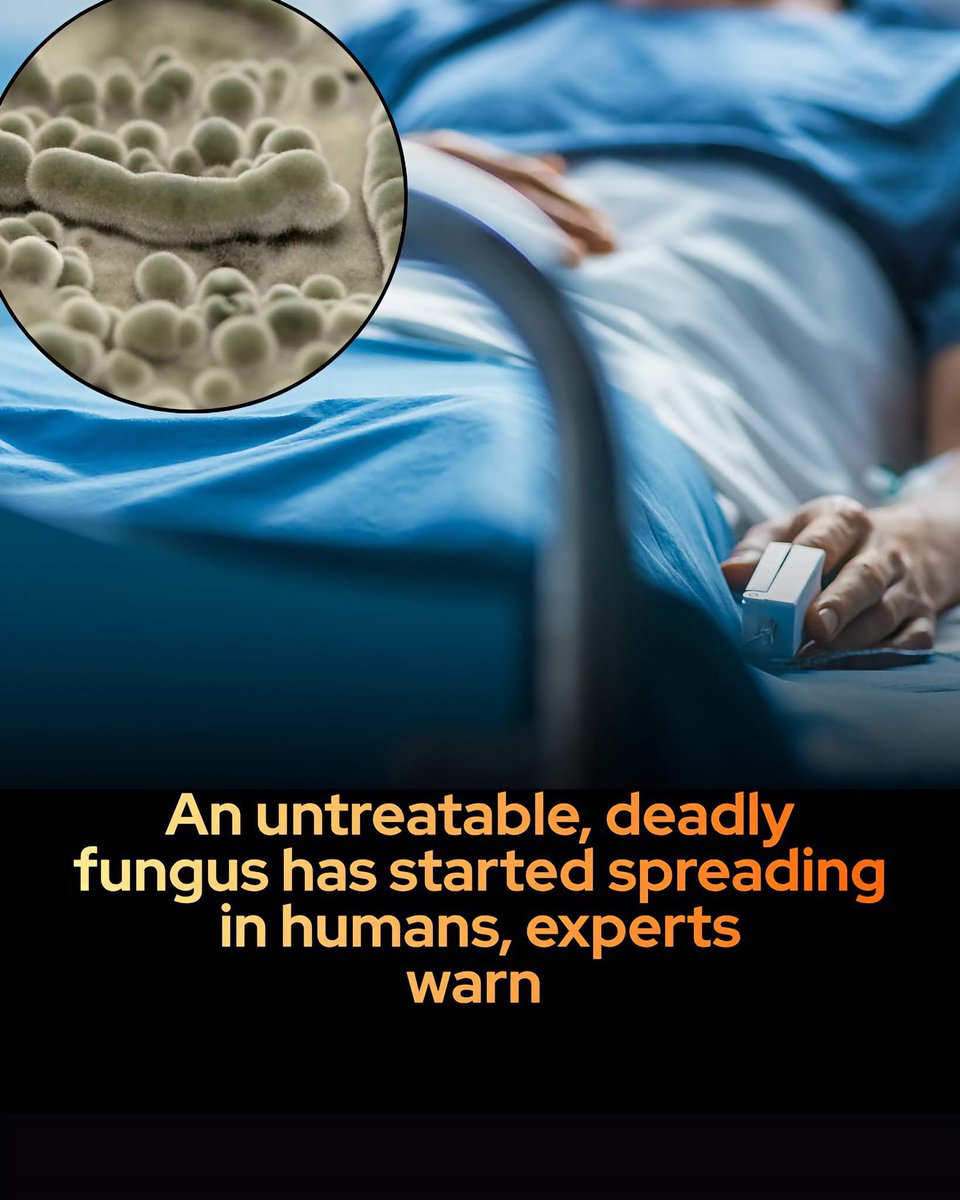
Experts warn that a drug-resistant fungus is likely spreading far more than anticipated.
Doctors in Nairobi swabbed an infected surgical wound and found Candida auris, a hospital yeast now officially renamed Candidozyma auris. When the lab tested it, the strain resisted all four main types of antifungal drugs, including fluconazole, the echinocandins caspofungin and micafungin, amphotericin B and flucytosine.
The patient was given at least 13 antimicrobial drugs, but the infection persisted. The case was published in Scientific Reports, and it's only the second pan-drug-resistant case ever documented, after one reported in the U.S. in 2022.
C. auris is one of the most feared fungi in medicine because it spreads so easily in hospitals.
People can carry it on their skin for months without symptoms, it survives for weeks on dry surfaces, and some reports put the death rate from serious infections at 30% to 50%. It's also easy to miss, since many labs can't identify it and its main symptom is a fever that antibiotics don't fix.
"The real figure is almost certainly higher and we are seeing only what we have the capacity to look for," Prof. Matthew Fisher of Imperial College London told BBC Science Focus.
Experts say better lab testing, and the strict hygiene that still works against resistant strains, can hopefully keep this threat from growing.
source: Emergence of pan-drug resistant Candidozyma auris in Kenya, the second globally documented case. (2026). Scientific Reports. Santos Paulo, S. (2026, November 12). Escalating threat: a deadly fungus no standard drug can treat could be spreading undetected, warn experts. BBC Science Focus.
#BREAKING: Measles has officially killed six people in the U.S. this year.
The Centers for Disease Control and Prevention has now confirmed six measles-related deaths in the U.S. in 2026, twice as many as in 2025.
Cases have topped 5,000 for the first time since 1991, making this the worst measles year in 35 years and the second record-breaking year in a row. Pennsylvania has been hit hardest, and Wisconsin has reported the death of an infant, while New York recorded its first measles death in more than 30 years.
State counts suggest the true toll is at least eight, because the CDC recently switched to tracking deaths through national mortality records.
Measles is one of the most contagious diseases known: the virus can linger in the air of a room for up to two hours, and about nine in 10 unvaccinated people exposed will catch it. It can cause pneumonia and brain swelling, and it can wipe out the immune system's memory of other infections. Nearly all of this year's cases have been in people who weren't vaccinated. The U.S. declared measles eliminated in 2000, and a Pan American Health Organization panel is now deciding whether the country keeps that status.
The good news is that two doses of the MMR vaccine are about 97% effective at preventing measles, so outbreaks like this one can still be stopped.
source: Reuters. (2026, November 12). CDC confirms 6 measles-related deaths in 2026. Honolulu Star-Advertiser.
Cold therapy is worse than doing nothing, new research shows.
Researchers at the University of East London put 40 active adults through a hard workout designed to damage their muscles and leave them sore.
Afterward, each person got one recovery treatment: 15 minutes in 9°C (48°F) cold water, 30 minutes in a 42°C (108°F) hot bath, 30 minutes of hot air, or simply resting at room temperature.
Over the next three days, strength and soreness recovered at about the same pace in every group. But a blood marker of muscle damage returned to normal more slowly after the cold water than after heat, and the heat groups made more of a protein linked to muscle repair.
The study was published in the Journal of Thermal Biology.
Ice baths and cold plunges have become a staple of gyms and social media, sold as a fast track to recovery. This trial suggests they don't beat plain rest for getting your strength back, and heat may give the body's repair systems a small edge. As lead researcher Freya Bayne put it, "neither heat nor cold resulted in superior recovery of muscle strength."
To be clear, the study was small, about 10 people per group, and it only followed them for three days. And the difference in the damage marker didn't show up as less soreness or faster strength gains. Still, it gives researchers a reason to test whether regular heat-based recovery pays off over the longer term, which is exactly what Bayne says comes next.
source: Bayne, F., et al. (2026). Comparative effects of thermal recovery strategies on strength, muscle soreness and molecular markers following exercise-induced muscle damage in healthy adults. Journal of Thermal Biology, 104551.
Scientists at RIKEN in Japan have developed an innovative cancer treatment strategy that uses carbon monoxide naturally produced inside cancer cells to generate toxic anticancer compounds.
The study, published in Nature Communications in 2026, describes a chemical approach involving an albumin-protected palladium catalyst that reacts with carbon monoxide within cancer cells. This reaction enables the synthesis of a cytotoxic phenanthridinone derivative directly inside the cells. The technique takes advantage of elevated carbon monoxide levels in certain cancer cells to promote selective drug production within cancerous tissues.
Researchers demonstrated the effectiveness of this approach through laboratory experiments involving cultured cancer cells, including liver cancer cells. The palladium catalyst facilitated a carbon monoxide-dependent chemical reaction that generated toxic molecules capable of damaging and killing cancer cells.
The experiments also showed selective drug formation in cancer cells compared with normal cells, highlighting the potential of exploiting cancer-specific metabolic characteristics for targeted drug synthesis. The findings introduce a promising strategy for developing precision cancer therapies that produce anticancer agents directly within malignant cells.
A U.S. state capital just slammed the brakes on the AI data center boom.
This week (Tuesday, Nov 10), Boise's city council unanimously approved an emergency moratorium that blocks applications for new data centers inside city limits for six months.
It covers any facility of 100,000 square feet or more, or one that needs 20 megawatts or more of power, and it took effect immediately. Mayor Lauren McLean proposed the pause last week, saying she wanted to act before a developer showed up so the city could "get it right."
Residents who testified spoke about water, power bills, noise and wildlife, and one of them, Alyssa Banner, summed up the mood: "We cannot eat or drink data."
Boise is joining a fast-growing list of places pushing back. Mountain Home and Bannock County in Idaho have paused projects this year, Boulder County in Colorado is moving to allow only tiny data centers, and Minneapolis votes this week on permanent limits.
Giant AI campuses can draw as much power as a small city, and many use large amounts of water for cooling, which is exactly what residents in a dry Western city worry about.
That said, this is a temporary pause, not a permanent ban. Also, the biggest nearby proposal sits on federal land outside the city's reach. But the next six months give Boise time to write rules on water and power that other cities may end up copying.
source: Shumpert, A. (2026, November 10). Boise bars new mega data center applications for six months, council will weigh possible city code changes. KTVB.
A Harvard scientists say antimatter proves the universe was designed.
The truth? Physicists see one of science's biggest unsolved puzzles.
A clip of researcher Willie Soon on the Tucker Carlson Network keeps going viral, arguing that the universe's matter-antimatter imbalance points to a designer.
Soon worked at the Harvard-Smithsonian Center for Astrophysics as a researcher.
The puzzle he points to is real, though: the Big Bang should have made equal amounts of matter and antimatter, which destroy each other on contact, yet the universe is made almost entirely of matter.
In 2025, CERN's LHCb experiment found that a type of particle called a Lambda-b baryon and its antimatter twin break down at rates 2.45% apart, the first time this difference was seen in that family of particles.
Differences like that are one of the conditions needed to explain why matter won. But CERN says the amount predicted by today's best theory, the Standard Model, is "many orders of magnitude too small" to account for all the matter around us. To physicists, that gap is a sign of undiscovered particles or forces, and it's one of the biggest open questions in science.
To be clear, Soon's argument is a personal view rather than a scientific finding, and "not yet explained" isn't the same as "unexplainable."
Experiments at CERN and elsewhere are now hunting for the missing physics, and whatever they find will tell us why anything exists at all.
source: CERN. (2025, March 25). A new piece in the matter-antimatter puzzle. CERN. LHCb Collaboration. (2025). Observation of charge-parity symmetry breaking in baryon decays. Nature.