How our health got here:
Over abundance of cheap (easy to attain), nutrient-deficient calories
This brought on physical maladies such as obesity and chronic disease
Over abundance of easy to attain, effort and meaning-deficient dopamine
This brought on maladies of the mind
Seeing things like that is why I am extremely pro lab grown meat and for acceleration of this tech (such meat, at the cellular level, is exactly the same as animal meat).
At the moment, the technology and scale aren’t there, but I don’t see a reason to keep killing animals when this technology will be ready and mature.
It will be pure evil.
Especially nowadays, when every month I see new discoveries showing how wrong we were about animal IQ levels and consciousness.
And when we have factories capable of producing as much meat as we consume annually worldwide, and some people still choose the "old-school", "better" "natural" way of unnecessarily killing animals to get exactly the same meat as lab grown meat, I will consider such people evil/mentally ill.
We are still primitive, that��s why we kill animals for meat.
Advanced civilizations don’t do that. I’m sure we will reach that stage.
@elonmusk@grok@xai Elon, you getting into fitness and resistance training (at least publicly) has the potential to do as much good globally as electrifying transportation. The metabolic health crisis has become existential. Keep it up! 💪🏼
Music Will Change How Food Grows On Mars
—
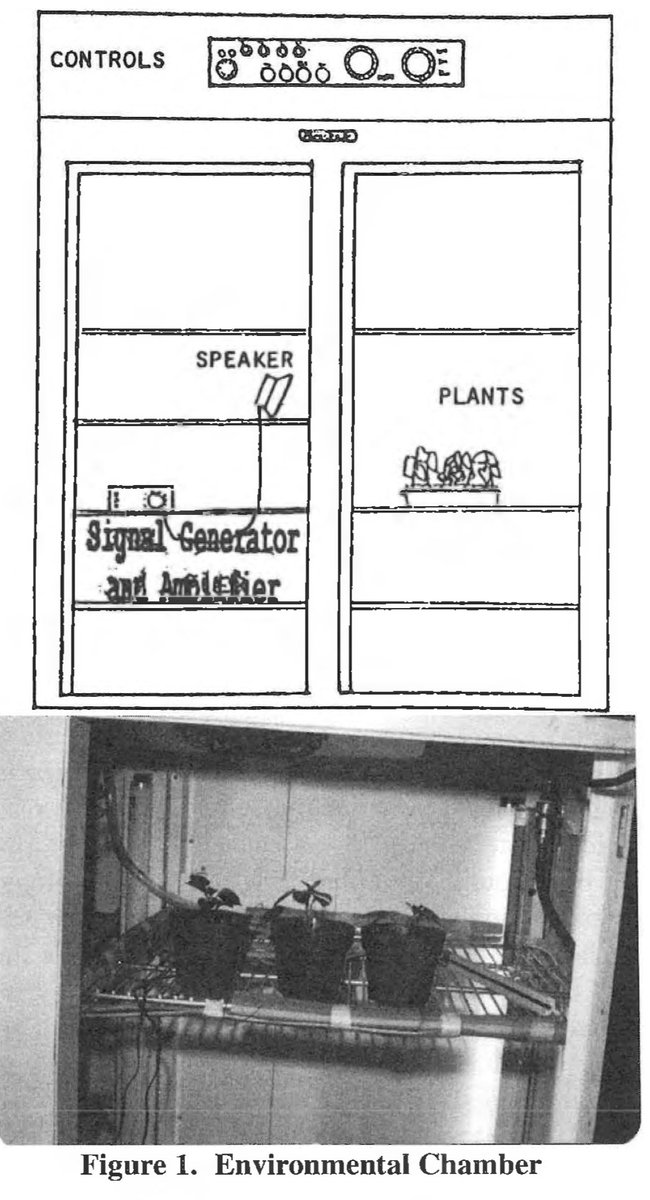
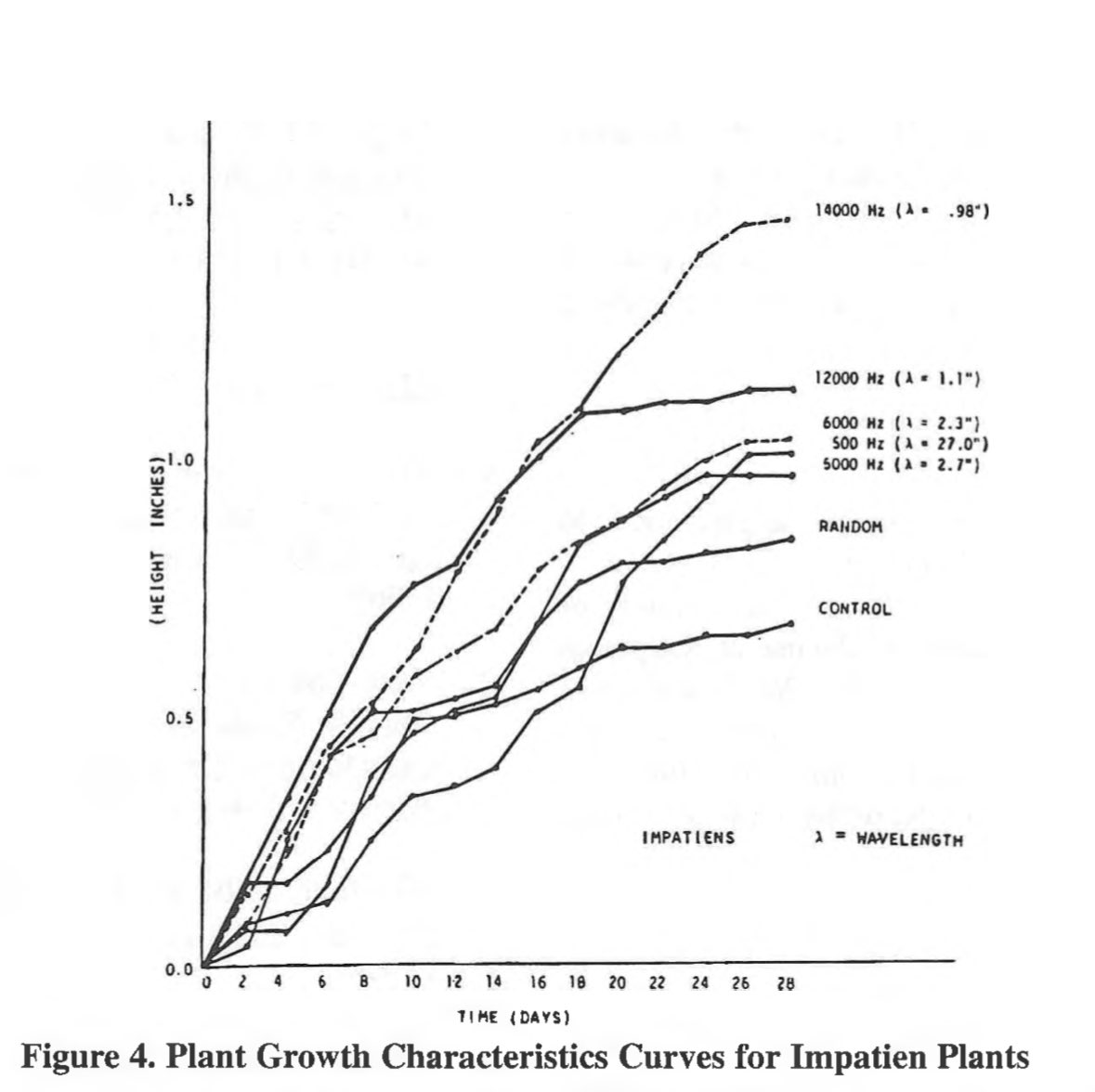
What if I told you that just by playing certain music or complex sounds we could eliminate the need for most patented fertilizers, most GMO modifications and most patented pesticides?
We knew about this phenomena since the 1700s and perhaps as early as the Indus Valley cultures as far back as 8000 BC.
I first discovered this when Bell Labs in New Jersey closed and they tossed in a dumpster 100s of file folders, never digitalized on music and tones on plant growth and elimination of pests. That was the 1980s I I continued to test and build upon this research.
I first proposed this to the Space Studies Institute in Princeton for space grown food in the 1980s. I could not cite the work of the Bell Labs scientists and thus I presented Mary Measures and Pearl Weinberger’s work in the field.
Of course we should have been using this technology here on Earth but I am sure you can conclude a trillion dollar reason it is not taking place at scale.
But I have helped 100s of farmers.
Here is a part of my presentation:
-
The Influence of Musical Frequencies on Plant Growth
The impact of sound frequencies on plant growth has been a fascinating subject of scientific inquiry for decades. Notably, Mary Measures and Pearl Weinberger conducted pioneering research in the late 1960s and 1970s, exploring how specific sound frequencies affect plant growth and development.
Historical Timeline of Research
1968:
Measures and Weinberger conducted one of the earliest studies on the effect of audible sound frequencies on spring and winter wheat. Their research revealed that exposure to certain frequencies enhanced germination and growth compared to control groups.
(Measures, M., & Weinberger, P. (1968). Effects of audible sound on the germination of wheat)
1969:
Building on their earlier findings, the researchers studied the impact of four different frequencies on Marquis spring wheat. They demonstrated that specific frequencies elicited significant growth enhancements, indicating a frequency-dependent response.
(Measures, M., & Weinberger, P. (1969). Influence of sound frequencies on wheat growth)
1978:
Weinberger and Measures expanded their research to study the effects of sound intensity and frequency on Rideau winter wheat. They discovered that sonication at 5 kHz and 92 dB significantly stimulated tiller growth, plant dry weight, and root formation. Conversely, higher amplitudes (105–120 dB) caused developmental anomalies and weight loss in roots and shoots.
(Weinberger, P., & Measures, M. (1978). Effects of sound on plant development)
Mechanisms of Sound-Induced Growth Enhancement
While the exact mechanisms remain under investigation, several hypotheses have emerged. Research suggests that sound waves may influence cellular processes, such as:
-Ion Transport and Membrane Permeability: This could lead to enhanced metabolic activities.
-Enzymatic Activation: Sound waves have been associated with increased activity of enzymes like amylase, which plays a critical role in seed germination by breaking down starch.
(Measures, M., & Weinberger, P. (1968). Audible sound effects on enzymatic activities in plants)
Studies have extended this research, exploring how various sound frequencies and intensities affect biological indices like:
-Seed germination rates
-Root elongation
-Plant height
-Enzymatic activity
The foundational work by Mary Measures and Pearl Weinberger has laid the groundwork for understanding the role of sound frequencies in plant growth. Their research underscores the potential of sound as a tool for agricultural innovation. Future research will further unravel the mechanisms behind these effects and optimize the application of sound frequencies to improve crop yields.
It is vital we form a non-chemical process to grow healthy plants and farm animals in space colonies. Measures and Weinberger’s research is a good place to start.
Our space colonies will be filled with music.
@SharinStone@chrisboettcher9 One I have used in the past is a bent over pulldown with bands wrapped around a stairwell post
Make sure the band is secure then with knees slightly bent, hinge forward until your torso is as close to parallel with the bands as possible before performing the “pulldown”