Partner, UMHD (real estate dev. for @UMG)
Past: City Manager @kansascity and @jerseycity | @teachforamerica | @mckinsey | Masters in Public Admin. @Columbia
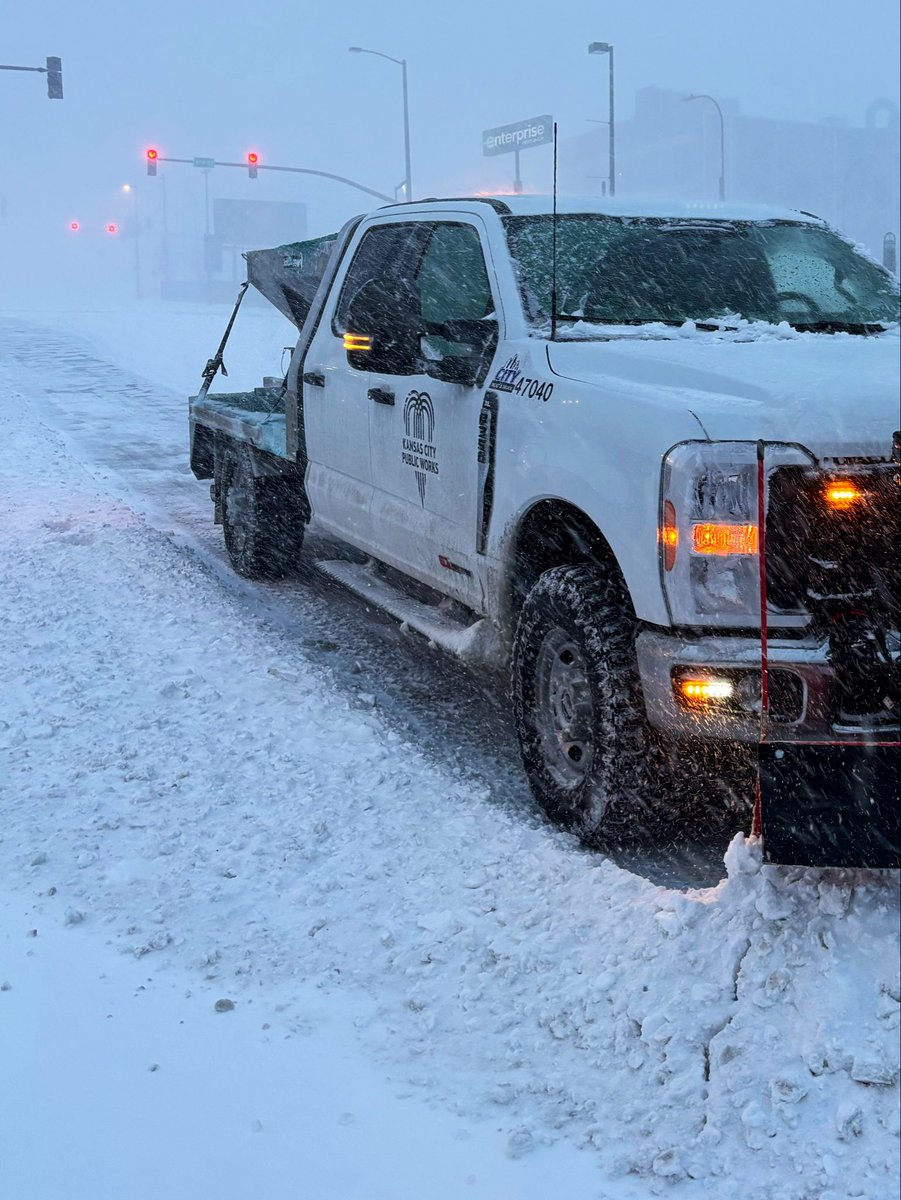
It’s October, but winter is coming just like it does every year…..If your city hasn’t started preparing for snow storms, it is already behind. Here are some tips on how to elevate your snow removal operation.
https://t.co/mYb2OnLsbf
Autonomous vehicles like @Waymo are the future. In addition to being incredibly calm and smooth, an IIHS study found Waymo’s crash involvement rate to be 68% LOWER than that of human drivers. HUGE for #visionzero
https://t.co/pBSIyiezgA
MWBE programs are being dismantled from the top down. So what should cities do if the disparities still exist but the programs to close opportunity gaps are now deemed impermissible?
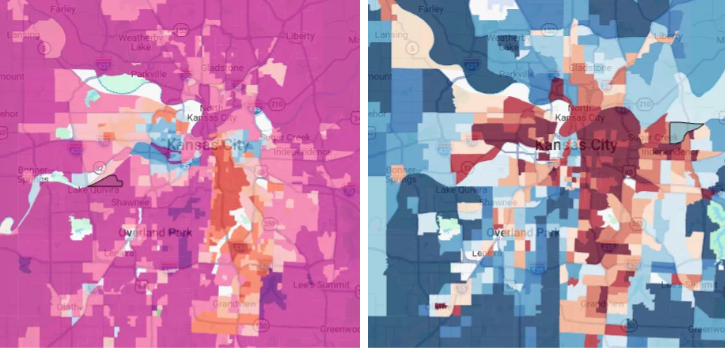
There’s a way to continue to provide the programs and services that disadvantaged communities still need: focus on income levels instead of demographics. The lowest-income census tracts and neighborhoods in any city likely have a high degree of overlap with the census tracts and zip codes that have higher percentages of those same minority communities. Below are two census tract maps of the Kansas City, MO metropolitan area, with the left map showing racial demographics and the right map showing income levels. The red (and non-pink) areas on the left map indicate higher proportions of non-white residents, while the red (and non blue) areas on the right map indicate lower incomes.
The overlap between the two is striking: it is clear that programs that focus resources on lower income census tracts will still positively impact minority communities, but through the lens of financial need instead of racial demographics.
Read more here: https://t.co/MzdXzRcKXt
Of course- the point of my article is to do the big stuff but also don't ignore all the @'s from people saying "what about my potholes". People are going to reach out in a lot of ways, sometimes on social media. Leaders need to be responsive and customer service oriented everywhere.
This is a perfect example of excellent customer service by a City: Mayor @MayorBMScott is actively and rapidly responding to issues on social media in real time. He got over 30k likes just from this one post about fixing a hole in a sidewalk! I wrote an article about why this is the key to being a good public servant in the article below.
A customer service mindset is the most important way to make anyone a better public servant: viewing residents as “customers” of a city will help you more effectively listen to and hear constituents, find better solutions to problems, and deliver better city services. But how do you do this at City Hall? Read more below:
https://t.co/0WUn4uO9Fb
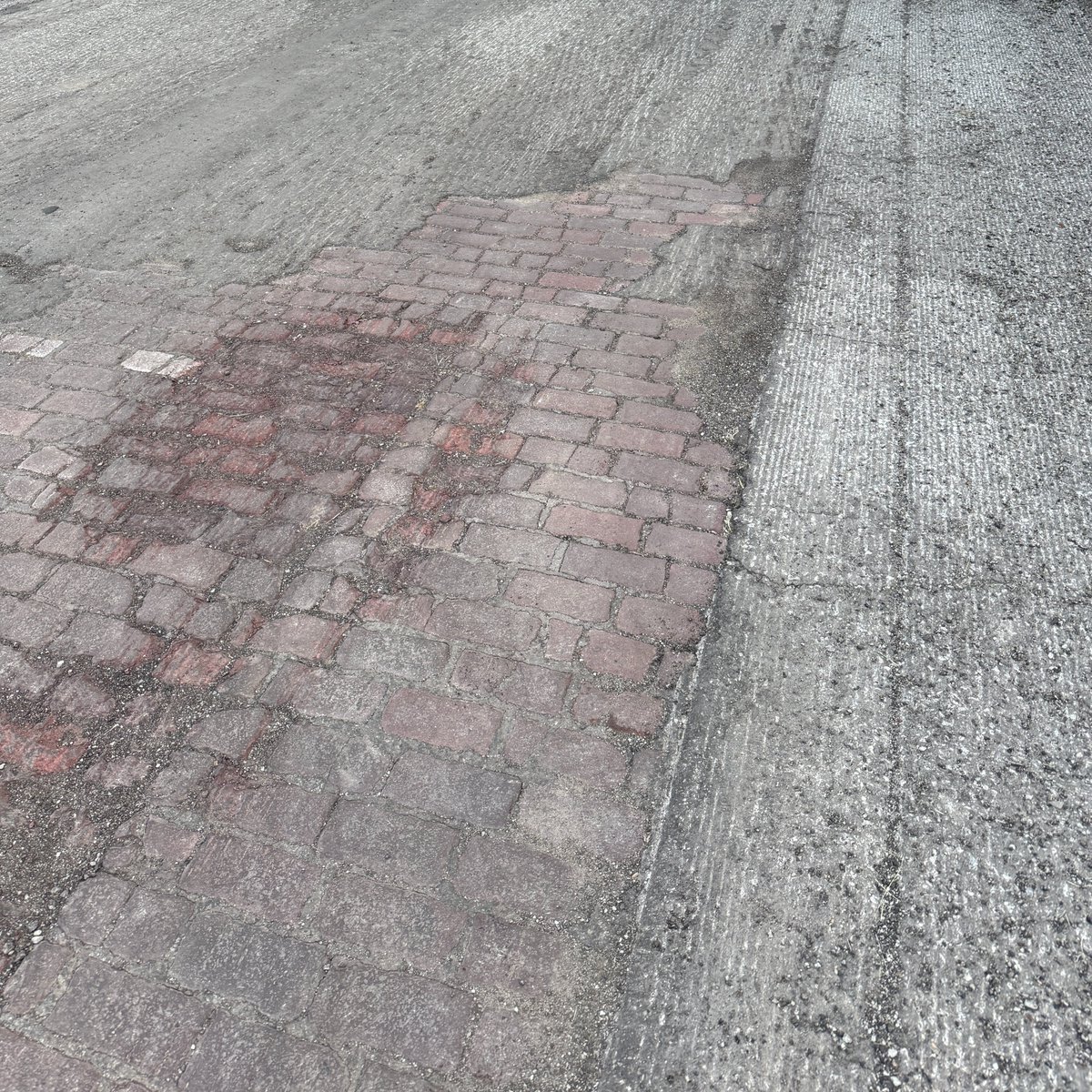
Check out what was visible beneath the surface of my street in Kansas City (Tracy Ave) the other day: 100+ year old cobblestone street partially intact!
Before a city repaves a street, heavy machines will grind off the top 2-4 inches of old pavement (also known as "milling") and then later replace it with new pavement. If you are quick you can sometimes find a treasure like this. That old cobblestone was strong and durable although not as smooth and hard to maintain (if something like a water line needed to be repaired or replaced) and older cities still have a lot of this beneath the new smooth asphalt.
A lot of it is gone- this is a nice big patch but uncommon overall. Every time a water line or sewer line needed repair or replacing this was dug up and then just backfilled with concrete or something else. We preserved a couple blocks in the west bottoms a couple years ago though!
A customer service mindset is the most important way to make anyone a better public servant: viewing residents as “customers” of a city will help you more effectively listen to and hear constituents, find better solutions to problems, and deliver better city services. But how do you do this at City Hall? Read more below:
https://t.co/0WUn4uO9Fb
Everyone talks about how important it is to build more affordable housing. But how do you actually do that? I have 4 outside of the box ideas for you to try, but my favorite is the most simple: just build more housing.
Read the full article to learn more:
https://t.co/8yvHxeQQXv
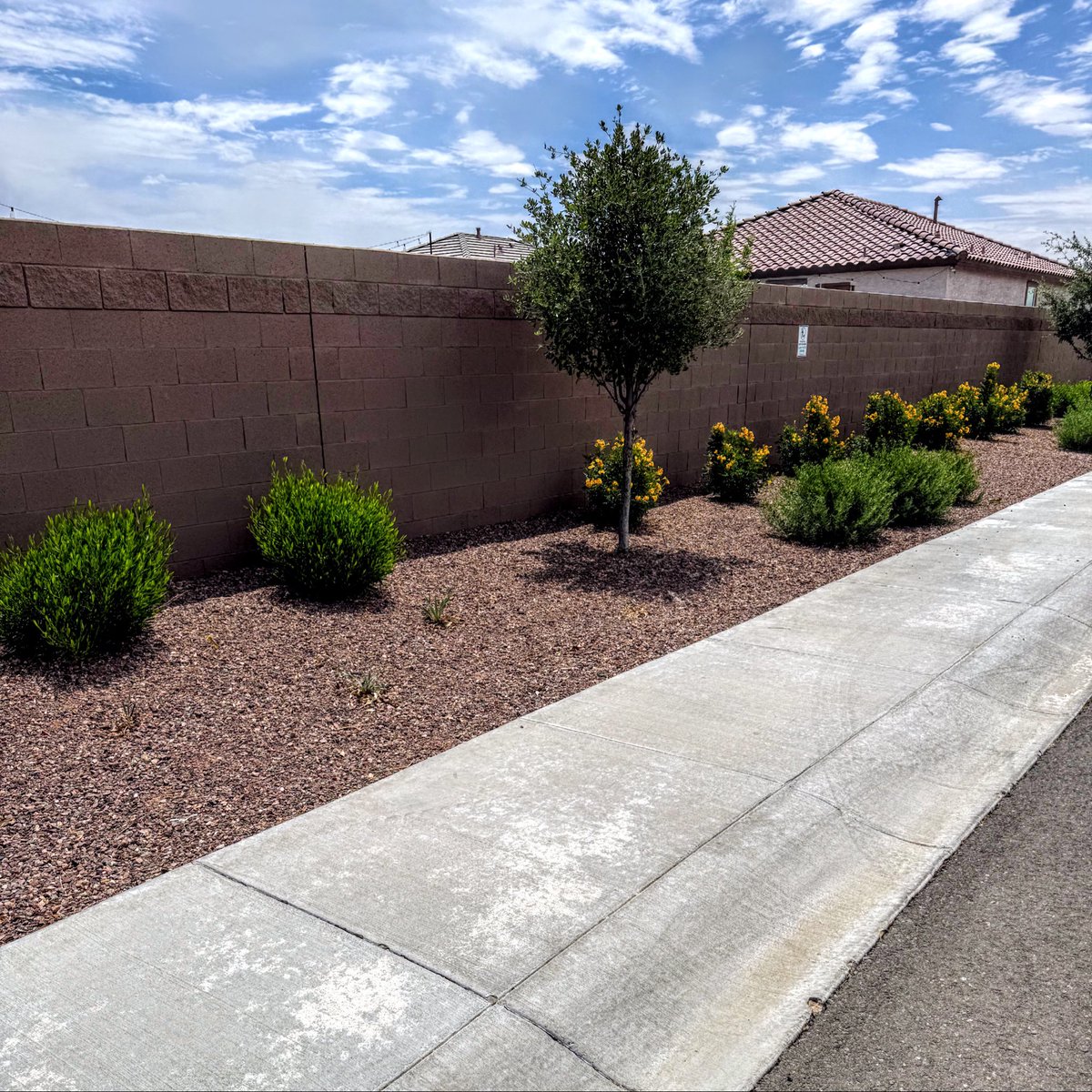
“Xeriscaping” is an approach to landscaping in arid climates like Arizona that replaces grass with decorative stones and gravel instead. While initial installation costs are higher, removing grass can reduce water use by as much as 80% and eliminates the need for mowing. Something cities everywhere should think about!
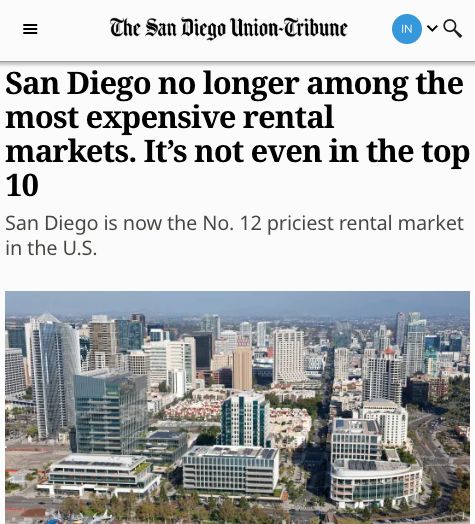
Being able to keep rents down in Jersey City with supply is an achievement anywhere, but especially so given JC's location and role as a "pressure-valve" for Manhattan commuters who would have otherwise sought housing in the five boroughs. More homes → more affordability! 📈
Ever wonder why some streetlights are different colors, and often slightly different shades of white or yellow? For many years the gold standard of streetlight was a type of light bulb called “high pressure sodium” (HPS). These bulbs were designed with a goal of efficiently providing a lot of light from a large bulb across a large area without getting too hot. The light emitted by HPS bulbs is yellow or orange because electricity running through the bulbs vaporizes sodium inside the bulb which then produces light on the yellow/orange spectrum. This is/was a good thing: orange light is less disruptive to vision at night when switching from light to dark, hence why this color was historically used to illuminate many things from fighter jets to 80’s luxury cars (now you know why the gauges in those older BMWs were orange!).
Newer LED streetlight bulbs (yes the same as in your home, just a much larger bulb) can emit the same amount of light at a fraction of the energy while lasting longer and producing less heat. LEDs can be adjusted to different "color temperatures", measured in Kelvin (e.g. 5000K), and the higher the Kelvin number the whiter the light. HPS lights have a color temperature of around 1900K or 2000K (more yellow/orange). Most LED streetlights installed now are around 2700K and the light looks and feels more natural. Early LED streetlights were very white and bright at 5000K or more and felt like being in a dentist chair.
The biggest benefit of LEDs is their energy efficiency and useful life: an LED bulb uses 40-50% less energy and can last 10-20 years or more compared to 5-10 years for a standard streetlight. Simply replacing your old HPS street lights with LED bulbs can save your city millions of dollars. Because cities have THOUSANDS of streetlights, this can translate to millions of dollars of savings each year for your city just from changing light bulbs.
For more on this, plus why some streetlights are actually BLUE, check out my full article in the replies!
In Jersey City, average rent dropped from $3,400 to $2,600 in just 2 years because they allowed more building. Every idiot praising Mamdani for adding more rules, & more rent controls, which will reduce supply, & increase prices, should be deported to the bottom of the Hudson