True or False: Desert sand can be used for local construction and infrastructure projects?
Answer: FALSE.
Some of the largest deserts on earth are entirely useless for infrastructure projects. It all comes down to the shape of the grain.
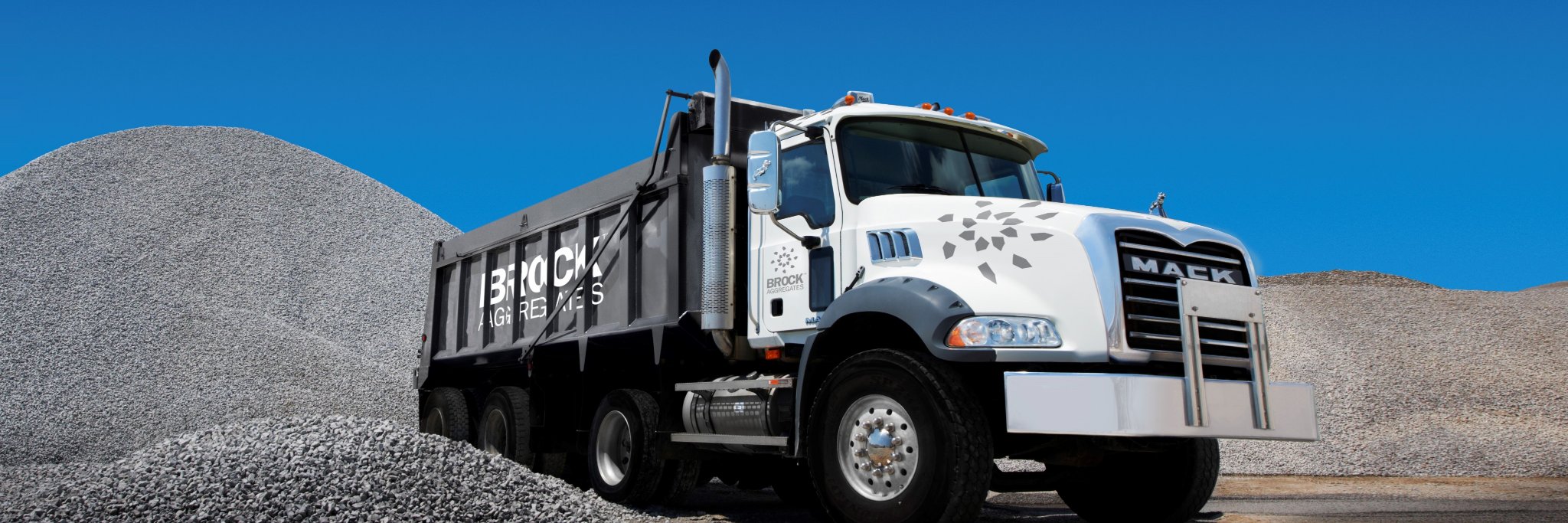
On average, a standard apartment building requires roughly 50 to 60 tonnes of aggregates (crushed stone, sand, and gravel) per individual apartment unit. For a typical 100-unit building, that adds up to a staggering 5,500 tonnes, or about 275 massive dump truckloads of material.
Did you know? Our Sunderland Pit utilizes both surface and innovative underwater extraction facilities. By utilizing advanced extraction methods, we are able to consistently meet the demands of major infrastructure developments across Ontario. #SunderlandPit#Development
Quarrying is the process of removing or extracting rock, sand, gravel or other minerals from the earth in order to use them to produce materials for construction or other uses.
Rip rap is a large, angular rock used primarily for erosion control along shorelines, riverbanks, and drainage channels. The size typically ranges from 150mm to 450mm or larger, depending on the water velocity and wave energy at the site.
#RipRap#TheMoreYouKnow
Brick sand is a screened, stone free aggregate used for two primary applications. When mixed with mortar, it provides the workable consistency required for brick and block laying. When used alone, it serves as a smooth, compactable fill beneath pool liners.
#LearningAggregates
When you think of Parliament Hill in Ottawa, you often picture the Gothic towers and grand façades. Much of the exterior is built from locally quarried Nepean sandstone, a durable, well‑cemented stone rich in quartz that has resisted weathering cycles since the 1860s.
#Aggregates
When we think of the CN Tower, we picture height and design, but the real unsung heroes are the aggregates that make it possible. High-quality crushed stone, gravel, and sand were key components in the mix that forms the tower’s core, giving it strength, and durability.
The roots of Ontario’s modern road network go back more than a century, and many of the oldest paved routes still in use today began with simple crushed stone foundations.
Read More In The Replies!
#AggregateHistory#Aggregates
Roads like the original sections of Yonge Street, parts of Highway 2 and early sections of the Toronto–Hamilton corridor were among the first to use engineered aggregate bases to support increasing traffic in the early 1900s.
Not all stones behave the same when it comes to building strong, long-lasting surfaces. Crushed stone, with its angular edges, naturally locks together when compacted, creating a dense, stable foundation.
#TheMoreYouKnow#Aggregates
Clean gravel products like 3/8 inch pea gravel and HL6 gravel are designed for applications where drainage and consistency are critical. Washed to remove fines, these materials help prevent water buildup and reduce shifting over time.
#Aggregates#GravelProducts#Utility