Hello everyone! 👋
I'm Broky Lu, a Robotics Engineer and Product Designer.
I focus on:
🤖 Custom Robot Arm Design
⚙️ Mechanical Engineering
📐 3D CAD Modeling
🎬 Motion Animation & Rendering
🏭 Prototyping & Manufacturing
I enjoy turning ideas into real, functional products — from initial concepts and mechanical structures to manufacturing and assembly.
Follow me for robotics insights, engineering projects, mechanical design and behind-the-scenes manufacturing.
Let's build something great together!
#Robotics #MechanicalEngineering #ProductDesign #Automation
Precision manufacturing starts with the right equipment and skilled hands ⚙️
Welcome to our CNC machining workshop!
We focus on precision CNC machining and custom metal parts manufacturing, turning ideas and technical drawings into quality components.
Looking for a reliable CNC machining partner? Let's bring your designs to life!
📩 Contact us for your next project
#CNCmachining #CNC #Machining #Manufacturing #PrecisionEngineering #MetalParts #Engineering
Copper and titanium for this one. 🤖
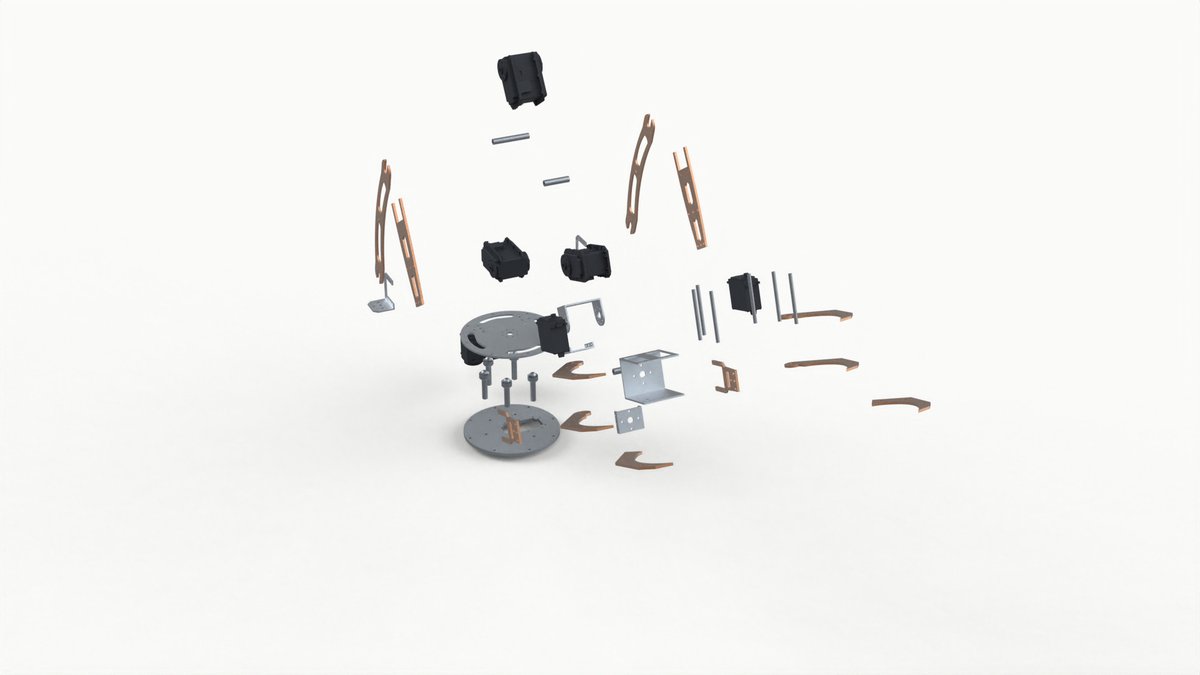
A digital finish study on the supplied robot-arm CAD model.
I take on custom robot arm design and manufacturing too. Physical hardware is quoted separately.
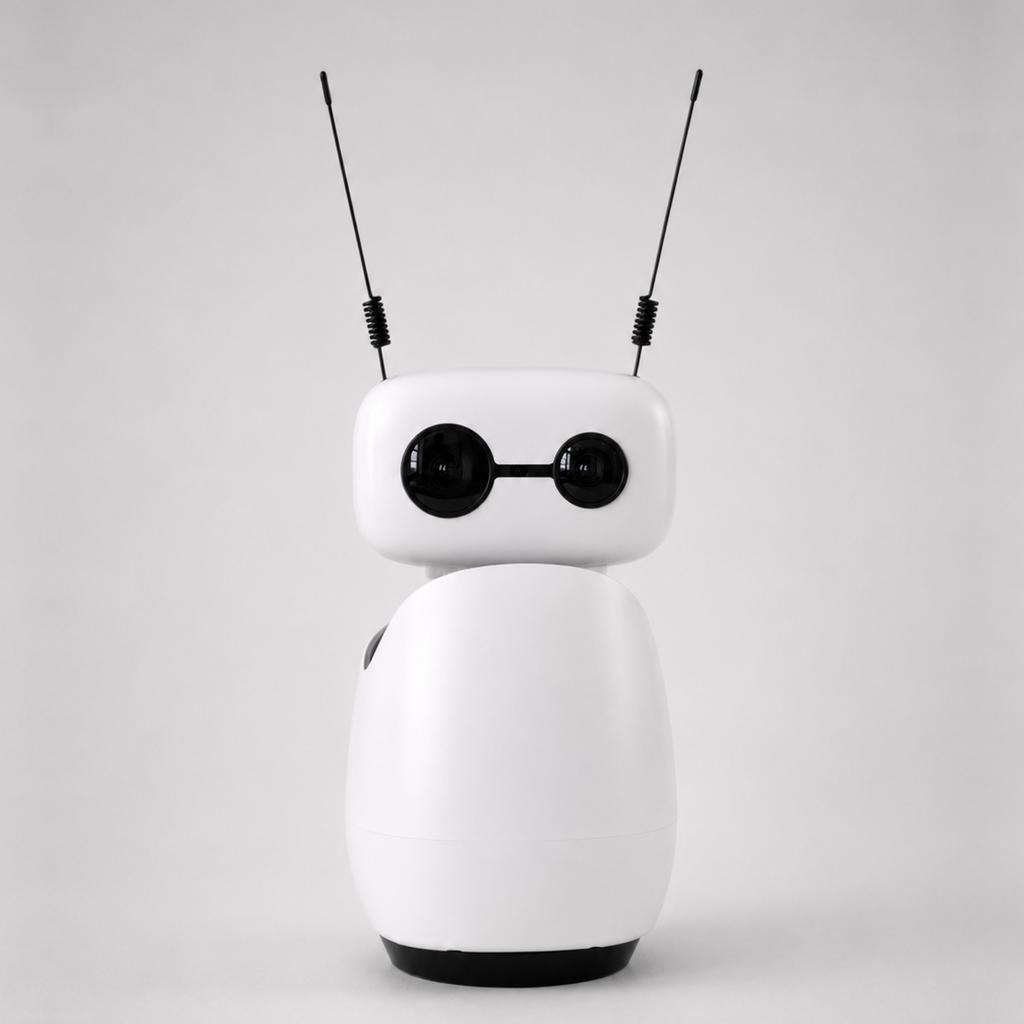
Reachy Mini Analysis
The Reachy Mini is equipped with a dual-wheel self-balancing mobile chassis (Hoverboard)😍
From the image, its mechanical structure is visible
1. Head: A rounded rectangular shell with two black circular eyes, housing an integrated camera or visual sensor inside.
2. Antenna: Two elastic antennas at the top with a spring structure.
3. Trunk: A white shell with visible internal support structures and electronic circuits.
4. Mobile chassis: A dual-wheel self-balancing structure that achieves steering through differential speed between the left and right wheels.
5. Control System: Integrates robot body control with mobile chassis control to achieve actions such as standing, sitting, and moving.
The core idea it adopts is inverted pendulum control.
By using gyroscopes, accelerometers, and motors to adjust the center of gravity in real-time, the robot can maintain balance.
I think this design is very interesting: it combines a desktop interactive robot with a two wheeled self balancing mobile platform.
When Robots Enter Our World: How Should We View Today's Robotics Boom?
In recent years, robots have become one of the hottest topics in technology. From humanoid robots that can run and jump to industrial robotic arms capable of handling, assembling, and transporting products, robotics is advancing at an unprecedented pace. With the integration of artificial intelligence, robots are no longer limited to repeating fixed movements. They are increasingly capable of recognizing objects, understanding their surroundings, and attempting more complex tasks.
In my opinion, today's robotics boom is both a sign of technological progress and a reason to remain realistic. Robots can improve productivity, reduce repetitive labor, and help humans perform dangerous or physically demanding tasks. However, a robot that performs impressive demonstrations on stage is not necessarily ready to work reliably in real factories or homes. Cost, reliability, maintenance, and practical value remain important challenges for the industry.
In industrial manufacturing, robots do not necessarily need to look like humans. For repetitive tasks such as welding, material handling, and assembly, traditional industrial robotic arms are often more mature, efficient, and practical. Rather than focusing only on appearance and advanced features, I believe the real priority should be making robots that solve practical problems in manufacturing and everyday life.
The future of robotics is promising, but we should look beyond marketing and impressive demonstrations. The true value of a robot is not determined by how advanced it looks, but by whether it can work reliably over time, reduce costs, and create real value for people.
The age of robotics is approaching, but the industry's future will not be determined by how impressive the technology looks. What matters most is how much it can change the real world.
@metrox_eth A shared packet keeps the target updates together. Checking both servo currents with the joint unloaded could flag a zero-offset mismatch that makes the pair work against each other.
@RemiFabreRobot The interesting design constraint is reaching the floor while keeping balance. Does the policy learn foot placement together with the grasp, or start from a fixed stance?
@simpsoka The digitizing step is where fabric behavior enters the workflow: stitch direction, density and underlay all affect how a generated design stitches out.
@Prusa3D For PPS or PPA robot brackets, creep under sustained load at operating temperature belongs in the design check alongside interlayer strength. Even small deformation over time can shift joint alignment.