I went and saw a pile of chain today. Some of it was pretty big chain. That’s my cap on one link.
The tiniest chain in the pile (which had to be a couple hundred tonnes) was 22mm wire diameter (usually good for 15-18,000kg working load limit rating). Then there was 38mm, 48mm
The research behind this is wild. If you played Pokémon as a kid, you have a tiny region in your brain that exists only because of Pokémon. Not a metaphor. Stanford put people in brain scanners and found it.
The study was published in Nature Human Behavior in 2019. They scanned 11 adults who grew up glued to their Game Boys and 11 who never played. When they showed both groups images of the original 151, the players' brains lit up in one specific spot every time. Same spot across all 11 people. The non-players showed zero response.
That spot is a little fold in the back of your brain that normally processes things like animal shapes and cartoon faces. In the Pokémon players, a chunk of it had been permanently reassigned. Their brains carved out a Pokémon department sometime around age 6 or 7 and just never took it down.
And the reason it ended up in the same place in everyone's brain comes down to the Game Boy itself. The screen was 2.6 inches. Every kid held it at roughly the same distance. So those 151 characters hit the exact same patch of each kid's retina, thousands of times, during the years when the brain is still soft enough to reorganize itself. Where an image hits your retina in childhood is what tells your brain where to build the wiring.
Reading works the same way. Humans invented writing about 5,000 years ago. There's zero evolutionary reason for a brain region dedicated to recognizing words. But every person who learns to read grows one, roughly the size of a dime, in the same part of the brain.
Brain-imaging research from 2018 actually watched it appear in children's heads as they learned their letters. It grew by quietly taking over nearby tissue that wasn't doing much yet. Stanford published a follow-up this year showing this region is way smaller or missing entirely in kids with dyslexia, and that 8 weeks of intense reading practice physically grew it back.
London taxi drivers show the same thing in a completely different part of the brain. Brain scans from a 2000 study found the region that stores mental maps had physically expanded, and the longer they'd been driving, the bigger it got. These drivers spend 3 to 4 years memorizing 25,000 streets before they get licensed. About half wash out.
The common thread is childhood. Harvard researchers trained young monkeys to recognize new shapes and they developed brand-new brain regions in predictable locations. Adult monkeys trained on the same shapes never got those structural changes. The young brain wires itself in a way the adult brain cannot replicate.
If you're wondering whether a Pokémon patch in your brain means you lost something else, no. The region sits alongside your normal visual processing areas, not on top of them. Your brain has hundreds of millions of neurons in that zone alone. The lead author noted that every participant in the study had gone on to earn a PhD.
What Claude Code has revealed is that most people either have mediocre ideas or no ideas at all. The tool is a force multiplier for those who already know what they want to build and how to think through it systematically; it elevates competence, rewards clarity, and accelerates execution for people who would have gotten there anyway, just slower. If you have a sharp vision and can break it into coherent steps, Claude Code becomes an extension of your own capability.
But there's another mode of use entirely. For people without that clarity, the appeal is precisely that the input can stay vague; you gesture at something, hit enter, and wait to see what comes out. This is structurally identical to a slot machine: low effort, variable reward, and that intermittent reinforcement loop that hooks the susceptible. So the same tool that elevates the focused and capable is also manufacturing a kind of gambling behavior in people prone to it.
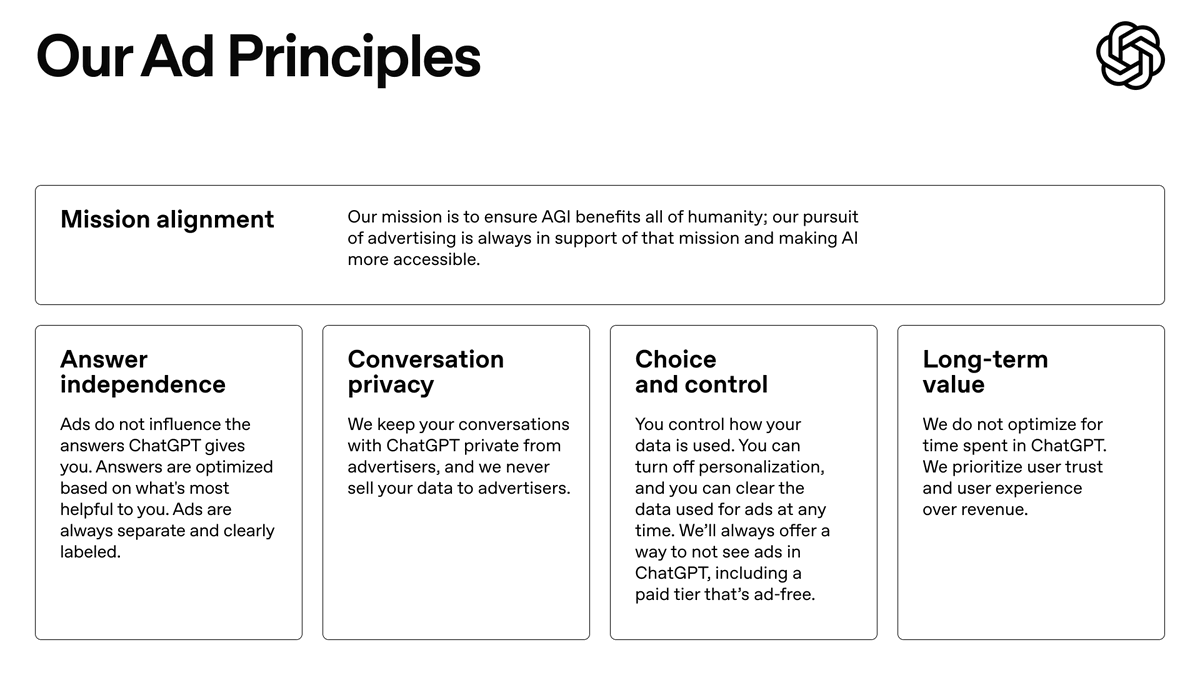
In the coming weeks, we plan to start testing ads in ChatGPT free and Go tiers.
We’re sharing our principles early on how we’ll approach ads–guided by putting user trust and transparency first as we work to make AI accessible to everyone.
What matters most:
- Responses in ChatGPT will not be influenced by ads.
- Ads are always separate and clearly labeled.
- Your conversations are private from advertisers.
- Plus, Pro, Business, and Enterprise tiers will not have ads.
I’ve come around on AI, partly because I’ve been using it a lot more effectively to augment myself vs outsourcing thinking, and partly because my LinkedIn feed is absolutely littered with the dumbest people imaginable saying it’s never gonna work
> brand new role at work
> 2 year old kid demanding more attention than ever
> holidays with a bunch of social commitments
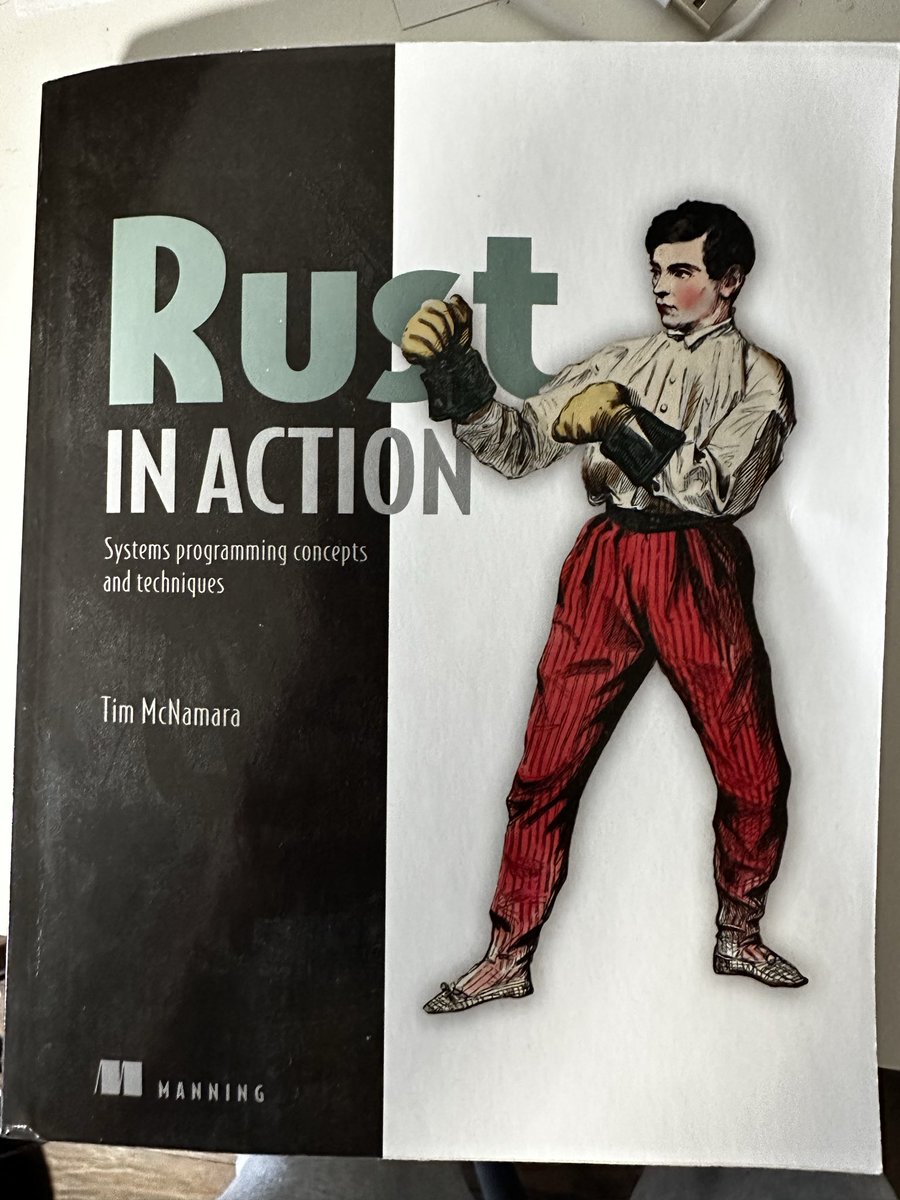
> yes perfect time to start advent of code 5 days late with a textbook
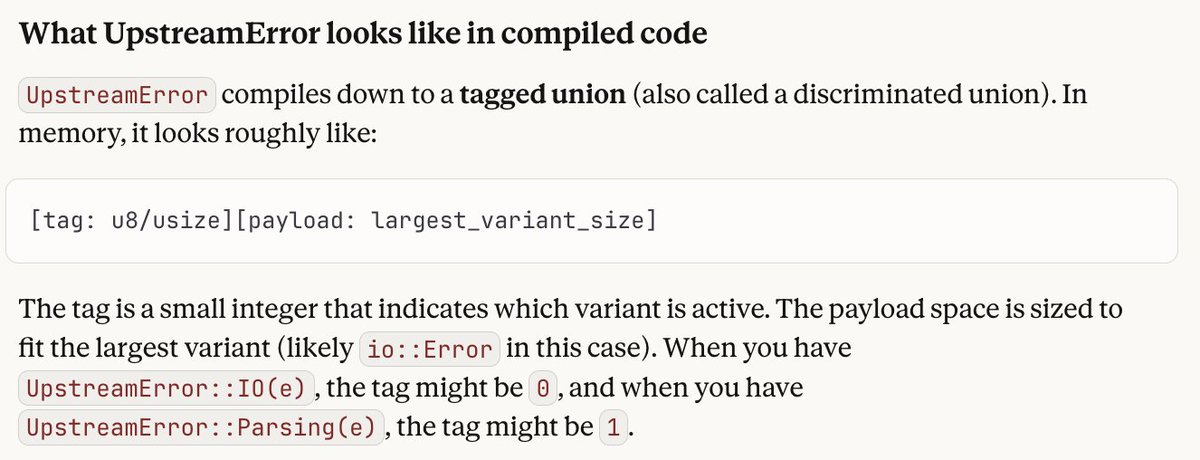
Took a lil break yesterday, right back at it today. Realizing my extension game was dog, downloaded rust-analyzer and my life changed. Can you believe I'd been going to the docs pages of these various libraries to figure out the return types of methods?