If you teach anyone at all, and you don't know about @helenrey's CogSci book summaries, you are missing out. It's a wonderful resource summarizing the most important books on cognitive science: https://t.co/TB0bPExfck
If the goal of education is for students to use what they learn beyond the classroom, contextual interference forces learners to determine what remains when everything else changes. And that may be one of the most important things education can do.
https://t.co/6QVrncpjG3
'Job one for schools should be teaching a broad base of knowledge that will prepare students to be autonomous, thoughtful adults, no matter what the workforce actually looks like in 2046 (when today’s 4th graders turn 30).' Great piece @rickhess99@AEIeducation https://t.co/7hcJDfNs5Q
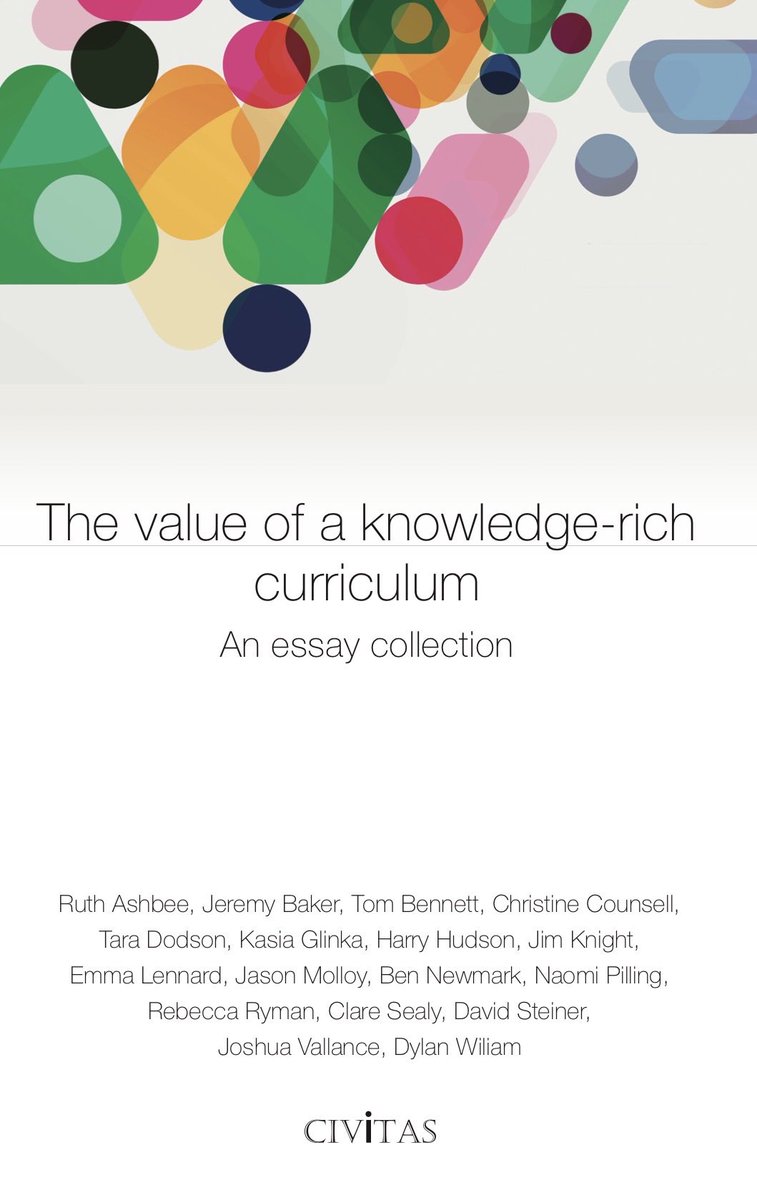
An intriguing collection of essays on the idea of ‘knowledge rich’ curricula, teaching & learning.
Essays include Naomi Pilling’s brilliant argument for ‘knowledge rich’ art curricula & @bennewmark on ‘knowledge rich’ for children who can struggle most.
https://t.co/VPmkTnhhd4
Today, @Civitas_UK releases a collection of essays on the value of a knowledge-rich curriculum. Here's my chapter titled "Knowledge-rich curricula: A key driver of equity in education" https://t.co/Yv5ES6HfqM
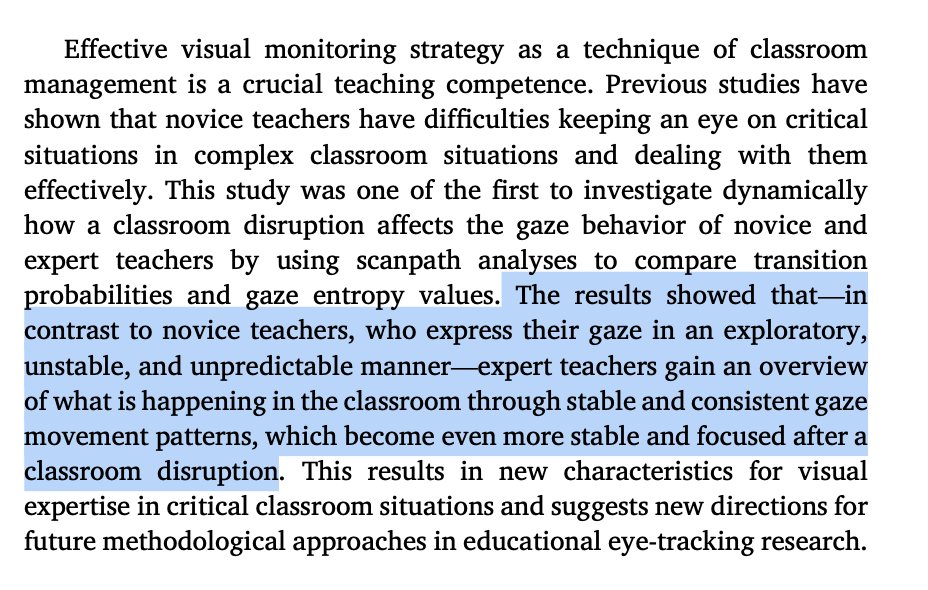
Expert teachers do not simply “notice more”; they have routinised ways of scanning the class, briefly zoom in on the disruption, then rapidly re engage with everyone else. Novices, by contrast, show more scattered, exploratory gaze behaviour and are more easily pulled off their routine. https://t.co/XNoH6W0zGc
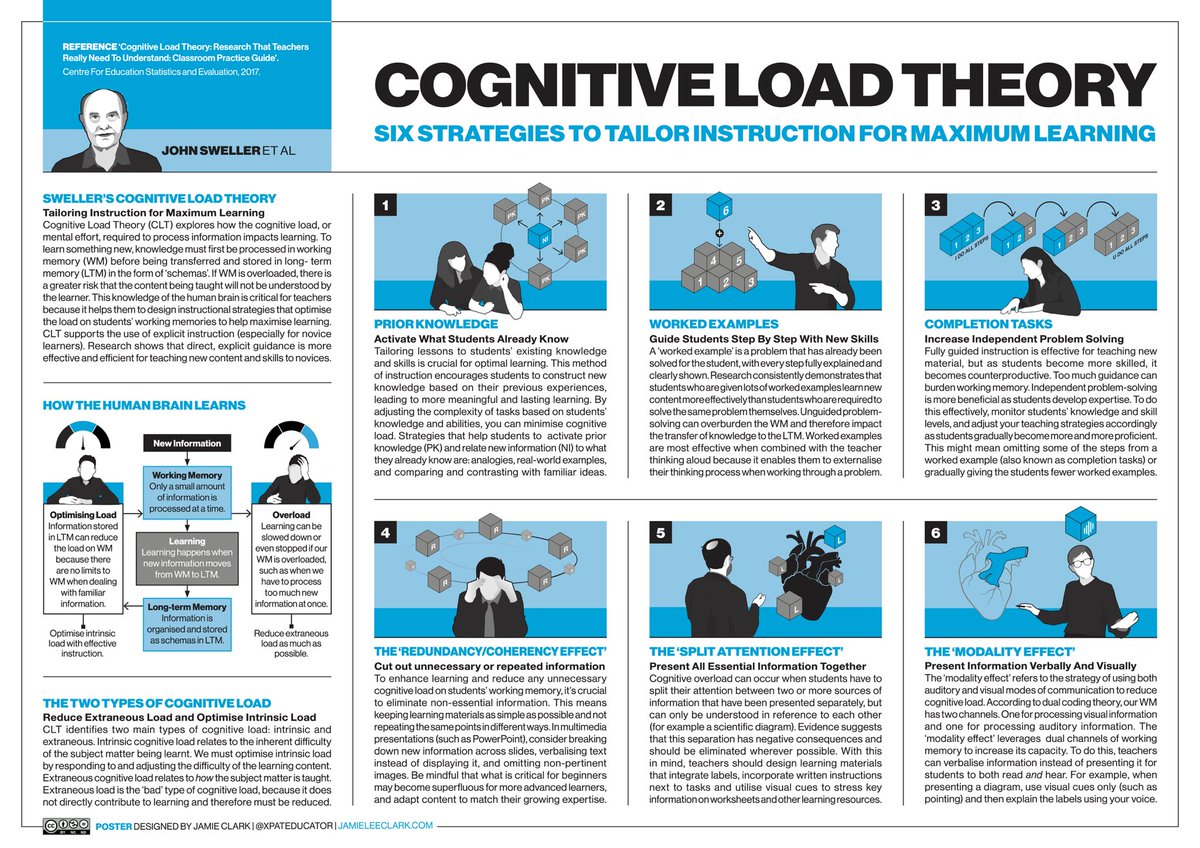
Dylan Wiliam calls Cognitive Load Theory “the single most important thing for teachers to know.” This guide summarises core CLT ideas and highlights six high-impact strategies for reducing overload.
It focuses on the classroom levers teachers can pull right away. CLT goes much deeper, of course — transient information included — but these strategies offer some of the fastest gains. 💪
Free HQ copy if you want it: https://t.co/Xj2XpPGvnu
My new blog post is an essay by Max Roser, The Limits of Personal Experience and the Value of Statistics. in Data. Here's a link to the original.
His argument is that we desperately need statistics to offset the biases that are built into our personal experience, which exposes us to only a minuscule sliver of the world around us. To say "in my lived experience" is not to say much at all. Worse, it suggests that what I have seen in my limited time and place trumps all other forms of knowledge about life and living.
https://t.co/0xbH5pzHYI
If a child starts behind in reading, the odds of catching up fall fast:
• 49% in kindergarten
• 29% in first grade
• 18% in second
• 5% in third
We don’t have a third-grade reading crisis. We have an early learning problem. Great take, @ChadAldeman.
https://t.co/vNjkhx0CSt
🎙️ “Any assessment is a biased approach to capture something the assessor wants.” — Yong Zhao
In Ep 137 of #CoachingConversations, @YongZhaoEd challenges what schools really measure and why.
Power, politics, and what gets left out. - ICG Team
🎧 Listen here https://t.co/scVYKpwUcW
🚨 In Season 3, Ep. 1 of the Knowledge Matters Podcast, @dylanwiliam breaks it down:
“We can’t really increase the capacity of short-term memory. This is why knowledge matters.”
🎧 Listen now: https://t.co/TqDgwQy1r1
#KnowledgeMatters#CurriculumMatters#ScienceOfLearning
A study of beginning teachers in Missouri found that only 25% reported being observed by their mentors for at least one hour each month and 21% were not observed at all: https://t.co/tMRPHhnCxc
Do teachers keep improving after their first few years on the job?
✅ Yes—just not as quickly.
📊 A review of 23 studies shows most teachers grow steadily for at least 15 years.
Read more: https://t.co/q4viMvTbuX
Think teachers stop improving after a few years? Think again. A new research brief shows most continue to grow—especially in schools that support collaboration and stability.
👉https://t.co/q4viMvTbuX