SINGLE CHARACTER SHEET — OVERHEAD STAR-GOBO PORTRAIT
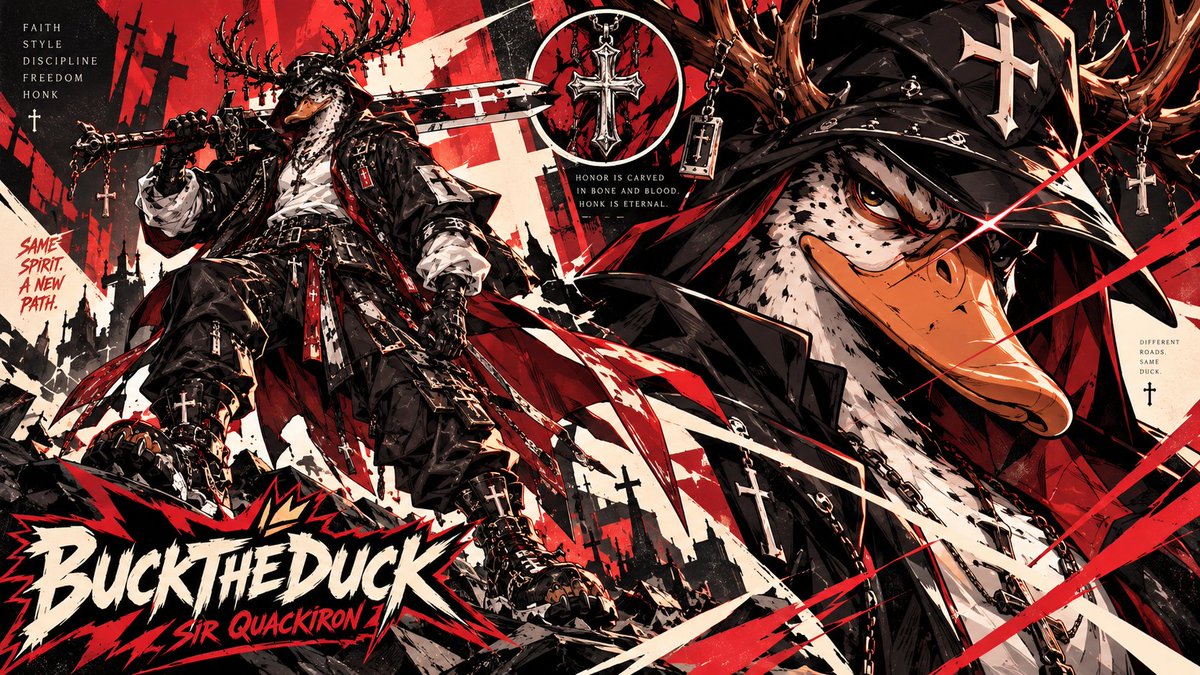
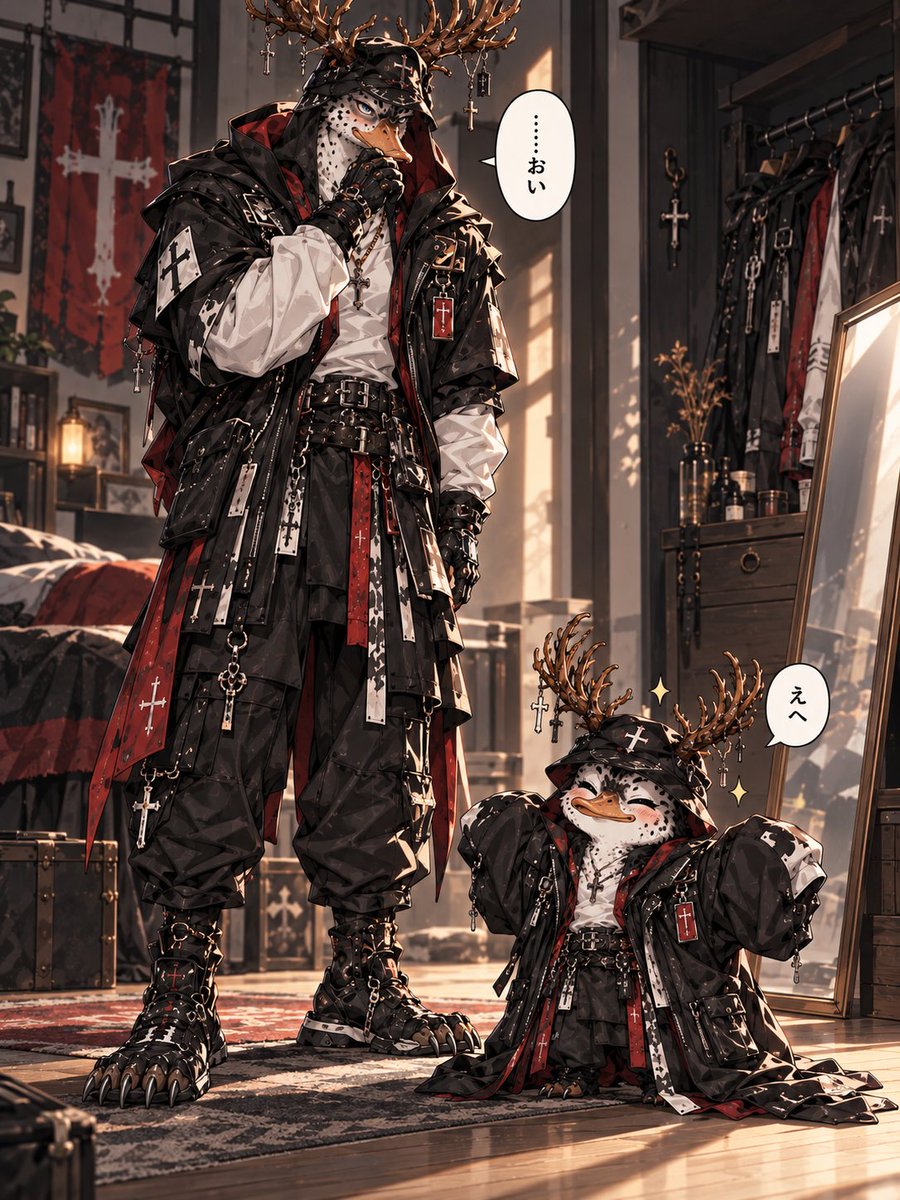
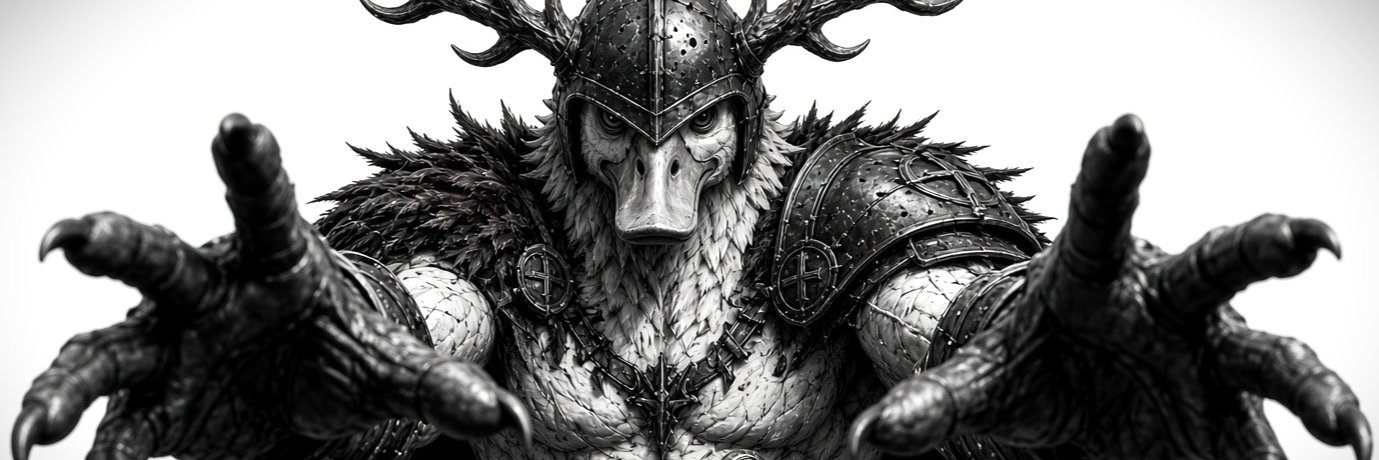
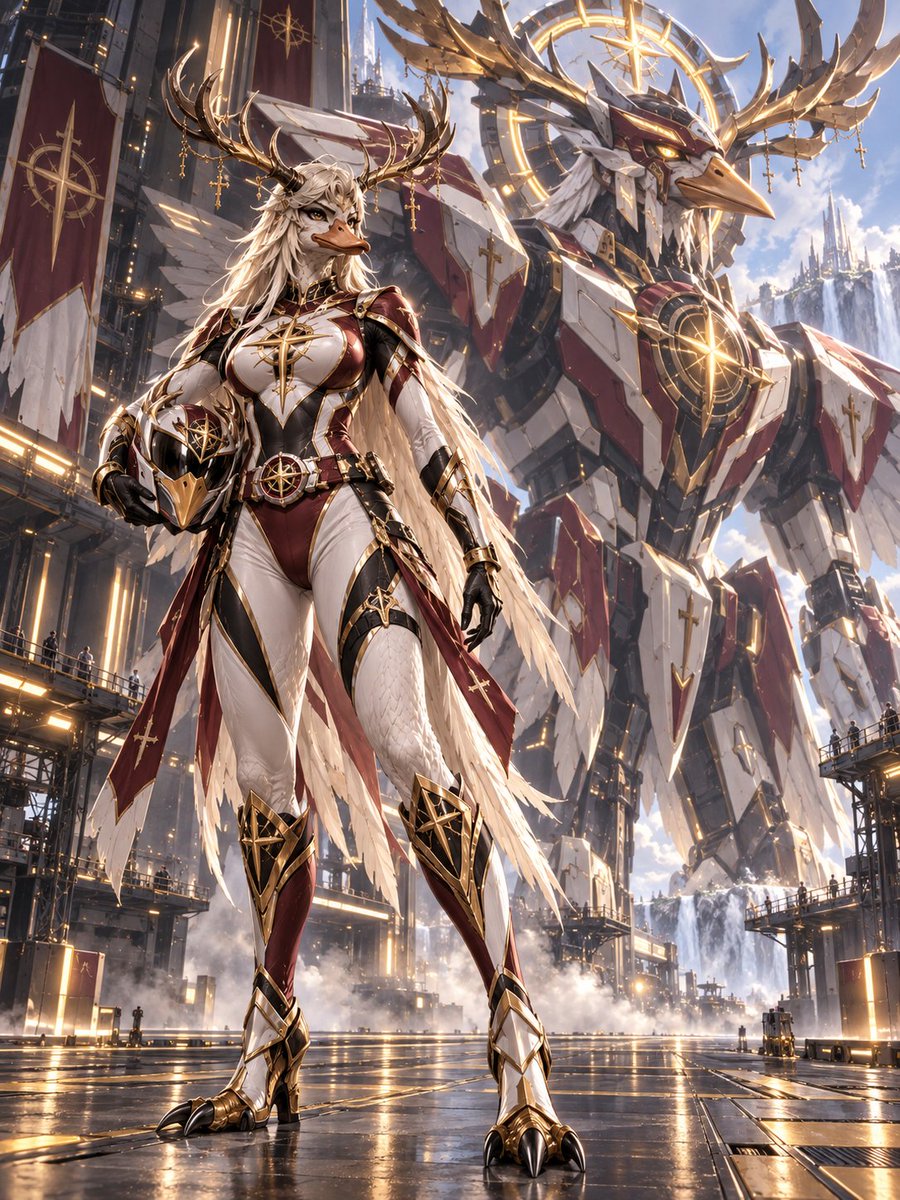
IMAGE 1 = ABSOLUTE CHARACTER IDENTITY REFERENCE
Create one finished cinematic portrait using only the supplied character sheet as the visual reference.
The character sheet determines exactly who the character is.
Preserve the character’s exact established identity, including:
face and facial proportions
species and non-human anatomy
eyes
bill / muzzle / nose shape if applicable
hair / feathers / fur
horns / antlers
helmet
body proportions
silhouette
colors and markings
armor
clothing
accessories
distinctive physical traits
Do not redesign, simplify, humanize, genericize, or reinterpret the character.
The final subject must unmistakably be the exact same character from the supplied character sheet.
CORE IMAGE
Create a dramatic premium-quality cinematic/editorial portrait of the character standing alone on an extremely dark, almost pure-black floor, inside a huge five-point star created entirely by a real theatrical moving-head gobo projection.
The image is photographed from an extreme overhead camera, almost directly above the character.
The character looks straight upward into the camera.
The full body is visible.
The projected star is:
centered
upright
symmetrical
clearly readable
significantly brighter than the surrounding floor
The character wears black Converse-style high-top sneakers.
No text.
No magazine title.
No additional characters.
POSE
The character stands upright in a natural, confident stance.
Both feet are planted apart at approximately shoulder width.
The legs remain mostly straight with only a subtle natural bend.
The torso remains upright with a slight natural rotation.
The shoulders are relaxed.
Both arms hang naturally downward beside the body.
The pose should not feel stiff or mannequin-like.
The character raises the chin and tilts the head strongly upward.
The character is looking directly into the camera suspended above them.
The eyes should visibly connect with the lens.
Expression:
serious
intense
composed
confident
slightly intimidating
Do not use:
crouching
running
jumping
fighting pose
spread arms
exaggerated leaning
side-facing stance
The character should feel like a performer calmly standing beneath a stage light.
CAMERA — STRICT OVERHEAD GEOMETRY
Use an extreme high-angle / nearly top-down cinematic camera.
The camera is positioned approximately:
3 to 4 meters above the character
and is located almost directly over the subject.
Use approximately:
83°–87° downward camera angle
The shot should feel very close to vertical, but not perfectly 90°.
Use only a tiny forward offset so the character’s upward-looking face remains clearly visible.
The floor must remain the dominant visual plane.
The result must NOT resemble a conventional high-angle portrait.
It should feel like a camera mounted on a crane or ceiling rig almost directly over the performer.
LENS / PERSPECTIVE
Use the perspective of approximately a:
28–35 mm full-frame lens
This creates moderate, realistic overhead perspective.
The head and shoulders may appear slightly larger because they are closer to the camera.
The legs and shoes naturally recede slightly.
Keep the perspective distortion controlled.
Do not use:
fisheye
extreme ultra-wide distortion
telephoto compression
orthographic view
stretched anatomy
exaggerated giant-head perspective
The character’s established proportions must remain recognizable.
FRAMING
Use a vertical portrait composition.
Show the complete character from head to shoes.
Do not crop:
head
helmet
horns / antlers
hands
legs
feet
shoes
The character should occupy approximately:
55–65% of the image height
Leave enough surrounding space for the full star projection to remain clearly visible.
The character stands near the center of the composition.
The body may have a subtle natural rotation.
The star itself must remain geometrically upright and centered relative to the frame.
FLOOR — EXTREMELY DARK
The floor must be extremely dark, almost pure black.
Use a matte black theatrical stage floor, black concrete, or very dark charcoal surface with only minimal physical texture.
The surrounding floor should visually disappear into darkness.
Outside the projected star, the floor should remain approximately:
90–98% black
with almost no visible surface information.
Do not brighten the floor merely to reveal texture.
The floor texture should become clearly visible only where the star-gobo projection illuminates it.
Inside the projected star, subtle floor texture may naturally appear because of the strong white projection.
Outside the projected star:
almost pure black
extremely low exposure
minimal reflected light
almost no ambient illumination
no gray wash
no visible room
no background clutter
no bright floor gradient
The visual impression should be:
a brilliant white star emerging from an almost completely black void.
Do not add:
furniture
props
debris
architecture
walls
decorations
visible studio equipment
STAR — REAL MOVING-HEAD GOBO PROJECTION
The white star beneath the character must be produced by a real theatrical moving-head spotlight fitted with a five-point star gobo.
This is extremely important.
The star is PROJECTED LIGHT.
It is NOT:
painted on the floor
printed
a physical white object
a digital graphic
a neon sign
a magical symbol
a supernatural aura
a glowing floor panel
A theatrical moving-head fixture positioned high above and slightly behind the character projects a single large five-point star-shaped beam onto the dark floor.
STAR SHAPE
Use one classic five-point star.
The star should have:
five clearly defined points
balanced geometry
bright neutral-white theatrical light
realistic optical softness around the edges
subtle gobo falloff
slightly softened projection edges
visible floor texture inside the illuminated area
The star must look like real projected stage light passing through a gobo lens.
The edges should be clear enough for the star to be immediately recognizable, but not perfectly digital or vector-sharp.
Do not add:
outlines
circles
additional symbols
duplicated stars
decorative borders
STAR ORIENTATION — STRICT
The star must be upright and centered relative to the image frame.
Use a classic upright five-point star orientation.
The star has:
one point facing straight toward the top center
one point toward the upper-left
one point toward the upper-right
one point toward the lower-left
one point toward the lower-right
Use approximately:
0° intentional rotation
Do not rotate the star diagonally.
Do not align the star with the character’s shoulder direction.
Do not rotate it to follow the feet or torso.
The star remains geometrically stable even if the character’s body is slightly turned.
STAR CENTERING — VERY IMPORTANT
The projected star must look almost perfectly centered and symmetrical within the frame.
Its vertical centerline should closely match the vertical centerline of the image.
The left and right sides should feel visually balanced.
The upper-left and upper-right points should extend approximately equal distances.
The lower-left and lower-right points should also appear balanced.
The top point should extend straight upward behind the character.
The star must feel like a carefully positioned theatrical projection, not a random floor element.
CHARACTER POSITION WITHIN THE STAR
Place the character directly over the central core of the star.
The star’s geometric center should fall approximately underneath the character’s:
lower torso / pelvis area
from the overhead camera viewpoint.
This creates the correct visual balance.
The character can naturally block part of the center.
That is expected.
However, all five star points must remain clearly recognizable around the body.
The top point should extend behind and above the character’s head.
The left and right points should spread broadly outward.
The two lower points should extend toward the lower-left and lower-right areas of the frame.
STAR SCALE
The star should be much larger than the character’s standing footprint.
It should occupy approximately:
65–75% of the visible floor width
The star points may approach the frame edges, but should not be aggressively cropped.
Leave enough surrounding black negative space for the complete star silhouette to remain readable.
The overall composition should feel like:
one large centered theatrical star projection with the character standing exactly inside its central region.
STAR BRIGHTNESS / FLOOR CONTRAST
The projected star should be dramatically brighter than the surrounding floor.
Use:
intense neutral-white theatrical light
very high contrast
realistic optical falloff
strong separation between light and darkness
The floor outside the star should remain nearly black.
Do not create a broad gray halo around the projection.
A tiny amount of natural light spill immediately outside the star edges is acceptable.
Beyond that, the floor should quickly fall into deep black.
The star should appear to almost float inside darkness.
MOVING-HEAD LIGHT BEAM
Use a small amount of theatrical haze so the projection source is subtly understandable.
A faint shaft of white light descends from high above and slightly behind the character.
The beam should be visible only because of the subtle haze.
The beam gradually widens toward the floor and resolves into the five-point star projection.
Keep this restrained.
The upper image should remain predominantly black.
Do not create:
giant laser column
magical energy beam
multiple beams
excessive fog
bright mist filling the scene
The viewer should understand:
a real moving-head stage light is projecting the star onto the floor.
REALISTIC LIGHT INTERACTION
The projected star must behave like real light.
The character physically interrupts the projection.
Therefore:
the body casts shadows into the illuminated star
the legs cast realistic shadows
the shoes create contact shadows
armor catches hard overhead highlights
feathers / hair / fur receive directional highlights
surfaces facing away from the light remain significantly darker
the floor texture is visible only inside illuminated areas
the star does not shine through the character
The character should feel physically present inside the lighting setup.
Do not make the subject look composited over a flat graphic.
LIGHTING — EXTREME LOW-KEY CONTRAST
Use a very low-key, extremely high-contrast cinematic lighting setup.
The moving-head star projection is overwhelmingly the dominant source of illumination.
Use only the minimum amount of secondary fill necessary to keep the character’s upward-looking face readable.
Lighting priorities:
brilliant projected star
clearly readable upward-facing eyes and face
strong selective highlights on the character
physically accurate shadows
extremely deep surrounding blacks
subtle moving-head beam visibility
dramatic cinematic falloff
Do not evenly illuminate the scene.
There should be almost no ambient light on the floor outside the star.
Any secondary fill should affect primarily the character, not reveal the environment.
EXPOSURE
Expose specifically for:
the bright star projection and the character
while deliberately underexposing the rest of the environment.
Do not automatically lift shadow levels.
Do not use HDR-style processing that turns black areas gray.
Do not recover unnecessary environmental shadow detail.
Maintain:
bright white star + readable character + almost pure-black surrounding floor
The image should contain large areas of true cinematic negative space.
FOOTWEAR — REQUIRED CHANGE
Regardless of the footwear shown on the character sheet, replace it with:
black Converse-style high-top sneakers
with:
black canvas uppers
white rubber toe caps
white rubber soles
white foxing
white laces
classic high-top silhouette
The shoes must look naturally worn by the character.
Do not change:
leg anatomy
leg proportions
feet position
body height
overall body proportions
Only replace the footwear.
CHARACTER FIDELITY PRIORITY
The character sheet remains the absolute authority for identity.
Do not accidentally change:
species
face
bill / muzzle
eye shape
eye color
head proportions
horn / antler design
helmet design
armor silhouette
feather / fur distribution
body build
gender presentation
signature colors
clothing identity
The prompt controls only:
pose
camera
framing
environment
lighting
star projection
footwear
VISUAL QUALITY
Create a premium cinematic final image.
Target quality:
high-end movie still
luxury fashion editorial photography
high-detail materials
sharp facial detail
realistic feathers / fur / hair
realistic metal
realistic leather
realistic fabric
realistic shoes
subtle film grain
deep blacks
controlled bright highlights
strong dynamic range
physically believable shadows
subtle atmospheric haze
Do not make it look like a character sheet.
Do not create a collage.
Do not create multiple views.
Create one finished cinematic image only.
FINAL VISUAL TARGET
The final result should immediately read as:
the exact character from the supplied character sheet standing calmly at the center of a huge upright five-point star created by a real moving-head theatrical gobo, photographed from a nearly vertical overhead camera while staring directly upward into the lens.
The star is:
centered
upright
symmetrical
bright white
clearly projected light
The floor surrounding it is:
extremely dark
nearly pure black
largely invisible
Only the projected star reveals the physical floor texture.
A subtle moving-head beam is barely visible through controlled haze.
The character receives selective dramatic overhead illumination while most of the scene disappears into black.
The character wears black Converse-style high-top sneakers.
STRICT NEGATIVE RULES
Do not create:
text
typography
magazine title
captions
logos
border
extra characters
extra stars
rotated star
diagonal star
off-center star
asymmetrical star
cropped star points
painted star
printed star
physical white star object
neon star
magical star
aura star
glowing rune
circle around the star
multiple projected stars
medium-gray floor
clearly visible floor outside the star
bright ambient environment
gray background wash
washed-out blacks
HDR shadow recovery
broad unwanted light spill
visible walls
visible room boundaries
excessive haze
fisheye distortion
eye-level camera
low-angle camera
conventional three-quarter portrait
distant aerial/drone shot
extreme body tilt
character redesign
humanization
anatomy changes
incorrect footwear
cropped shoes
cropped head
cropped antlers
One exact character. One centered upright five-point star. One moving-head gobo projection. One nearly vertical overhead camera. One almost-black floor. One pair of black Converse-style high-tops.
New prompt time!💚
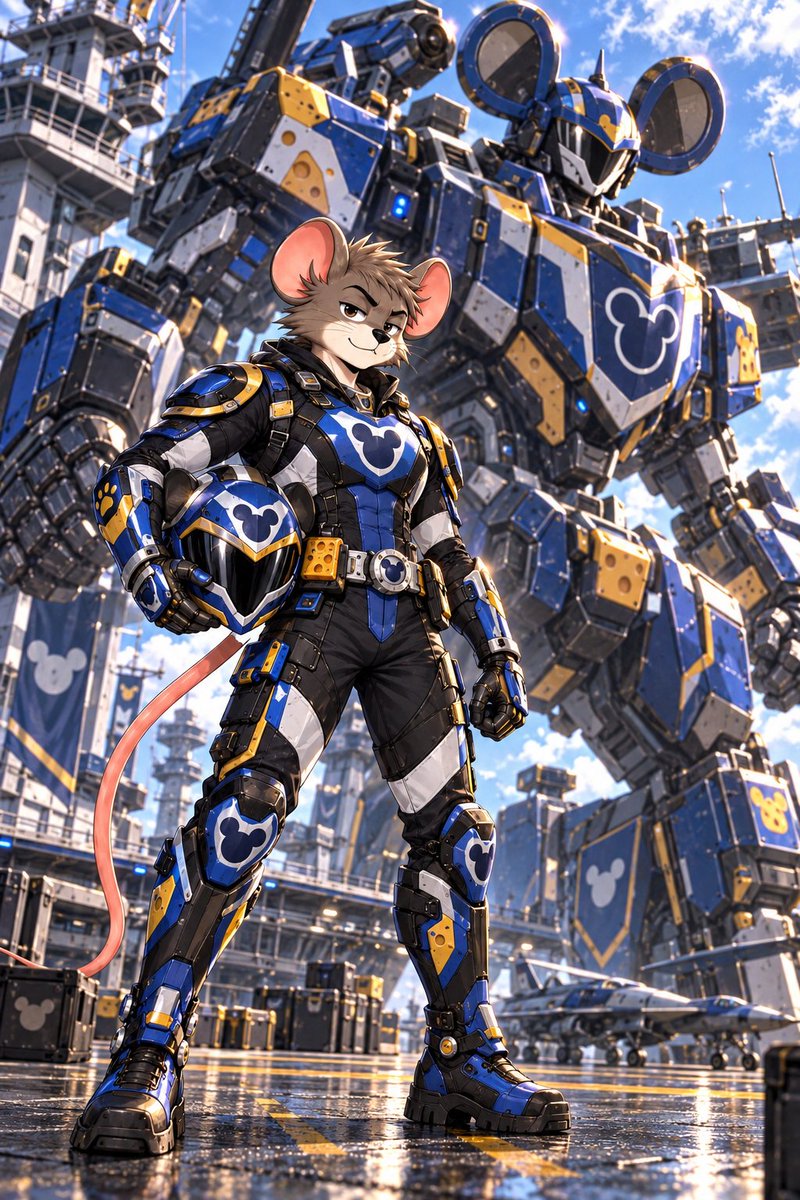
Suit up your OC give them a signature colored suit, a personalized emblem and a massive Zord inspired by their character🤖
Prompt in the comments ⬇️
#SentaiSaturday#Rascals