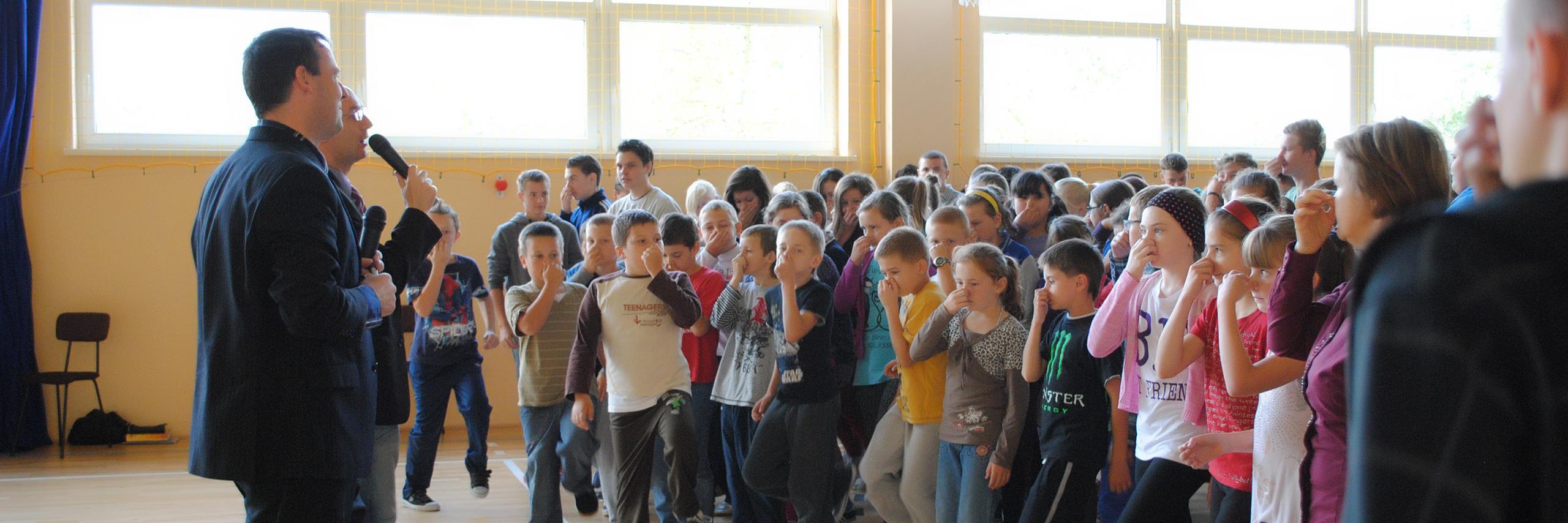
Is nasal breathing our first line of defense against Covid19? The primary defense to airborne viruses is in the nose and not the mouth, and breathing through the nose can support the body’s natural resistance to infection. Learn more here: https://t.co/MW1lBVBgPk
There is significant evidence that mouth breathing influences the way the face, jaws, and upper airways develop - which is one reason why research in this area is heavily weighted towards children. #buteykoclinic
Panic disorder is often characterized by feelings of breathlessness and fear of suffocation. People with panic disorder often have a strong sensitivity to the accumulation of CO2, and the feeling of suffocation can be alleviated by normalizing breathing patterns.
#buteykoclinic
To reduce nasal snoring, breathe only through your nose during the day, and practise Breathe Light to improve your BOLT score to at least 20 sec. For many, this is enough to stop nasal snoring.
#buteykoclinic
Breathing from the diaphragm will accomplish many things:
1. Slow respiration
2. Calm the mind
3. Draw air deep into the lungs
4. Improve gas exchange
5. Support functional breathing for functional movement
#buteykoclinic
Observing your own breathing habits is a worthwhile exercise. Find a quiet place to sit calmly for a few minutes, and follow the movements of your breathing:
- Are you breathing through your nose or mouth?
- Is your breathing abdominal or from the upper chest?
- How big is the "wave" of each breath?
- As soon as your breath out, do you need to breathe back in immediately?
- Is it easy for you to see the movements of your breathing?
There is significant evidence that mouth breathing influences the way the face, jaws & upper airways develop. Mouth breathing in childhood can result in poor development of the airways and contribute to habitual mouth breathing later in life. #buteykoclinic
Snoring occurs when a large volume of air passes through a narrow space, causing turbulence. Here are 2 reasons this happens: either the snorer is breathing too hard during sleep, or the upper airway - nose, mouth and throat - are too narrow.
What causes snoring?
Snoring occurs when a large volume of air passes through a narrow space, causing turbulence in the nose, mouth, or back of throat.
#buteykoclinic#buteykobreathing
A breathing pattern disorder, or dysfunctional breathing, is a condition in which breathing is problematic and produces symptoms such as breathlessness.
Does counting sheep help?
If you struggle to get to sleep, practise Breathe Light exercises during the day and just before you intend to sleep. Use MyoTape to ensure nasal breathing during sleep. #buteykoclinic#buteykobreathing
The average adults needs at least seven hours sleep every night. People who consistently get too little sleep are more likely to be obese, and physically inactive, to smoke, or to suffer with heart disease, depression or asthma or other disorders.
Nasal breathing performs at least 30 functions on behalf of the body. One of the most important of these is oxygenating the blood, organs, and cells.
#buteykoclinic#buteykobreathing
Breathing from the diaphragm accomplishes several things:
1. Slow respiration
2. Calm the mind
3. Draw air deep into the lungs
4. improve gas exchange
5. Support functional breathing for functional movement.
#buteykoclinic