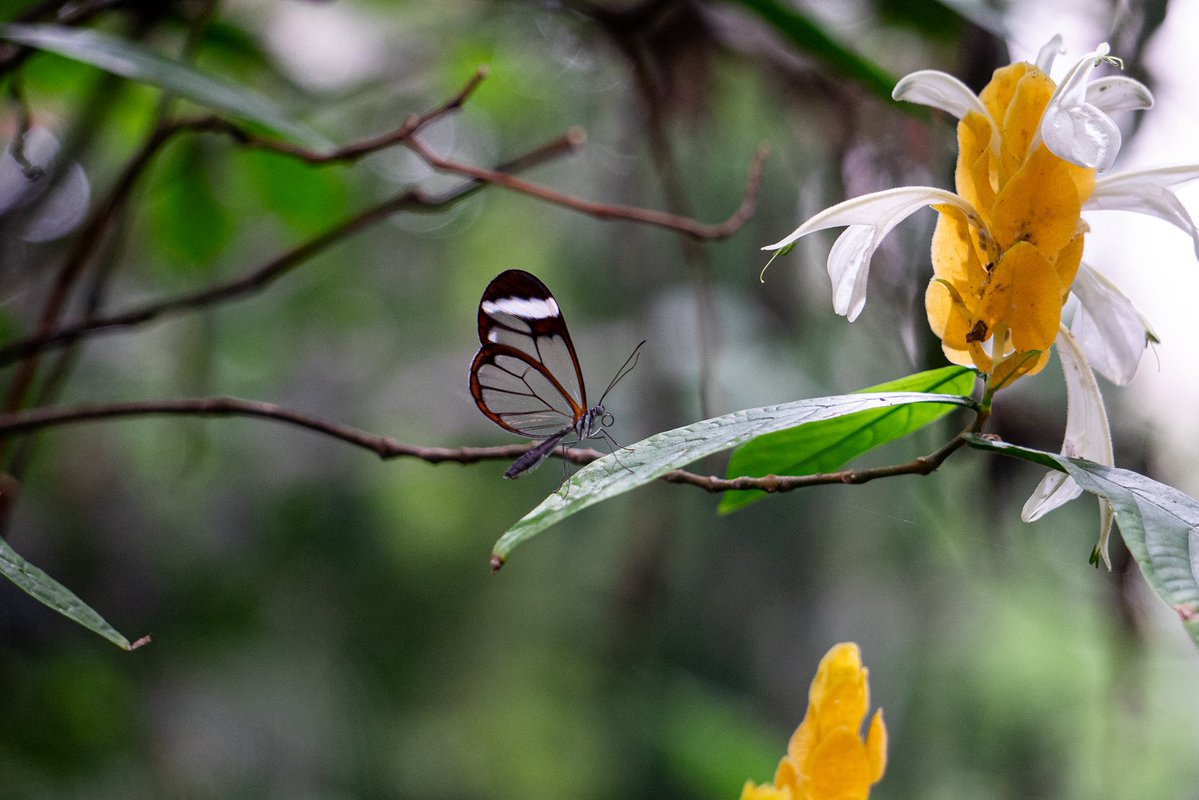
I'll be posting about butterflies every day or sometimes twice a day.
I'll always try to include proper photo credits and share where the picture came from.
Hopefully, this page will educate both you and me about these beautiful creatures. please look forward to it. thank you
special fact: looks like a peach gummy. pink and yellow fluff, feathery antennae. one brood in the north, two or three in the south. pupa winters in soil under the same tree
Same family as luna and io moths. Adults live only a few days to mate.
moth monday: rosy maple moth
(dryocampa rubicunda)
> first discovered: named by johan christian fabricius in 1793
> found in: eastern north america nova scotia and ontario to florida, the gulf coast and east texas
> habitat: deciduous forest and yards with maples
> eats: larvae (green-striped mapleworm) on red, sugar and silver maple, sometimes turkey oak; adults do not feed
> status: natureserve g5 / globally secure; some saturniid decline from the introduced fly compsilura concinnata
special fact: first butterfly protected by law (german emperor wilhelm i). white wings with black spots and red eyespots. eggs overwinter. one brood a year
butterfly of the day: apollo
(parnassius apollo)
> first discovered: named by carl linnaeus in 1758
> found in: mountains of europe (spain and scandinavia through the alps and balkans) and parts of asia; gone from some countries
> habitat: sunny rocky slopes and alpine meadows
> eats: larvae on stonecrop and houseleek (sedum, hylotelephium, sempervivum); adults nectar on thistles and other flowers
> status: iucn least concern globally but still cites appendix ii and eu habitats directive annex iv; many local populations are thin
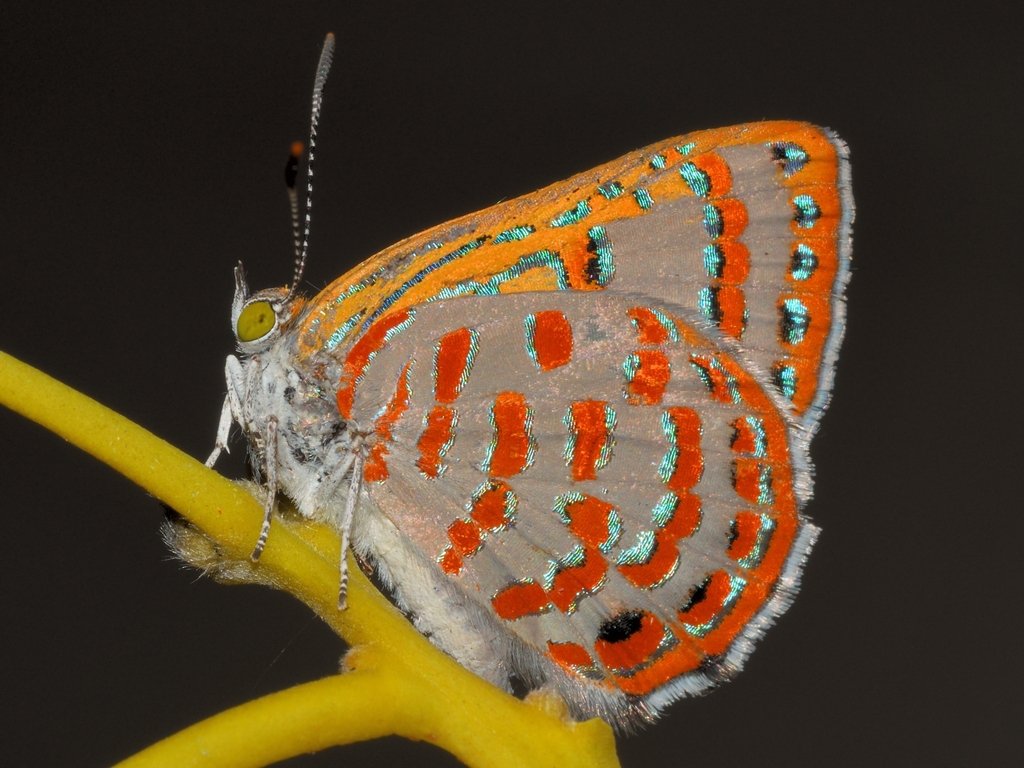
special fact: a jewel underside is fiery orange-red with metallic spots. caterpillars hide in the ant nest by day; ants walk them to new shoots at night. males hill-top
butterfly of the day: fiery jewel
(hypochrysops ignitus erythrina)
> first discovered: species named by leach in 1814
> found in: coastal and near-coastal australia and s. new guinea; erythrina is n. western australia and the northern territory
> habitat: open dry to semi-dry forest, woodland and heath
> eats: larvae on many plants (acacia, eucalyptus, jacksonia, brachyloma and others); adults take nectar. larvae live with coconut ants (papyrius)
> status: iucn least concern
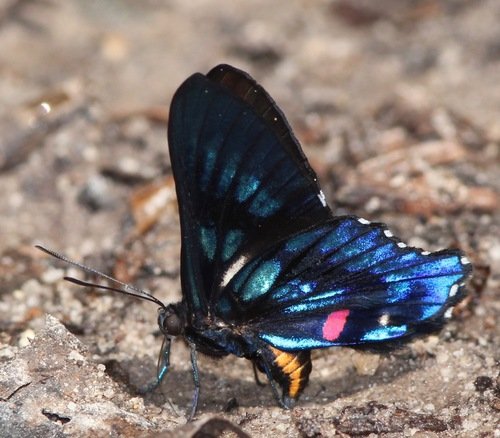
special fact: a metalmark (riodinidae), not a hairstreak. black with a sharp red line; male underside flashes metallic blue-green. short “sword” tail. also called redline doctor
butterfly of the day: meliboeus swordtail
(ancyluris meliboeus)
> first discovered: named by johan christian fabricius in 1777(as papilio meliboeus)
> found in: amazon and andes foothills suriname, brazil, colombia, peru, bolivia
> habitat: lowland and mid elevation rainforest
eats: larvae of the genus use melastomataceae (miconia) and euphorbiaceae (hyeronima); adults nectar and males puddle on wet ground and dung
> status: not formally iucn-listed
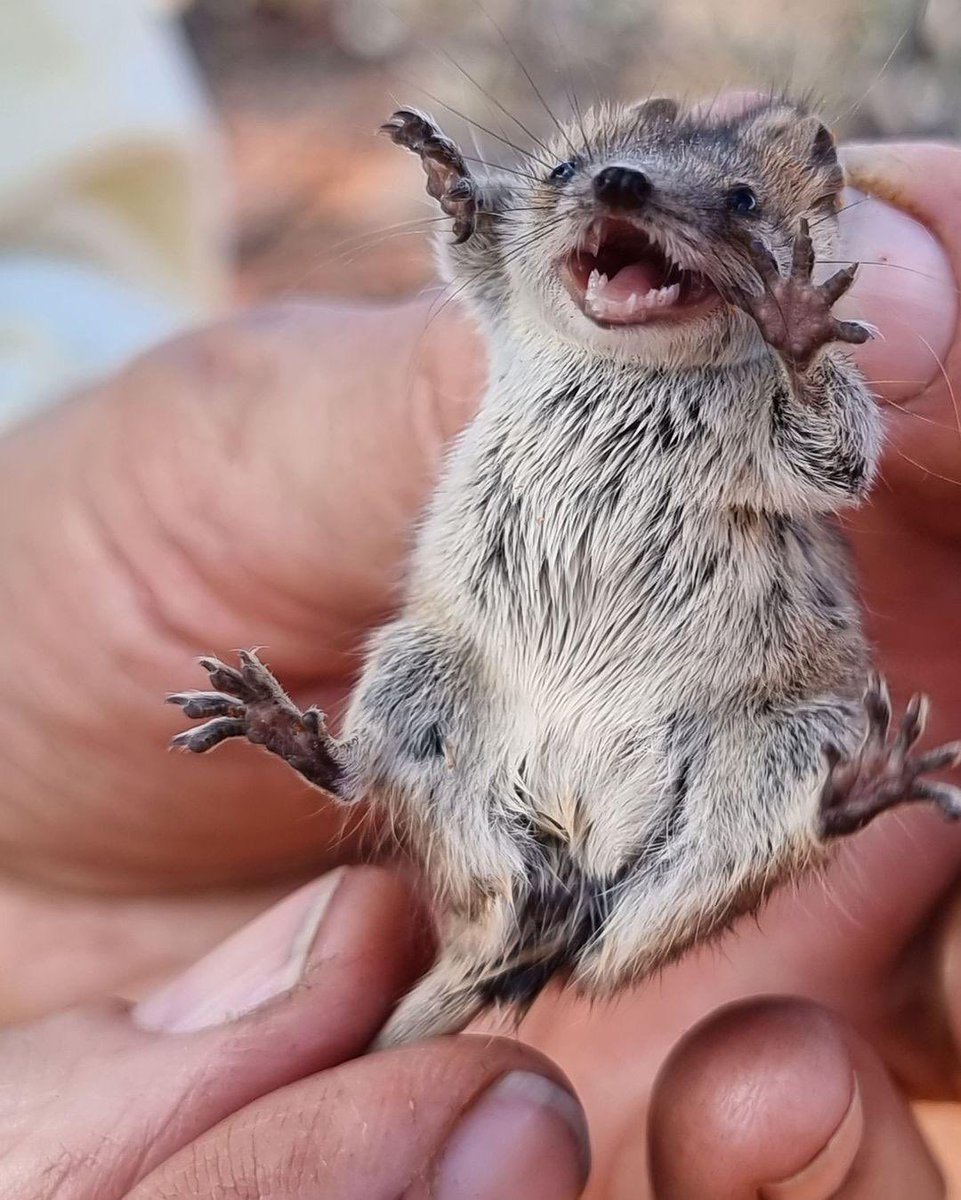
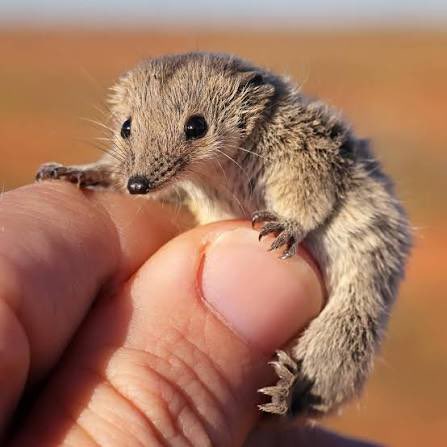
Animal of the Day:
Second-Look Saturday!
Planigale!
It’s our very first SLS and the first time I’ve ever repeated an animal.
When I first started the AotD journey, I had fewer followers and these posts were shorter and lazier. The initial plan was to post a picture…
> eats: larvae thought to use sapotaceae trees (pouteria and kin, as in other evenus); adult food poorly recorded
> status: not formally iucn-listed; local and scarce in much of central america
butterfly of the day: crowned hairstreak
(evenus coronata)
> first discovered: described by william c. hewitson in 1865 (as thecla coronata)
> found in: s. mexico through central america to colombia, ecuador and n. peru
> habitat: humid premontane and cloud forest
🚨 BONUS MAMMAL 🚨
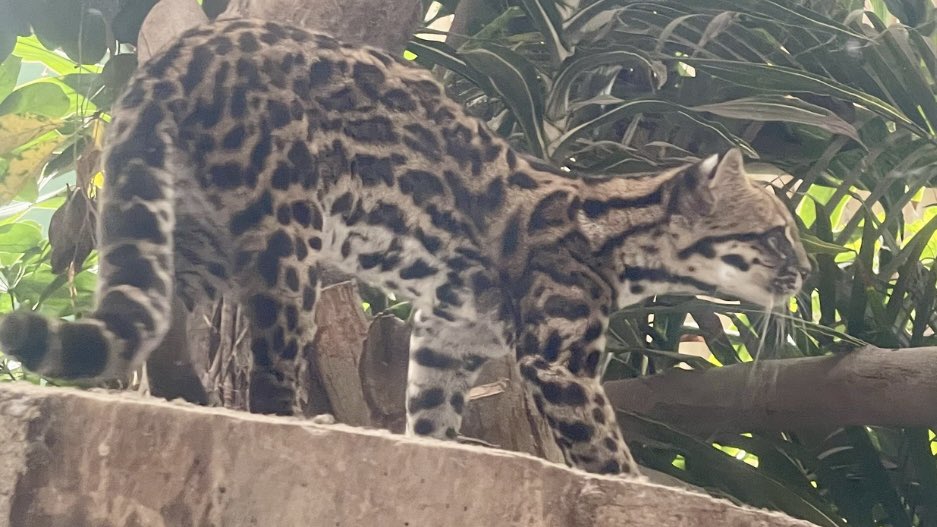
scientists announced a second new tiger cat this week, the antisuyo tiger cat (leopardus tigrinus antisuyo)
> found in: peru
> habitat: yungas cloud forest
> eats: not yet studied
> status: not yet assessed
📸: Paola Nogales-Ascarrunz
Buprestis octoguttata — Eight-spotted Jewel Beetle
Size: ~11 mm
Diet: Larvae bore in dead/dying pine wood; adults active on sun-exposed trunks
Region: Europe to Siberia
Credit: John Hallmen
> eats: larvae on acanthus-family plants (asystasia, isoglossa, brillantaisia, justicia); adults take flowers; males sometimes puddle
> status: least concern
special fact: open wings flash pearly green-white with pink and purple. closed, it looks like a dead leaf
butterfly of the day: mother of pearl
(protogoniomorpha parhassus/salamis parhassus)
> first discovered: described by dru drury in 1782 (as papilio parhassus)
> found in: forested sub-saharan africa
> habitat: lowland forest, woodland and edges, often near streams and roads