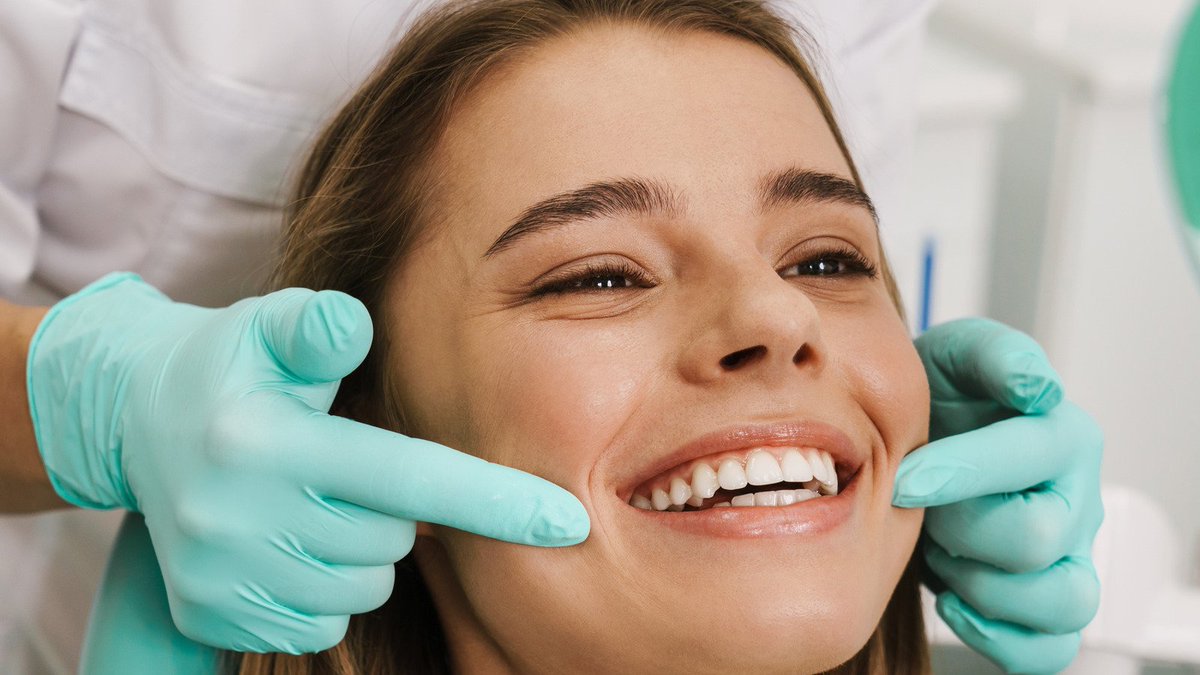
And what happens if you don’t get regular teeth cleaning? Plaque builds up while doing only at home cleaning. Eventually, tartar -the calcium along the gums – forms. And your tooth decay accelerates. You could develop gingivitis, tooth loss, higher risk of heart illness.
Tooth cleaning at our office is superior to at home dental cleaning. At home, brush your teeth twice a day and floss at least once. Regular dental cleaning involves professional work.
Your teeth are like your fingerprint: They’re uniquely yours. This is why dental records are sometimes used to identify human remains. Even identical twins don’t have identical teeth. Bonus fact: Your tongue also has a unique “tongue print.”
Dental care has advanced since then, and we’ve now got many different tools at our disposal to help us take care of our teeth. Knowing a little more about them and how your behaviors affect your dental health can help you take better care, and keep you smiling.
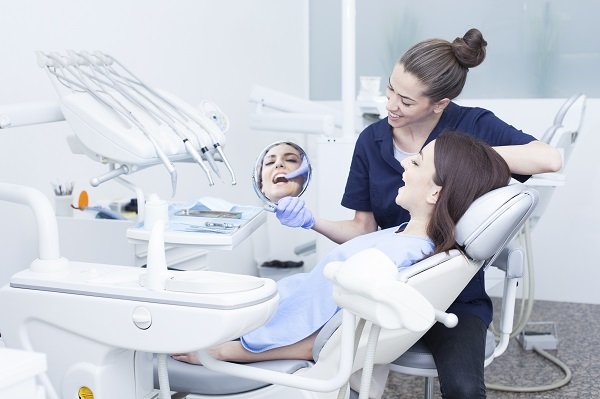
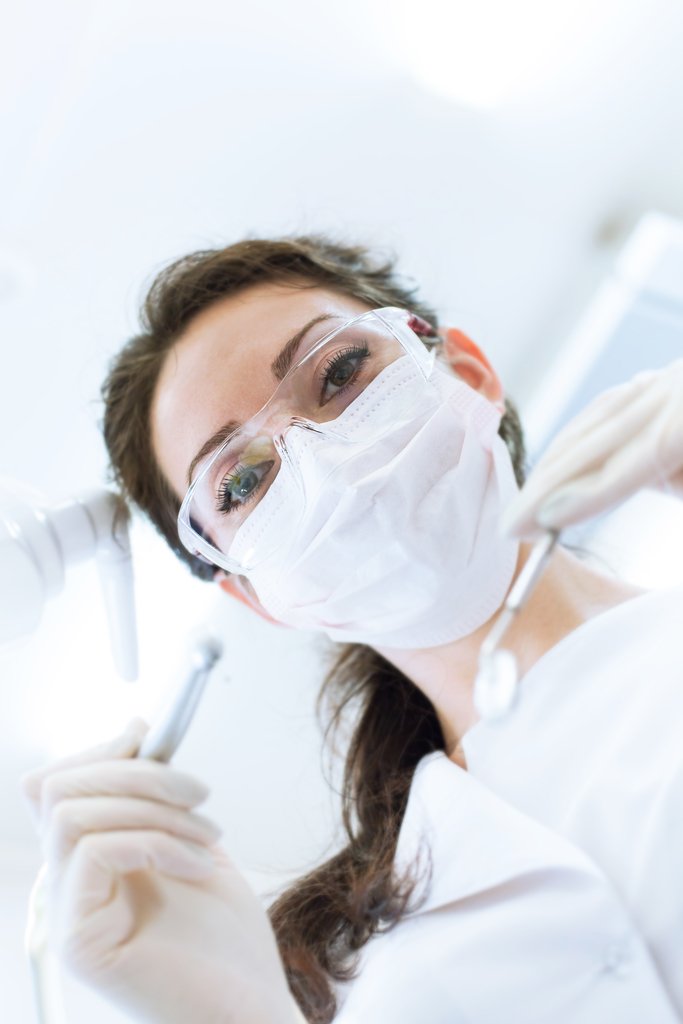
Your own everyday habits are crucial to your overall oral health. Still, even the most dutiful brushers and flossers need to see a dentist regularly. At minimum, you should see your dentist for cleanings and checkups twice a year.
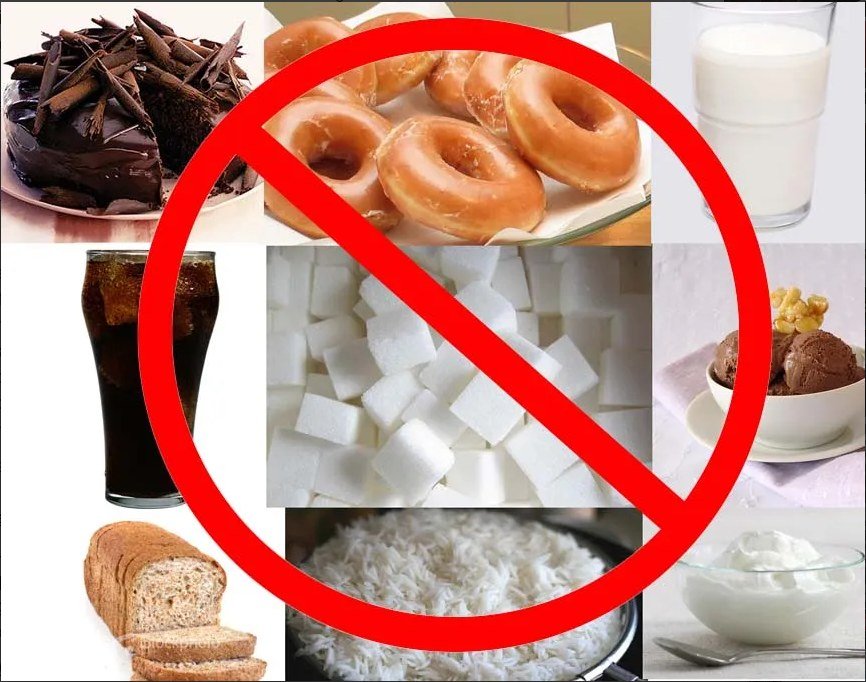
Sugar converts into acid in the mouth, which can then erode the enamel of your teeth. These acids are what lead to cavities. Acidic fruits, teas, and coffee can also wear down tooth enamel.
Ready-to-eat foods are convenient, but perhaps not so much when it comes to your teeth. Eating fresh, crunchy produce not only contains more healthy fiber, but it’s also the best choice for your teeth.
Water continues to be the best beverage for your overall health — including oral health. Also, as a rule of thumb, Schwartz recommends drinking water after every meal. This can help wash out some of the negative effects of sticky and acidic foods and beverages in between brushes.
Mouthwash helps in three ways: It reduces the amount of acid in the mouth, cleans hard-to-brush areas in and around the gums, and re-mineralizes the teeth.
Treat flossing as important as brushing. Many who brush regularly neglect to floss. Flossing is not just for getting little pieces of food that may be getting stuck in between your teeth, It’s really a way to stimulate the gums, reduce plaque, and help lower inflammation.
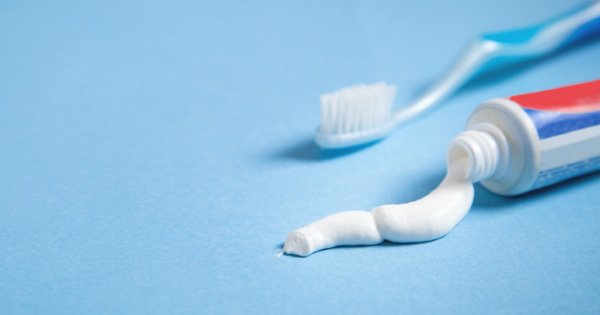
When it comes to toothpaste, there are more important elements to look for than whitening power and flavors. No matter which version you choose, make sure it contains fluoride.
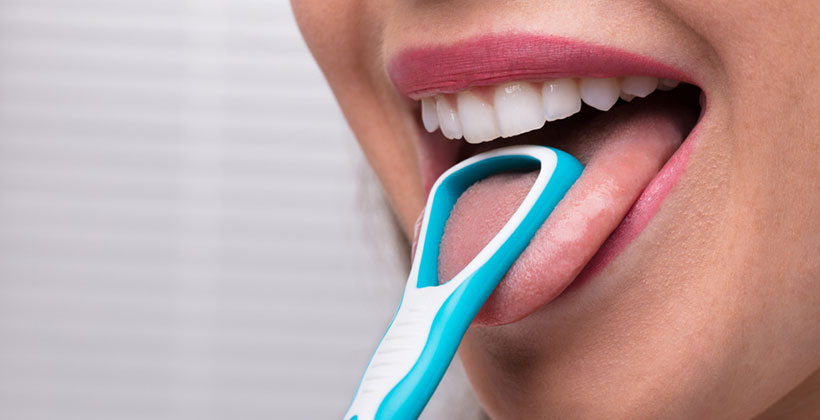
Plaque can also build up on your tongue. Not only can this lead to bad mouth odor, but it can lead to other oral health problems. Gently brush your tongue every time you brush your teeth.
The way you brush is equally important — doing a poor job of brushing your teeth is almost as bad as not brushing at all. Take your time, moving the toothbrush in gentle, circular motions to remove plaque. Unremoved plaque can harden, leading to calculus buildup and gingivitis
Don’t go to bed without brushing your teeth
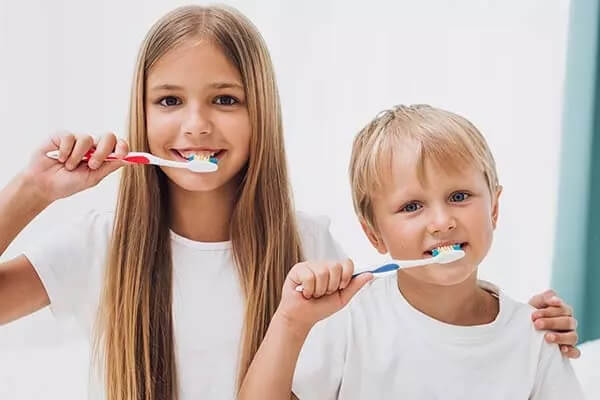
It’s no secret that the general recommendation is to brush at least twice a day. Many of us continue to neglect brushing our teeth at night. But brushing before bed gets rid of the germs and plaque that accumulate throughout the day.
Achieving healthy teeth takes a lifetime of care. Even if you have nice teeth, it’s crucial to take the right steps every day to take care of them and prevent problems. This involves getting the right oral care products, as well as being mindful of your habits.
Signs of Healthy Teeth and Gums
Firm, Pink Gums and Dental Tissue. You might spend so much time thinking about your teeth that you forget to pay attention to your gums. ...
Sturdy Teeth and Dental Restorations. ...
Neutral-Smelling Breath. ...
No Blood When Brushing or Flossing.
Some of the best foods for healthy teeth are fresh fruits and veggies because of their high nutritional value and added teeth cleaning benefits. Then, there’s calcium-rich foods, such as low-fat or fat-free milk, yogurt and cheese that help promote strong teeth and bones.
Eating a variety of nutrient-rich foods from all the food groups promotes healthy teeth and gums. This means maintain a balanced diet of fruits, vegetables, protein foods, calcium-rich foods and whole grains for a healthy smile as well as a healthy body.
The difference between a healthy smile and frequent visits to the dentist has a lot to do with your diet. Even with a good oral hygiene routine (brushing twice a day, flossing once a day), it can still be hard to keep your teeth healthy over the long term.