@fmrib_karla "Margins too wide, line spacing too big."
Sorry, old HSLMC in-joke. This was usually the ONLY comments on the first draft of a paper when given to our prof for proofreading.
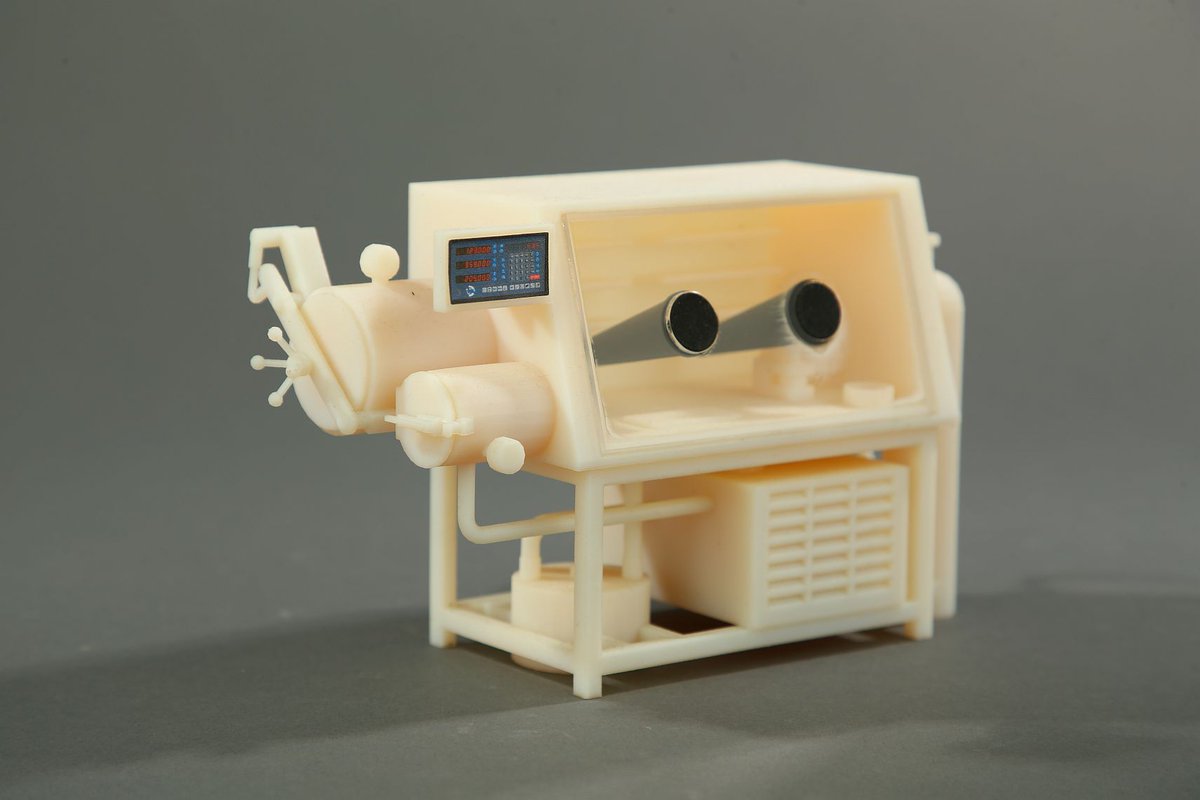
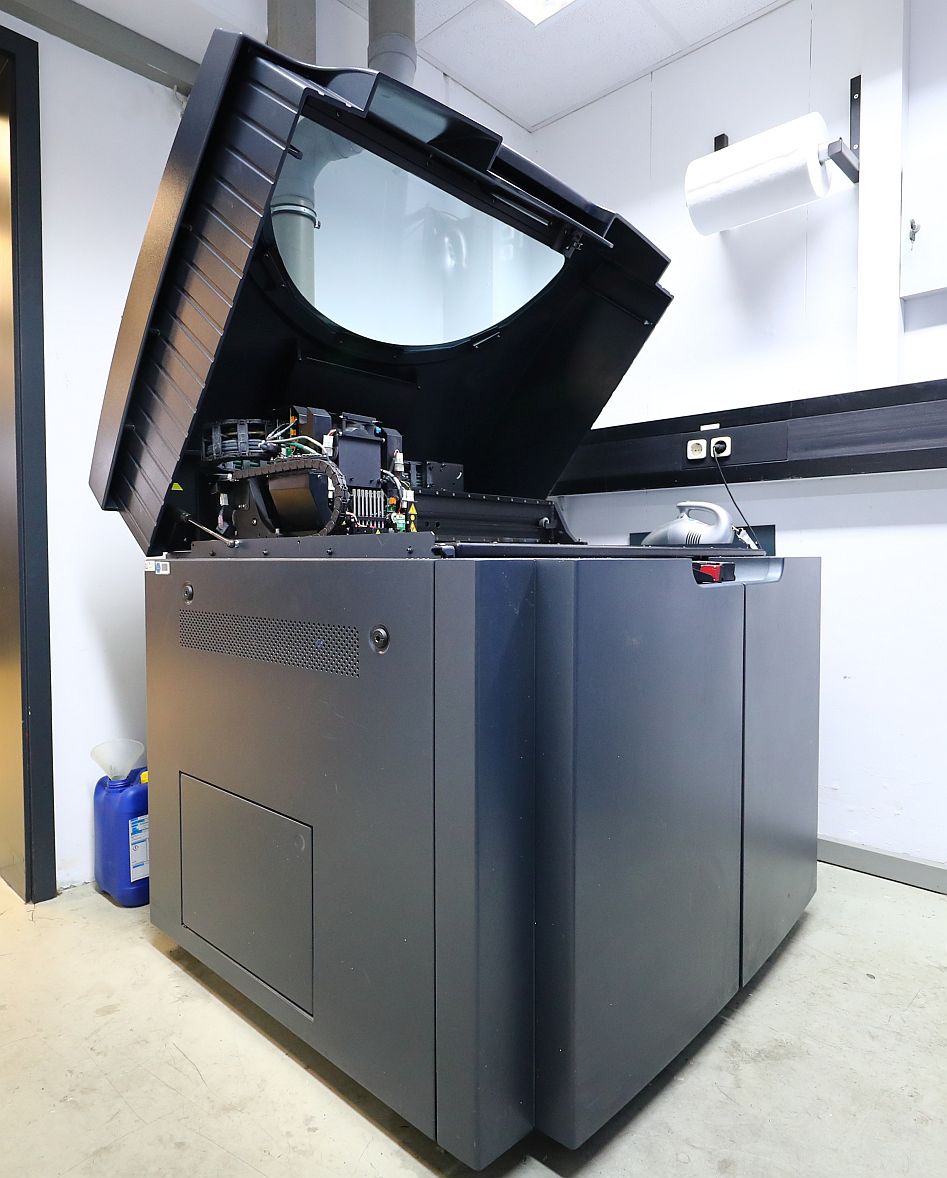
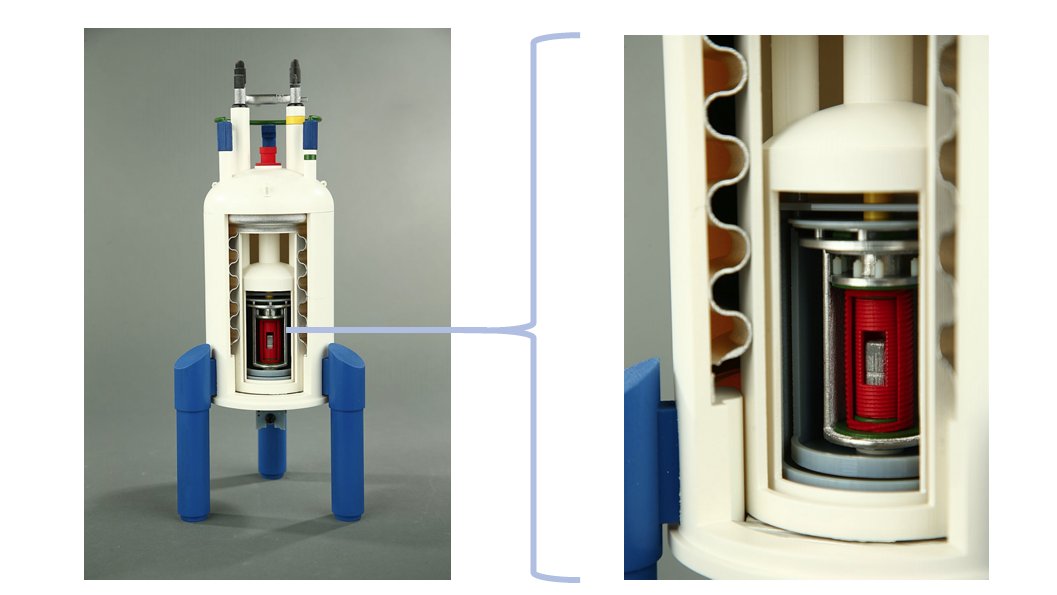
Some more nice equipment @fzj_zea2: unique to @fz_juelich, we have a 3D printer from @Stratasys with a very high accuracy of 200µm. Several materials can be used at the same time with flexible colors. This allows us to quickly produce special parts or models for research.
Some more nice equipment @fzj_zea2: unique to @fz_juelich, we have a 3D printer from @Stratasys with a very high accuracy of 200µm. Several materials can be used at the same time with flexible colors. This allows us to quickly produce special parts or models for research.
And to think when I started showing that the T2* of WM was significantly affected by the orientation of the brain relative to B0, people didn't believe me.
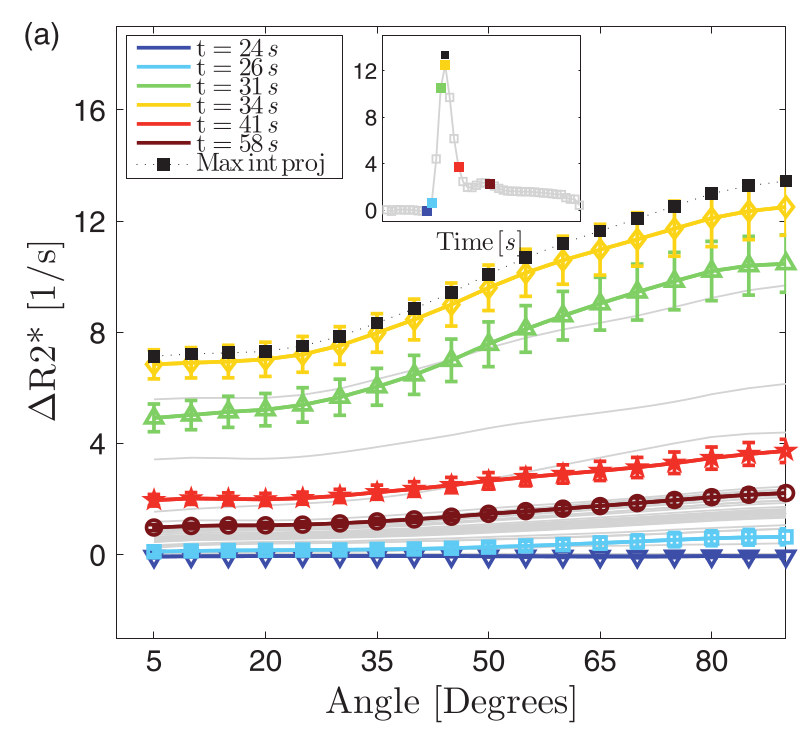
This is the effect of a paramagnetic contrast agent as a function of brain tissue orientation relative to B0 ( https://t.co/Ovr68v1IHj). Would you say this is due to a physical effect or because of anatomical differences in the vasculature across the brain?
This is the effect of a paramagnetic contrast agent as a function of brain tissue orientation relative to B0 ( https://t.co/Ovr68v1IHj). Would you say this is due to a physical effect or because of anatomical differences in the vasculature across the brain?
So if scanning is done on a central facility, to whom does the data 'belong'? Who is responsible for keeping the data available for e.g. Scientific Best Practice access? Where does GDPR fit in? Questions, questions...