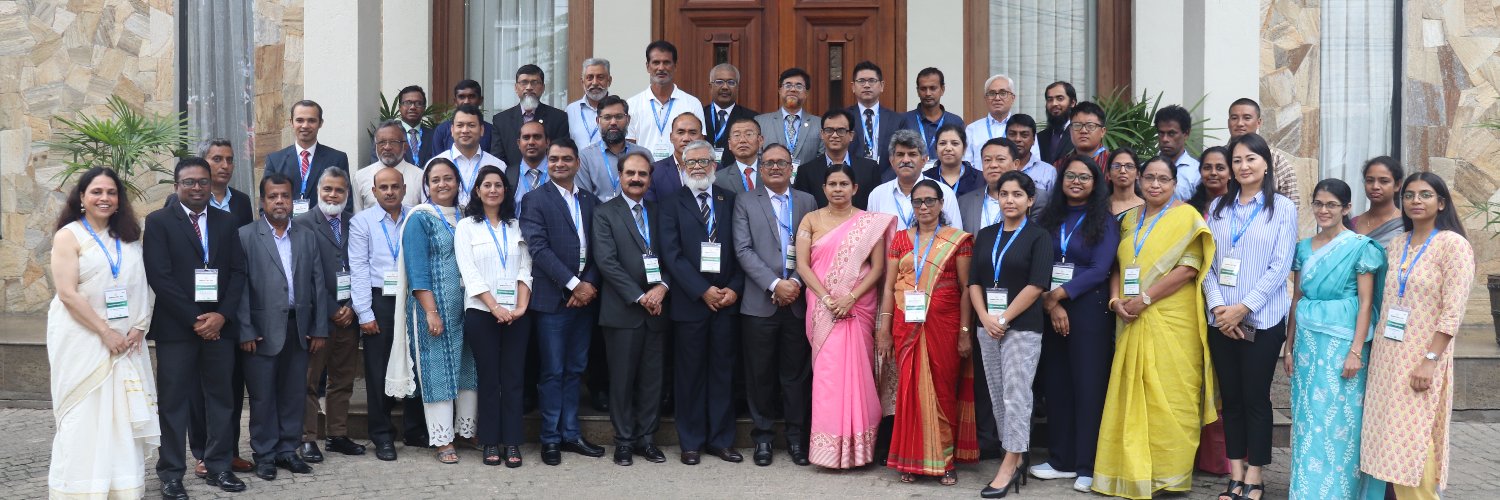
We are thrilled to share a heartwarming group photo captured with hon'ble Agriculture and Animal Welfare Minister of Maldives Dr. Aishath Rameela. It’s a great pleasure to witness the continued progress and strong partnerships within the C-SUCSeS Project!
Are you an agricultural practitioner, researcher, entrepreneur, policymaker, or farmer from the SAARC region? We invite you to connect with our facebook page liking: https://t.co/ZJiJJaYhMB
Let’s work together to scale up climate-smart agriculture for a resilient future!
C-SUCSeS bed planting technology is more than just a method; it's a movement! Farmers are experiencing increased efficiency and better harvests, leading to thriving communities. Read more:https://t.co/vLQuHZyWRi
Read an insightful article on the C-SUCES Project, #SAARCAgricultureCentre! It highlights a breakthrough in eco-friendly farming practices, tackling unique climate challenges. It's helping farmers adapt while safeguarding their livelihoods. Click on :https://t.co/dQKzs10Km4
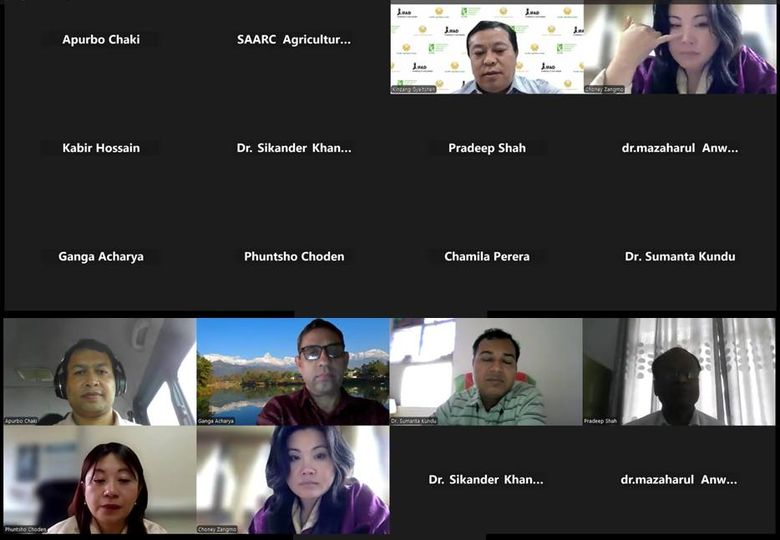
The Working Group and Content Management Committee of the C-SUCSeS project's Community of Practice met on October 17, generating valuable insights to strengthen the network. Together, we're paving the way for a sustainable agricultural future in South Asia!Asia!#CSA#SAC#SDF#IFPRI
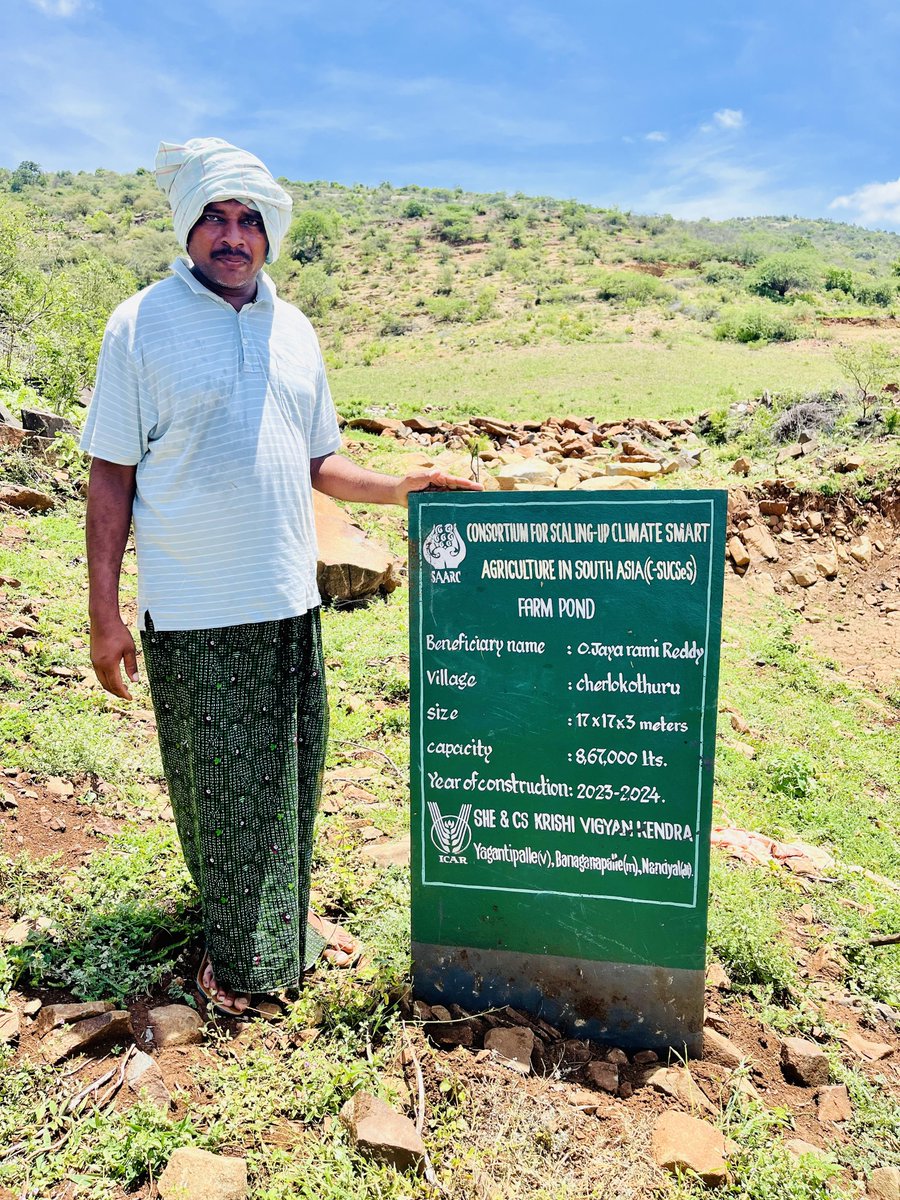
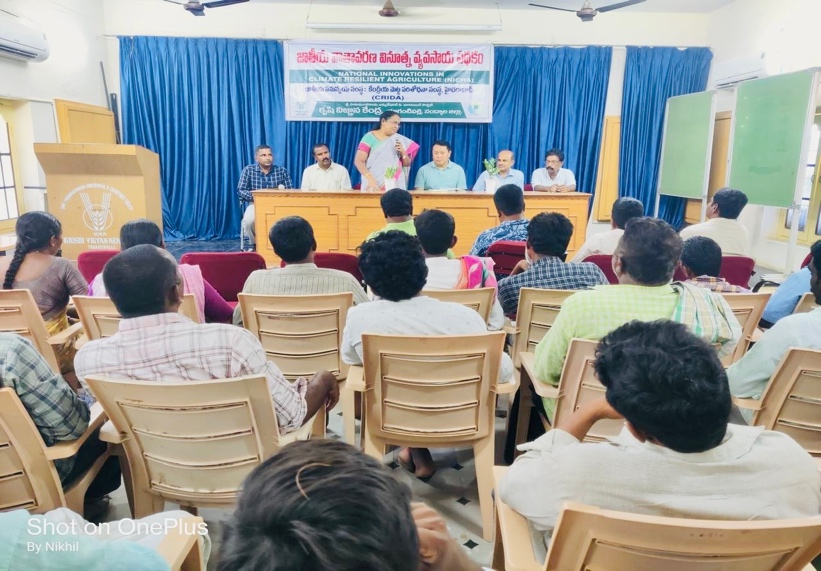
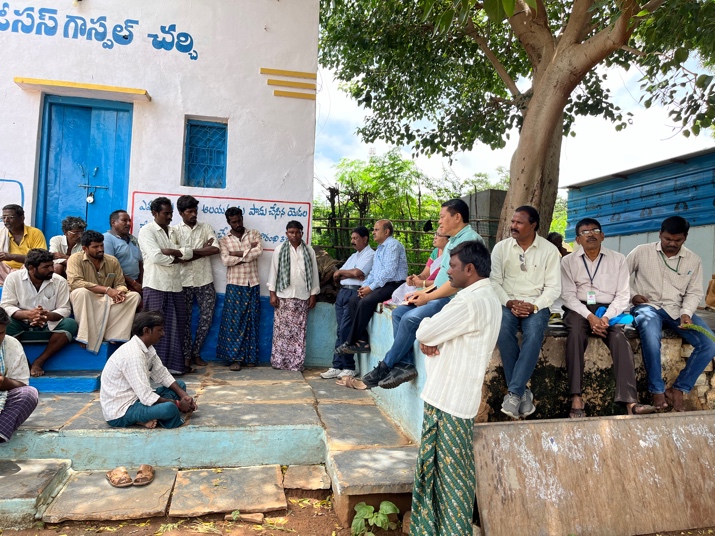
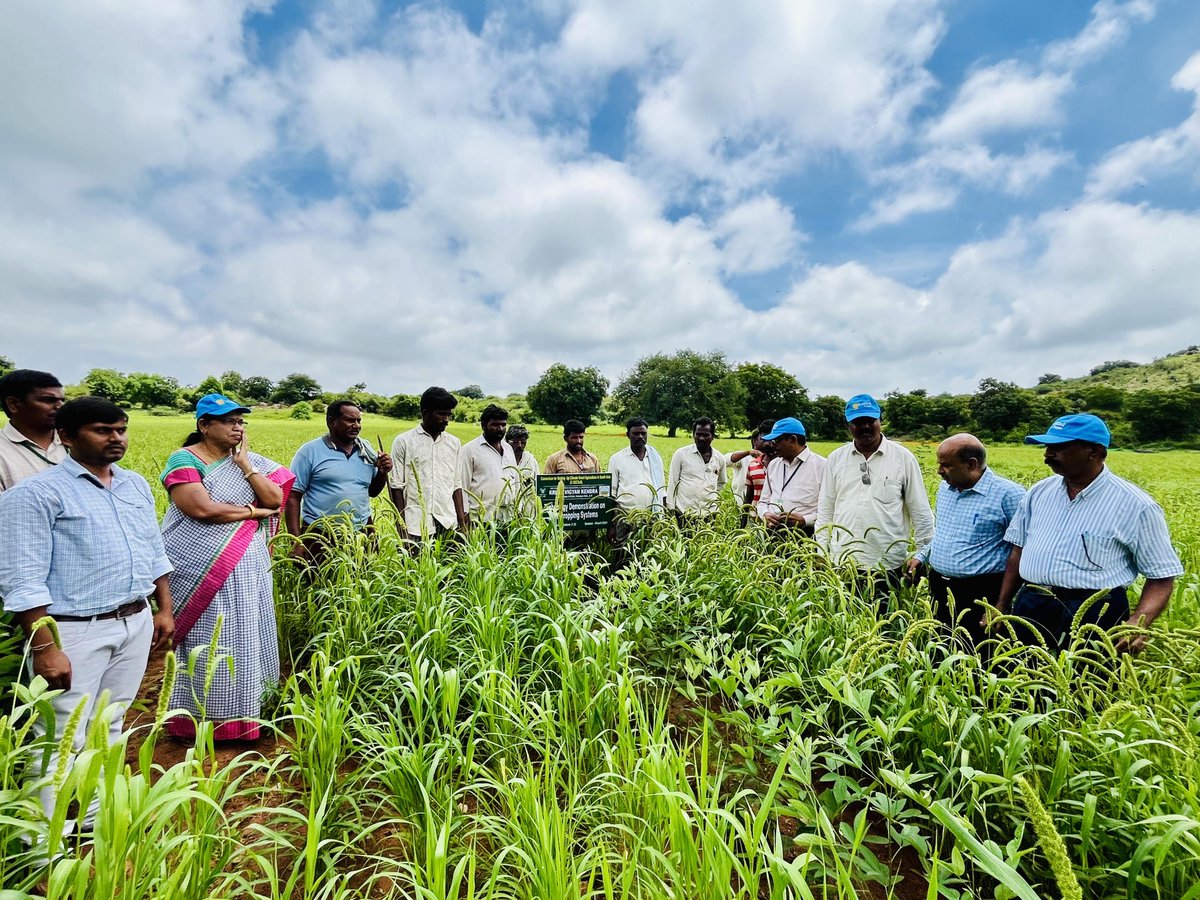
The Project Coordination Unit visited CRIDA in Hyderabad & Yagantipalle KVK in Kurnool for the 3rd year, observing climate-smart agri-tech in action! In Katikavanikunta, 100% of farmers adopted intercropping Redgram & Foxtail Millet! #ClimateSmartAgriculture#CSUCSeS
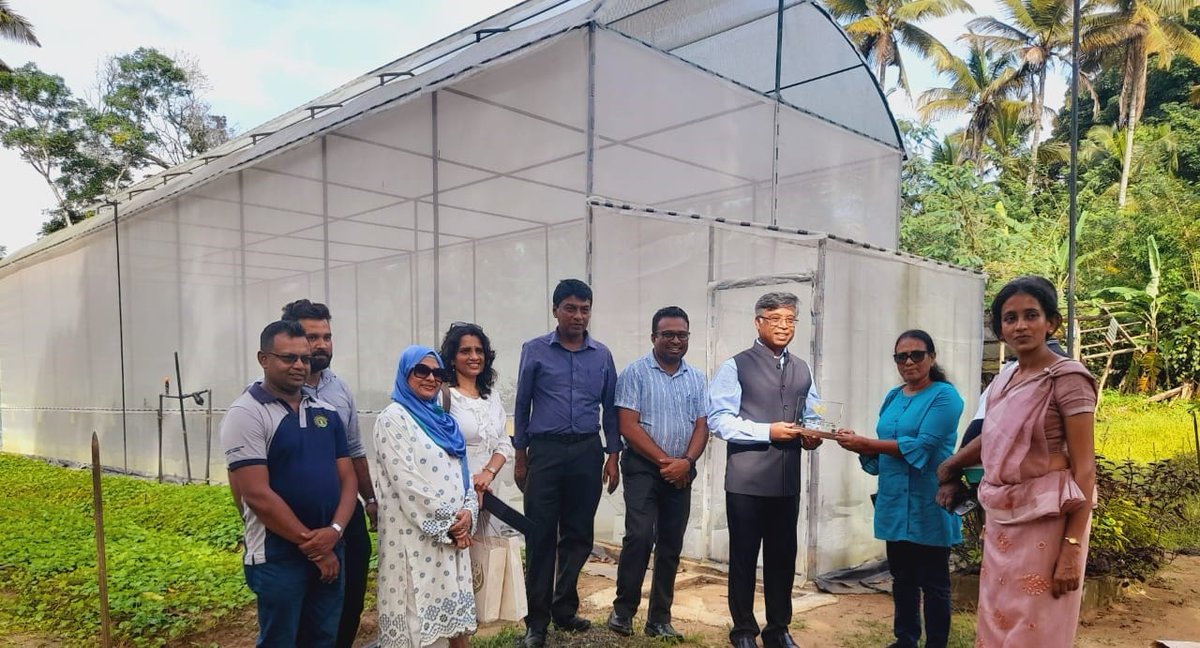
SAARC Secretary-General Md. Golam Sarwar visited C-SUCSeS Project sites in Kandy, Sri Lanka, engaging with local farmers on advanced agricultural practices. Discussions highlighted significant gains in both economic and technical aspects, underscoring the project's impact
The news of C-SUCSeS training and validation workshop has been published in a number of English newspapers and has also been broadcasted on Channel I, Channel 24, and Channel 71. Here is the Channel I news for your viewing pleasure!
We are delighted to announce the release of a new article within the Community of Practice (CoP) network, and our project website (https://t.co/RYVdsiJyiP). Thanks for your happy reading clicking the link below:https://t.co/Tqtg5MfX9x
C-SUCSeS Project is organizing a three day long training and validation workshop to finalize 10 CSA modules . The event has started today. Check out the link below for all the details: https://t.co/W9NGKJziXP
We're excited to share a new post uploaded in our Community of Practice (CoP) network! Dive in and enjoy the read. Check it out now: https://t.co/x2dnzFvX4x
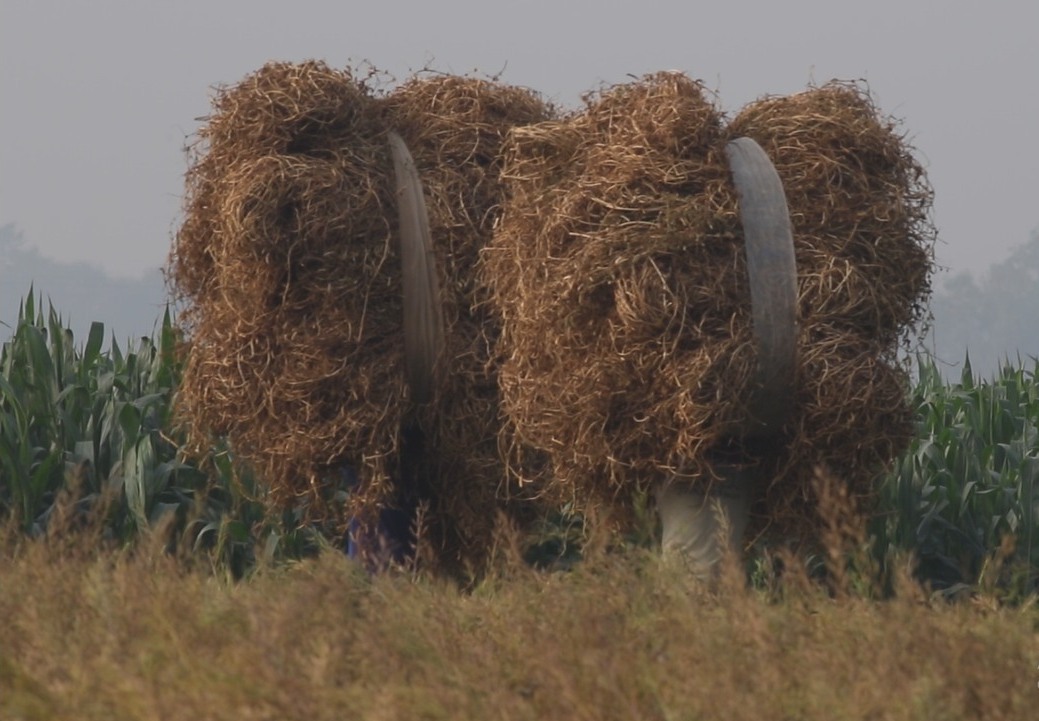
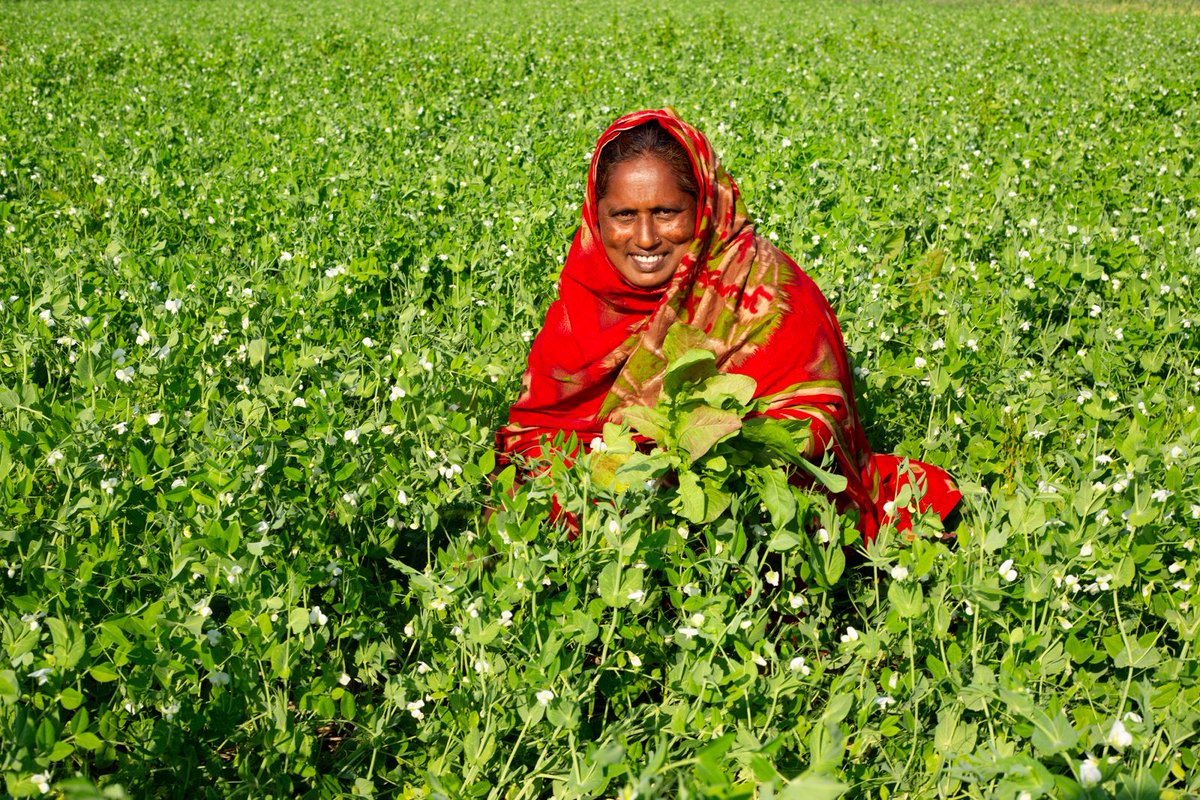
Hundreds of agricultural families in Bangladesh are now economically prosperous through the Relay Cropping Technology of C-SUCSeS Project. In the picture, you can see farmers carrying Field-pea from the fields. It's a testament to the transformative power of technology.
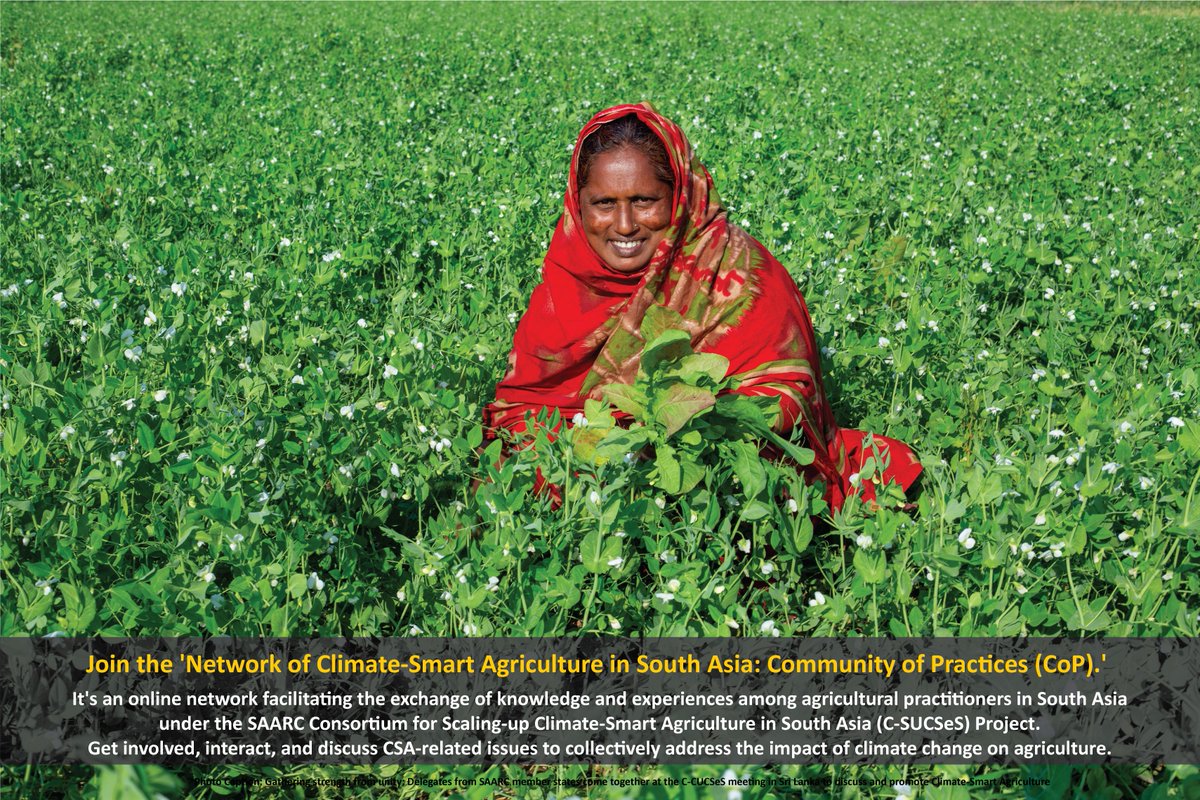
Any individual involved in agriculture across SAARC countries is encouraged to be a member of our online network clicking the link below: https://t.co/qr303lE8PY . It will enable all of us to contribute to the promotion of sustainable and CSA practices across South Asia.
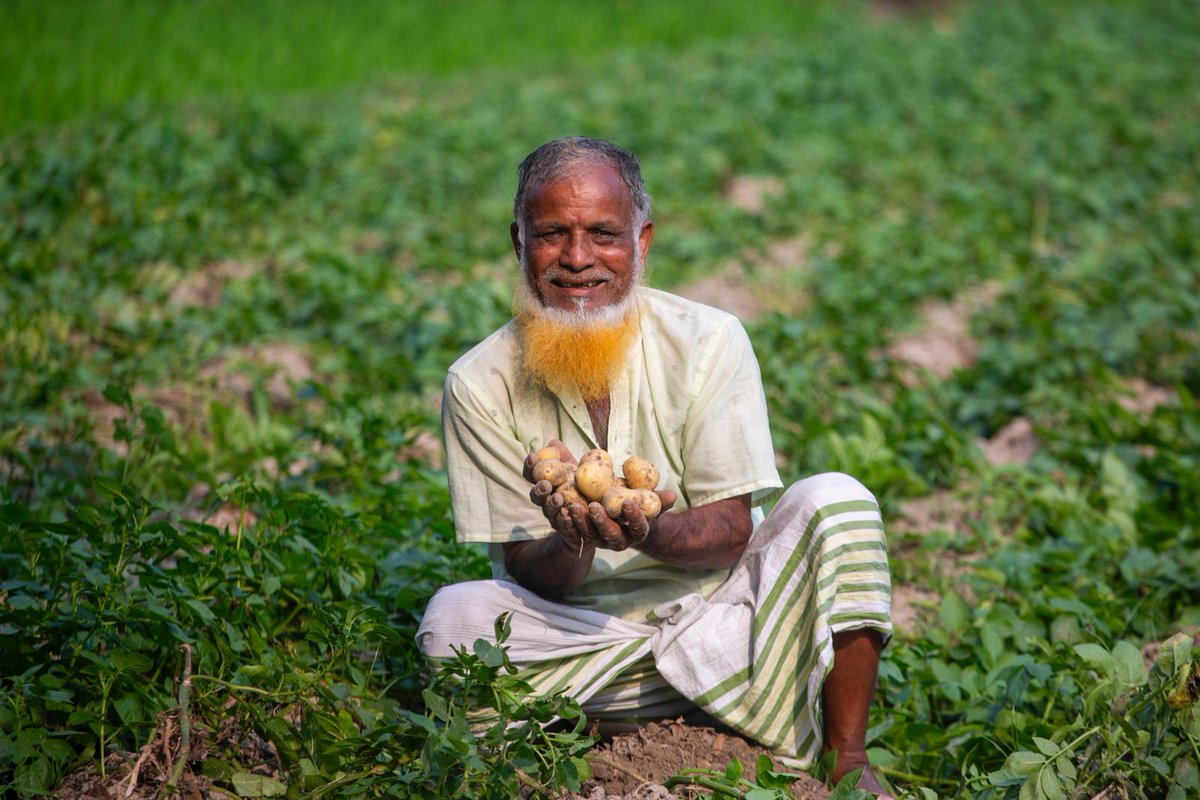
The #CSUCSeS project works to shift farmers from traditional farming practices to utilizing climate-smart agricultural technologies. Now, farmers no longer need to till their land three to four times. They can produce a quarter or more of their usual yield from just one tillage.
We are delighted to announce the release of a new article on Climate Smart Zero Tillage Garlic Technology within the Community of Practice (CoP) network of C-SUCSeS Project at the SAARC Agriculture Centre. Thanks for your happy reading : https://t.co/acGtil1a7g
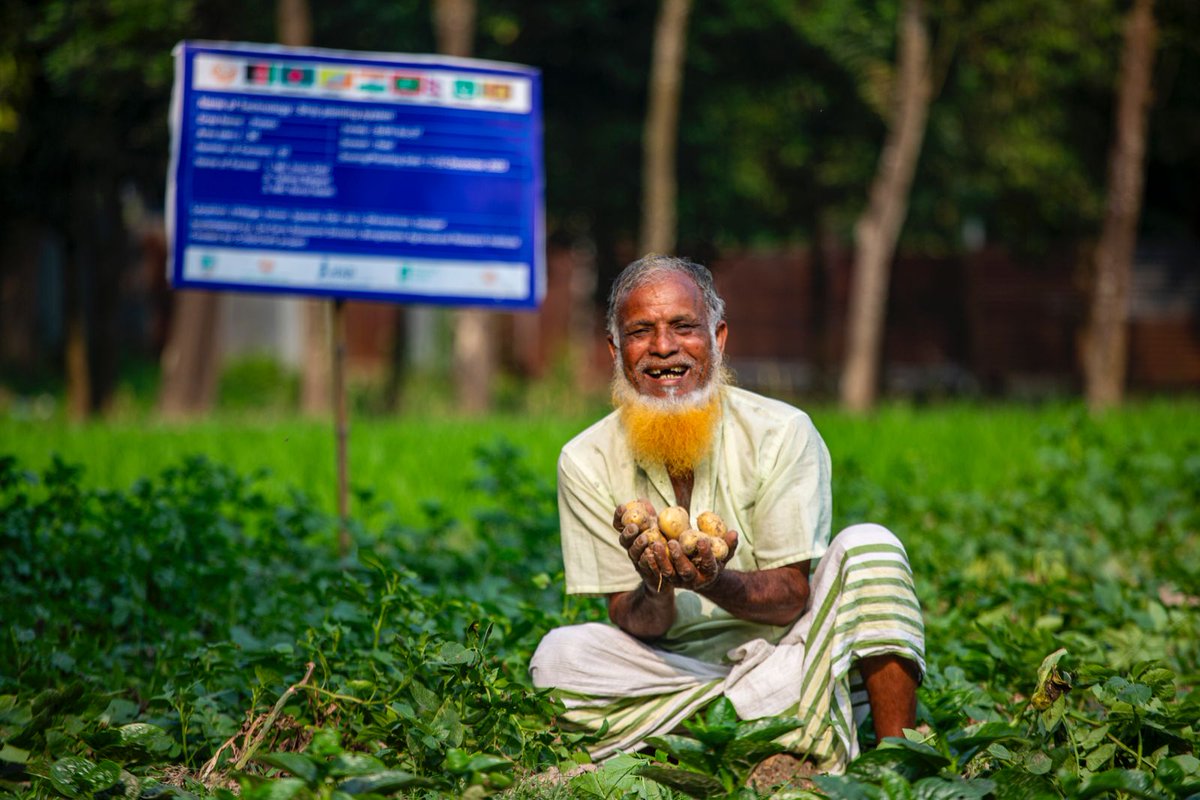
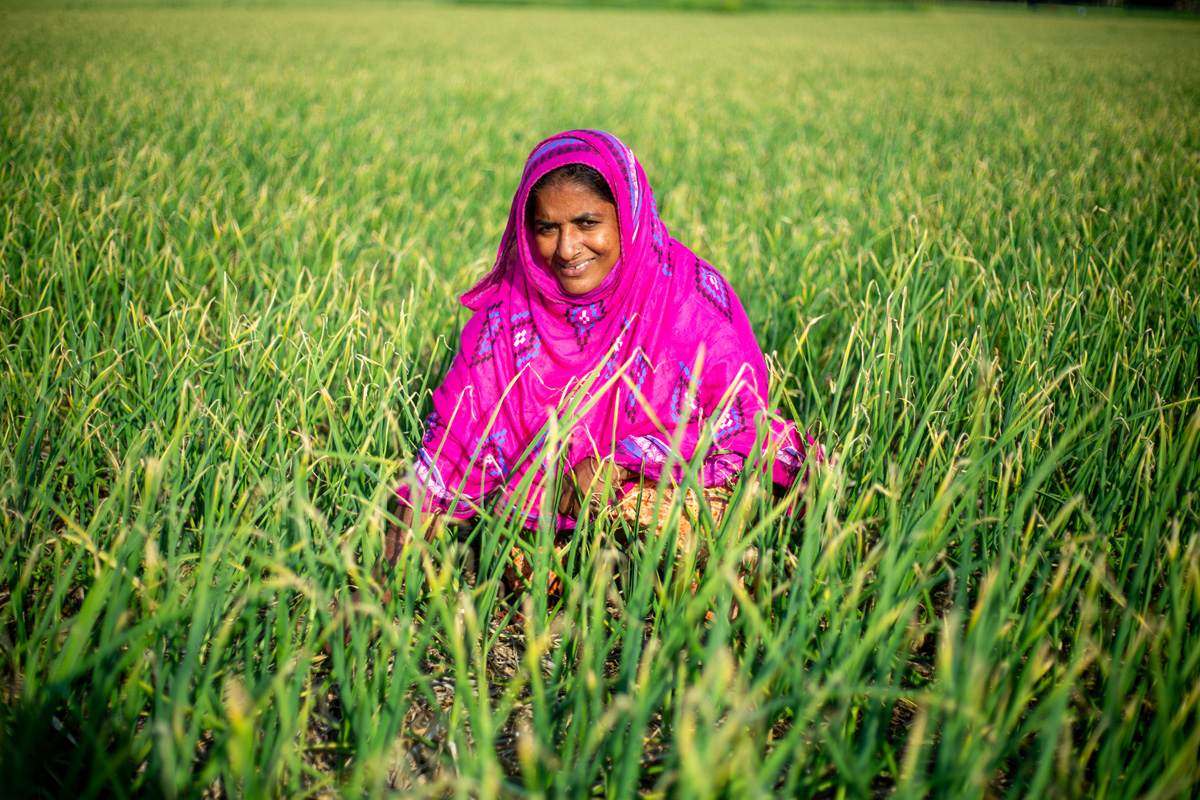
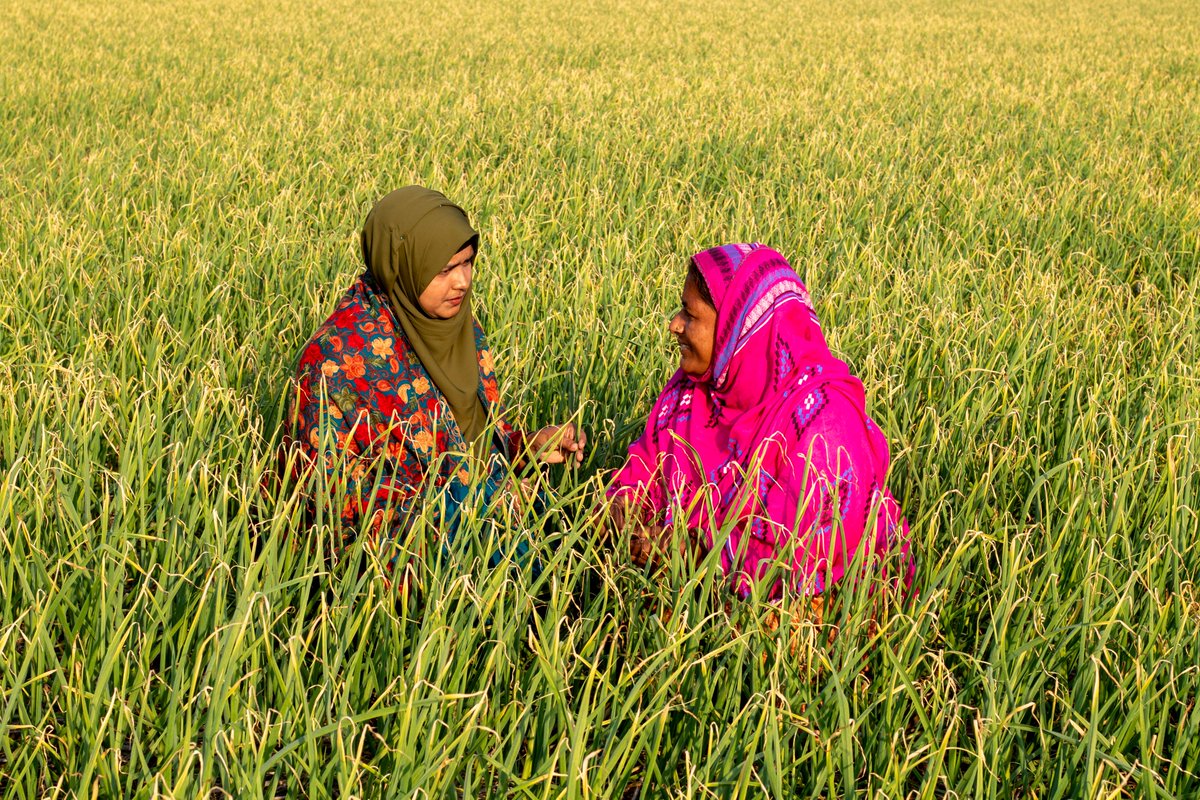
Zero tillage garlic, a CSA technology of #CSUCSeS Project, has gained widespread popularity in Pabna, Bangladesh. After the T- Aman rice crop is harvested, garlic is planted in fields with existing moisture, eliminating the need for additional cultivation.
The Climate Smart Relay Technology introduced by BARI under the C-SUCSeS project is revolutionizing farming practices in Bangladesh. Farmers are now achieving extensive crop yields without the need for extra cultivation, time, labor, or financial expenses.