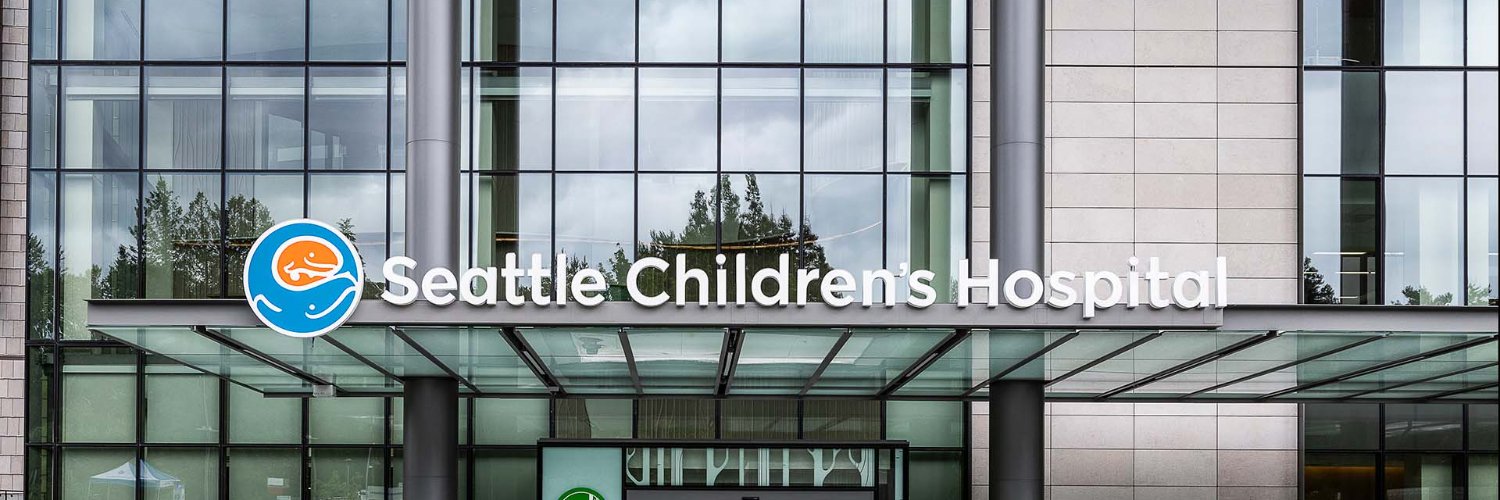
For decades, innovation has been a driving force behind better care for children and families at Seattle Children's. Building on that foundation, we're proud to launch the Institute for Pediatric Innovation, a $10 million initiative designed to accelerate the development and adoption of breakthrough solutions in pediatric healthcare. From AI and precision medicine to medical devices and therapeutics, the institute will help transform promising ideas into meaningful impact for kids.
Check out the @geekwire article here: https://t.co/4AOxEZgDdu
What does it take to turn decades of research and innovation into greater impact for children and families?
We’re building on that legacy with the launch of the Seattle Children’s Institute for Pediatric Innovation to help shape the future of pediatric care.
Learn more: https://t.co/McrA1P2fyJ
We’re proud to announce that Seattle Children’s is the first presenting sponsor of UW Women’s Athletics!
This exciting partnership brings together two organizations with a shared commitment to supporting kids and families across our community.
Through initiatives like Husky Heroes, Seattle Children’s patients have opportunities to meet UW student-athletes and enjoy memorable game-day experiences, creating meaningful connections and lasting memories.
We’re excited about what’s ahead as we come together to celebrate the strength, resilience and spirit of the kids and families we serve.
Our MAI Diagnostic system is now 1.7x more accurate than physicians in the ED, even when they have access to the web to look things up.
It's also lower cost & does fewer medical tests to get to its diagnosis.
Published in the journal Science today...
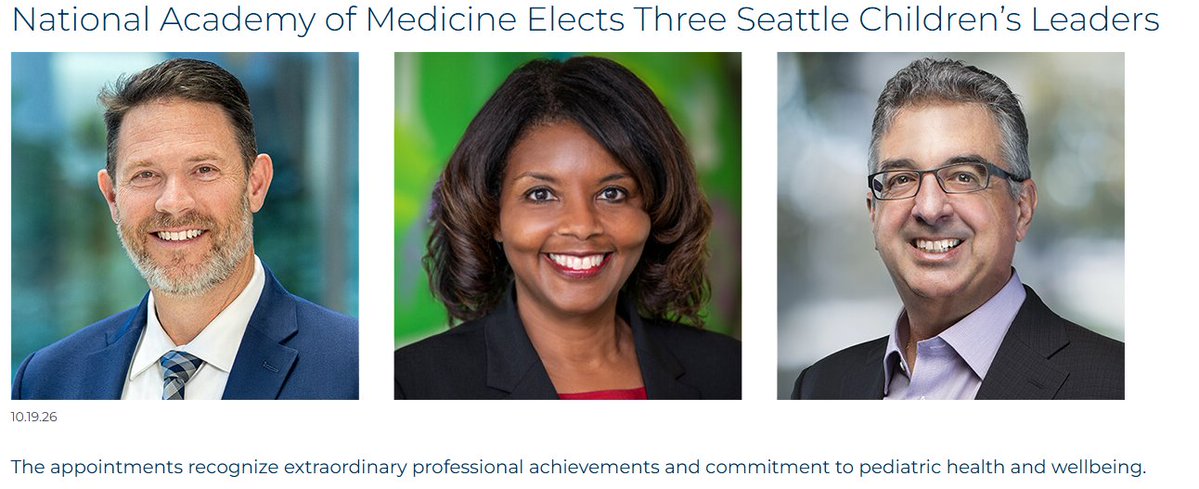
Humbled to join the National Academy of Medicine. Election to NAM is one of the highest honors in our field, and I’m grateful for the many colleagues and mentors who made it possible. Many thanks to @mandl and @peteratmsr for the nomination - excited to advance care together!
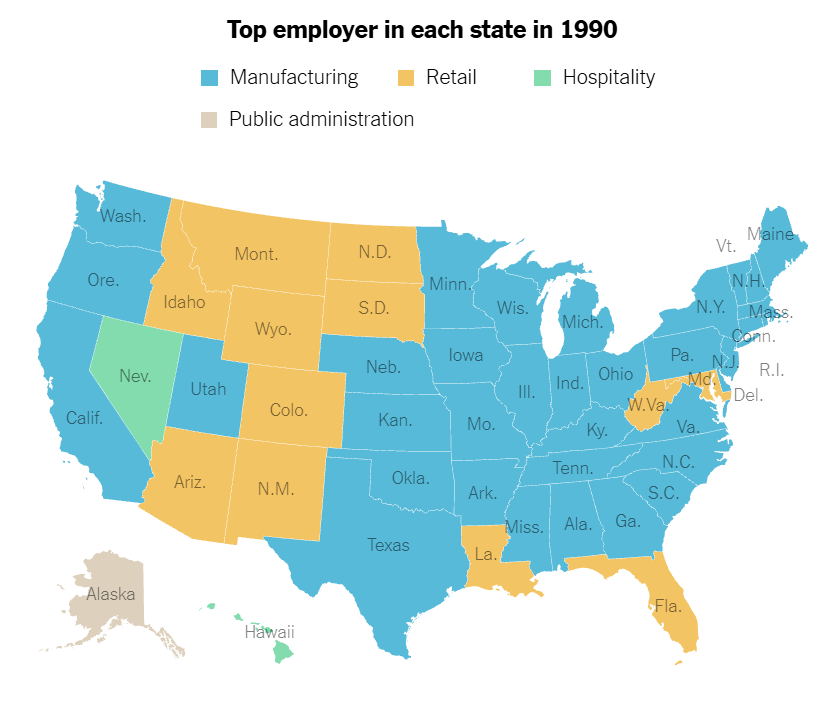
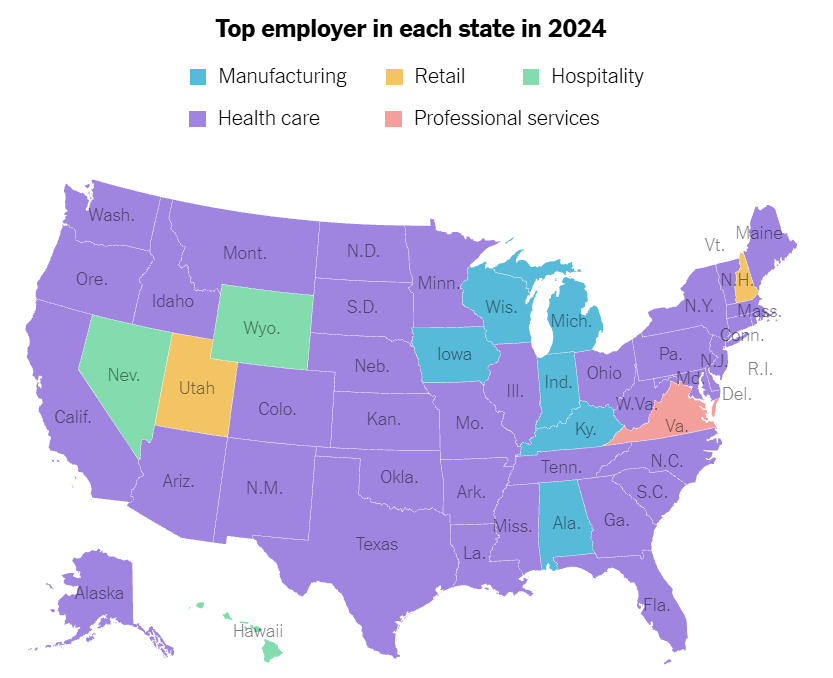
𝗛𝗼𝘄 𝗛𝗲𝗮𝗹𝘁𝗵𝗰𝗮𝗿𝗲 𝗜𝘀 𝗥𝗲𝗱𝗲𝗳𝗶𝗻𝗶𝗻𝗴 𝘁𝗵𝗲 𝗘𝗰𝗼𝗻𝗼𝗺𝘆
Did you know that healthcare is now the top employer in 38 of 50 states, including Washington? This wasn't true just 35 years ago, and implications for both healthcare and the economy are significant.
Access to an LLM isn’t a medical degree. But I don’t think we totally understand yet just how informed patients are going to be. And no one knows better when something is wrong. This is a huge cultural shift well underway.