Can CSF α-synuclein seeding assays or DaT scans be used to track disease progression in Parkinson's disease? Great data drawn from one of the failed Parkinson's antibody studies suggests that followup over a period of one year revealed the answer to be NO. Nice new article by Hutchison and colleagues @GreenJournal.
Key Points:
- Sensitive, reliable, and scalable biomarkers of progression are needed in Parkinson's.
- Data was drawn from the recent Cinpanemab study of human-derived monoclonal antibody binding .
- Dopamine transporter SPECT and MRI used in an attempt to quantify 'changes in the nigrostriatal dopamine pathway and regional atrophy. '
- CSF and plasma samples examined changes in total α-synuclein levels, α-synuclein seeding, and neurofilament light chain levels.
- 'Binary classification of α-synuclein seeding designated 93% (110/118) of the enrolled CSF subgroup as positive for α-synuclein seeds at baseline.'
- Clinical disease progression documented.
- 99% w/ + α-synuclein seeding 'remained positive through week 52.'
- 'No statistically significant changes from baseline were observed between treatment groups and placebo across all biomarker measures.'
My take: Though this study revealed how much we have improved in pinning down the Parkinson's diagnosis for clinical trials, we still lack a measure for disease progression. In my mind, this path will be critical for the future development of disease therapeutics and we should pivot and focus on 'progression rather than diagnosis.' What are your thoughts?
https://t.co/MrxqTKbt43 #Parkinsons #dementiawithlewydodies #DLB
Chopra & Outeiro discuss the potential for measurements of alpha-synuclein seeding capacity in CSF, blood, skin, saliva and nasal swab samples to transform the diagnosis of Parkinson’s disease and other related disorders. https://t.co/l1GJAVf3uD
🚨Calling all postbaccs, trainees, and neuropsychologists!🚨
We're recruiting for several N2N positions. Apply to join one of our passionate, dedicated teams and help build the next generation of neuropsychologists!
🧑🏿🎓🧑🏾🎓🧑🏽🎓🧑🏼🎓
Apps due: October 20th
https://t.co/zLrs2eQ2c0
🚨 Job alert! We are hiring 1-2 neuroimaging positions! Work will focus on two new projects of subtypes and individual differences in Parkinson disease. Come join us! DM for details.
In this study, long-term regular physical activity levels and exercise habits were
strongly associated with a better clinical course of #Parkinson disease, with each
type of physical activity having different effects. Learn more: https://t.co/yl0AbE0ZG9
#NeuroTwitter
Thirty $500 scholarships are available to assist prospective graduate students in their application process. These scholarships are intended for individuals who are underrepresented in neuropsychology.
FMI: https://t.co/Iz1WabAqMC.
Deadline: Sunday, 10/1
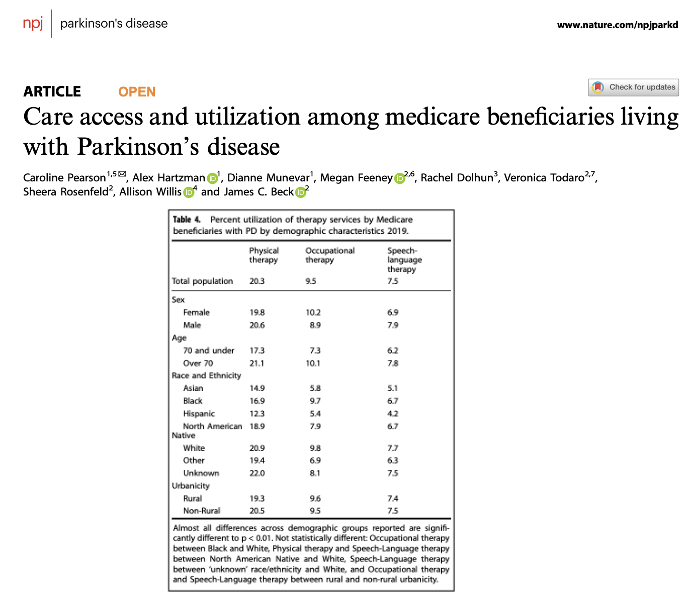
New shocking study: Few Medicare beneficiaries diagnosed with #Parkinson use recommended services such as physical, occupational, or speech therapy. People of color and rural residents were least likely to access a neurologist or therapy services. https://t.co/wLiq3qMfpW
Applications are now open for two new #postdoc awards @WUSTL:
--postdoctoral fellow award ($6000 / yr salary supplement + $10000 professional support)
--postdoctoral travel award (up to $5000)
https://t.co/zbyy4wQFjI
#phdlife#neurotwitter#postdocposition
Please join #WashUMedODEI on June 21st at 11:30am for Perspectives: Celebrating Pride by Deepening Awareness. We will focus on deepening awareness & understanding of how LGBTQIA+ identities have been viewed and treated historically. Visit https://t.co/5zu0RI7Ex3 for more info.
I'm looking for 1-2 post-docs or research faculty to join my lab @PsychologyFSU ☀️to work on NIH & NSF funded projects related to 🧠 precision brain networks, individual differences, and network breakdown in Parkinson's Disease.
Remote work options are negotiable. Please RT 🙏
I'm looking for 1-2 post-docs or research faculty to join my lab @PsychologyFSU ☀️to work on NIH & NSF funded projects related to 🧠 precision brain networks, individual differences, and network breakdown in Parkinson's Disease.
Remote work options are negotiable. Please RT 🙏
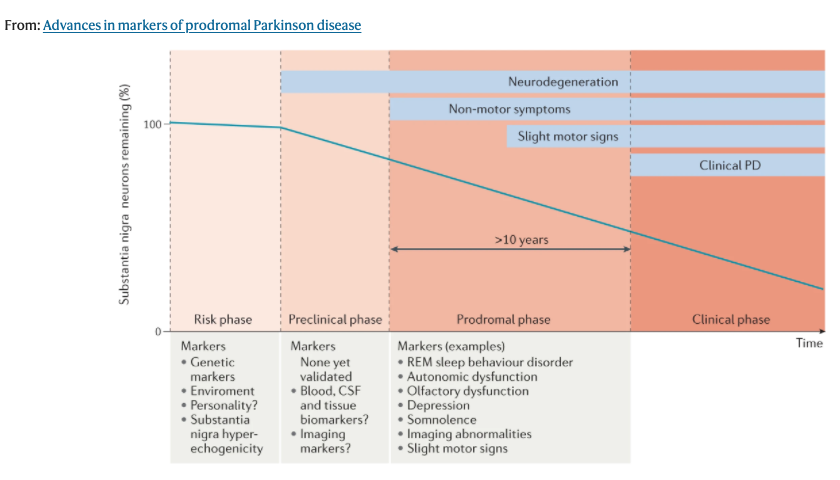
How do we measure disease progression to get to diagnosis of Parkinson's? Joza et al. says 'track the motor signs of the disease, i.e. the MDS UPDRS part 3 scores, whereas the best way to measure progression to ‘any Lewy body alpha synucleinopathy’ is instead to measure a composite of both motor and cognitive scores.' This drops the sample size needed for clinical trials to about ~120 per group or so. Reminds me of this nice review by Postuma in @Nature reviews neurology on prodromal symptoms. Nice editorial by @foltynie Dropping sample size is important to speeding developments.
https://t.co/btmuIEgHFr
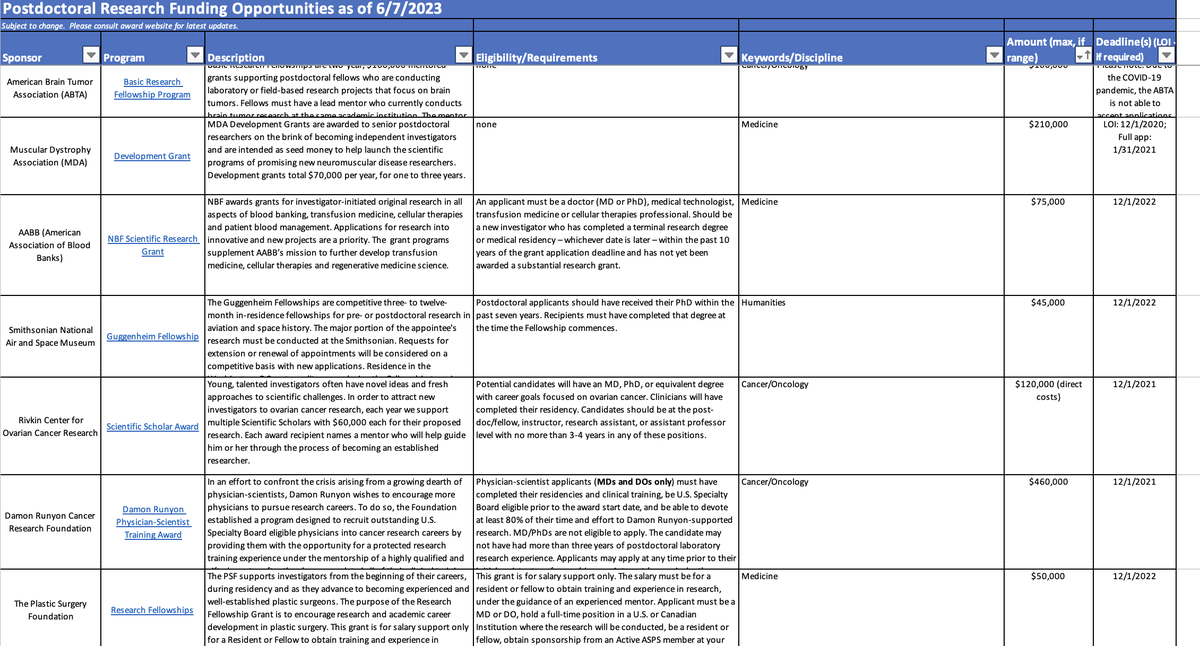
Download our free database of POSTDOC fellowships.
373 different types of postdoc fellowships. For each entry, we provide description, deadline, $ amount, and eligibility.
Download here: https://t.co/EbTahdzbkp
Calling all junior DBS scientists! Submit your abstracts to the DBS Think Tank Rising Star Junior Investigator Challenge! Finalist will get a chance to present their work virtually to the DBS Think Tank audience!
https://t.co/S9RNK3wMNK
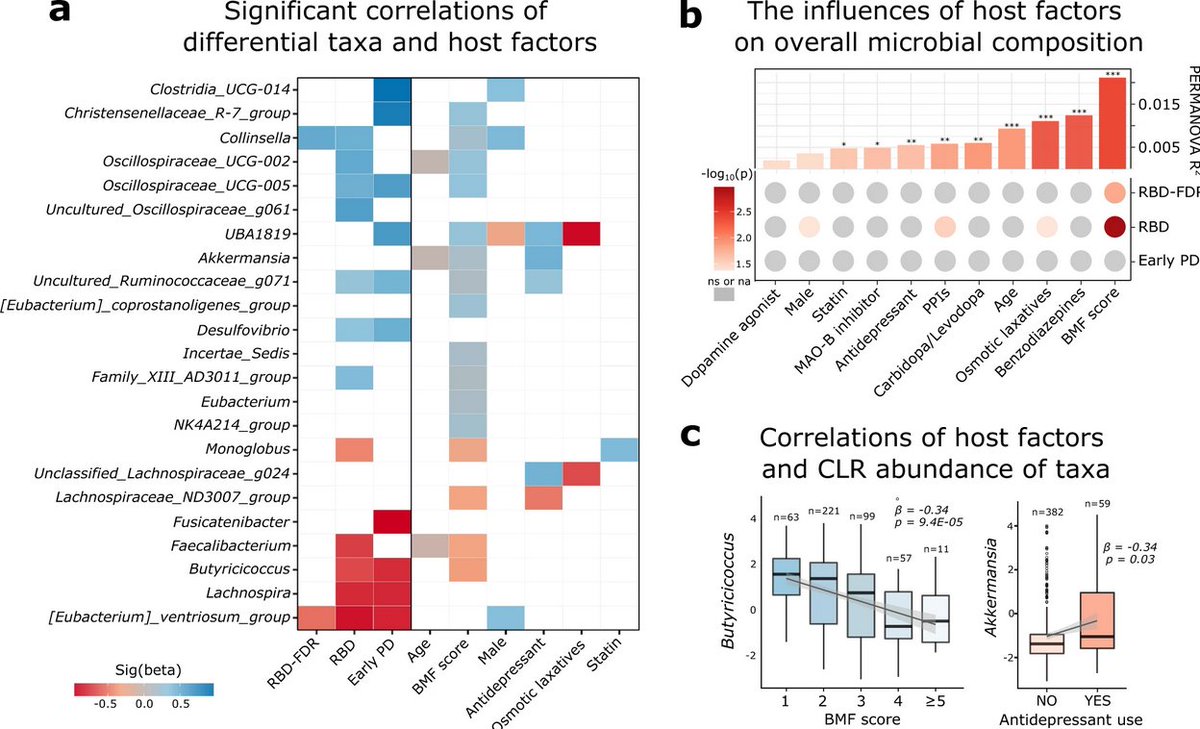
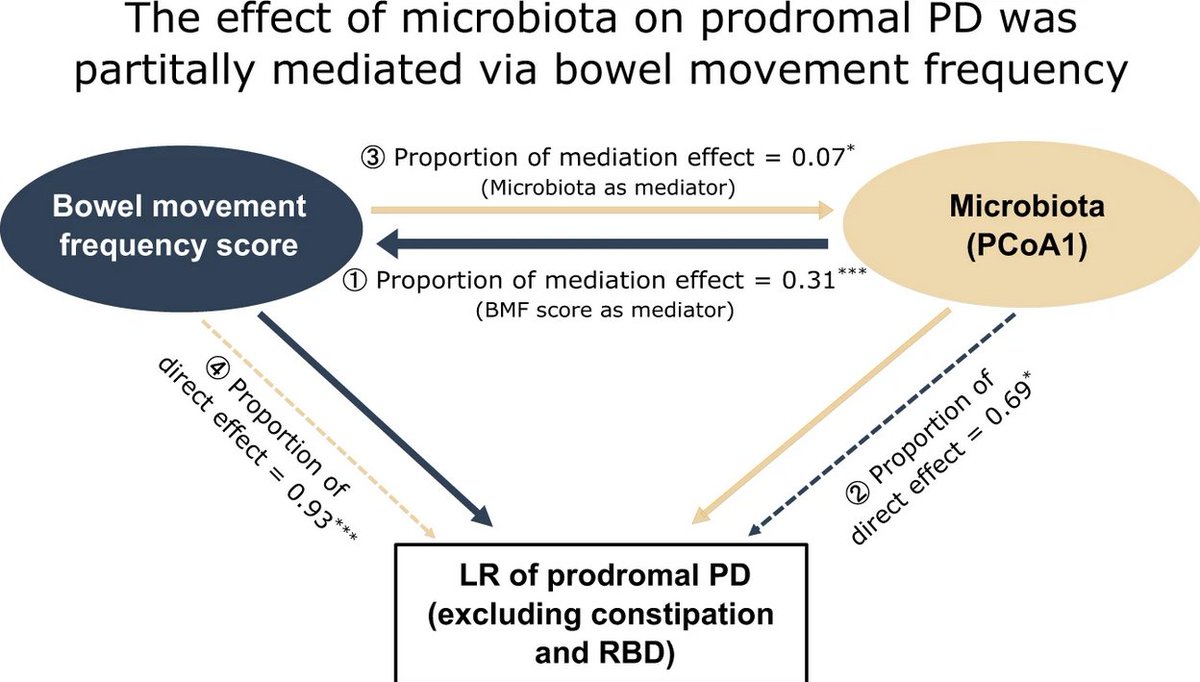
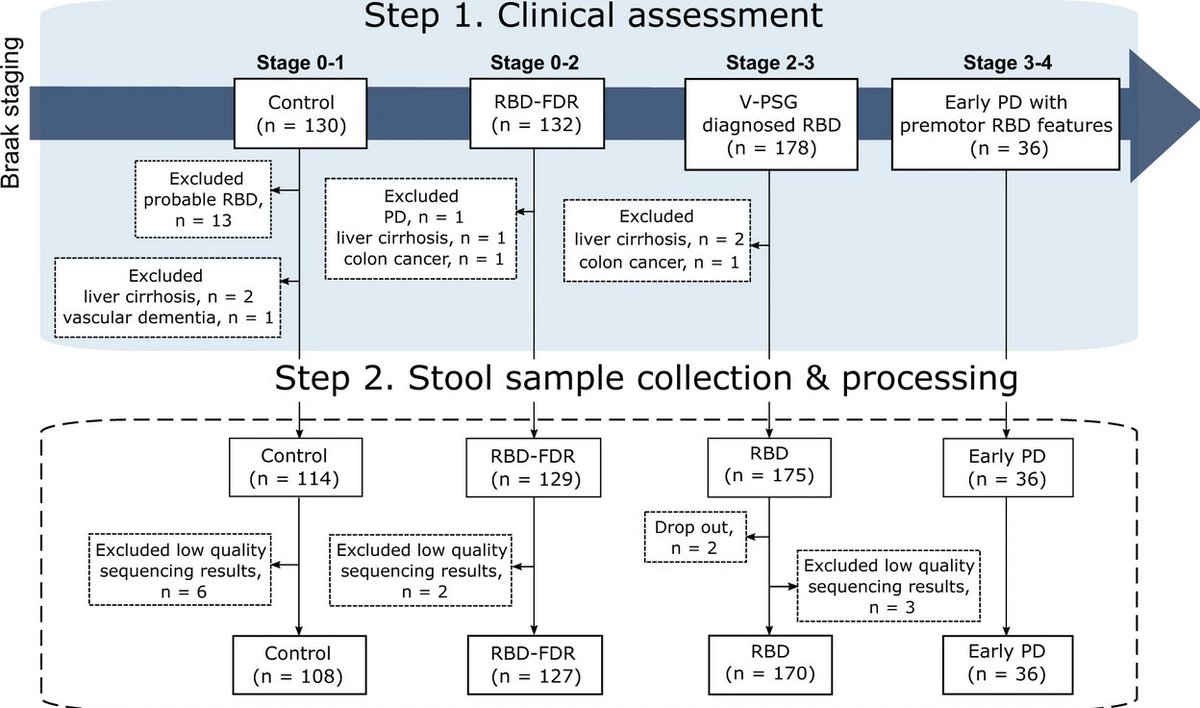
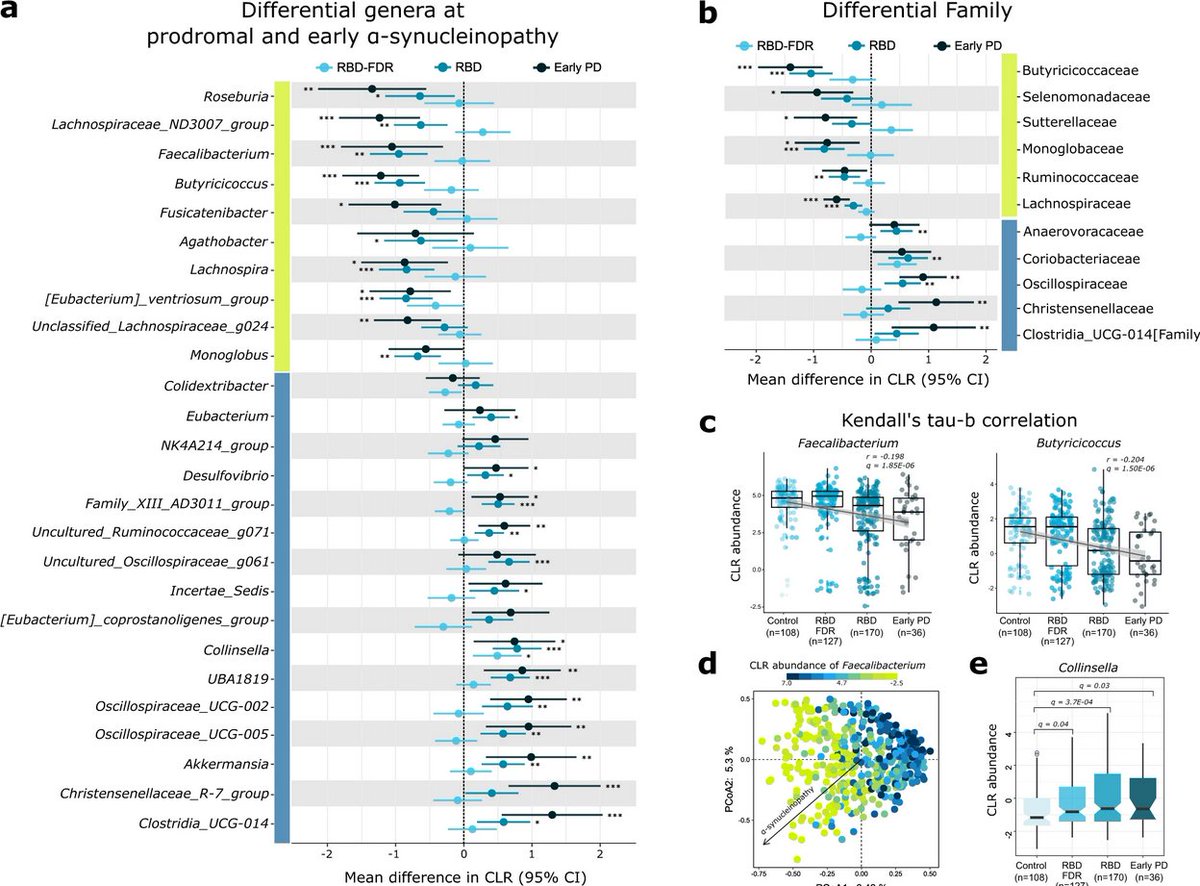
A large cross-sectional gut microbiota study across early #Parkinsons, REM sleep behavior disorder, 1st-degree relatives, & controls finds compositions are sig. altered in early PD & RBD; Lots of nuggets: >50% of RBD & early PD took benzodiazepines
https://t.co/2OPr0gQdhE
Exciting job opportunity! @TheNeuro_MNI@mcgillu is seeking an Assistant Professor (Tenure-Track) in #Cogneuro Please apply & RT. For more information and to submit your application please visit: https://t.co/oXSgnoTQmo
A twist of fate indeed
Tim is an amazing researcher who has been instrumental in #Parkinsons research in many different ways. This is a hard, but also amazing story to read
https://t.co/IiOfBEcR0I
On Saturday, May 13th, join the @FixelInstitute at its 21st annual symposium about Parkinson’s disease. It will be in person and virtual.
It is free, open to the public and a great way to update your knowledge of Parkinson’s disease.
🧵(1/2)