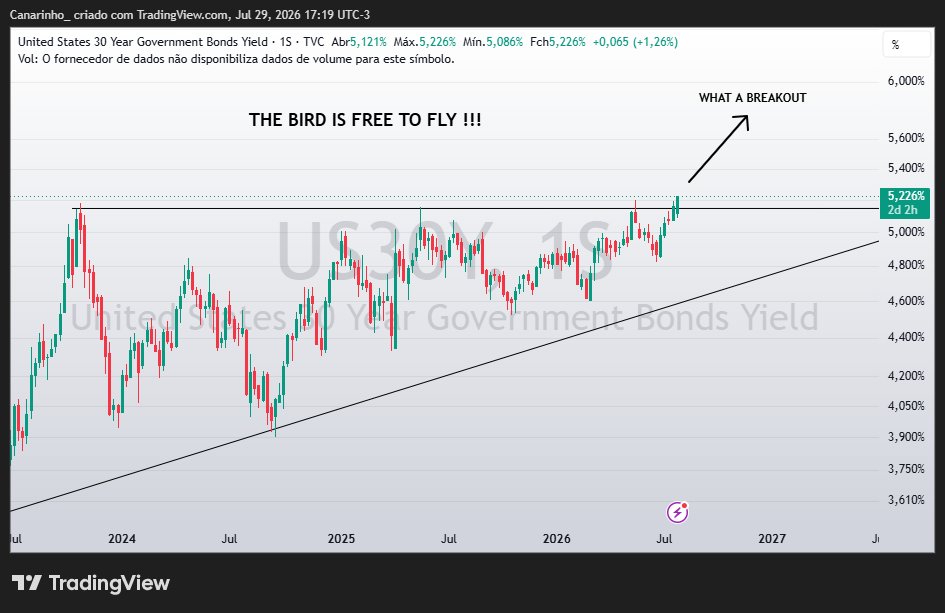
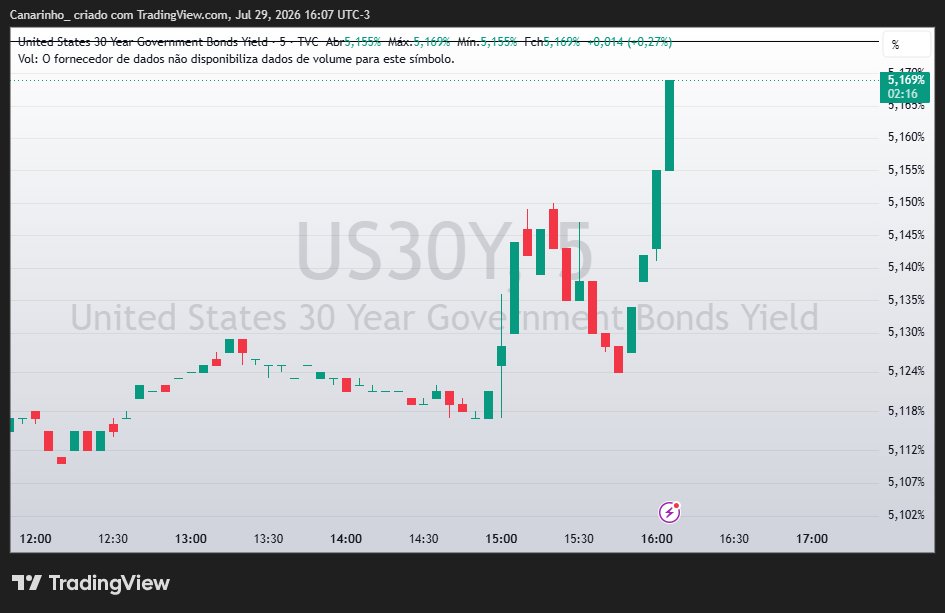
@charliebilello They can’t hike rates, neither reduce rates. They are locked inside a black room with no alternatives. So Kevin brings us small beatiful lies to gain time. That’s all he can do
Today, while walking to lunch in one of Porto Alegre’s more upscale neighborhoods, I came across this house.
White brick, classic porch, solid structure… and completely overtaken by vegetation. The fence is rusted, the garden has turned into a jungle, and the place has clearly been empty for years. I filmed it almost without thinking that scenes like this have become strangely ordinary here.
Porto Alegre is no small Italian village. It’s a major Brazilian metropolis, consistently ranking among the top five in the country by metropolitan population. And yet it finds itself in a rather unique situation: roughly 200,000 vacant or abandoned properties scattered across the city. This is largely the result of the intense real-estate expansion of recent decades. Wave after wave of large new developments that left older stock behind. Meanwhile, the population is decreasing in the city
That volume of empty buildings has led many people to draw comparisons with Detroit. What makes the case particularly interesting is that Porto Alegre currently shows one of the highest ratios of abandoned properties relative to its overall housing stock. Walking through even wealthier areas, you regularly encounter situations exactly like the one in the photo.
This property issue here made me recall the Italian experience with the “€1 houses” programs. It’s hard not to wonder whether something similar (carefully adapted to local realities) could be considered by public authorities here. The Italian model is far from a perfect copy-paste solution: the scale, legal framework, and urban dynamics of a Brazilian metropolis are very different from those of depopulated hill towns in Sicily or Sardinia. Still, the core idea of turning abandoned properties into an opportunity for renovation, reoccupation, and urban regeneration deserves serious attention.
Sometimes the most telling stories of a city are the ones standing quietly behind a rusty fence. I advice everyone who came untill here reading this post to study what Italy is doing in ancient old cities across their country side. It may be a very good proxy for us here.
I think this is the most expensive house for sale in Rio Grande Sul/Brazil. With more than 2000 squared meters, this unique real estate located in Gramado is for sale for USD 8 millions.
Will you buy it?
I’m truly grateful to my 1555 followers. It’s been an absolute pleasure sharing my thoughts and the ongoing journey with my portfolio, something that started as a suggestion from a great friend last summer. Since then, I’ve been gaining 20 to 30 new followers every day, which makes this even more rewarding. Thank you all!
@MoneySniperBTC Acho que nao. Esse juro (longo) nao está a cargo do FED.
Se passar a ser, com politica de YCC, dai o FED vai gerar a maior impressao de dolares da história, monetizando a divida em níveis inaceitáveis
Vai der nitroglicerina pro Ouro
My long on Ibovespa keeps climbing. A bit of a bumpy ride, sure, but it’s still respecting the upward trendline that’s taking shape.
Today’s catalyst: the solid inflation print released this morning, which is already helping cool Brazil’s stressed yield curve.
@BonacinaRamires@richterricardo Sou um dos maiores defensores de POA. Acho uma das cidades mais subestimadas do Brasil.
Esse aspecto da casa abandonada é uma questão de mercado que não tem nada a ver com a habitalidade e com o prazer que tenho de morar aqui
Kevin Warsh came across exactly as expected in his interview: carefully neutral. That was already the base case after the decision to hold rates steady. He’s clearly buying time to dig into the inflation and employment data due over the next 45 days, and he refused to lean either dovish or hawkish.
What genuinely surprised me, though, is that the bond market barely flinched throughout his evasive comments. In my view, the longer the Fed keeps postponing a clear stance, the more it signals fear of picking a side, and that should be bearish for bonds.
Market loves beatiful little lies. And know is loving the fear of the FED and his new chair
Donald Trump is right about this:
Eliminate the debt limit—its only real function is to threaten an economic crisis.
I'm ready to work with both Democratic and Republican Senators to immediately scrap the debt ceiling and protect the economy.