Get involved in science and help wildlife research! Explore photos and identify canids (dog-like animals) and other wildlife to help create thriving forests.
It Spring time, which means baby season for Wildlife! Don’t forget to give any young wildlife space. You may not see mama, but she is most likely not too far away! Animals like Does only visit their Fawns 2-3 times a day to reduce attracting predators and unwanted attention!
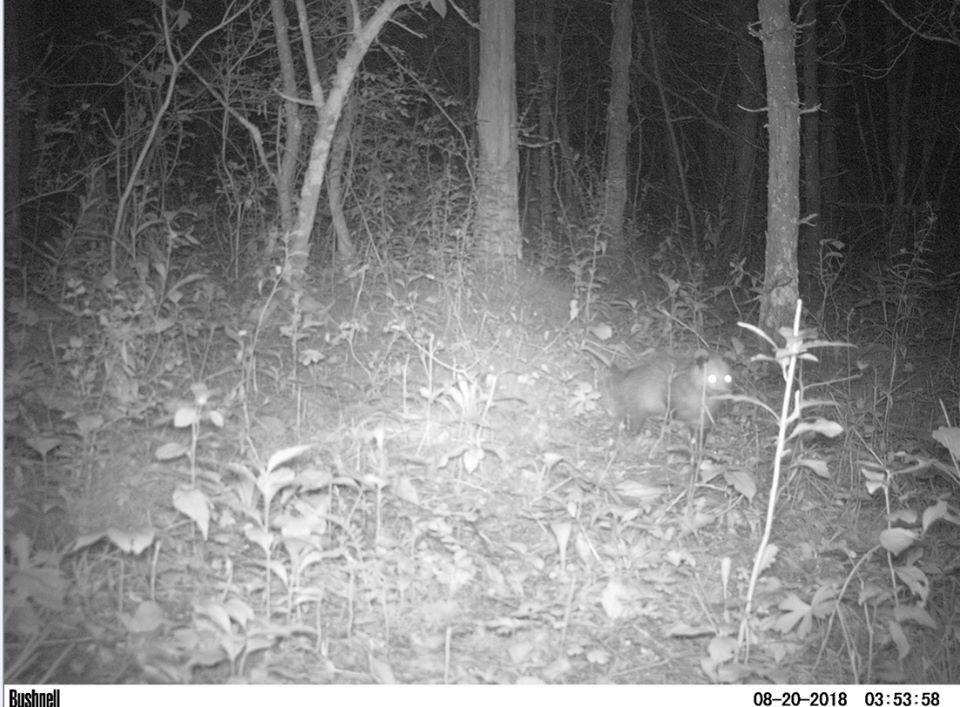
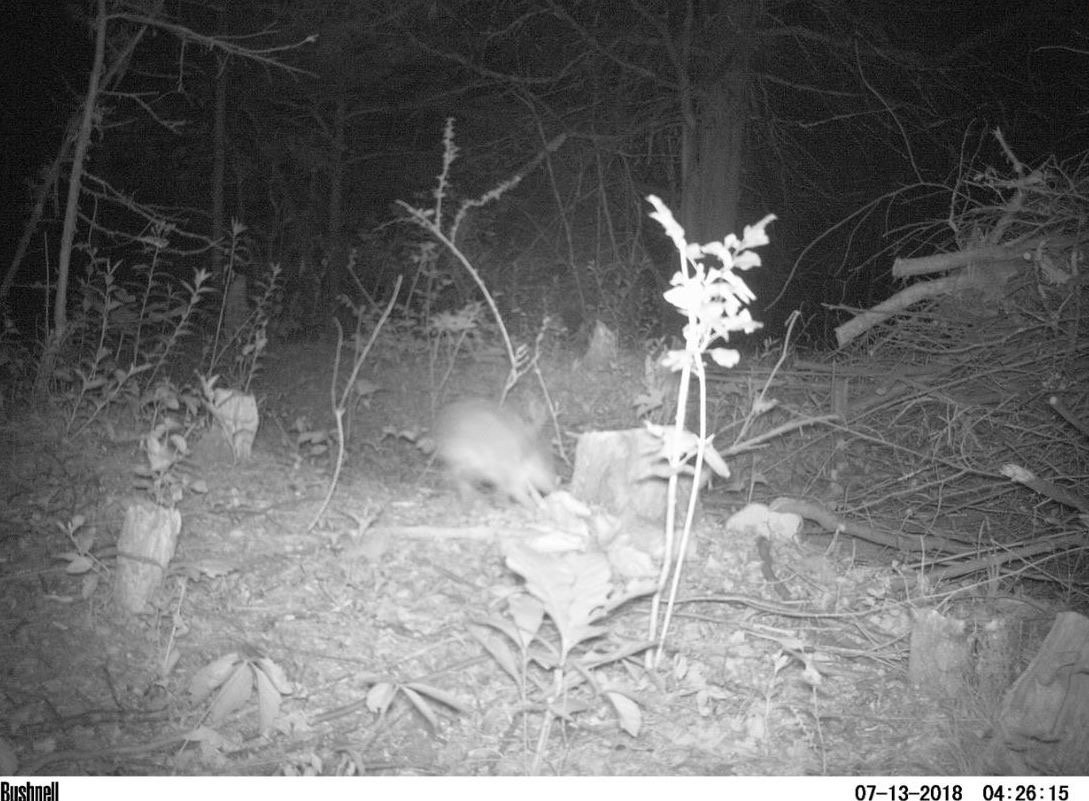
Did you know that the opossum is the only marsupial found in North America? They are also very productive pest hunters, helping reduce unwanted tick populations! #wildlifewednesday
Missing the high quality forage provided by fruiting shrubs, will bears start looking for anthropogenic food sources like garbage? Working with Canid Camera Esposito finds #blackbears prefer declining young forest habitat.
@sunyesf#UndergraduateResearch#citsci
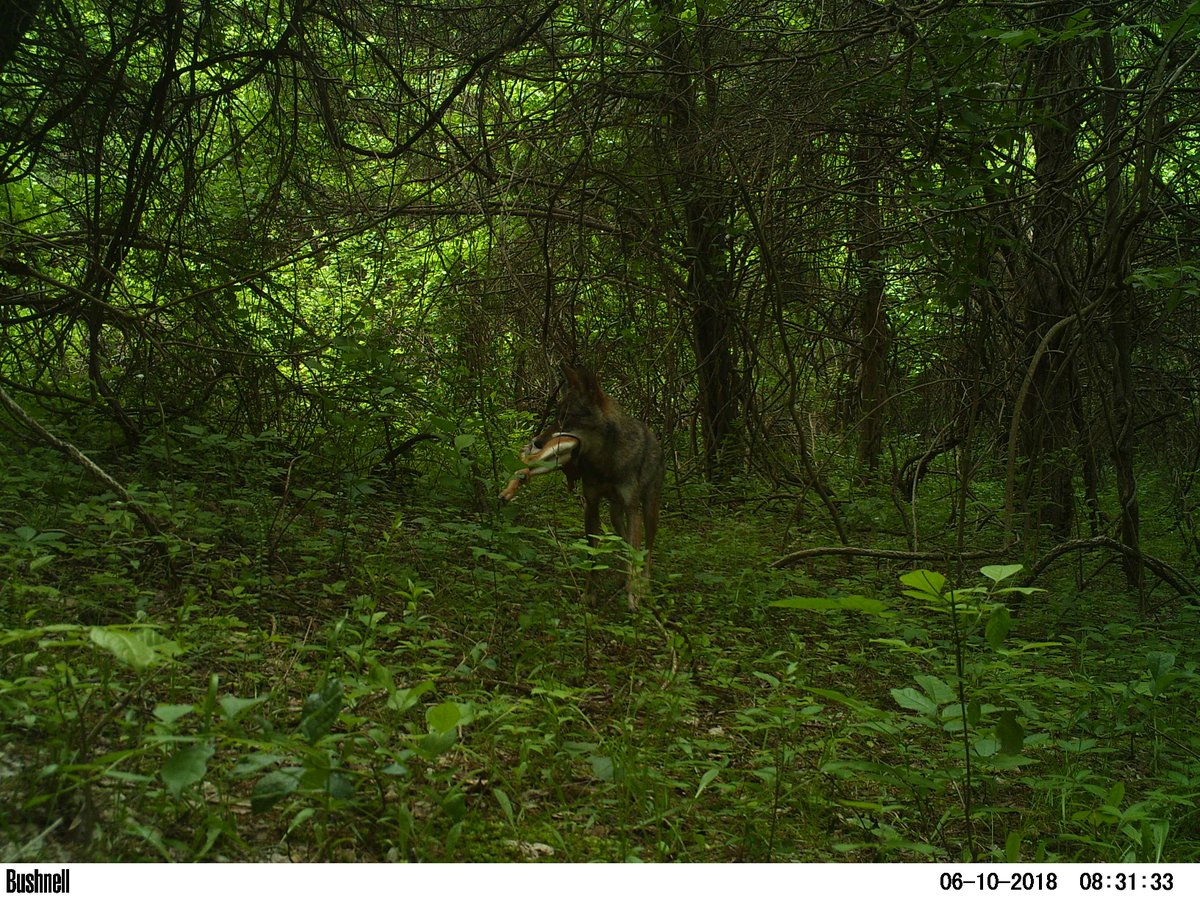
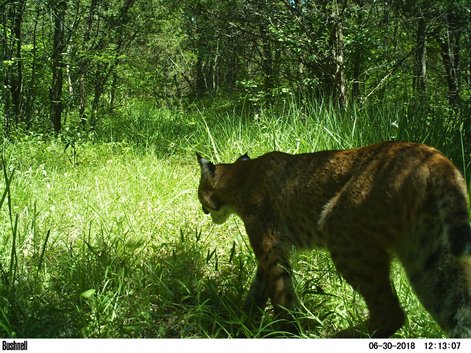
A bobcat with a squirrel in its mouth, a killer coyote, a dead fawn and the holy grail – a gray fox. Welcome to the hidden world of the forest. https://t.co/u3y49A1sgU
We might not be far from the city, but it sure is wild out here!
Learn more about #CanidCamera and the decline of #YoungForest in the @NYTimes! As always thanks to all our amazing volunteers, we couldn't do it without you.
https://t.co/sHZZG6wyaF
#HudsonValley#citsci#NYC
Squirrels are well known for their diet of nuts and seeds, but their diet is also made up of meats, fungi, eggs, and snakes. On average they consume approximately one pound of food a week and store even more than that to survive long winters. #WildlifeWednesday
Black bears are extremely adaptable but are primarily found in forested areas with thick ground vegetation and an abundance of fruits, nuts, and vegetation. They love plants, fruits, nuts, insects, honey and also consume small mammals, carrion, and sometimes young deer or moose.
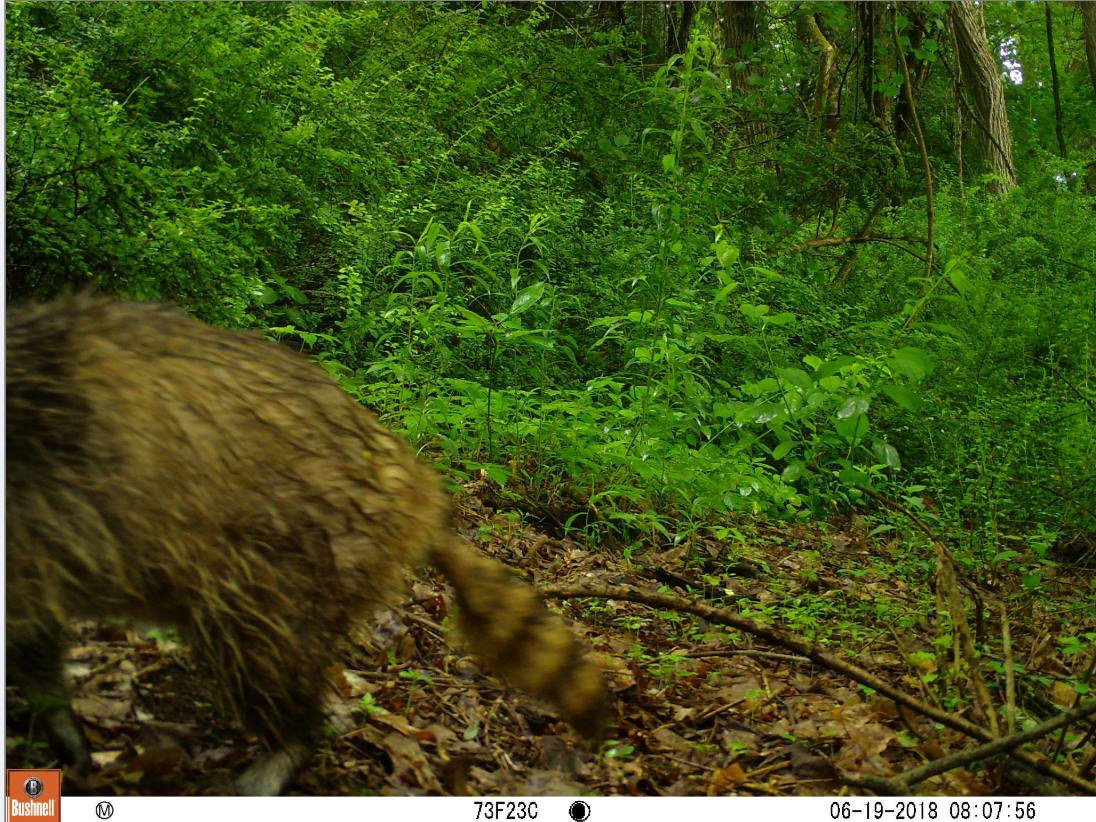
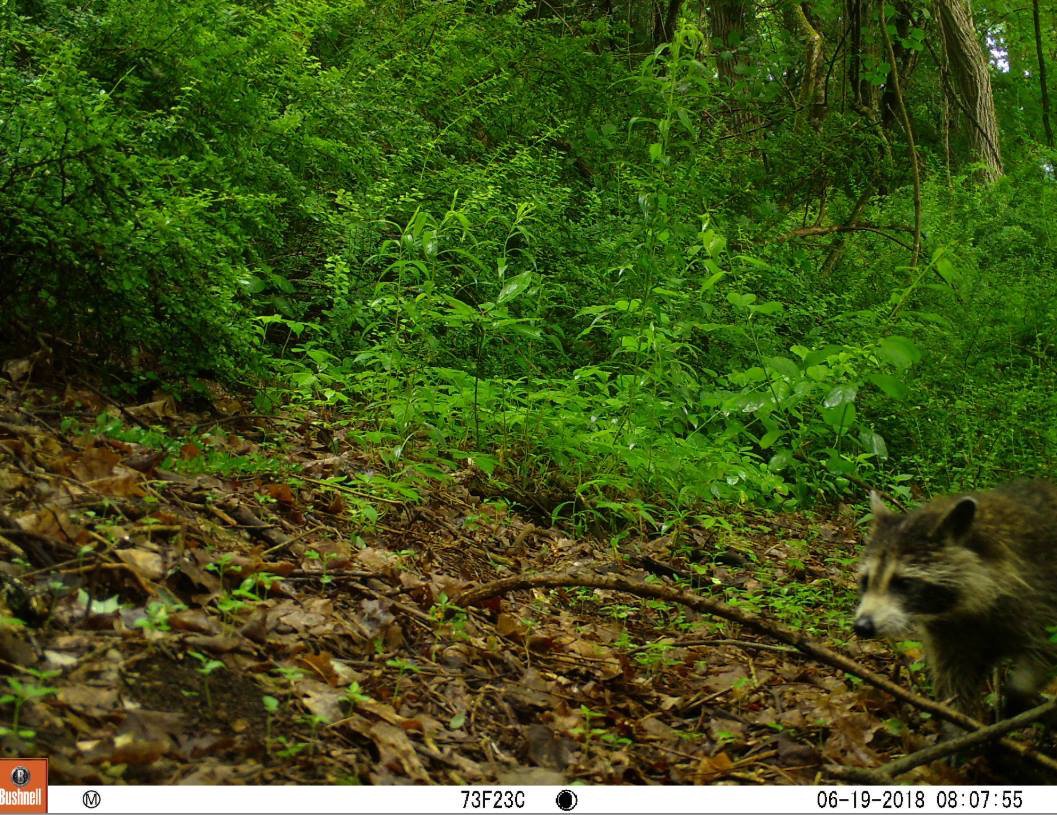
Did you know that raccoons can swim and will even go fishing? They do not have waterproof fur, so it becomes very saturated and heavy, making it hard for a raccoon to swim for long periods of time.
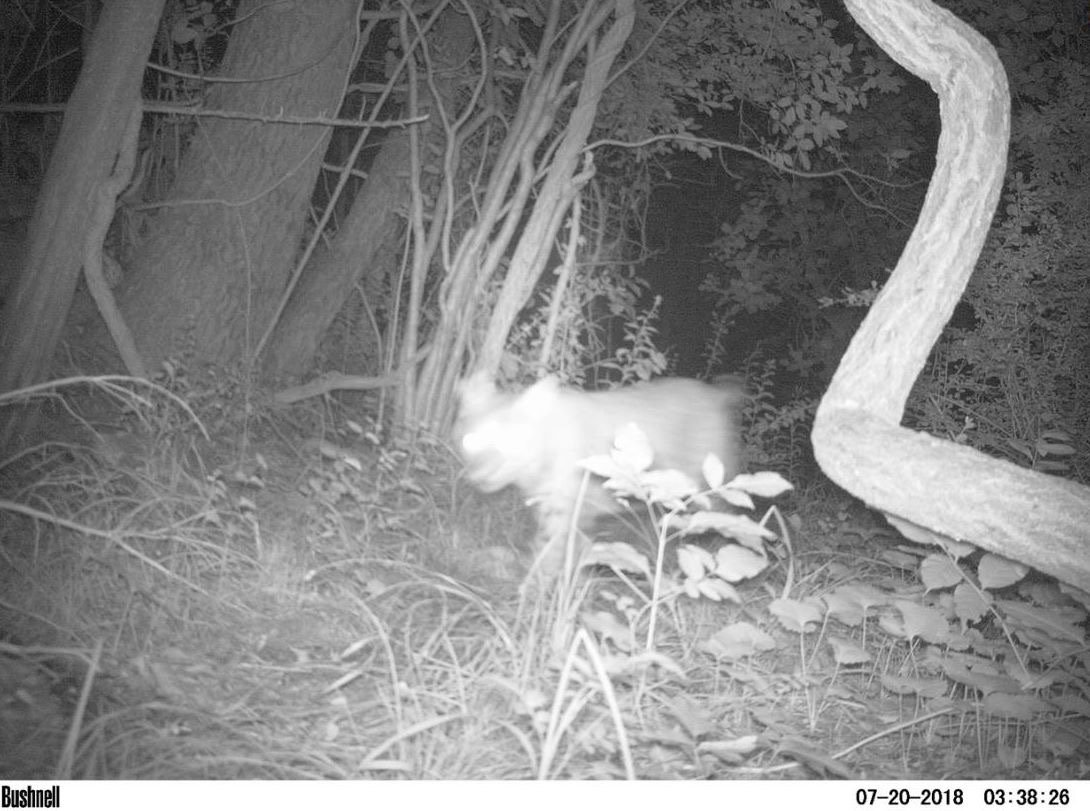
As a citizen scientist it can be difficult identifying what may be in a photo on Zooniverse, especially if what is in that photo is in motion! Each species has identifying characteristics to look for. Tips for identification can be located in our "field guide" tab while tagging!
Odocoileus virginianus are illusive breeders, so scientists use offspring to collect data on breeding. Rutting season usually lasts October-January, and new fawns will be born mid to late Spring. Fawns can be identified by their white spotted back until their first winter coat.
The New England cottontail shares a similar diet and habitat with whitetail deer, increasing competition, and potentially effecting recovery efforts. Data collected through the Canid Camera project will help influence future recovery efforts for young forest and the cottontail.
Squirrels are a model organism for storing their food, so much so that the term “squirreling” food away has been coined in their honor. The gray squirrels in these photos most likely scatter hoard their food by burying it in various places to dig up later. #WildlifeWednesday