When I was writing Unreal Engine 1, my time was divided as follows:
- Around 30% went to seriously deep coding on hard problems: assembly language texture mappers, C++ BSP trees, data persistence, object oriented systems design, and networking.
- Around 70% was just typing and refactoring large bodies of code needed for a complete engine feature set. This was not hard, and while I was doing it my mind was mostly on the deeper coding topics, thinking and planning for what's next. It didn't feel much different from vibe coding today, except that it was just me typing code on an IBM Model M keyboard rather than prompting it and reviewing the results.
So, it has always seemed perfectly logical that we would rely on AI for that 70%, once the AI could do it with a similar quality standard as we could, which has never been perfection. It came as no surprise that, after a few years of AI model evolution, it was able to take the reigns on that 70% and free up programmers' time for more valuable tasks.
What's more of a surprise is the emergence of AI as a sort of insta-Carmack able to solve hard technical problems quite cleverly and often cleanly, and that it's able to reason about and work in complex 3D scenes both by operating the tools and by directly understanding the raw data files.
I abandoned assembly language in 1998 when out-of-order CPUs made much simpler C/C++ code faster, and never I missed it. If prompting through architectural documents, concept art, and design plans can transcend typing code and tweaking vertices, that will enable developers to spend their time on higher-level, higher value technical and creative tasks.
What matters is the end product, whether it's a game or an engine. Anything developers can do to try out more ideas and make better software and games faster is a win for everyone.
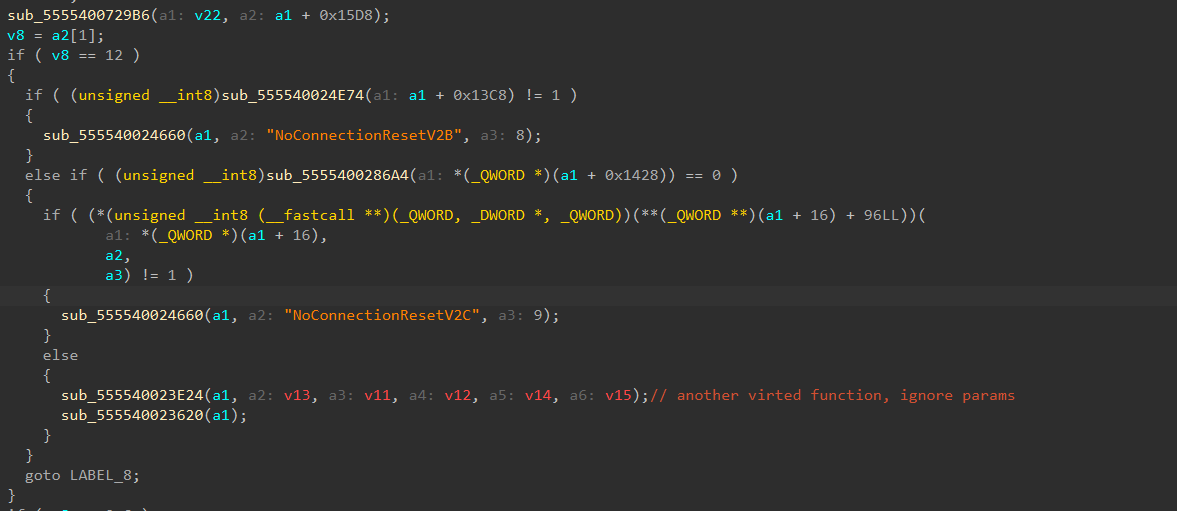
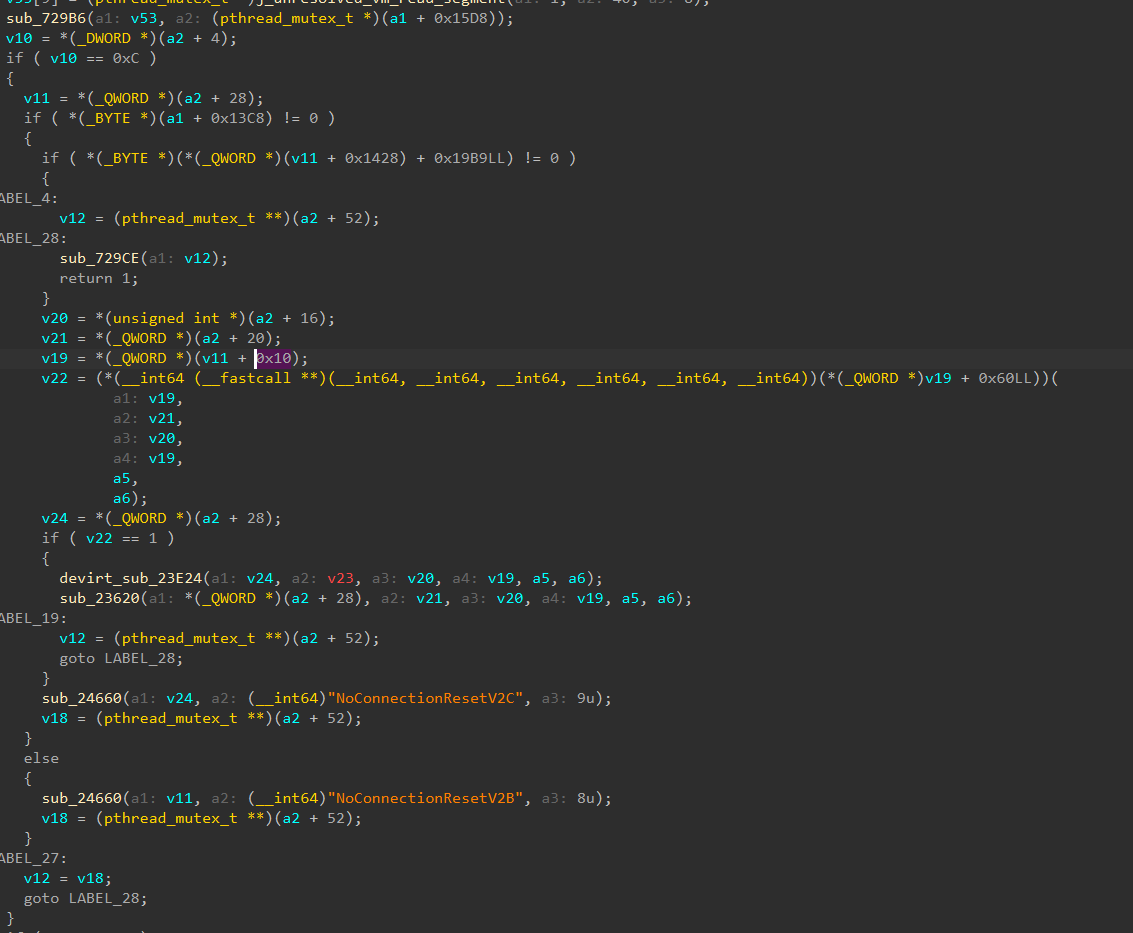
I can independently verify these results are semi-correct. However there are a lot of issues with this output. I will cover it in this thread 👇
This binary is protected with CodeVirtualizer for context.
(Proper devirt on the left, vs AI on the right) func: 0x237F0
If you're into reverse engineering, console security or exploit development, bookmark this.
@Grimdoomer's I Code 4 Coffee is an incredible FREE archive of low-level game console and hardware research.
And his latest Xbox 360 work is especially wild.
Peer Pressure is now a persistent Xbox 360 softmod that modifies the NAND + HDD security sectors and chains DMA attacks during startup to run unsigned code.
No RGH-style soldering required on supported consoles.
The rabbit hole behind it covers:
- Xbox 360 hypervisor internals
- Hypervisor exploitation
- PowerPC reverse engineering
- ROP chains
- Encrypted + protected memory
- DMA + race condition exploitation
- HDD firmware reverse engineering
- JTAG debugging a live hard drive
- IDA firmware analysis
- Game save exploitation
- Network RCE
- Xbox / Xbox 360 security
- Original Xbox hardware hacking
- Halo 2 engine + OS patching
- DirectX + rendering internals
- Raspberry Pi + EEPROM hacking
- Embedded systems + electronics
His Bad Update research previously achieved software-only Xbox 360 hypervisor code execution.
Now Peer Pressure takes the next step into a persistent boot-time softmod.
Blog:
https://t.co/mHldG63UTa
Peer Pressure:
https://t.co/jADc7Lplx8
Huge credit to @Grimdoomer for years of deep research and for publishing so much of it freely.
#ReverseEngineering #ExploitDevelopment #Xbox360
@TrendMicroHome could you please for god's sake stop closing automatically the tickets when is about responsible disclosure?
It happened already 3 times... and I have to rewrite the same things on every ticket because I am getting assigned to a different employee each time
@ipurple If I understood the proposed solutions avoid signatures detecting crypto artifacts embedded in the payload. why not using bcrypt.dll directly instead of other dlls? Is because is considered more suspicious its loading by endpoint security solutions?
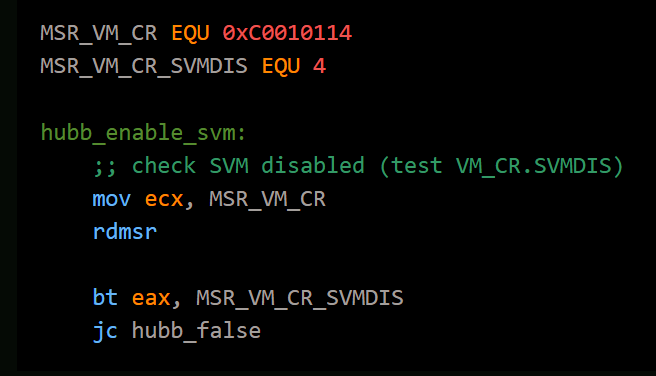
🧠 AMD Hypervisor Dev Guide
Build a custom Type-2 hypervisor using AMD SVM tech. From debugger setup to core virtualization logic, Guided Hacking teaches everything related to super low level reverse engineering.
👉 https://t.co/TwvyykEHdE
Reversed how EasyAntiCheat grabs your MAC + gateway MAC on load: a WFP L2 filter (MAC_FRAME_ETHERNET, in+out) with no conditions inspects every Ethernet frame for 30s. Same filter sees your DNS and unencrypted payloads, questionable access for a MAC read:
https://t.co/SkKev6XjU8
@expend20 Cool results, however the model was trained later so he may have seen the writeups or even worse with the agent capabilities could have potentially searched over internet for digests or other findings that could leak the solution
New blog post:
"On COM/WinRT Initialization, Apartments, and lpacCom Capability Bypasses, Part 1"
The series discusses a capability that restricts COM usage in a Less Privileged AppContainer sandbox and what we can learn from it about COM internals 💡
https://t.co/ykkvOqcbPn
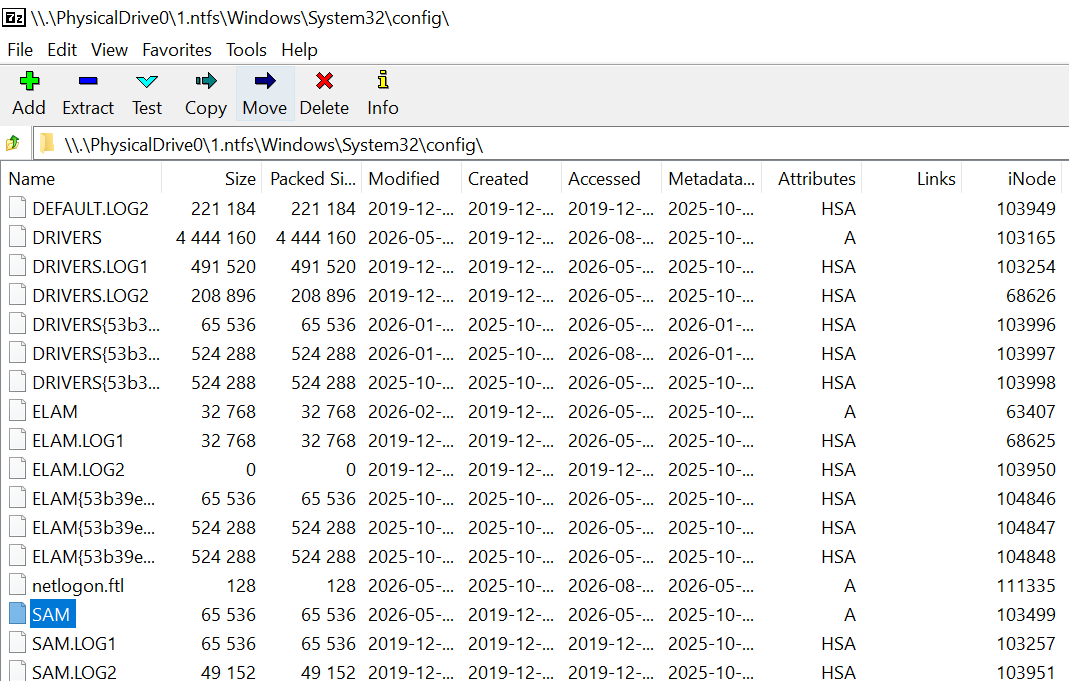
Attacking SAM with 7z
7z can be used to copy system hives bypassing EDR. We extracted NTLM hashes from the SAM hive.
Together with DeadMatter you can extract all user credentials
https://t.co/57Hs0qSAa6
@three_cube