We Paid £60 for Highclere Castle — Then Walked Away
I genuinely thought a 12.30 timed slot meant the queue would at least move.
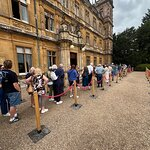
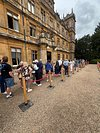
We’d paid £60 between us. Then we stood there for about 45 minutes while the line barely crept forward. From where we were, it looked as though the crowds already inside were inching through the house too.
At some point I realised I wasn’t excited anymore. I was just furious that our visit had turned into standing outside and watching the clock.
So we did the ridiculous thing: we left without even going in.
The disappointment carried on outside. The grounds felt shabby to us, and the tarmac paths only made the whole thing feel flatter than I’d imagined.
I can accept queues at a famous place. But paying £60 for a timed slot and giving up after three quarters of an hour without getting through the door? Absolutely maddening.
I paid £12.50 for Ashby Castle — then paid to park too
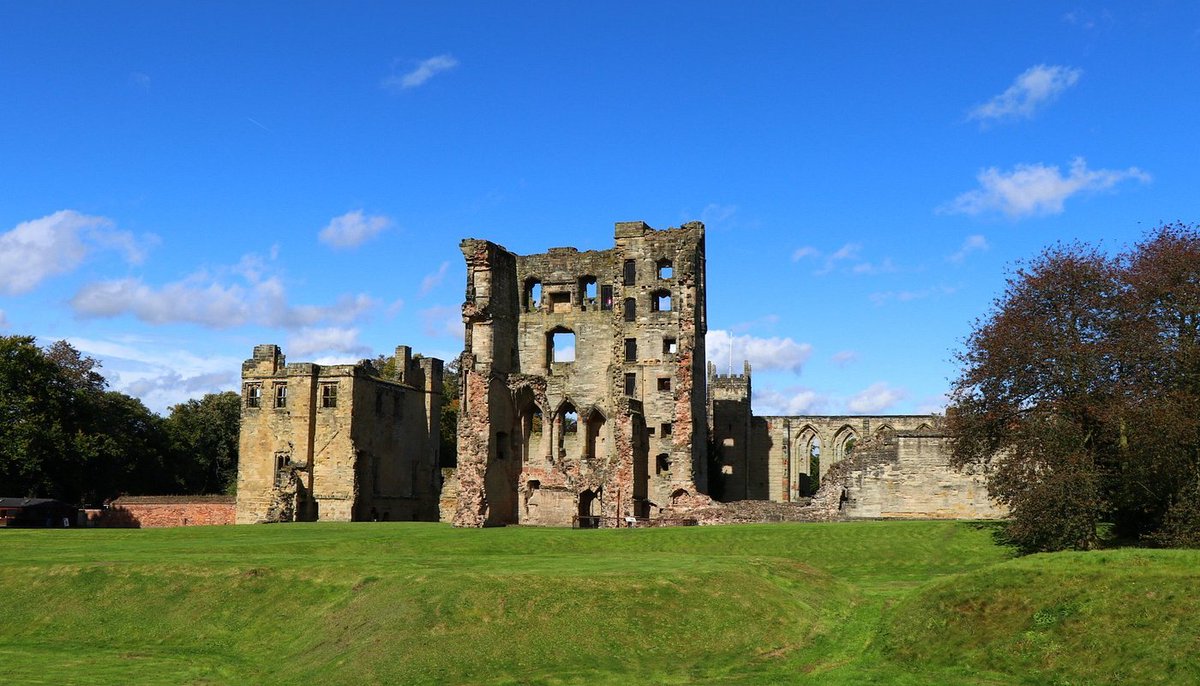
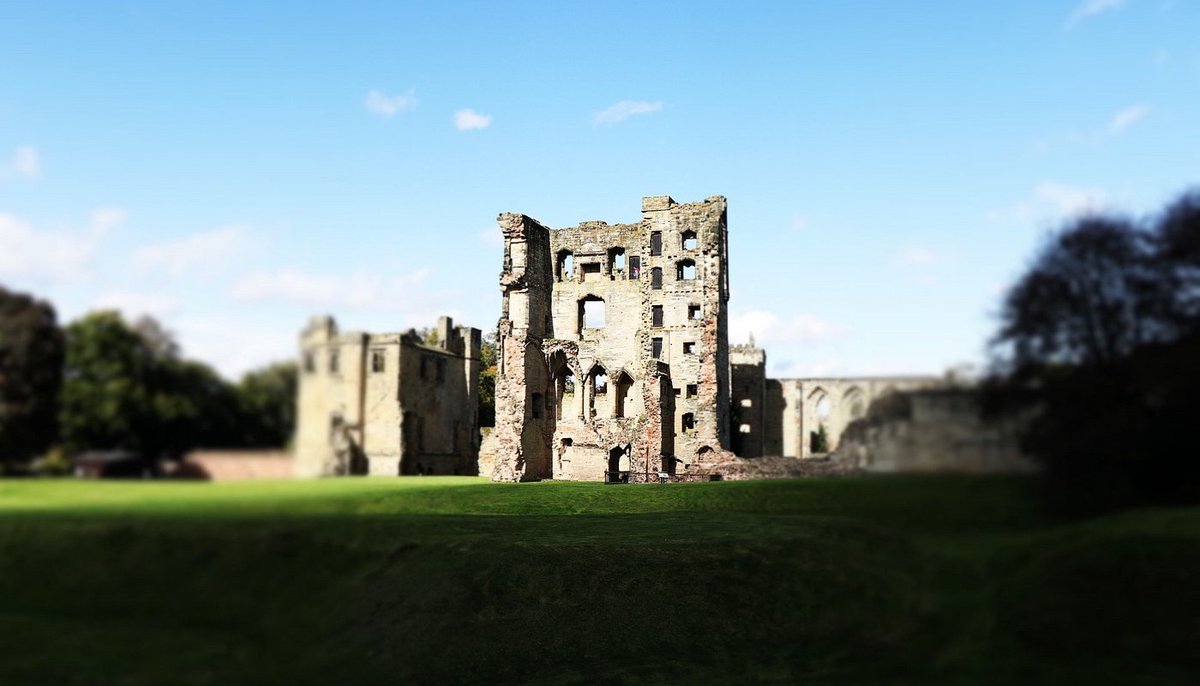
I just visited Ashby de la Zouch Castle in Leicestershire, the ruined stronghold where William, Lord Hastings built his enormous tower and chapel in the late 1400s.
I normally adore a ruin. Give me a broken kitchen wall and I’ll happily spend ten minutes working out where somebody carried dinner through it.
But £12.50 for this left me genuinely disappointed.
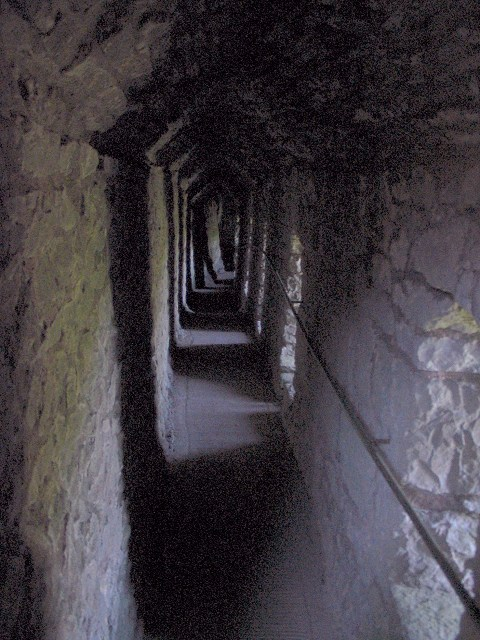
There is some wonderful history here. I wandered through the remains, looked at the chapel and followed the underground passage between the kitchen and Hastings Tower (probably connected with the castle’s Civil War defences).
The problem was how quickly I felt I’d exhausted what I’d paid to see. For me, there simply wasn’t enough of a visit to make that entrance price feel worthwhile.
Then came the little extra sting: there’s no general visitor parking at the castle itself. English Heritage currently directs visitors to charged town-centre car parks, with only disabled parking on site.
So I’d paid to enter a relatively compact ruin, then paid again simply to leave the car nearby.
That frustrated me because Ashby itself isn’t boring at all. Hastings was creating one of the grandest late-medieval residences in England, and his great tower was meant to announce extraordinary wealth and power.
I just wish the visit had felt as substantial as the story.
A beautiful ruin with a fascinating past, but at that price I came away feeling I’d paid far too much for far too little.
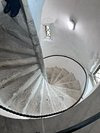
Brougham Castle’s staircase made me forget the view
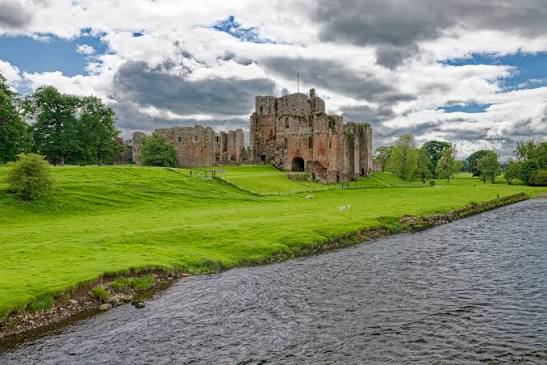
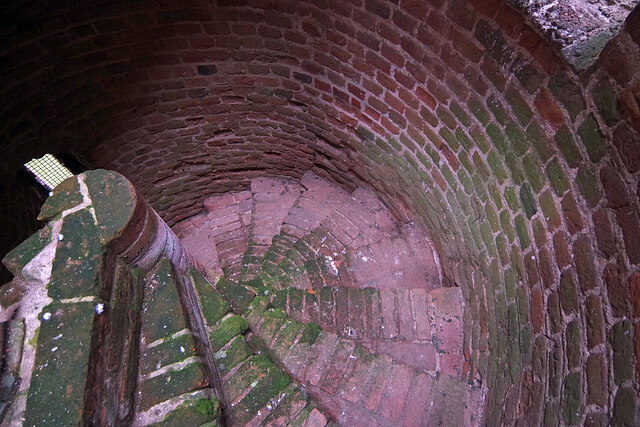
I’ve just been exploring Brougham Castle near Penrith in Cumbria, and I thought the big reward would be reaching the top of the keep.
Instead, I kept stopping on the way up. The steep spiral staircase curls through thick red sandstone, then suddenly opens into little doorways and worn spaces inside the walls. It made the castle feel less like a ruin and more like somewhere people actually had to move through every day.
Lady Anne Clifford later restored Brougham after it had fallen into decay, which made those surviving rooms feel even more precious.
I just had to share this beautiful little corner of the castle.
Welsh castle tour made 800 years feel properly lived-in
I’ve just toured St Donat’s Castle near Llantwit Major in the Vale of Glamorgan, and this is exactly how I want to experience a castle: slowly, with someone who actually makes the rooms matter.
Our guide Martin was superb. What should have been roughly 90 minutes kept stretching because there was simply too much worth explaining.
The wonderful bit is that St Donat’s doesn’t feel frozen at one convenient point in history. Medieval walls and later rooms sit alongside the enormous changes newspaper magnate William Randolph Hearst made after buying the castle in 1925.
Hearst brought historic architectural pieces here from elsewhere, including the medieval roof used in Bradenstoke Hall. Standing underneath it made me think less about dates and more about the extraordinary physical business of dismantling something centuries old and rebuilding it inside another ancient building.
Tom would normally have disappeared towards the highest accessible point by then. I was quite happy lingering inside (predictably).
That was the real pleasure. Instead of walking through attractive rooms wondering what I was supposed to notice, I kept finding reasons to stop and look again.
A castle tour that runs over because the guide has too much good history to fit in is exactly the problem I like having.
If you get the chance to see St Donat’s properly, I’d warmly recommend taking it. Have a lovely wander.
Hastings Castle felt painfully thin for nearly £7
I just paid £6.95 to enter Hastings Castle in East Sussex, and came away wishing I’d stopped at the free history boards before the gate. The castle is still mostly ruins, with an adult ticket currently costing £6.95.
I genuinely love a ruin. I don’t need dressed rooms or actors wandering about in armour (give me an old doorway and I’m happy). But once inside, I kept looking for the story that would make these stones feel inhabited.
There are walls, a dungeon, information boards and the hilltop view across Hastings, yet the experience felt remarkably slight for a paid attraction. The most galling part was finding that some of the broader history could already be read before paying.
Even the West Hill Lift journey up felt more memorable than the castle visit itself.
Hastings is now planning a new visitor centre as part of wider improvements to the site, which frankly makes sense.
For now, I’d enjoy the hill and the view and think carefully before buying the castle ticket. Hope your next castle day gives you rather more for your money.
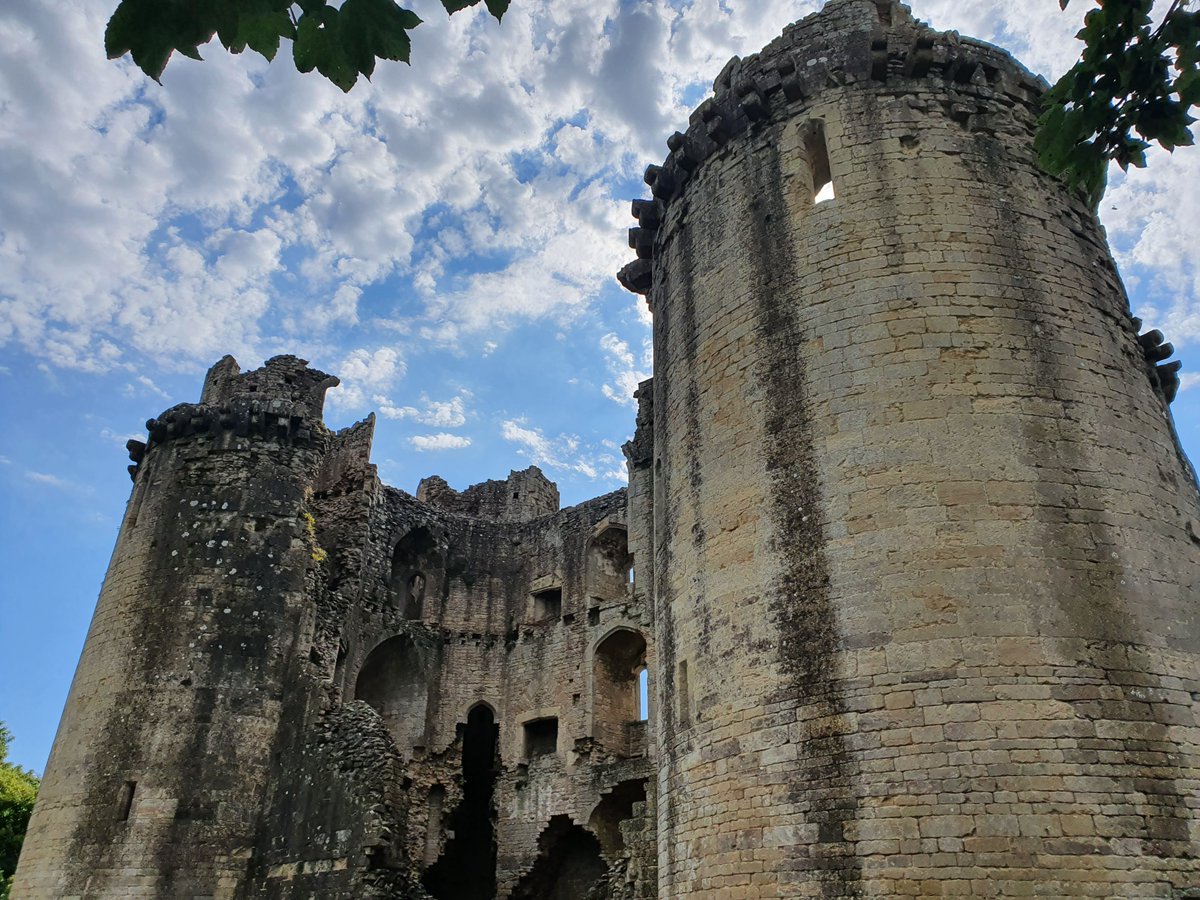
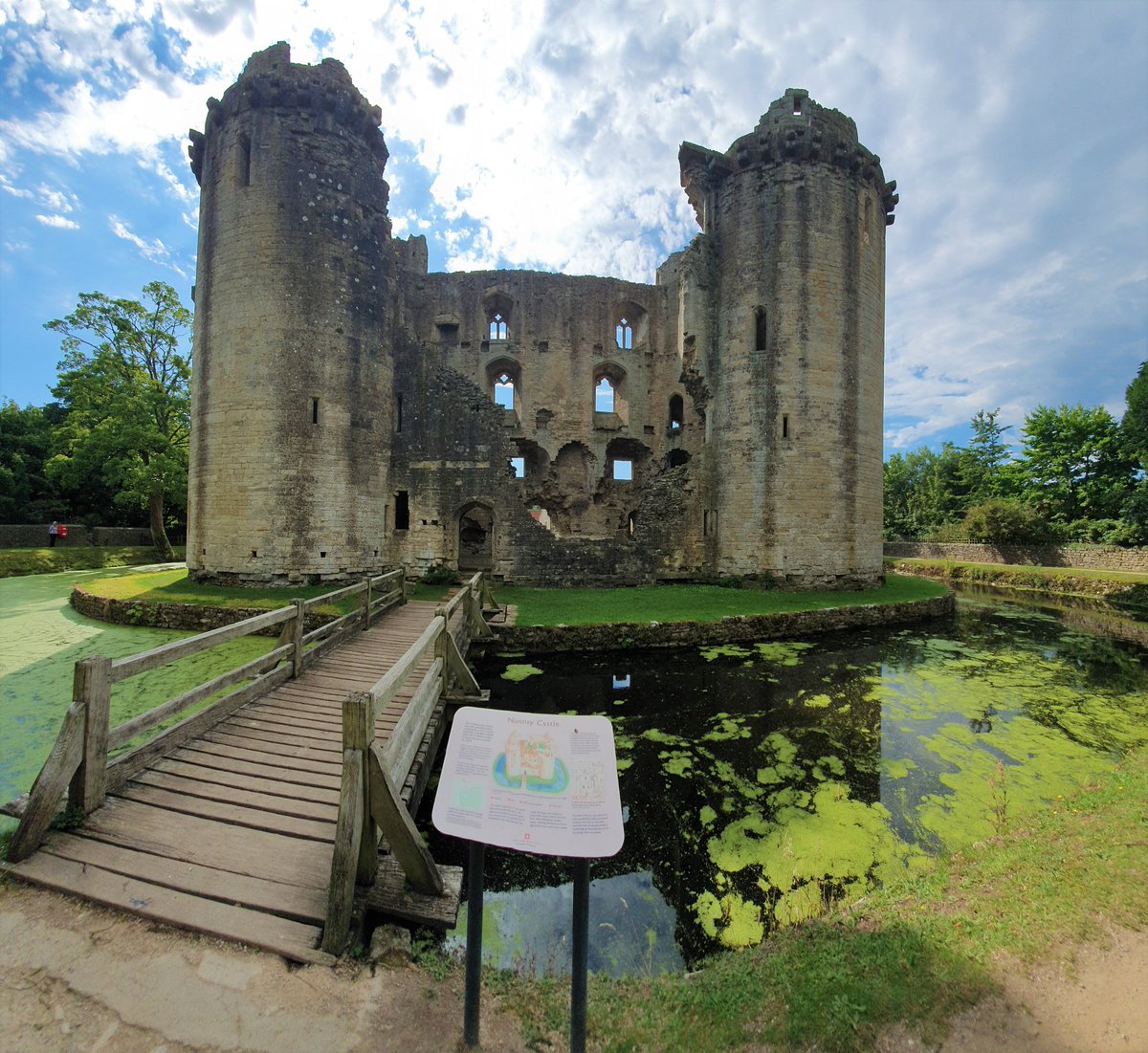
I nearly passed Nunney Castle—then the moat stopped me
Nunney Castle, in Somerset near Frome, is a compact moated residence with four round corner towers packed tightly around its living spaces.
I was about to carry on when I turned back for one proper look across the water. From there, the empty windows suddenly made sense as rooms rather than just holes in a ruin: a kitchen below, a hall higher up and private chambers above.
That changed it for me. It felt less like a fortress and more like a home stacked inside extraordinarily thick walls.
I just had to share this wonderfully odd little castle.
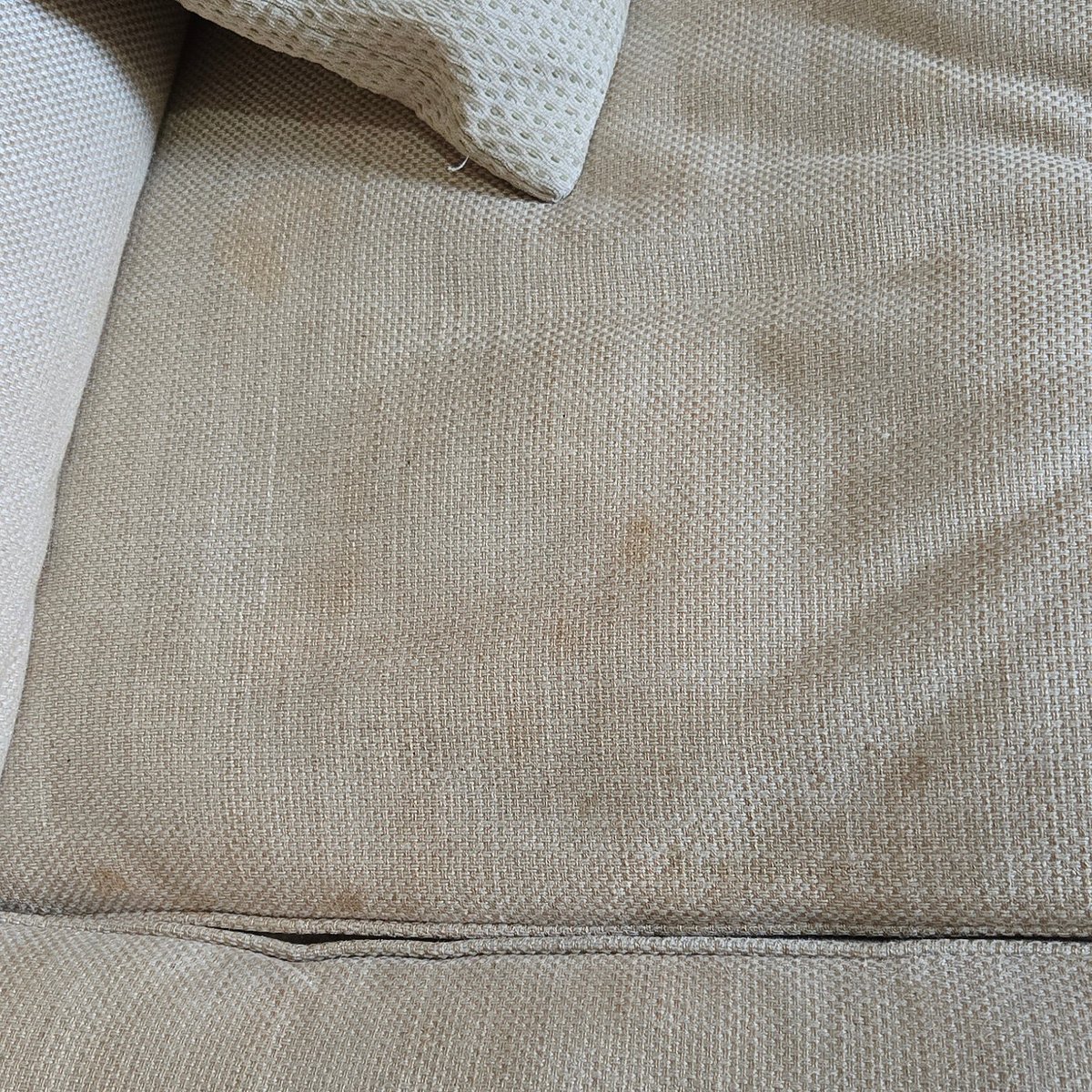
£250 for a castle stay with a cupboard-sized en-suite
I just stayed at Camelot Castle Hotel in Tintagel, Cornwall — a Grade II-listed Neo-Norman hotel built in 1899, rather than a medieval fortress — and the room completely killed the romance I’d expected.
The setting above the Cornish coast is glorious. Then we opened our room door.
The sofa and chair were stained, the bed looked distinctly past its best, and the tiny en-suite felt barely larger than the sort of cubicle you squeeze into on a train. At £250 for the night, I kept looking around wondering what exactly we had paid the premium for.
That was the maddening bit. I’m perfectly happy with old buildings being quirky (I usually prefer them that way), but cramped and tired is different from historic character.
The staff we met were polite and we had no problem with noise. I just came away wishing the room had matched the drama of the building outside.
Beautiful position, deeply disappointing stay. I hope anyone heading to Tintagel has a lovelier night than we did.
£15 took me behind Stirling Castle’s locked doors
At Stirling Castle in central Scotland, I added the £15 Secret Stirling tour and suddenly a castle I thought I knew opened up completely differently.
Only eight of us were on a tour capped at 12. Two guides took us through rooms and passageways normally hidden behind “Private” signs, then up into parts of the castle most visitors simply walk underneath.
The lovely detail was realising why there were two guides. One led us while the other stayed at the back, making sure nobody from the normal visitor route wandered through the doors after us.
We went up, down and through narrow old spaces, and even reached roof-level areas. That changed the place for me. Instead of admiring Stirling as one enormous royal fortress, I kept noticing the little passages people actually had to squeeze through and the rooms tucked behind the grand ones.
Tom would normally have made straight for the highest view. I was completely distracted by the doors we were being allowed through (predictably).
Historic Environment Scotland says these tours still access normally closed areas, although the exact rooms can change with weather and availability. That unpredictability is rather wonderful.
If you love castles but especially the bits ordinary admission never quite reaches, I’d happily recommend this one. Have a brilliant wander.
One dark stair changed the whole castle for me
I’ve just been wandering through Ludlow Castle in Shropshire, and I nearly walked straight past this narrow stone stair.
I turned back and climbed it instead. The worn steps, tight walls and sudden opening into the ruined rooms made the castle feel less like a grand fortress and more like somewhere people actually had to move through every day.
That small change of scale stayed with me far more than the biggest towers (Tom would absolutely disagree).
I just had to share this wonderfully ordinary corner of such a remarkable place. Hope you’re having a lovely day.
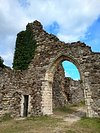
I crossed one little bridge and understood Montgomery Castle
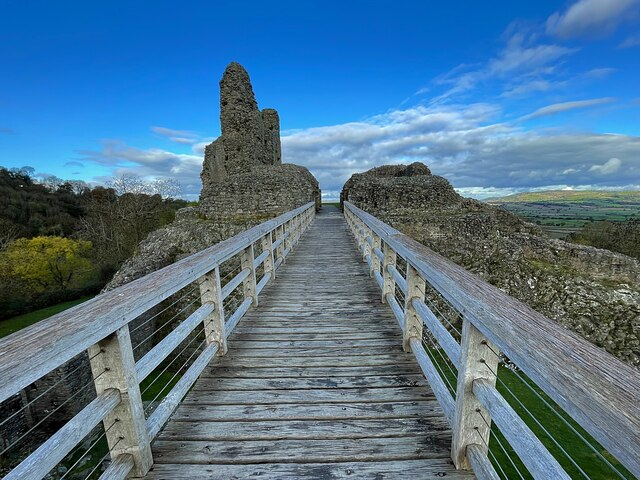
I’ve just been wandering around Montgomery Castle in Powys, and I stopped halfway across this wooden footbridge instead of hurrying into the ruins.
Looking down into the rock-cut ditch made the whole castle suddenly make sense. This narrow ridge was divided into successive defended areas, so reaching the heart of the castle meant getting through one obstacle after another.
It’s such a simple detail, but it turned scattered walls into a place I could actually picture working. I had to share this beautiful little approach — sometimes the ordinary route in tells you more than the grandest tower.
Kirby Muxloe’s unfinished tower made the whole castle click
I’ve just come out of Kirby Muxloe Castle in Leicestershire, and the bit I wanted to share wasn’t the moat or grand gatehouse.
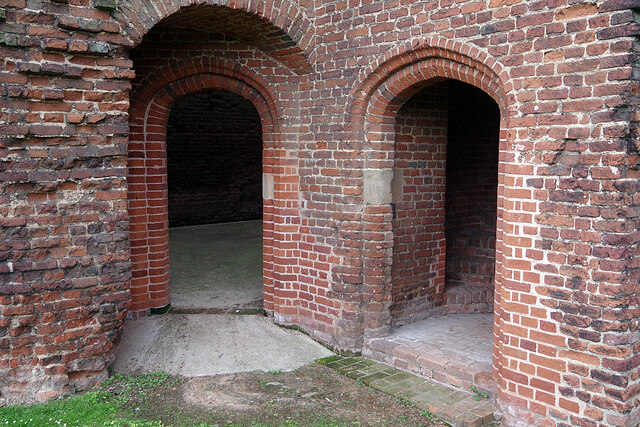
I stopped at two little brick doorways in the west tower. One leads into the ground-floor room; the other turns almost immediately into a tight spiral staircase. I followed it up (slowly!) and suddenly the castle felt far more human.
This was meant to be a much bigger fortified home, but most of it was never finished after its builder, Lord Hastings, was executed. That cramped completed staircase beside all that unrealised ambition stayed with me.
Stirling Castle let eight of us past the ‘Private’ signs
Stirling Castle in central Scotland runs a Secret Stirling tour into parts of the fortress normally closed to ordinary visitors, and I’ve just discovered how different a castle feels once you leave the public route.
There were only eight of us. Almost immediately we were passing through locked doors and heading into rooms and passageways I’d walked past before without knowing what was behind them.
Some routes twist through old stairways and narrow doorways. Then, wonderfully, we ended up on the roof.
That was the moment for me.
Tom would happily spend all day looking over the walls, but I kept thinking about the routes underneath us: servants carrying food towards royal banquets, private stairs used to move through the palace, generations of people squeezing through spaces never designed for thousands of modern visitors.
Even the slightly odd detail of having two guides suddenly made sense. One led us through; the other stayed behind so nobody from the main visitor route wandered through the doors after us.
Our guide knew the place inside out, but the best part was simply being allowed to see the castle from the wrong side of the barriers (exactly where I always want to look).
Stirling is impressive from the battlements. Behind the locked doors, it starts feeling inhabited.
If you love castles for the passages, kitchens and awkward little spaces as much as the grand views, I’d warmly recommend making time for this one. Have a brilliant day exploring.
Dirleton Castle’s kitchen stopped me before the towers did
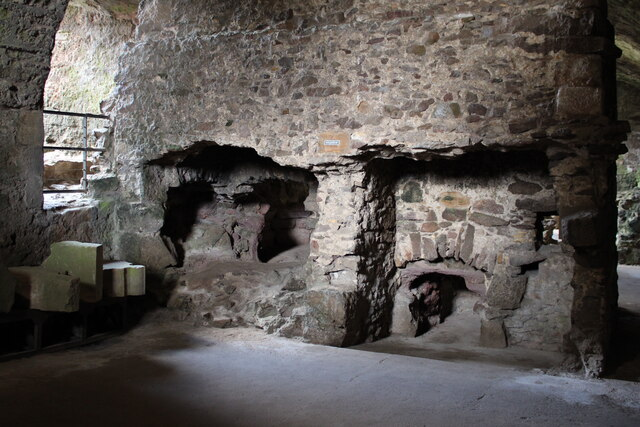
I’ve just been wandering through Dirleton Castle in East Lothian, and the part that stayed with me wasn’t the grand silhouette. It was the kitchen.
I turned in almost absent-mindedly and found those deep oven openings tucked into the stone. The kitchen and great hall are among the parts of the ruins visitors can still explore while conservation work continues elsewhere. Historic Environment Scotland
Standing there made the castle feel less like a fortress and more like a place where somebody had to keep everyone fed. I just had to share this wonderfully ordinary corner of it.
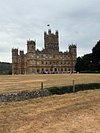
We paid £60 and never made it inside Highclere Castle
At Highclere Castle near Newbury, Hampshire—the real-life Downton Abbey house—we paid £60 for a 12.30 slot, then stood in a queue that barely moved for 45 minutes.
Tom and I had been looking forward to getting inside. I wanted the rooms and the traces of ordinary life behind all that television grandeur; he was ready to enjoy the architecture and tell me I was spending too long staring at doorways.
Instead, we spent our visit watching the queue inch forward.
After three quarters of an hour, we gave up and left without entering the house. That was the part that really stung: we had paid for a timed visit, reached the castle, and still decided that standing there indefinitely simply wasn’t how we wanted to spend the day.
The grounds didn’t rescue it for us either. After all that anticipation, walking away having never crossed the front door felt absurdly disappointing.
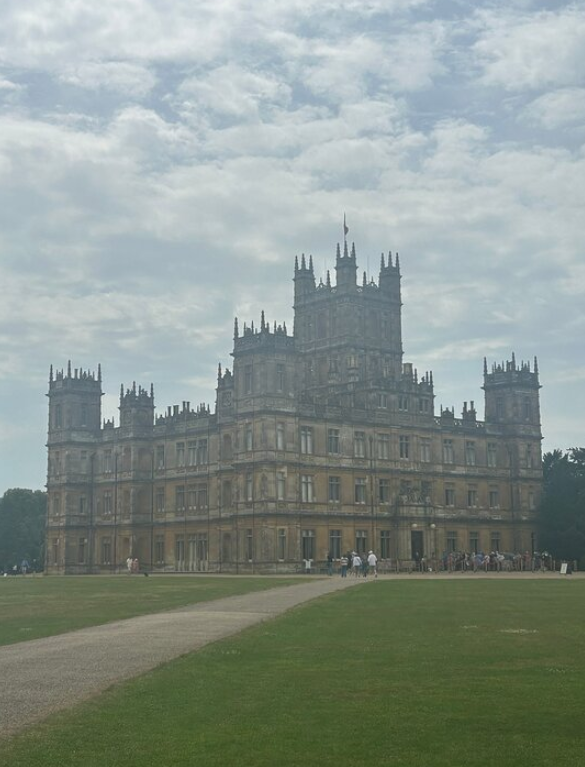
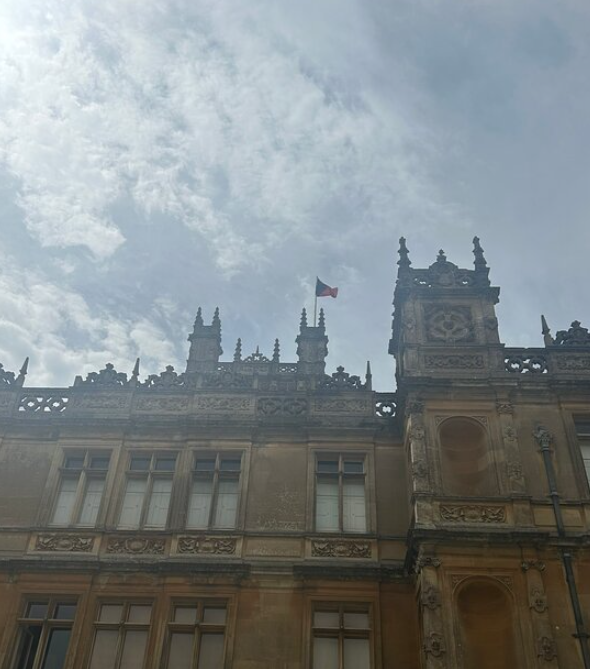
Highclere itself is magnificent to look at, but £60 and 45 minutes of queuing for a visit we eventually abandoned is a castle day I would not repeat.
This chaplain turned his own name into prison graffiti.
At the Tower of London in central London during the English Reformation, Thomas Abel was imprisoned in the 1530s after publicly opposing Henry VIII’s attempt to end his marriage to Katherine of Aragon. A tiny carving attributed to Abel still survives in the Beauchamp Tower. Historic Royal Palaces
I kept coming back to the odd little picture: “Thomas” cut above a bell marked with an A.
Read together, it becomes his name — Thomas A-bell.
It looks almost playful until you know who made it. Abel had been Katherine’s chaplain, and he published an argument that Henry could not lawfully divorce her. The dispute became part of a much larger struggle over royal and papal authority. Historic Royal Palaces
That makes this small piece of stone feel very different to me. A prisoner with almost everything controlled around him could still decide what mark he left on the wall.
Abel remained opposed to the king’s religious supremacy. In 1540 he was condemned and executed. His elaborate little joke on his own name outlasted both his imprisonment and the government that punished him. Project Gutenberg
The Tower is full of enormous walls, but sometimes it is one prisoner’s hand-sized mark that makes the place feel inhabited.
One little staircase changed how I saw Dolforwyn Castle
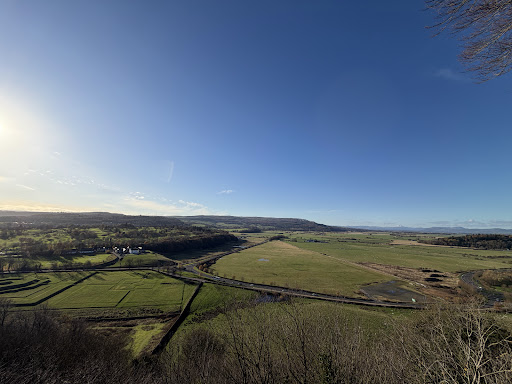
I’ve just reached Dolforwyn Castle near Newtown, Powys, after the steep walk up the ridge, and I thought the wide Severn Valley views would be what stayed with me.
Then I turned into the ruins and found these worn stone steps tucked against the surviving walls.
That small detail did it for me. Suddenly this stopped feeling like a plan of old foundations and became somewhere people actually moved through, one awkward step at a time.
I had to share this lovely corner because it gives the whole ruin such character. Hope you’re having a lovely day.
Stirling Castle’s royal palace suddenly felt alive again
I expected grand rooms and old stone. I didn’t expect to feel as if Scotland’s royal court had switched itself back on.
The costumed interpreters were brilliant. They spoke with visitors so naturally and knew the history so well that the restored palace stopped feeling like a museum display.
Then I reached the dazzling Hunt of the Unicorn tapestries. They’re modern recreations, woven to restore the atmosphere of James V’s court, yet the colour and detail floored me.
Mary, Queen of Scots, was crowned at Stirling in 1543. Standing inside those rooms, with the characters, tapestries and vast Great Hall around me, that fact suddenly felt human rather than distant.
I walked out to the view completely overwhelmed. I’ve visited plenty of historic places, but this was different.
Stirling didn’t merely show me a castle. For a few glorious hours, it made the whole place breathe again.
My Downton Abbey day fell apart at Highclere Castle
At Highclere Castle in Hampshire, near Newbury — the real home behind Downton Abbey — the souvenir I wanted most was one simple entrance photo. I left without it after a visit that had already become one frustration after another.
I’d watched groups ahead pause for their pictures. When I asked for ours, we were told we were holding up the queue. That mattered because Highclere allows personal photography outside but bans it inside the Castle, so this was the obvious place to get the photograph I’d been looking forward to.
My husband had bought the visit for me because I’ve loved Downton Abbey for years. I thought the rooms would be what I remembered.
Instead, I was still thinking about the start. Our tour guide had said my small backpack was acceptable, but when we arrived we were told it wasn’t. Highclere’s current guidance says large bags and backpacks cannot be taken into the grounds, but we’d turned up with different advice about this particular bag.
We’d also left our packed lunch behind because we wanted to eat there. At the tearoom there was only one baguette and two sandwiches left. Two drinks and the baguette cost us £18.
None of those things alone would have wrecked a castle visit. Together, they did.
This was meant to be a special gift built around something I genuinely love. Yet I came away remembering the bag, the £18 baguette-and-drinks stop and the photograph I never got far more clearly than the famous rooms.
I wouldn’t pay to repeat that day.
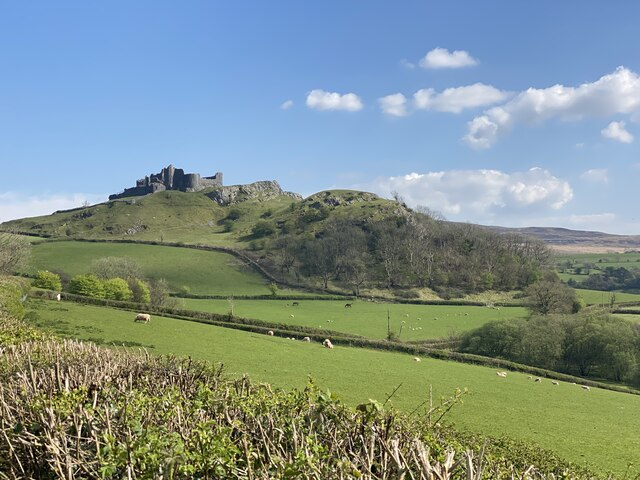
I walked beneath Carmarthenshire’s Carreg Cennen Castle into a natural cave
I came to Carreg Cennen Castle in Carmarthenshire expecting the clifftop ruin to be the whole experience. Then I turned into the south-east corner and found steep stone steps dropping below the inner ward into a narrow passage and a natural limestone cave beneath the castle.
I followed the rail as the window light faded, and that one detour changed the place for me. The castle stopped feeling like something simply built on a hill; it felt shaped around the rock itself.
I had to share this strange little descent because it is the detail I would remember long after the views. Hope you’re having a lovely day.
Rain grounded our broomsticks — then history had us in tears
At Alnwick Castle in Northumberland, we expected the children’s Harry Potter broomstick session to be the big moment. Bad weather turned it into a photo opportunity instead, but this huge inhabited castle somehow became more fun from there.
We were three adults with two children, aged five and two. Rather than let the rain spoil it, we carried on exploring. The children dressed up as a princess and a knight and marched into the courtyard completely absorbed in their new characters.
Inside, the youngest became hooked on the little “Hunt the Rats” activity. It was exactly the sort of detail that stopped the castle feeling like somewhere children simply had to trail behind adults.
Then the Silly History Boys performed. They were appearing at Alnwick as part of its summer programme, turning history into comedy, and the adults ended up laughing hard enough to have tears in our eyes. The children found it just as funny.
That was what surprised me most. The broomstick lesson is genuinely tied to Alnwick’s Harry Potter filming history, but the thing I remember most wasn’t pretending to fly. It was watching two little children throw themselves into castle life while the adults were reduced to tears of laughter nearby.
We could easily have written the day off when the weather spoiled the activity we were most expecting. Instead, it became one of those rare family outings where nobody felt they were waiting for someone else to finish having fun.
Eleanor de Montfort faced a siege outside Dover — and inside its tower.
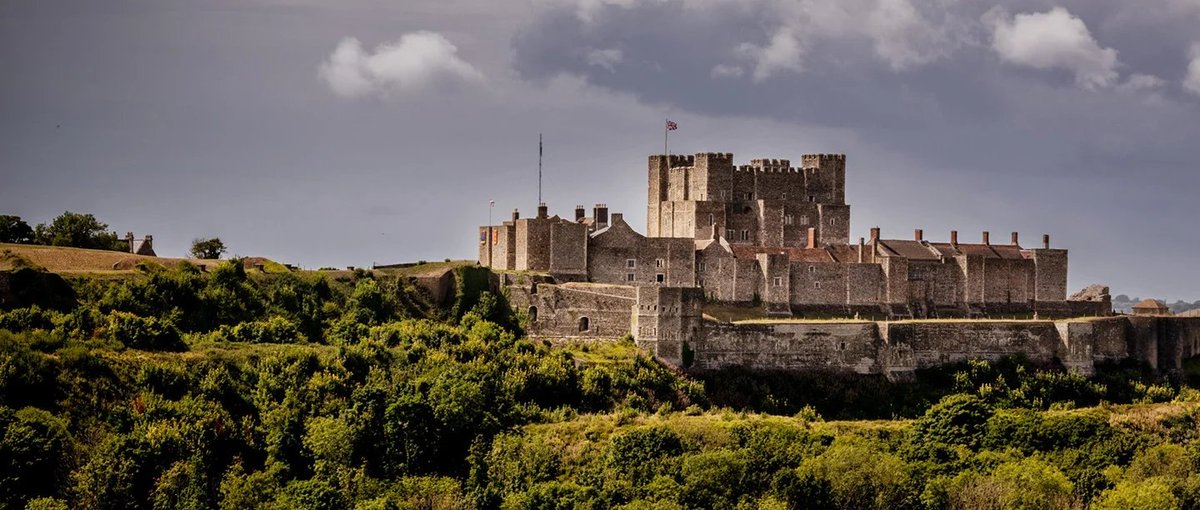
At Dover Castle in Kent, Eleanor de Montfort held a strategically vital Channel fortress during the Second Barons’ War after her husband and eldest son were killed at Evesham.
Only months earlier, her husband Simon had been the most powerful rebel in England. Prince Edward, the future Edward I, escaped captivity in May 1265 and the war swung violently back towards the king.
Eleanor moved to Dover. Its position above the Channel gave her a route to the continent and influence over the Cinque Ports. Her surviving household accounts show that this was not a passive refuge. She brought in a siege engine, employed an engineer and paid a garrison that included 29 archers.
Then Evesham destroyed the Montfort cause.
Simon and their eldest son Henry were killed on 4 August. Eleanor did not immediately give up the castle. She used Dover to get surviving family members out of danger, sending her younger son Richard towards the continent and moving 11,000 marks to France.
By autumn, even food was becoming harder to obtain. The household accounts record supplies being taken as booty rather than simply bought.
Then the danger came from inside the walls.
Fourteen royalist prisoners held in Dover’s Great Tower persuaded their guards to release them. They seized and fortified the tower itself, splitting the fortress from within. Eleanor’s supporters were suddenly facing enemies in the castle while Prince Edward’s forces closed in from outside.
There was no clean military escape from that position.
Eleanor negotiated.
She agreed to leave England and surrender the goods in the castle, apart from personal clothing and arms. In return, her supporters were pardoned. The settlement mattered: men who might otherwise have been treated as rebels survived the collapse of the cause they had backed.
Eleanor left England on 28 October and went into exile in France, eventually becoming a nun at Montargis.