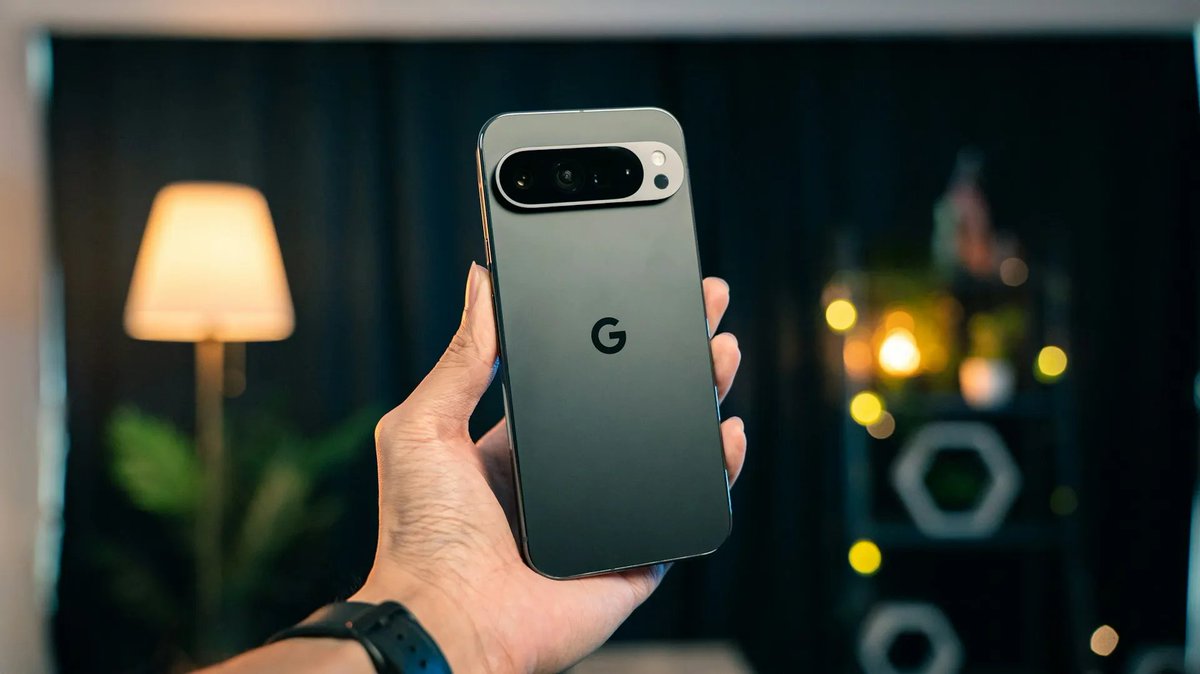
@Do_not_sell_ On https://t.co/6BJgeNTE9Z portal you can without username buy mullvad vpn, global esim packages and even flash secure OS for Google Pixel devices
Privacy doesn’t fail at encryption.
It fails at architecture.
Most systems secure apps.
Few secure the device itself.
Castrum OS starts where others stop.
Most “secure Android” systems stop at hardening.
Castrum OS goes further.
• Data is not just encrypted - it’s isolated
• Suspicious activity = automatic response (even wipe)
• No leftover logs. No traces.
• Real-time threat detection at system level
• Strict security policies, always enforced
Built fully in-house.
No experimental builds. No shortcuts.
This isn’t just privacy.
This is control.
@Cobratate Not exactly. Modern devices can be properly powered off.
The real issue is what’s running before and after you think you’re in control.
That’s where OS design matters.
Your phone knows more about you than your friends do.
And you’re okay with that?
We’re not.
Castrum OS flips the model: → no tracking ecosystem
→ no data leakage
→ no uncontrolled apps
Real privacy isn’t an app.
It’s architecture.
🚨🇦🇪 Dubai Police are confirmed to be "conducting electronic surveillance operations capable of detecting private WhatsApp messages."
It started with a message in a private group chat of airline workers.
Just colleagues talking, the kind of exchange that happens in thousands of workplace WhatsApp threads every single day.
An airline worker in Dubai shared images of a building damaged during the Iranian attacks...
He sent them to people he knew, in a closed conversation he believed was private.
He was wrong.
Dubai Police were watching.
They downloaded the evidence.
They built their case.
Then they lured the man to a meeting.
He showed up.
They arrested him on the spot.
He now sits in custody, facing charges that include publishing information deemed harmful to state interests, which could mean up to two years behind bars.
And then came the detail that should stop everyone reading this cold.
In their own police report, authorities stated plainly that the clip had been detected "through electronic monitoring operations."
Electronic monitoring of a private WhatsApp conversation between coworkers...
Radha Stirling (a human rights activist) put it bluntly: individuals are being tracked, identified, and arrested not for public statements, but for private exchanges between colleagues.
And the questions this raises don't stop at Dubai's borders.
They land squarely at the feet of WhatsApp and every company that promises its users end-to-end encryption capabilities.
Because if a closed chat between colleagues can be intercepted, decoded, and used as the basis for an arrest by an overreaching state, then billions of users worldwide are owed an answer to one very simple question.
How private are private Whatsapp groups and messages really?
.@vonderleyen "The European #AgeVerification app is technically ready. It respects the highest privacy standards in the world. It's open-source, so anyone can check the code..."
I did. It didn't take long to find what looks like a serious #privacy issue.
The app goes to great lengths to protect the AV data AFTER collection (is_over_18: true is AES-GCM'd); it does so pretty well.
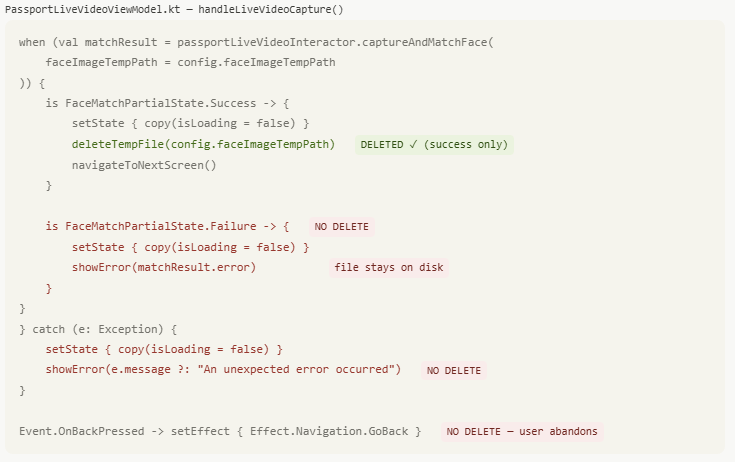
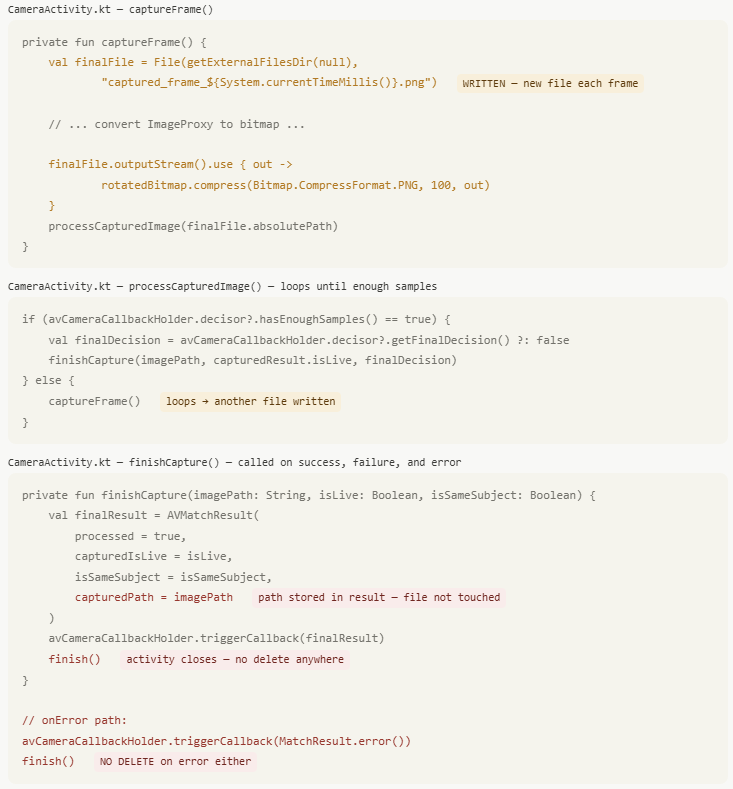
But, the source image used to collect that data is written to disk without encryption and not deleted correctly.
For NFC biometric data:
It pulls DG2 and writes a lossless PNG to the filesystem. It's only deleted on success. If it fails for any reason (user clicks back, scan fails & retries, app crashes etc), the full biometric image remains on the device in cache. This is protected with CE keys at the Android level, but the app makes no attempt to encrypt/protect them.
For selfie pictures:
Different scenario. These images are written to external storage in lossless PNG format, but they're never deleted. Not a cache... long-term storage. These are protected with DE keys at the Android level, but again, the app makes no attempt to encrypt/protect them.
This is akin to taking a picture of your passport/government ID using the camera app and keeping it just in case. You can encrypt data taken from it until you're blue in the face... leaving the original image on disk is crazy & unnecessary.
From a #GDPR standpoint:
Biometric data collected is special category data. If there's no lawful basis to retain it after processing, that's potentially a material breach.
https://t.co/PKQ0DWSYzL
Apps are sandboxed, yes.
But notifications still pass through the OS layer.
Depending on how they’re handled, some data or metadata can still be processed there.
That’s the distinction.
Also worth considering: clipboard is OS-level too.
If you copy sensitive text (even from Signal), it may be temporarily accessible system-wide.
If you’re on iOS and privacy matters, enabling Lockdown Mode is also a good step.
@mer__edith Hiding the sender or message content isn’t a real fix.
If the system still logs or stores it,
the data is still there.
Privacy has to be enforced at the OS level.
Anything else is just a workaround.
Most people don’t realize how deep it goes.
Android today is not just an operating system.
It’s an ecosystem of dependencies.
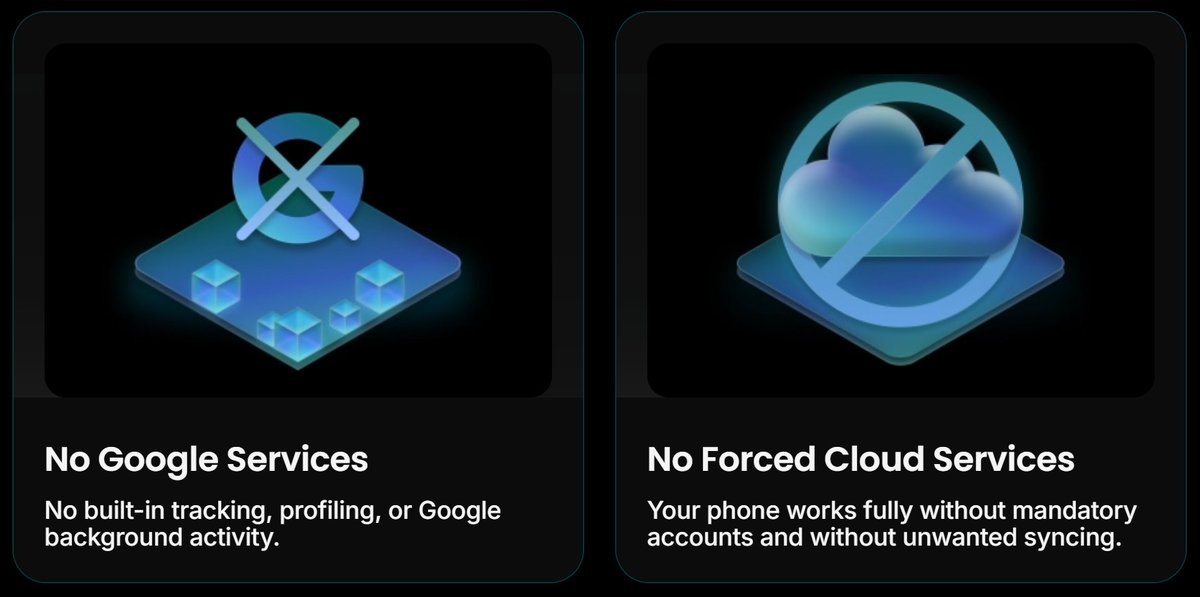
Google Play Services
Background connections
Silent data flows
System-level integrations
All running by default.
All trusted without question.
And the craziest part?
People don’t care.
Not because they agree,
but because they never really looked.
Privacy didn’t disappear overnight.
It was slowly abstracted away.
Castrum OS is built on a simple idea:
You should know what runs on your device.
And you should be the one in control.
"I have nothing to hide."
False.
You have medical history.
You have financial behavior.
You have location patterns.
You have political views.
You have relationship data.
Privacy was never about hiding crimes.
It was always about owning your life.
Castrum OS now supports 4 new devices:
Google Pixel 10
Google Pixel 10a
Google Pixel 10 Pro
Google Pixel 10 Pro XL
Pixel 10 launch access is now open.
Use code P10LAUNCH for €100 off the flashing key.
Your device. Your control.
No tracking. No compromises.
..// welcome to Castrum OS
We respect what Session has built for privacy over the years.
But this highlights a bigger issue in the space.
Privacy infrastructure cannot depend on donations long term.
It needs a sustainable model from day one.
At Castrum OS, we believe users should understand the value upfront
and support what they rely on.
“If you don’t pay for the product, you are the product.”
Without additional funding, Session's doors will close next month.
Please read this appeal from Session co-founder Chris McCabe.
https://t.co/nTJCocoDwI