PLS RT #NGSSchat
Thrilled to announce FREE online #SciEd PD session Monday, 5/18, 2:30-4pm PST on HOW TO SUPPORT HOME-BASED SCIENCE LEARNING DURING SCHOOL CLOSURES
I will be joined by @meganbang3 @tzouct & @lbricker10 from Learning in Places
Sign-up: https://t.co/XlYmX4rRhW
Need help establishing norms while #remoteteaching? Check out this resource co-constructed by Ts and @OpenSciEd, @utdanacenter, and @inquiry_hub staff for suggestions to develop/maintain norms that promote safe student-driven learning experiences https://t.co/2QSZmBr00g
Teachers + families across the country are facing a new reality of providing opportunities for students to do science through distance + home learning. The #DailyDo is one of the ways #NSTA is supporting teachers + families with this endeavor. @TdiShelton https://t.co/FVMa7CRENH
Hi all—Let's be careful about colonizing home/family life with the norms of schooling at this time.
Specific teaching & learning practices from formal ed might make sense—but families have their own learning practices & ways of talking to be leveraged #EquityFirst#FocusOnAssets
NEW & IMPROVED—Formative assessment is key to learning. We have refined our process & tools for developing 3D #NGSS assessment tasks in the @AcesseProject over the past 4 years. We just updated our 12-page How-To guide on @STEMTeachTools.
PLS RT #NGSSchat
https://t.co/wxjJaRXmQj
Today's #NSTA#DailyDo explores something many students + families are familiar with, eggs! This task, What's in an Egg? engages students in science + engineering practices to figure out why some eggs produce chickens (or other living things) + some do not https://t.co/lproZnvOsW
PLS RT #NGSSchat—Are you supporting TEACHERS & FAMILIES as they figure out #SciEd instruction at this moment of home-based learning?
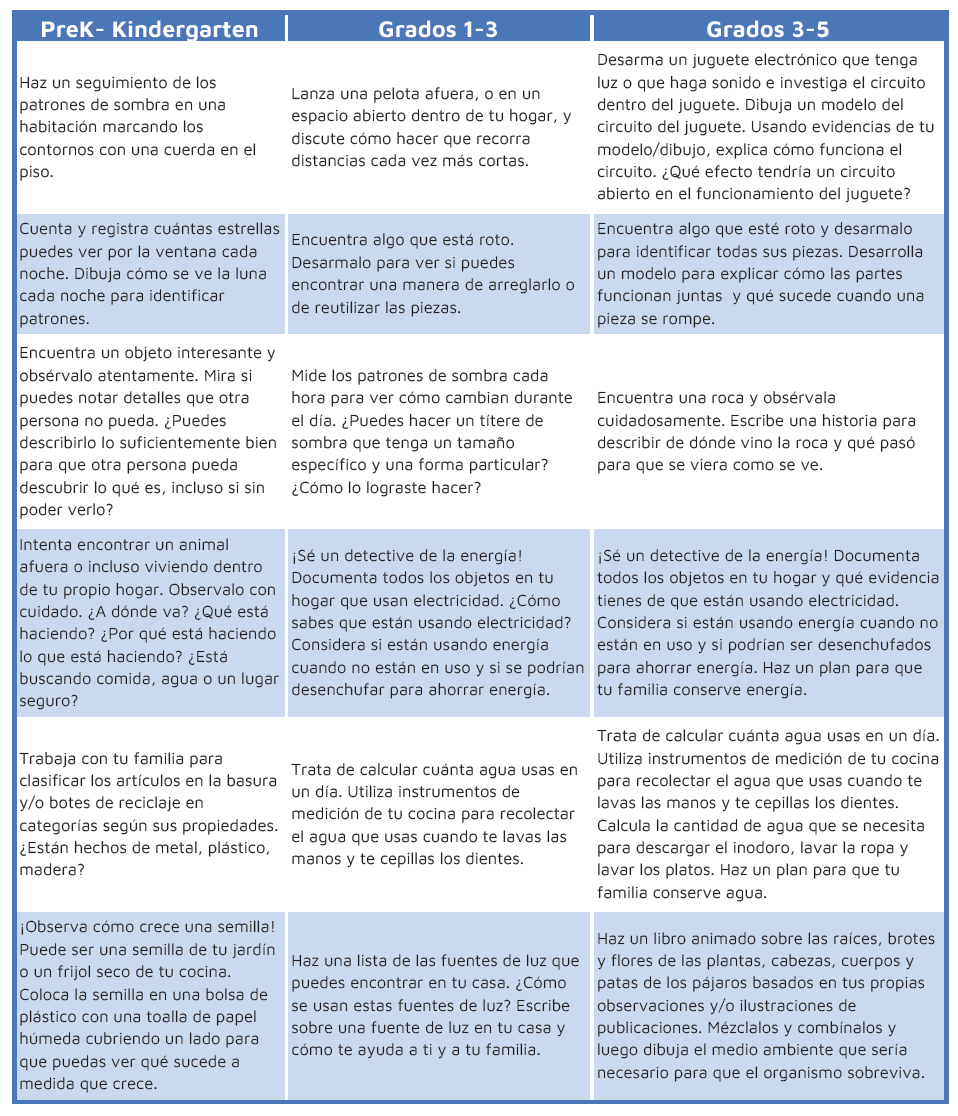
@CSSSupervisors published SAMPLE K-12 LEARNING MENUS—in multiple languages under Creative Commons that can be adapted.
https://t.co/W7ZgwDJ7HO
Sending love and appreciation to all science teachers on quarantine. As you consider ways to maintain the inquiry and argumentation aspects of your teaching, here are a simple set of resources to use.#QuaratineLife#STEM#ScienceEducation#NSTA#NGSS
https://t.co/ow3TQGh8w5
We want to hear from YOU! Share your ideas, tips and strategies for teaching K-12 students online with our #LearningTogether page. Together we can do amazing things! https://t.co/5zLrBGzPRY
PLS RT #NGSSchat
SUPPORTING STUDENTS’ SCIENCE LEARNING DURING COVID-19 SCHOOL CLOSURES - UPDATED
These documents from @CSSSupervisors were refined & are now available in English, Spanish & Arabic. Nicely laid out versions also available. Pls share/adapt!
https://t.co/W7ZgwDJ7HO
#Parents, #Teachers! #NSTA is here to help you stay informed and on-track with free access to our Interactive eBooks+ during these school closures. Just view your grade-level appropriate e-book choices by going to this page here: https://t.co/jamRBlXugn
#LearningTogether
For my science teachers here are a bunch of downloadable lessons for you to use. I will post interactive home- based lessons by the end of the week. https://t.co/URVRQZE7vW #STEM#NGSS#ScienceTeacher#ScienceEd
Was great to connect with my HS chemistry teacher @cates_e who now is the Idaho State #STEM & Science Supervisor!
She is a great female scientist & educator role model!
Peep the #throwback pic to a HS 80s day!
Good luck in your new position!
#WomenInSTEM#scicomm#edchat
All students should routinely have opportunities for processing their thinking through talk—along with drawings, gestures, movements, etc. This resource provides a bevy of resources to scaffold & guide LEARNER-CENTERED DISCOURSE. #SciEd#NGSSchat#NGSS
https://t.co/UyKkg5y0Za