#stem#summerprogram#MissionToMars#catholictech
Planning and Executing a Mission to Mars 🚀🔭
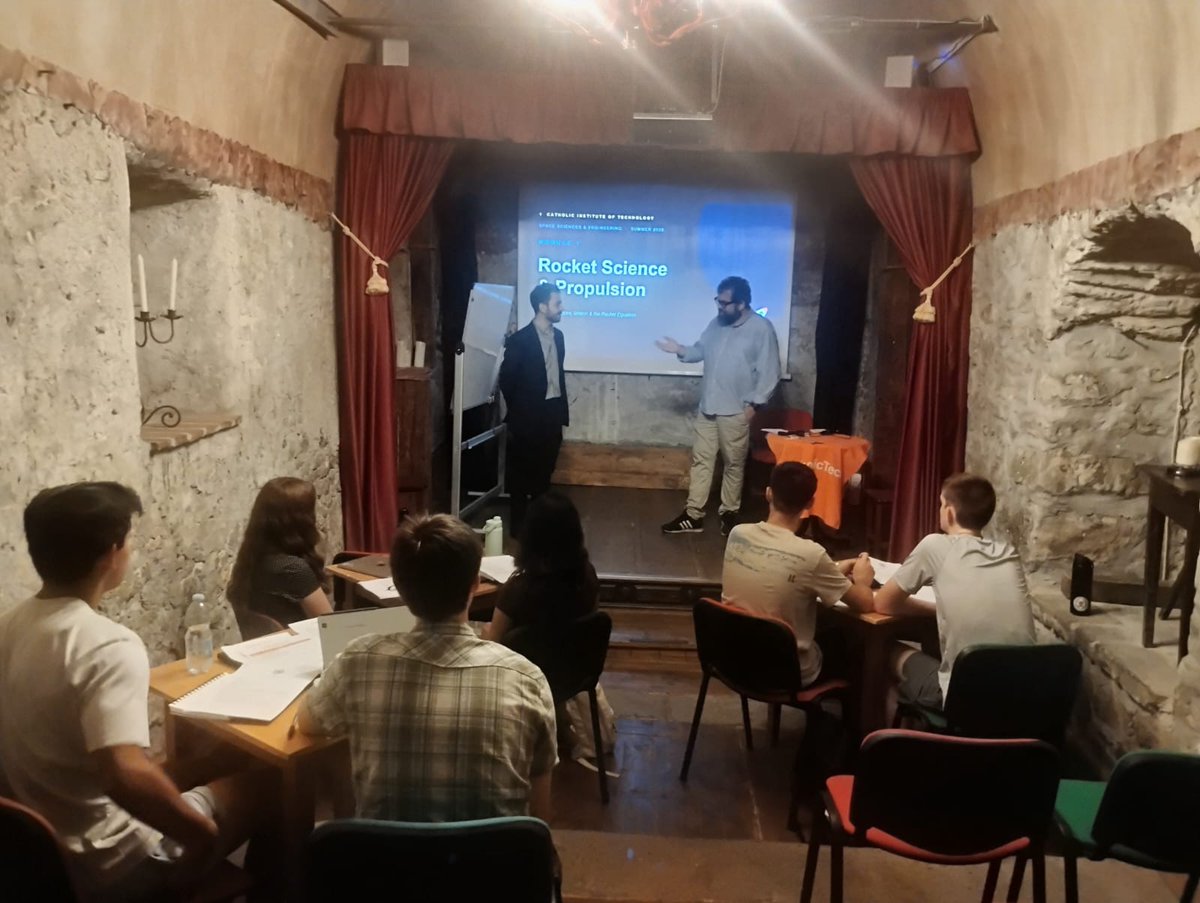
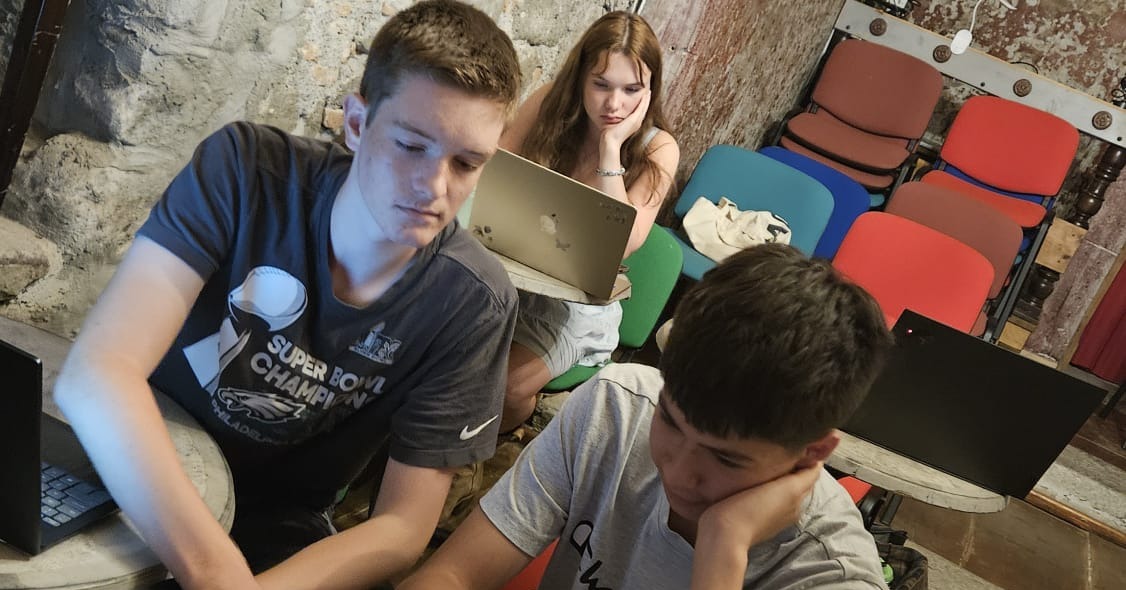
Today we wrapped up the final project of our Summer Program: a full theoretical and simulated mission to Mars. Guided by Professors Dr. Rodrigo Negreiros ,Dr. Caio Wichrowski and Br Robert J. Macke the students explored spacecraft design, mission logistics, and problem‑solving under real‑world constraints.
Their creativity, teamwork, and scientific curiosity were truly impressive. Watching them present their mission plans today was inspiring — the future of STEM is bright.
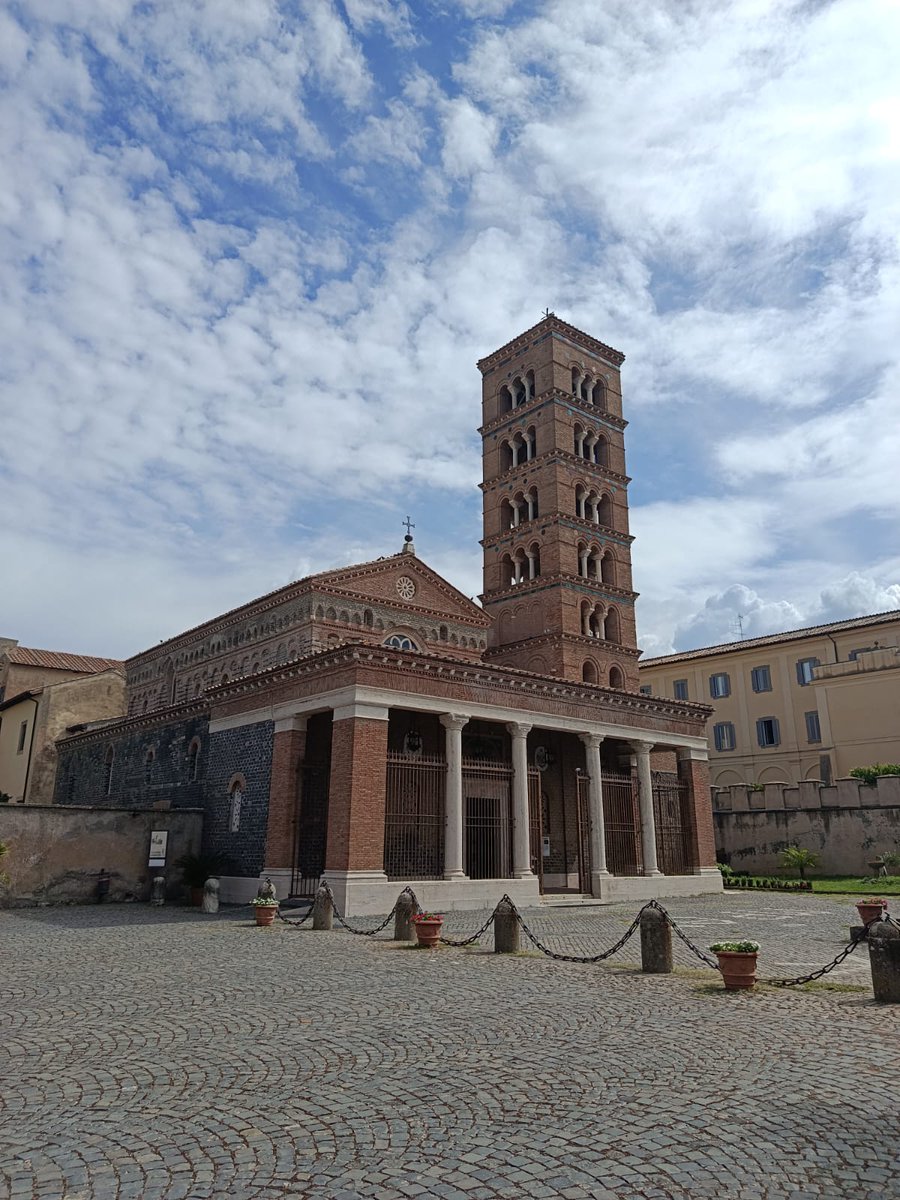
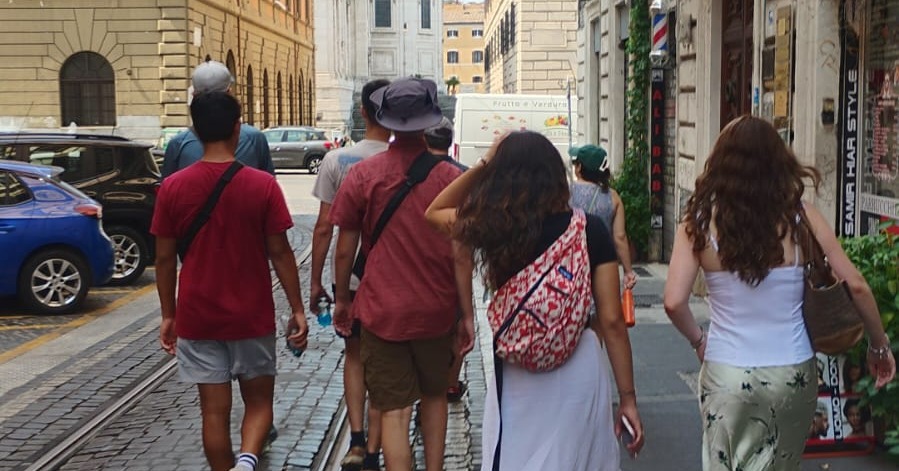
Visiting the Papal Palace, St. Peter’s Square, the Holy Stairs, St. Paul Outside the Walls, enjoying the lake, the very special city of Assisi , and so much more…
Our Summer Program is filled with surprises, culture and history!
What bug, calculation, or experiment made you sweat this week?
What recent scientific discovery got you excited?
What study technique boosted your performance in STEM?
Who inspired you to step into the STEM world?
Share your story. STEM is built by curious minds like yours!!!!
#STEMCommunity #TechAndScience #catholictech
From Santa Maria Maggiore to the Colosseum and the Roman Forum, our students experience Rome’s beauty up close.
At Catholic Tech, life is a blend of spirituality, technology, culture, and fun.
We learn, explore, pray, and celebrate together , growing in faith, knowledge, and joy as one community.
#catholictech #romeadventures
We’re back! After a brief break, we’re excited to return with a look at an incredible summer at CatholicTech.
This year, our High School Summer Program is exploring Space Science and Engineering bringing students together to study the science of space, tackle hands-on engineering challenges, and discover how faith, reason, and human ingenuity can help us better understand the universe.
Over the coming days, we’ll be sharing highlights from the program, introducing our students and instructors, and giving you a glimpse into life at CatholicTech this summer.
The countdown is over. Let’s explore. 🚀
#ScienceEducation #Astrophysics #STEAMEducation #FaithAndScience #StudyAbroadItaly
We’re back! After a brief break, we’re excited to return with a look at an incredible summer at CatholicTech.
This year, our High School Summer Program is exploring Space Science and Engineering bringing students together to study the science of space, tackle hands-on engineering challenges, and discover how faith, reason, and human ingenuity can help us better understand the universe.
Over the coming days, we’ll be sharing highlights from the program, introducing our students and instructors, and giving you a glimpse into life at CatholicTech this summer.
The countdown is over. Let’s explore. 🚀
#ScienceEducation #Astrophysics #STEAMEducation #FaithAndScience #StudyAbroadItaly
We’re back! After a brief break, we’re excited to return with a look at an incredible summer at CatholicTech.
This year, our High School Summer Program is exploring Space Science and Engineering bringing students together to study the science of space, tackle hands-on engineering challenges, and discover how faith, reason, and human ingenuity can help us better understand the universe.
Over the coming days, we’ll be sharing highlights from the program, introducing our students and instructors, and giving you a glimpse into life at CatholicTech this summer.
The countdown is over. Let’s explore. 🚀
#ScienceEducation #Astrophysics #STEAMEducation #FaithAndScience #StudyAbroadItaly
atholic Social Doctrine is a living tradition of discernment.
Rooted in Scripture and developed through centuries of reflection, it brings the unchanging truth of the Gospel into dialogue with the signs of the times.
Rerum Novarum affirmed human dignity in work, a just wage, and the priority of people over profit, reminding us that evangelization and justice belong together.
#catholictech #catholic #vatican
Happy Last Day of Classes, CatholicTech!
Today we close out our second academic year on a beautiful, summer day in Rome. Students will spend the next few days preparing for finals week and their summer break.
Please keep our students in your prayers as they prepare for their exams and journey home to for the summer!
#catholictech #stemeducation #finalsweek
"The truth is a gift to be shared, not a possession to be monopolized."
Catholic Social Doctrine isn't a fixed set of universal solutions. It's shared discernment: the encounter between the Gospel's eternal truth and the questions of history.
"Time is greater than space." Initiate processes. Read the signs of the times. Grow through exchange.
#catholictech #catholic #vatican
Science keeps making the case for tea.
A major 2025 review found that regular tea consumption was associated with:
▪️ Better heart health
▪️ Lower risk of cognitive impairment
▪️ Improved metabolic health
▪️ Support for muscle preservation
Sometimes the most powerful health habits are also the simplest.
#catholictech #stem #health #research
Today we celebrate the Feast of the Immaculate Heart of Mary, a devotion closely associated with yesterday's feast of the Sacred Heart.
The Immaculate Heart of is a sign of the greatest purity and love in the heart of Mary for God. Her heart points us to her deep interior life of both joy and sorrow.
When we honor Mary's Immaculate Heart, we ultimately give honor to Jesus - by honoring His mother, we honor Him.
#catholictech #catholic #mary
Today we celebrate the Feast of the Sacred Heart of Jesus. This devotion honors the Sacred Heart, the human love that manifested to us God's eternal love for all.
This feast is rooted in both Scripture and devotion. Specifically the passage of the Gospel of John where Jesus' side is pierced on the cross and blood and water flowed out. This is a direct reference to His Sacred Heart.
It is also tied to the visions of a 17th century mystic, St. Margaret May Alacoque. Jesus revealed to her His physical heart, surrounded by flames, representing the burning intensity of His love for humanity, and also a crown of thorns, representing human sin.
The devotion of the Sacred Heart honors His heart, but also emphasizes the need for reparation in response to humanity's indifference to the sacrifice of the cross.
O Sacred Heart of Jesus, we place our trust in you!
#catholictech #catholic #feastday #sacredheartofjesus
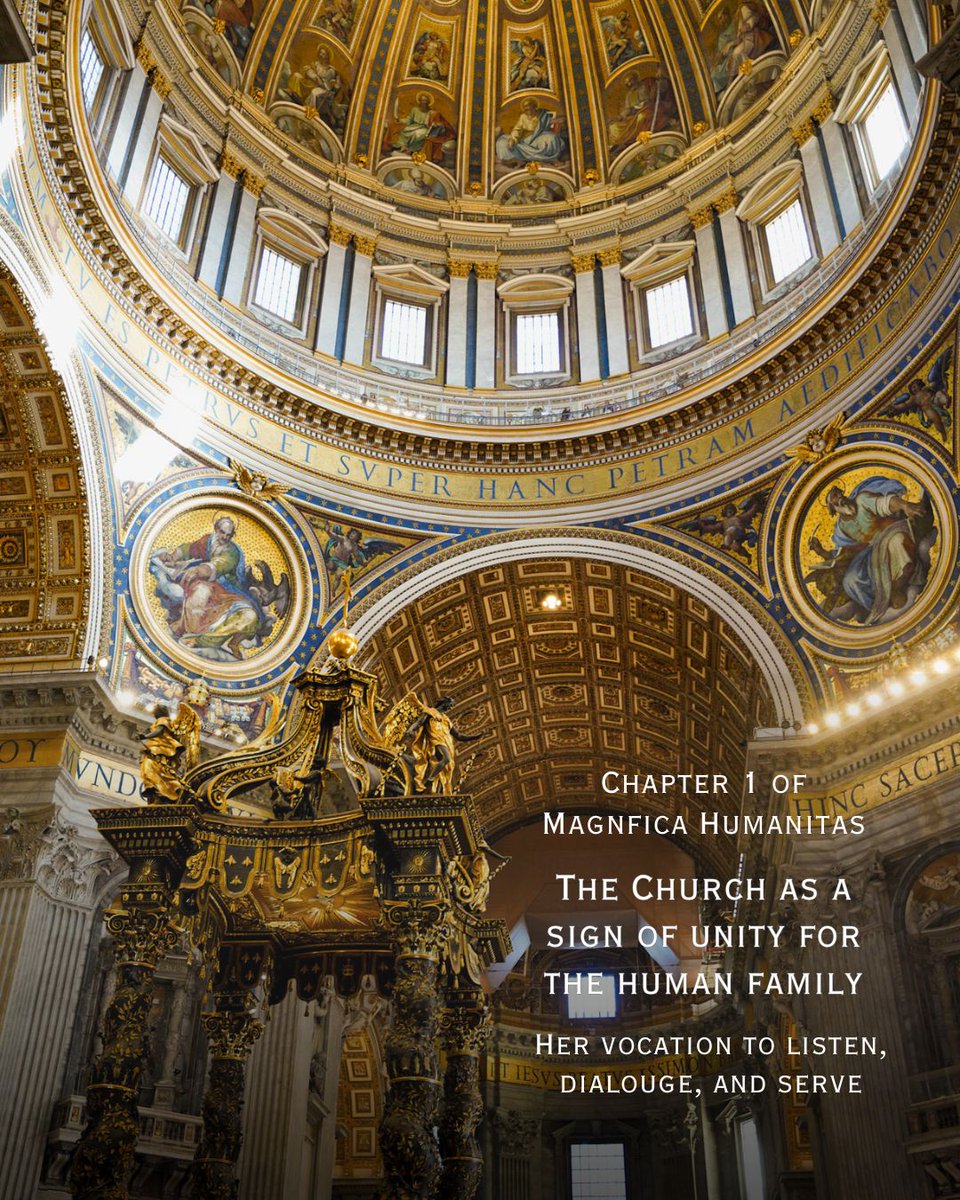
The Church is called to be "a sign of unity for the whole human family."
She listens, enters into dialogue, serves the vulnerable, and promotes human dignity, without replacing the role of civil society.
In Chapter 1 of Magnigica Humanitas, Pope Leo emphasizes that faith doesn't withdraw from the world, but that it must accompany it.
#catholictech #catholic #popeleo #vatican
Today we celebrate the feast of our patroness, Our Lady Seat of Wisdom!
This title for Mary is an ancient devotion in the Church, celebrating Mary as the bearer of Divine Wisdom: Christ Himself.
Jesus is Wisdom Incarnate, and because Mary carried Him in her womb, her body essentially became the throne, or seat, of Wisdom.
This title recognizes Mary's receptivity of God's will, and how she spent her life pondering the mysteries of God in her heart. Because of this, she is the perfect model of the pursuit of wisdom by listening and living out His Word.
Our Lady Seat of Wisdom, pray for us!
#catholictech #catholic #mary #seatofwisdom
Today we celebrate the Feast of Corpus Christi, also known as the Solemnity of the Most Holy Body and Blood of Christ. This celebrates the real presence of Jesus Christ in the Eucharist and is a reminder of Jesus' sacrifice of Calvary being made present at every Mass.
This beautiful feast gives us the opportunity to adore the Eucharist in a very meaningful way. Through the celebration of the Mass, Jesus is present to us completely, in His Body, Blood, Soul, and Divinity, in the Blessed Sacrament.
We hope that you can spend some time with Jesus in the Blessed Sacrament today by going to Mass, participating in Eucharistic adoration and processions, and any other traditions from who may be from. Happy Feast Day!
#catholictech #catholic #feastday #eucharist
In the conclusion of the Introduction to Magnifica Humanitas, Pope Leo sets the stage for us to build a City of God. But how can we do this in our times?
▪️Pope Leo follows the tradition of St. Augustine on this, stating that we must have a firm foundation of God Himself for this to be possible.
▪️We must accept the limits and weakness of humanity without considering them to be a mistake to be corrected.
▪️We all have a shared responsibility and need courage to rebuild the City.
▪️This task requires evangelical language, to clarify and set standards for discerning to make them into practices.
Follow along with us, as next week we'll dive into Chapter 1 of this encyclical
#catholictech #catholic #popeleoxiv #vatican #technologyethics