HE President Dr. @edmnangagwa today received a delegation from the African Apostolic Church at State House. Led by Dr. Masimba Mwazha, the church expressed gratitude to Government for the support rendered during the passing of their founder, Archbishop Paul Mwazha and for the honour of conferring National Hero status on the late Archbishop. The delegation also commended the President for spearheading programmes that uplift livelihoods and congratulated Zimbabwe on securing a non‑permanent seat on the United Nations Security Council.
Later, the President met the leadership of the Church of Central Africa Presbyterian, led by Moderator Reverend Gibson Botomani. Rev. Botomani told the press that the visit was meant to introduce the church’s leadership and reaffirm its commitment to complementing Government programmes in advancing national development.
Since I was attending Cabinet yesterday, I unfortunately missed this tragic incident. However, I wish to commend and applaud Victor “Coach Rambo” Kazembe for his extraordinary courage and selfless service.
In a moment of great tragedy, he displayed the strength of a lion and the heart of a servant, risking his own life to bring dignity to the deceased and closure to grieving families. His actions remind us that true heroes are defined not by words, but by sacrifice and service to others.
As a nation pursuing food security and sustainable development, we need more citizens with such compassion, integrity, and commitment to humanity. Men like Coach Rambo place the welfare of others before personal gain, and those are the values that build a strong nation.
I will find time to humbly appeal to His Excellency, President Dr. E.D. Mnangagwa, to consider recognizing and rewarding this outstanding son of the soil. A piece of land and a few cattle would be a fitting gesture of appreciation and would empower a man who has already demonstrated that service to others comes first.
Zimbabwe is proud of Victor “Coach Rambo” Kazembe. We salute his courage, sacrifice, and unwavering commitment to humanity. May his example inspire us all.
Senator Douglas Mwonzora’s article “Why A Referendum on #CAB3 Is Unavoidable” presents itself as constitutional analysis but collapses under its own contradictions. His case leans on implication and selective reading, ignoring the Constitution’s clear amendment framework. In law, implication cannot override express provisions, nor can political anxieties be repackaged as constitutional inevitabilities.
His reliance on Section 67 stretches the clause beyond recognition. The Constitution guarantees political rights, but it does not lock every office into direct election forever. Adjusting succession mechanisms is not the same as extinguishing the right to vote. Likewise, www. #CAB3 does not abolish presidential elections; it addresses continuity and stability within a term. To equate succession adjustments with repealing Section 67 is to invent a crisis.
Mwonzora’s reading of Section 328(7) is equally selective. Constitutional clauses must be interpreted holistically, not in isolation. Whether an amendment “extends” a term is a matter for legal and parliamentary interpretation, not political proclamation. His “two referendums” theory also lacks constitutional foundation, relying on expansive implied meanings rather than clear text.Ultimately, the argument reveals more politics than law. Insisting a referendum is “unavoidable” looks less like neutral legal reasoning and more like a strategy to shift a parliamentary contest elsewhere. Constitutional democracy rests on institutions, procedure and lawful interpretation. If #CAB3 is unconstitutional, the courts not newspaper opinion pieces will decide.
Senator Douglas Mwonzora’s article “Why A Referendum on #CAB3 Is Unavoidable” presents itself as constitutional analysis but collapses under its own contradictions. His case leans on implication and selective reading, ignoring the Constitution’s clear amendment framework. In law, implication cannot override express provisions, nor can political anxieties be repackaged as constitutional inevitabilities.
His reliance on Section 67 stretches the clause beyond recognition. The Constitution guarantees political rights, but it does not lock every office into direct election forever. Adjusting succession mechanisms is not the same as extinguishing the right to vote. Likewise, www. #CAB3 does not abolish presidential elections; it addresses continuity and stability within a term. To equate succession adjustments with repealing Section 67 is to invent a crisis.
Mwonzora’s reading of Section 328(7) is equally selective. Constitutional clauses must be interpreted holistically, not in isolation. Whether an amendment “extends” a term is a matter for legal and parliamentary interpretation, not political proclamation. His “two referendums” theory also lacks constitutional foundation, relying on expansive implied meanings rather than clear text.Ultimately, the argument reveals more politics than law. Insisting a referendum is “unavoidable” looks less like neutral legal reasoning and more like a strategy to shift a parliamentary contest elsewhere. Constitutional democracy rests on institutions, procedure and lawful interpretation. If #CAB3 is unconstitutional, the courts not newspaper opinion pieces will decide.
As debate over Constitutional Amendment Bill No. 3 #CAB3 intensifies, familiar tactics are resurfacing: fear, speculation and baseless claims meant to sway opinion. A minority of opponents appear intent on steering discourse through alarmism rather than substance. Social media chatter alleging MPs are “under siege” at Rainbow Towers looks designed to inflame emotions, not enrich democratic debate.
National conversations must rest on proof, not hearsay. Claims that legislators are being coerced or monitored, without evidence, erode trust in institutions and reduce a constitutional process to conspiracy theatre. Parliament operates under clear rules, and MPs are expected to deliberate and vote guided by conscience, party policy and national interest.
Equally troubling are calls for boycotts. Democracy is strengthened by robust participation, not empty seats. If critics of #CAB3 believe their case is stronger, the proper path is persuasion through facts, legal reasoning and parliamentary engagement not alarmist messaging or absenteeism.
Zimbabweans deserve a mature dialogue on CAB3, grounded in constitutional substance. The real questions are: What amendments are proposed, and how will they affect governance, representation and development? Anonymous warnings and intimidation narratives do little to elevate democratic engagement.
The country has travelled too far in strengthening constitutionalism to allow disinformation to hijack critical debates. Whether one supports or opposes #CAB3, the standard must remain: argue with facts, persuade with evidence, and respect the institutions entrusted with national decisions.
Fresh from its election to the @UN Security Council, Zimbabwe has hosted the Fourth Meeting of the National Coordinators of the Group of Friends in Defence of the UN Charter in Harare. The gathering provided a platform to advance Zimbabwe’s foreign policy priorities and reaffirm its commitment to dialogue and cooperation in global affairs.
Held under the theme “Effective multilateralism in a multipolar international order: From Charter principles to practice”, the summit reinforced Zimbabwe’s advocacy for a rules-based international system rooted in the UN Charter — sovereign equality, non‑interference, peaceful dispute resolution, and respect for international law.Guided by President Dr @edmnangagwa’s doctrine of “a friend to all and an enemy to none”, Zimbabwe used the forum to champion peace, dialogue, and diplomacy as the most effective tools for resolving conflicts. The country’s approach reflects its belief that cooperation is stronger than division and that multilateral institutions remain vital in tackling global challenges.
The summit also showcased the fruits of Zimbabwe’s engagement and re‑engagement policy under the Second Republic. With growing international recognition, expanded partnerships, and increased investment flows, Zimbabwe has positioned itself as a credible voice for inclusive multilateralism and sustainable development. Hosting this high‑level meeting reaffirmed its commitment to building a balanced and cooperative international order guided by dialogue, mutual respect, and adherence to the UN Charter.
Three lives -2 men and a woman were lost in Budiriro after falling into an uncovered sewage pit, a shocking incident that has exposed Harare City Council’s negligence. The opposition-led council is under fire for failing to secure hazardous sites and for its long-standing practice of leaving dangerous works unfinished.
Residents are questioning the council’s service delivery, pointing to poor infrastructure maintenance and waste management despite paying rates. The tragedy has intensified frustration over declining standards and accountability.
Amid the grief, civil servant and diver Coach Rambo has been praised for his bravery in recovering the victims’ bodies, earning respect across the nation.
Politically, the disaster is expected to fuel debate on governance and leadership as elections near. Citizens will weigh the council’s performance against their expectations for safety, service delivery, and accountability. The incident underscores the urgent need for stronger safety procedures, timely completion of works, and improved responsibility to the public.
VARAKASHI4ED NATIONAL NEWS
By Godwin Nkatha
The ongoing debate on Constitutional Amendment No. 3 has showcased Zimbabwe’s growing democratic maturity, with Members of Parliament making meaningful and well-informed contributions that reflect the concerns and aspirations raised by citizens during nationwide consultations.
Over the past two days, Parliament has demonstrated its increasing responsiveness to the people it serves, with robust discussions highlighting a commitment to representative governance and inclusive decision-making.
This level of engagement underscores the importance of public participation in shaping national policy and reflects a Parliament that is progressively becoming more attuned to the voices of the people.
#ConstitutionalAmendmentNo3 #ParliamentOfZimbabwe
#Democracy
#PublicParticipation
#Zimbabwe
Members of the National Joint Operations Command (JOC) visited President Dr @edmnangagwa’s Pricabe Farm in Kwekwe, where they toured ongoing agricultural projects and assessed progress under Zimbabwe’s drive towards food security and rural industrialisation.
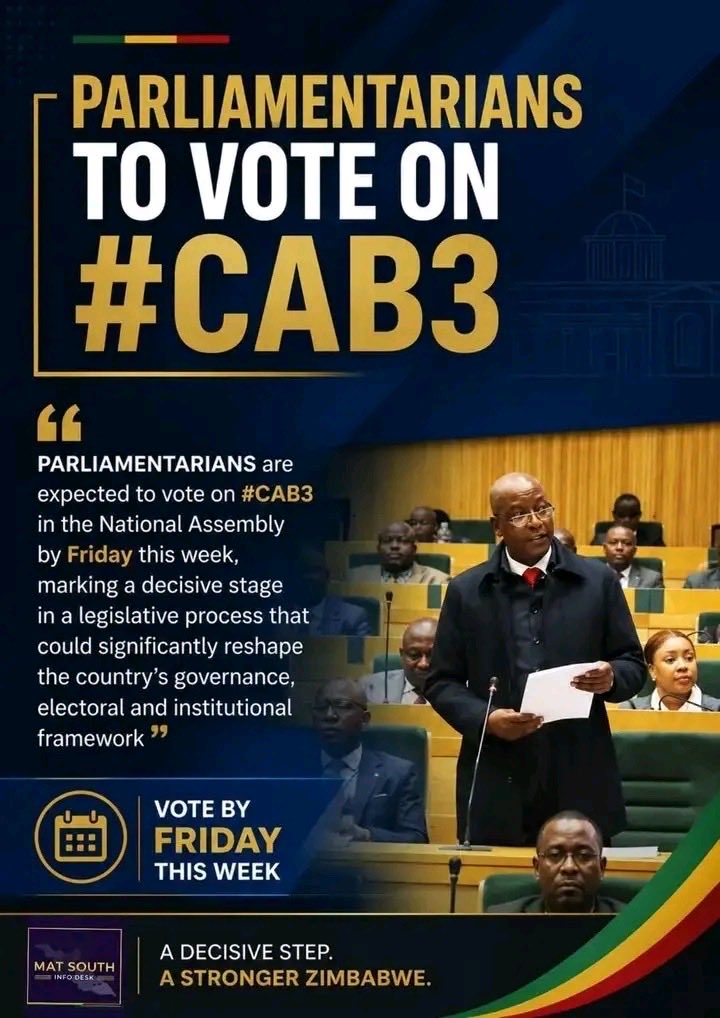
Zimbabwe’s constitutional reform process is entering its decisive phase, with @ParliamentZim expected to vote on Constitutional Amendment Bill No. 3 #CAB3 later this week. The legislative cycle is set to conclude by the end of June 2026, marking a critical milestone in reshaping governance, electoral systems, and institutional structures. The Bill has drawn significant public attention due to the scope and weight of its proposed changes.
@ParliamentZim adjourned on Friday and will resume sittings on Tuesday to continue deliberations. While some groups outside Parliament remain opposed, the final decision rests with elected legislators in the National Assembly and Senate. If endorsed by both chambers, the Bill will return to the National Assembly for formal adoption at the third reading stage, completing the process.
Supporters argue that #CAB3 will entrench nationhood by strengthening policy continuity, reducing polarisation, and creating a stable environment for long‑term development. They describe it as a transformative blueprint for Zimbabwe’s political and economic future — advancing inclusive growth, democratic reform, and national unity. Through its 21 clauses, the Bill seeks to deliver structural renewal, greater transparency, and equitable development, while reaffirming principles such as land justice, freedom, and universal suffrage.
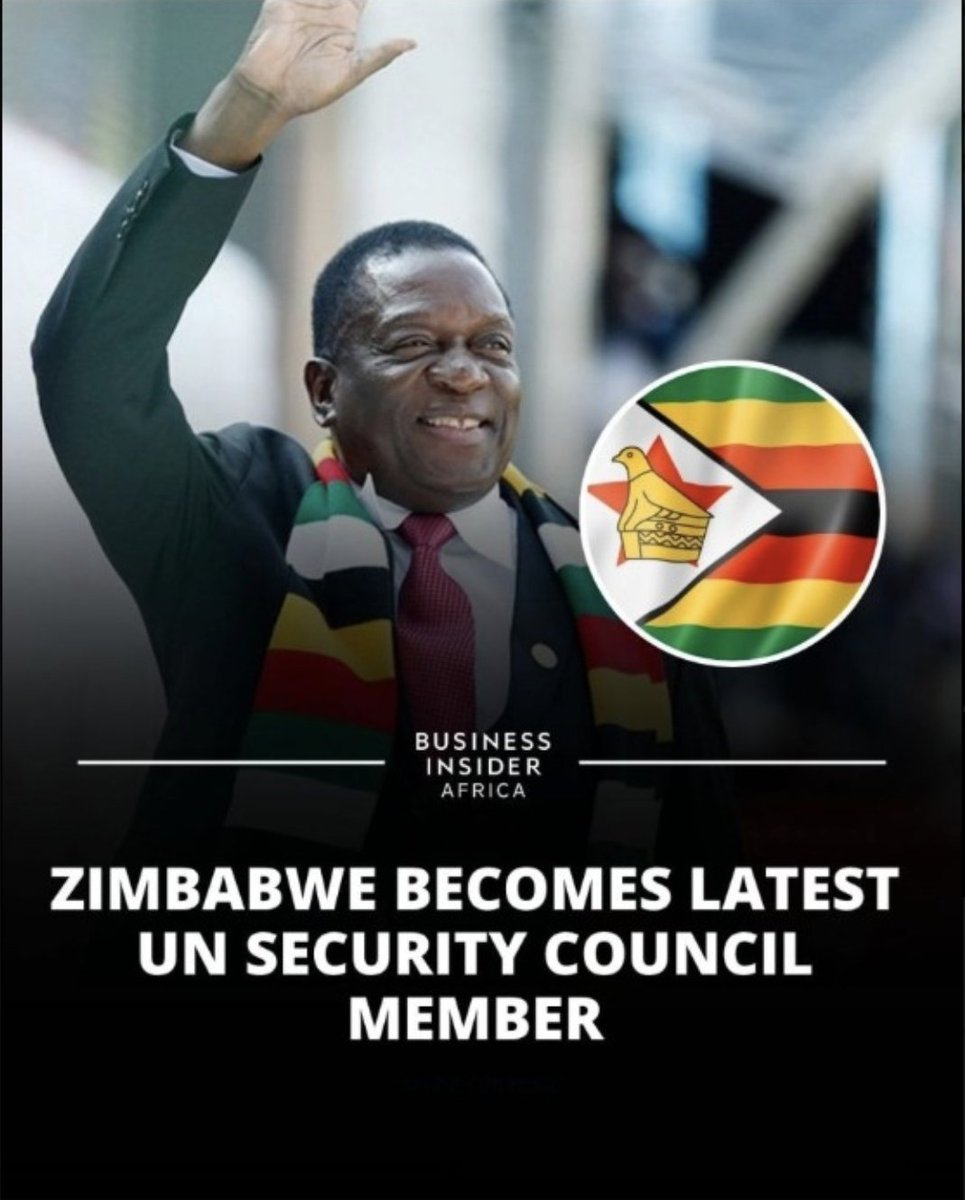
Zimbabwe’s election to a non‑permanent seat on the United Nations Security Council for the 2027–2028 term is a landmark diplomatic success. Securing this position is fiercely competitive, yet Zimbabwe prevailed in the African category, reflecting international confidence in its role. The achievement is highlighted by the Western European contest, where Austria and Portugal won ahead of Germany, showing the prestige attached to Council membership even among leading economies.
This marks Zimbabwe’s third time on the Council, reaffirming its enduring relevance and growing diplomatic weight. The overwhelming support it received, including from the five permanent members, and the highest vote tally recorded, testify to a successful campaign and broad acceptance.
Council membership now gives Zimbabwe a stronger voice in shaping global peace and security, advancing African interests, and deepening multilateral diplomacy. It elevates the country’s standing on the world stage and opens new opportunities for engagement in governance, development, and collective responses to global challenges.
Zimbabwe’s constitutional reform process is entering its decisive phase, with @ParliamentZim expected to vote on Constitutional Amendment Bill No. 3 #CAB3 later this week. The legislative cycle is set to conclude by the end of June 2026, marking a critical milestone in reshaping governance, electoral systems, and institutional structures. The Bill has drawn significant public attention due to the scope and weight of its proposed changes.
@ParliamentZim adjourned on Friday and will resume sittings on Tuesday to continue deliberations. While some groups outside Parliament remain opposed, the final decision rests with elected legislators in the National Assembly and Senate. If endorsed by both chambers, the Bill will return to the National Assembly for formal adoption at the third reading stage, completing the process.
Supporters argue that #CAB3 will entrench nationhood by strengthening policy continuity, reducing polarisation, and creating a stable environment for long‑term development. They describe it as a transformative blueprint for Zimbabwe’s political and economic future — advancing inclusive growth, democratic reform, and national unity. Through its 21 clauses, the Bill seeks to deliver structural renewal, greater transparency, and equitable development, while reaffirming principles such as land justice, freedom, and universal suffrage.
Zimbabwe’s election to a non‑permanent seat on the United Nations Security Council for the 2027–2028 term is a landmark diplomatic success. Securing this position is fiercely competitive, yet Zimbabwe prevailed in the African category, reflecting international confidence in its role. The achievement is highlighted by the Western European contest, where Austria and Portugal won ahead of Germany, showing the prestige attached to Council membership even among leading economies.
This marks Zimbabwe’s third time on the Council, reaffirming its enduring relevance and growing diplomatic weight. The overwhelming support it received, including from the five permanent members, and the highest vote tally recorded, testify to a successful campaign and broad acceptance.
Council membership now gives Zimbabwe a stronger voice in shaping global peace and security, advancing African interests, and deepening multilateral diplomacy. It elevates the country’s standing on the world stage and opens new opportunities for engagement in governance, development, and collective responses to global challenges.
It was my pleasure to welcome the recently retired Chief Justice, Luke Malaba, to State House today.
In recognition of his outstanding service spanning decades, unwavering commitment, and exemplary legal leadership within the Zimbabwean judiciary, I presented him with an agricultural mechanisation package to facilitate his transition into post-retirement life. The package comprises a tractor, a Nissan UD truck, a boom sprayer, and a planter to facilitate his agricultural pursuits.
As he retires from the judiciary, I encourage him to leverage his vast expertise in the agricultural sector. Our land is a vital asset, and productivity must persist at all levels. I applaud the retired Chief Justice for his dedication to the nation and wish him every success in his future agricultural ventures.
Parliament’s deliberations on Constitutional Amendment No. 3 have highlighted a new depth of democratic practice. Over the past two days, legislators have engaged in thoughtful exchanges that mirror the concerns and aspirations voiced by citizens during the extensive nationwide consultations.
This level of discourse highlights a legislature that is not only representative but also increasingly attentive to public sentiment, demonstrating responsiveness and a firm grounding in the lived realities of the people.
#CAB3
CONGRATULATORY MESSAGE TO HIS EXCELLENCY THE PRESIDENT AND FIRST SECRETARY OF ZANUPF, CDE. DR. E.D. MNANGAGWA, ON ZIMBABWE'S ELECTION TO THE UNITED NATIONS SECURITY COUNCIL NON-PERMANENT SEAT
Your Excellency, the President and First Secretary of ZANUPF, Cde. Dr. E.D. Mnangagwa,
On behalf of myself personally, and in my capacity as the National Political Commissar of ZANUPF, I extend my heartfelt congratulations to Your Excellency and to the people of Zimbabwe on the nation's historic election to the United Nations Security Council for the 2027–2028 term.
Zimbabwe's overwhelming election, with 182 votes out of 191 eligible voting nations, is not merely a diplomatic success. It is a profound vote of confidence by the international community in Zimbabwe, its leadership, and its future. Such an emphatic endorsement from the family of nations reflects growing international recognition of the progress being made under your stewardship and the credibility that Zimbabwe continues to earn on the global stage.
This achievement stands as one of the clearest validations of the Second Republic's Engagement and Re-engagement Policy. When Your Excellency assumed office, you committed Zimbabwe to a path of dialogue, partnership, cooperation, and constructive engagement with the international community. Today's result demonstrates beyond doubt that this vision is yielding tangible dividends. The world has responded positively to a Zimbabwe that engages openly, contributes responsibly, and approaches international relations from a position of mutual respect and sovereign equality.
This vote represents confidence. Confidence in Zimbabwe's stability. Confidence in Zimbabwe's leadership. Confidence in Zimbabwe's foreign policy direction. Confidence in Zimbabwe's ability to contribute meaningfully to the maintenance of international peace and security.
This election is also significant because it restores Zimbabwe to one of the most important decision-making platforms in international affairs. It provides our nation with an opportunity to contribute directly to discussions on global peace, security, development, conflict prevention, and the reform of international institutions. Equally important, Zimbabwe will carry not only its own aspirations but also those of Africa and the Global South into the highest chambers of international diplomacy.
At a time when the developing world continues to advocate for a more representative and equitable international order, Zimbabwe's presence on the Security Council strengthens the African voice on matters affecting the continent and the broader international community. It is an opportunity for Zimbabwe to champion the principles of sovereignty, peaceful coexistence, non-interference in the internal affairs of other nations, and sustainable development, which have long guided our foreign policy.
This historic accomplishment would not have been possible without the dedicated efforts of the Minister of Foreign Affairs and International Trade, Hon. Professor Amon Murwira. I wish to place on record my sincere appreciation for his leadership, commitment, and strategic direction throughout Zimbabwe's campaign.
I equally commend Zimbabwe's ambassadors, diplomatic missions, and the entire team within the Ministry of Foreign Affairs and International Trade, whose professionalism, dedication, and tireless engagement helped secure this remarkable victory for our nation.
Your Excellency, this achievement belongs to every Zimbabwean. It demonstrates that, under your leadership, Zimbabwe continues to reclaim its rightful place within the community of nations. It confirms that principled leadership, strategic diplomacy, and an unwavering commitment to national interests produce meaningful results.
As we celebrate this milestone, we remain confident that Zimbabwe will discharge its responsibilities on the United Nations Security Council with distinction, wisdom, and integrity, bringing honour not only to our nation but also to the African continent as a whole.
Congratulations, Your Excellency.
Cde. M. Machacha
National Political Commissar, ZANUPF