Surviving Colon Cancer and trying to be normal!! Love travelling,animals & laughing.I work for the fire & rescue service. 2 great sons,1 lovely rescue dog x
Brutal reality of horse racing
From celebrated racehorse to DUMPSTER TRASH in just two weeks!
His name was So You Are, and he just raced in the prestigious @MelbourneCup on November 3rd.
Forced to race for profit, then thrown away like GARBAGE 💔 Stop betting on horses' lives.
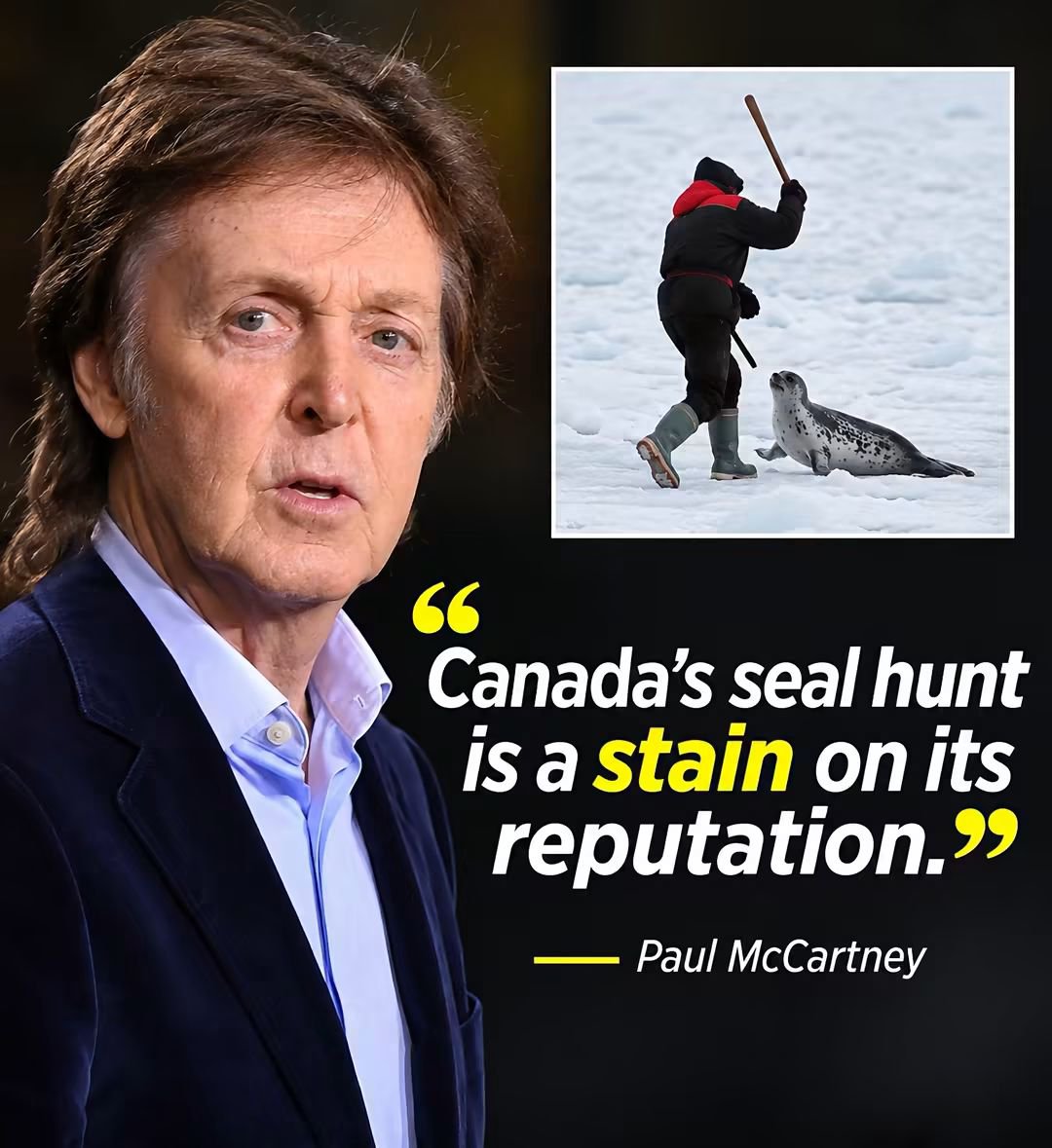
This harrowing and sickening and horrific image haunted my dreams as a 14 year old, 46 years ago and these disgusting people are still allowed to murder in 2027!!! Still vile and disgusting and dangerous humans walking amongst us all😢😢😢.
¡LO LOGRAMOS! Nueva victoria por los animales ❤️
En apenas unas horas, se retiró el decreto del gobierno de Abelardo de la Espriella que pretendía revivir las corridas de toros en Colombia.
Muchas gracias por el apoyo y por toda la difusión
Desde la Plataforma Colombiana por los Animales - ALTO, como organización impulsora de la ley No Más Olé, junto a su autora, la senadora Esmeralda Hernández, seguiremos alerta y firmes para que nadie intente revivir esta barbarie.
El fin de la barbarie taurina es un hecho irreversible.
When Patricia Neal had a stroke in 1965, the hospital told her husband she should have one hour of therapy a day, because any more would tire her. Her husband was Roald Dahl. He gave her six, and changed how the world treats stroke.
She was 39, three months pregnant, and had won the Oscar for Best Actress the year before. Three blood vessels burst in her brain in one evening in Los Angeles. She was in a coma for three weeks. Variety ran her obituary.
She woke up paralysed down one side, half blind, and without language. She could not read, could not name her own children, and made up words for the ones she'd lost.
Dahl took her home to Buckinghamshire and asked the specialists what came next. An hour a day, they said, and patience. Most recovery was down to nature.
He asked what anyone would learn at school in an hour a day.
Then he went round the village. He drew up a rota of neighbours, none of them trained, and had them arrive at the house in shifts from nine in the morning, six days a week. They did picture cards, jigsaws, counting games, nursery rhymes, the newspaper. When Pat wept and refused, the next volunteer arrived anyway. Doctors warned him he would break her. She called him Roald the Rotten and hated him for a year.
Their daughter Lucy was born healthy that August. Within eighteen months Pat was giving speeches. In 1968 she made The Subject Was Roses and was nominated for another Oscar.
One of the neighbours, Valerie Eaton Griffith, wrote the method up as a short book. Families all over Britain started using it. The volunteer scheme that grew out of it became the Stroke Association, and long, hard, early rehabilitation is now what every stroke unit does.
It was the second time Dahl had done this. When his baby son's skull was shattered by a taxi in 1960 and the drainage tube kept clogging, he got a toymaker and a neurosurgeon into a room and came out with a better valve. It went into about 3,000 children.
He had no medical training of any kind. He just declined to accept that the people who did had finished thinking.
This poor baby girl died while I was working on her.
It happens often with these delayed admissions.
The adrenaline surge induced by their extreme pain and fear - the only thing keeping them still alive and suffering - dissipates once they feel safe and warm.
Luna had been kept for 2 days by her finder.
During that time the fly eggs which had been laid in her ears, eyes and genitals had hatched.
Invisible to her finder, the maggots had been eating her alive.
"She was a bit sleepy when I first saw her," the finder said, "but then she perked up and had been running round, trying to escape, so she must feel better."
Hedgehogs in extreme pain try to run from it, as if it was a deadly threat they could escape.
"But now she doesn't move much, I think she's hibernating. She's very smelly smelly though," the finder laughed, "I don't know how you stand it!"
The smell was the bacteria produced by the internal parasites, which were ravaging poor Luna's insides.
The finder knew enough to know that a hedgehog out in the day is seriously ill, so needs help.
I have no doubt that had little Luna cried, voiced her pain, the finder would have kept up their good intentions and treated her like any other sick animal, by getting her help immediately.
But sick wild prey animals don't vocalise their distress.
A cry of pain from a prey animal in the wild would be:
"Hey! HEY! I'm hurt and sick and too weak to put up a fight. Anyone want to come and eat me?"
They don't lie around looking sick, for the same reason. Instead they hide their weakness, struggle on, suffer their pain in silence.
They eat when food is offered, because they never know when that might happen again.
Please don't mistake this desperate survival tactic as being 'quite happy, running around, eating'.
A hedgehog out in the day is ALWAYS an emergency, they are dying - please get them to a rescue, never a vet, urgently.
NEVER keep an wildlife casualty.
You aren't helping, you're just adding captivity to their suffering.
So many otherwise kind people still don't know this, so please help spread this important information.
Animals suffered then. Animals are still suffering now. 💔 Urge Dyson to reconsider its ties with HKTVmall and stop supporting animal cruelty.
👉 Visit https://t.co/lVsXrP7gYN to take action.
YEAH BUDDY FORCED INTO BOX
Absolutely disgusting.
This poor dog, Yeah Buddy, did everything in his power to not be forced into a box. He then hobbled in pain to the finish line with a fractured right hock.
This is government-funded and sanctioned animal abuse.
Time to shut it down.
#AnimalRights #AnimalWelfare #AusPol #AusPol2026 #NSWPol #Dogs #Greyhounds #GreyhoundRacing
Alisa Teptiuk walked more than 10 miles to the Polish border with her elderly dog, Pulya. When the 12½-year-old German shepherd began falling and couldn’t get back up, people told Alisa to leave her behind.
Alisa had brought Pulya home on the first day of her maternity leave. Pulya was almost four months old, and Alisa started training her that same day. By the time they had to leave Ukraine, the little puppy she’d brought home was an old dog with a gray face.
Alisa’s father died unexpectedly on Feb. 23, 2022. Russia launched its full-scale invasion the next day. While people were leaving Kyiv, Alisa and her husband, Dmytro, were still trying to get the paperwork they needed to bury him.
The registry office was evacuated before they could get the last document. When the family left, nine people and two large dogs squeezed into a Peugeot.
Near the Polish border, they came to a long line of cars. Alisa said the buses wouldn’t take the dogs, so the family decided to walk the last 17 kilometers.
They set out at 4 in the morning. It was 19 degrees Fahrenheit, and the children were crying from the cold.
At first, Pulya walked on her own.
Then she began to fall.
The rest of the family went ahead while Alisa and Dmytro stayed with her. They stopped to give her water and let her lie down. After a rest, Pulya would get up and walk a little farther.
Alisa tried flagging down cars to ask for a lift. People told her that if the dog couldn’t walk, she should leave her there.
By then, there were stretches where Pulya couldn’t even stand. Dmytro lifted her onto his shoulders and carried her. Alisa took the photo during one of those stretches. With breaks and help from both of them, Pulya walked most of the way herself.
At the border, Dmytro had to turn back. Alisa continued into Poland with the children and both dogs.
People came to pick them up for the drive to Warsaw. Once they arrived, their hosts fed the dogs, and friends helped arrange a vet visit. Pulya got pain relief for her sore paws.
Alisa remembered that last car ride for one small detail.
After all the times Pulya had lain down on the road and had to get back up, she slept the whole way to Warsaw.
A federal judge has ruled that Trump’s plan for an auction of deep sea mining leases violated the law.
Judge Otake ruled that the National Marine Fisheries Service “did not even attempt to consider” the potential harms from mining the deep sea on endangered marine species when it approved the planned sale, which violated the Endangered Species Act.
The ruling voids the underlying approval by the fisheries service of a lease sale for 31 million acres of seabed that the Trump Administration had planned for Thursday, November 19.
@ChrisLancasterX@DreyfusJames Because they wanted us all to use digital methods. Cheaper than producing menus I guess. I really don’t know but there are many restaurants using this new system so you’ll have to ask them.