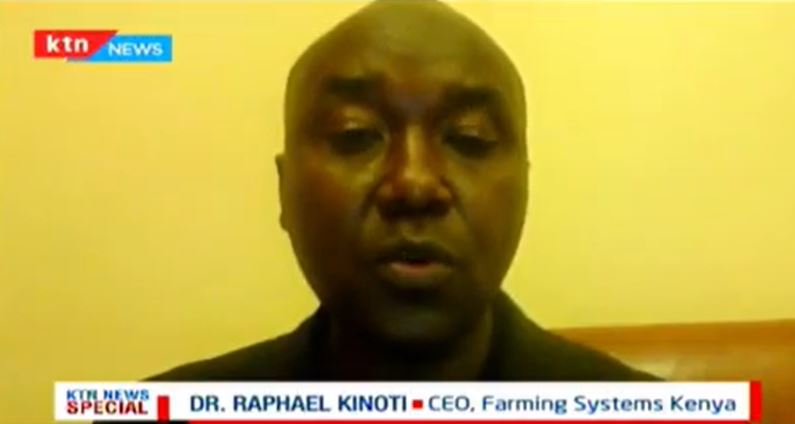
We are pleased to have been featured in a @WorldVetAssoc supported film about the donkey skin trade. Dr Raphael Kinoti, head of @TheBrookeEA was interviewed on the impact in East Africa. Warning: Viewers may find some scenes upsetting. #WorldDonkeyDay
https://t.co/17FCKVUp4m
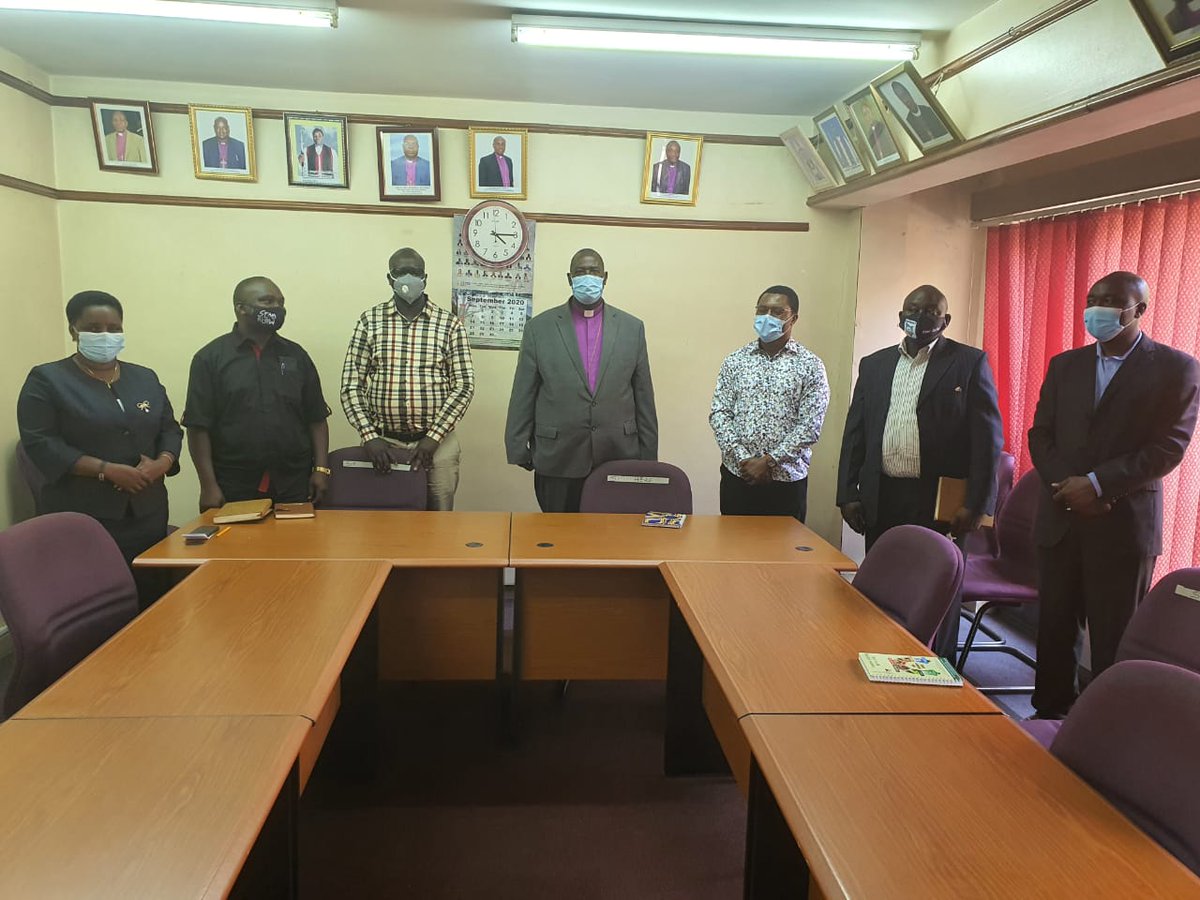
Earlier today, @Hon_Kilimo paid us courtesy call during the meeting with association of donkey owners meeting.She has pledged her continued commitment & support to call for the halt of donkey slaughter, that has affected many communities
#StopDonkeySlaughter
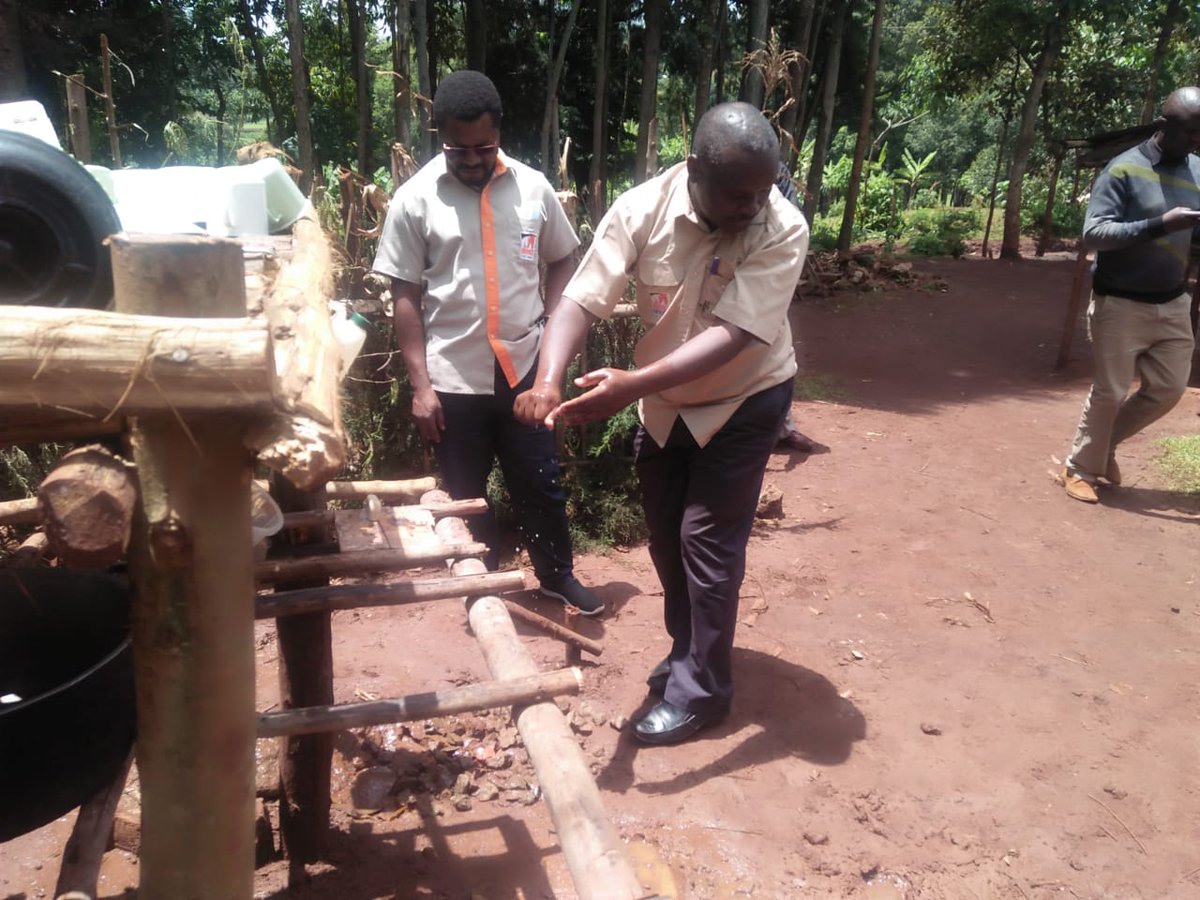
Yesterday,I visited communities in mount Elgon region with @sack Kenya ceo @TitusSagala. Its impressive that the community's adopting projects that integrate agricultural practices which has seen changes in attitudes leading to improved welfare of donkeys.
#ProudToBeBrooke
.@FAO links #sustainablelivestock systems to all 17 #SDGs and #animalwelfare is considered a core component of sustainable production. We’ve got some great examples of these interactions at the Animal Welfare Action Network - https://t.co/SbsKkt0eph
#WorldAnimalDay
#SDG3: #GOODHEALTH & #WELLBEING
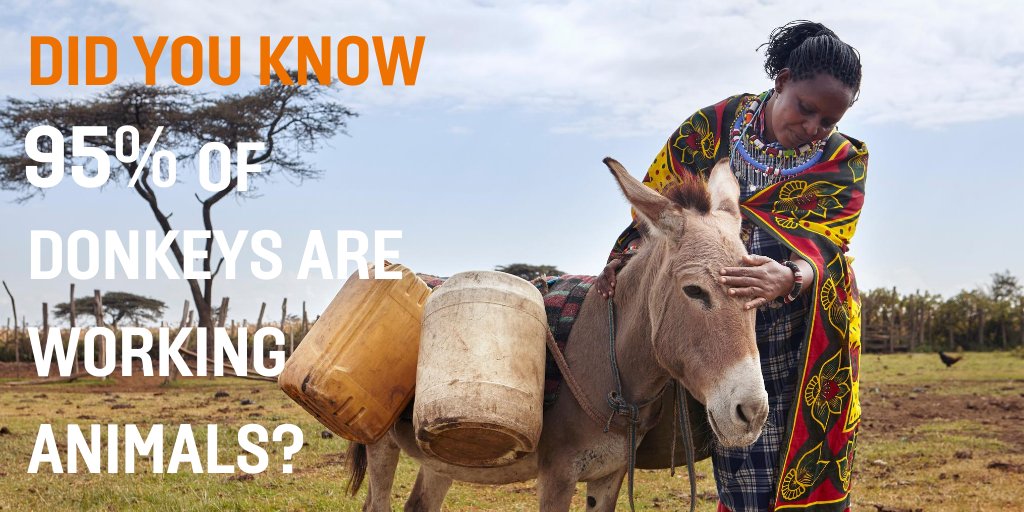
Working #animals generate income that helps families pay for medical bills. In remote areas and during #disasters and emergencies, the animals provide the fastest and most reliable #transport to a #health clinic...
Dr Raphael Kinoti: Compared to cows and horses, it is less likely for donkeys to mate because they are overworked and get very exhausted.
#KTNNewsSpecial
@TheBrookeEA our priority is to ensure that welfare of donkeys & all #workingLivestock in pastoralists communities have access to feed & water. As a result, they communities are also able to benefit from the initiative to support their households.
#ProudToBeBrooke
Through poetry, dance and drawing, we're teaching #children in Kenya how to look after their animals. See it for yourself! https://t.co/QjfSxMTDMr
#InternationalYouthDay
With these numbers, it is evident that the #abbattiors lack the technical & technological capacity to enable this trade be viable. Donkey Skin trade has proofed to not be #sustainable at all for anyone.
#SaveKenyanDonkeys
According to a study by Uni of Reading we'd need 19M donkeys annually to produce 4.8M skins to meet China's demand. According to the slaughterhouse they started with 30 donkeys and now they have 150. They have capacity to slaughter more than 300 donkeys per day #SaveKenyanDonkeys