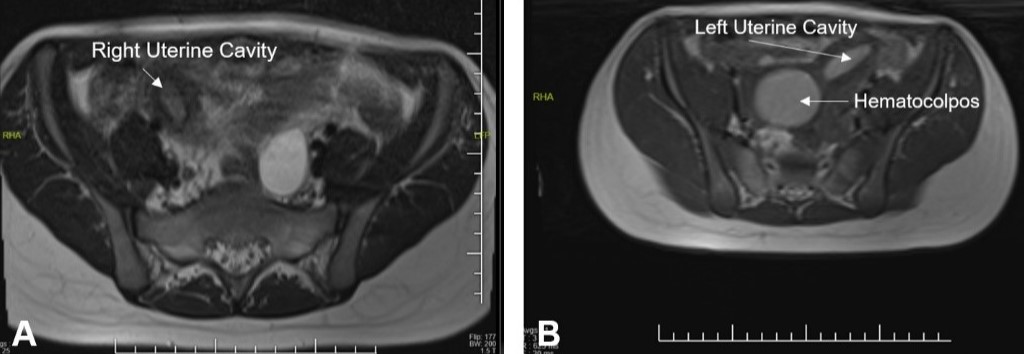
Normal periods and zero pain: could an adolescent still have an obstructed genital tract? 🩺
1· 🚩 Normal menses don't exclude OHVIRA syndrome: in this 6-patient CEOG series, one case had zero pain and another was misdiagnosed as endometrioma.
2· 🔍 Unilateral renal agenesis is a key early clue, as 25%–50% of affected women carry Müllerian anomalies.
3· ✅ Transhymenal vaginoscopy with a Foley catheter achieved 0 reoperations over up to 5 years, and one patient delivered a term infant 15 years post-surgery.
Read the full open-access article in CEOG: https://t.co/q5yuilZBCP
#ObGyn #WomensHealth #Endometriosis #PAG #MedEd #Gynecology
@YaffaYue54972 We warmly welcome researchers and clinicians in the field to submit their latest findings on endometriosis to this Special Issue! Led by Guest Editor Dr. Filippo A. Ferrari, we look forward to your valuable contributions!
Author credit: Nada Alayed (Department of Obstetrics and Gynecology, College of Medicine, @_KSU , Riyadh, Saudi Arabia), sole and corresponding author of this case report.
Full details: https://t.co/Ykk40zMvs9
PAS can occur without placenta previa - and when manual separation worsens the bleeding, move promptly to primary hysterectomy. That is the first of three lessons from one case in CEOG. https://t.co/pA2cg3C37Z
The other two:
- A central line misplaced in the subclavian artery should stay in situ for tamponade, with no infusion until endovascular repair.
- Visual loss after obstetric hemorrhage needs a workup covering hypoperfusion, embolic, catheter-related and hypercoagulable causes.
The authors could not date the stroke or confirm one mechanism.
Which would you act on first in your protocol? Share your view - join the discussion.
#PlacentaAccreta #PatientSafety #MedTwitter #OBGYN #PPH #MFM
Does a normal karyotype close the case after apparently isolated increased nuchal translucency or cystic hygroma?
A CEOG cohort recorded postnatal abnormalities or diagnoses in 19.5% of normal-karyotype live-born children.
https://t.co/tBbasEh4er
Apparently isolated described the initial scan. It did not confirm that no other abnormalities emerged later.
Follow-up varied, so this is a descriptive finding.
For fetal medicine teams: how do you discuss what a normal karyotype leaves unanswered?
#PrenatalDiagnosis #FetalMedicine #Ultrasound #OBGYN
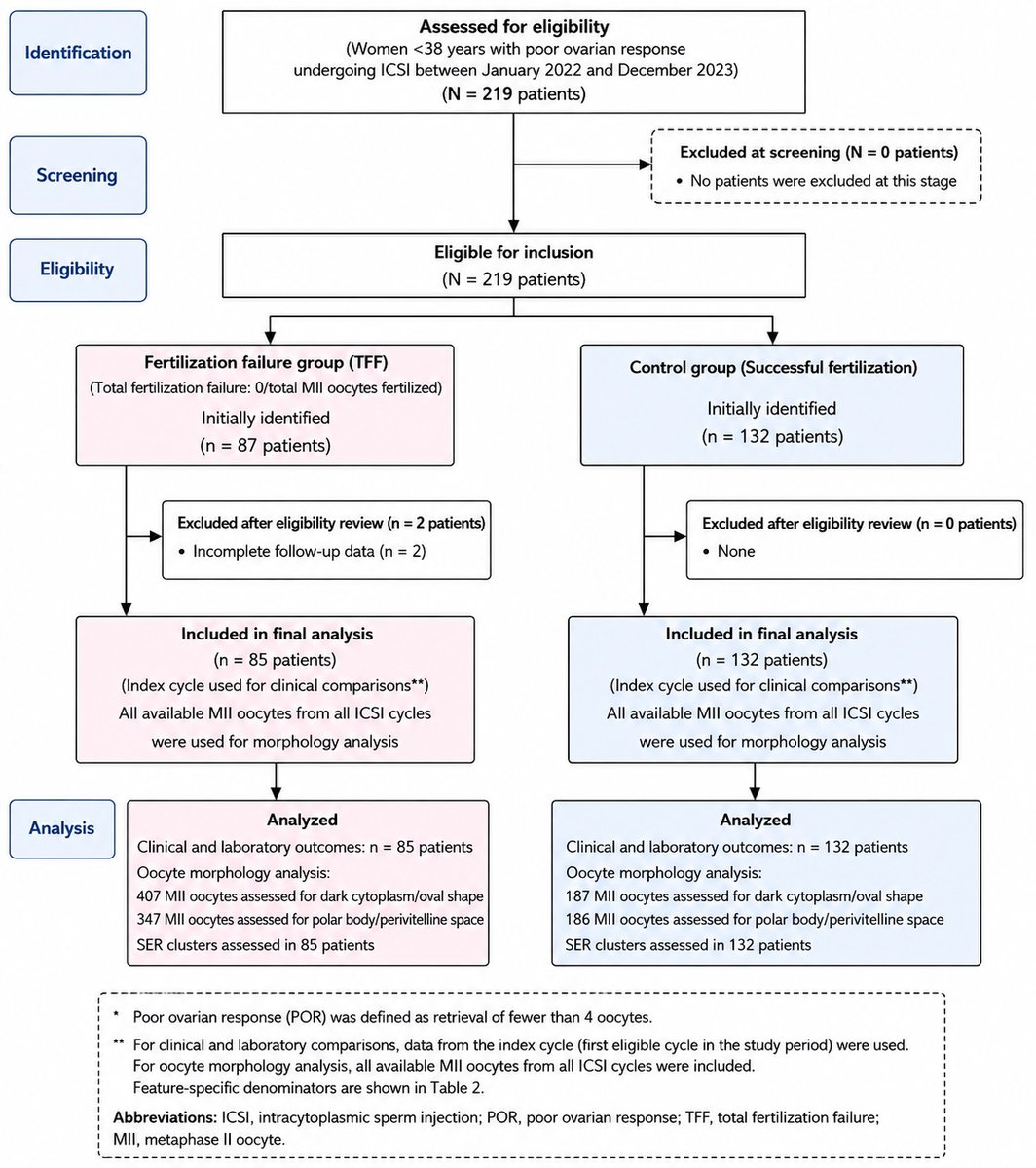
@Ryanngowtt Thank you for raising this. Stimulation-related confounding remains unresolved; protocols were not systematically recorded. The SER finding is exploratory, and prospective studies accounting for dose, protocol and oocyte yield would help address your question.
What can oocyte morphology tell us about fertilization failure in young poor responders?
A retrospective CEOG study reported more smooth endoplasmic reticulum (SER) clusters in the failure group (21% vs. 5%).
https://t.co/Sk33WBBGO0
The findings concern ICSI cycles and remain exploratory. Larger prospective studies are needed.
Embryologists: how does your lab approach oocyte morphology assessment?
#ICSI #ReproductiveMedicine
#IVFCommunity #IVFJourney #Fertility #Infertility
#ReproductiveHealth #TTCCommunity
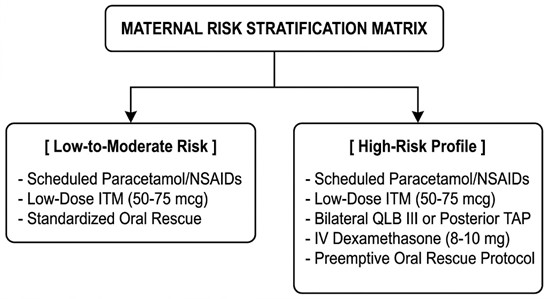
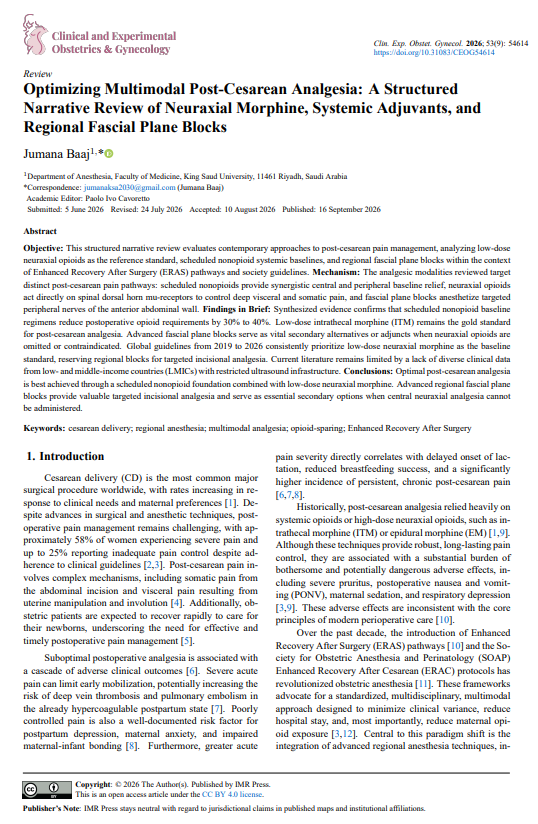
How much opioid does cesarean recovery really need? A new review in CEOG: scheduled nonopioid baselines cut post-cesarean opioid requirements by 30-40%, and low-dose intrathecal morphine remains the gold standard.
Read free: https://t.co/Z48R4nMdKv
About 58% of women report severe pain after a cesarean, and up to 25% report inadequate control despite guidelines. Fascial plane blocks add targeted incisional analgesia when neuraxial opioids cannot be used. The author also flags scarce data from LMICs as a key gap.
Anesthesia and OB colleagues: what does your post-cesarean protocol look like? Have you adopted lower-dose intrathecal morphine?
#ObGyn #ERAS #OBAnes #ERAC #Anesthesiology #CSection #MedTwitter #PainManagement
✒️ Author: Emine Ahu Koc, Zehra Yılmaz, Samettin Celik, Sakine Merve Aydın @sakmeray , Mevlude Alpaslan Arar, Neset Gumusburun (corresponding author)
🏪 Affiliation: Giresun University, Giresun; Private Practice, Samsun; Samsun University / Samsun Training and Research Hospital, Samsun; Samsun Provincial Health Directorate, Samsun; Istanbul Aydın University, Istanbul (all Türkiye)
🧠 A blood marker caught 97.7% of gestational diabetes cases. So why does it track the mother's body mass more closely than her blood sugar? #GDM#WomensHealth
🔬 Because periostin is tied to insulin resistance and obesity, not only to glucose. In 175 women it correlated with BMI (r = 0.750) more strongly than with any glucose measure.
🧩 Both entered the model. Periostin stayed independent. BMI flipped below one, which the authors call suppression, not protection.
🔭 Whether it works before 24 weeks, or without the glucose drink, is untested: it was drawn the same day as the OGTT.
👇Read the paper
https://t.co/GKk3ntyDFQ
#GDM #GestationalDiabetes #WomensHealth #InsulinResistance #MaternalHealth #MedTwitter
📢 CEOG Special Issue, final weeks: Pregnancy Issues of the 21st Century
A 12-week nuchal translucency scan and a decision to induce labor at term are filed under different headings, in different literatures. So why is one call for papers asking for both? #Obstetrics
Because the two ends are reported in separate papers, and a reader of one rarely sees the other. A screening result appears without the delivery it pointed to; a delivery-room decision appears without the estimate behind it. What lets them be read as one is that the guest editors name a single instrument for the whole span: ultrasound, read with training and precision, plus the risk algorithms built on it.
🩺 First trimester: NT, NIPT, chromosomal risk
🤰 Later pregnancy: preeclampsia, gestational diabetes, growth restriction, cholestasis, twins
👶 At delivery: induction of labor, cesarean and operative delivery
✒️ Guest Editors: Luigi Carbone (MD, PhD), Raffaella Di Girolamo (MD) · Federico II University of Naples, Italy @UninaIT
📅 Closing 30 Nov 2026 · open access, double-blind review
https://t.co/EBBUFJBL15
#MaternalHealth #WomensHealth
#Preeclampsia #OBGYN #LoveUltrasound #ISUOG #Preeclampsia #CesareanRates #MaternalHealth
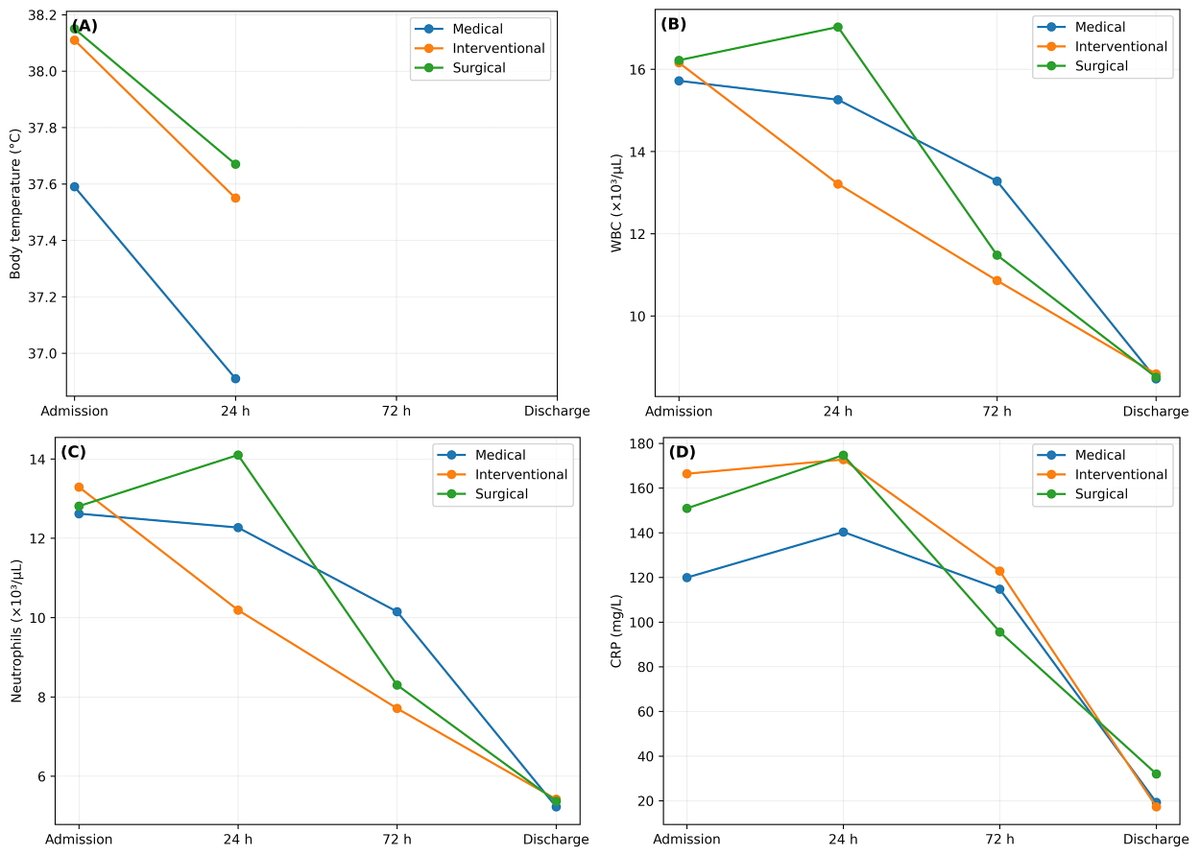
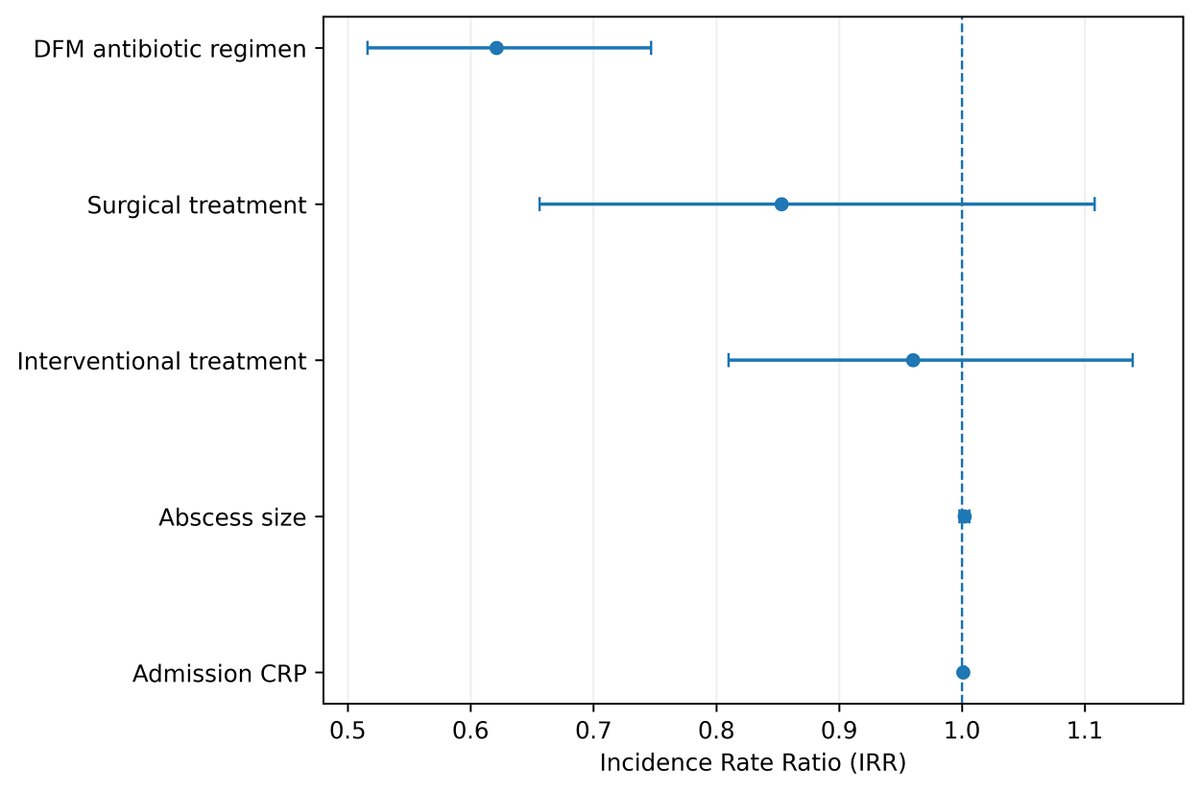
A tubo-ovarian abscess is a pocket of pus on an ovary and a tube. The biggest ones went to surgery, and those women went home first. So operating is the fast way out? #TuboOvarianAbscess
📊 They were the sickest women in the study: 85 mm mean abscess, against 72 mm with a drain and 52 mm on antibiotics alone.
🔬 Which makes the short stay look like a surgical win. It is not: hold arrival inflammation and antibiotic choice constant, and surgery stops explaining anything. The antibiotic combination is what is left, at about a third shorter.
https://t.co/wvRjRJ9neJ
#MedTwitter #OBGYN #MedEd #WomensHealth #surgery
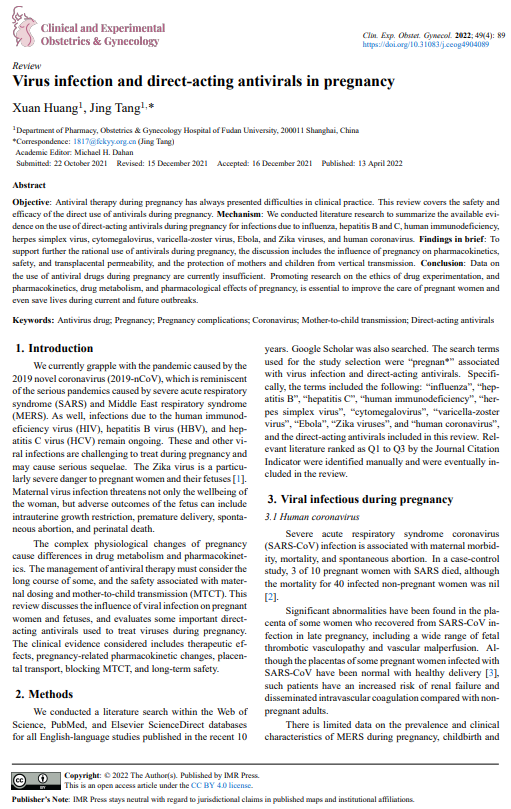
👶 In Pennsylvania, 66 pregnant women have caught measles since April. So why is measles missing from a review of antiviral treatment in pregnancy? #Measles
📋 The review covers the viruses that can be drugged in pregnancy, from influenza to Ebola and Zika.
🧩 Measles is not one of them. There is no antiviral for it, and the only defense has to be finished before conception: MMR is a live vaccine, so it cannot be given once a woman is pregnant.
📊 For the viruses that can be treated, the difficulty shifts from the drug to the dose. Pregnancy lowers blood levels of some of them, and the review flags monitoring when the standard dose may not hold. Which drugs, which trimesters, and where the evidence still runs out: https://t.co/KHwSQqN2dL
#Measles #MeaslesOutbreak #MMR #MaternalHealth #Pregnancy #PublicHealth #VaccinesWork #Pennsylvania
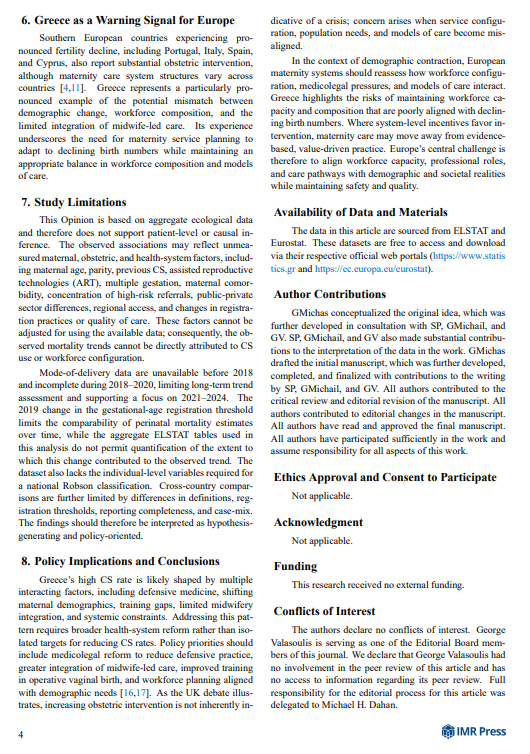
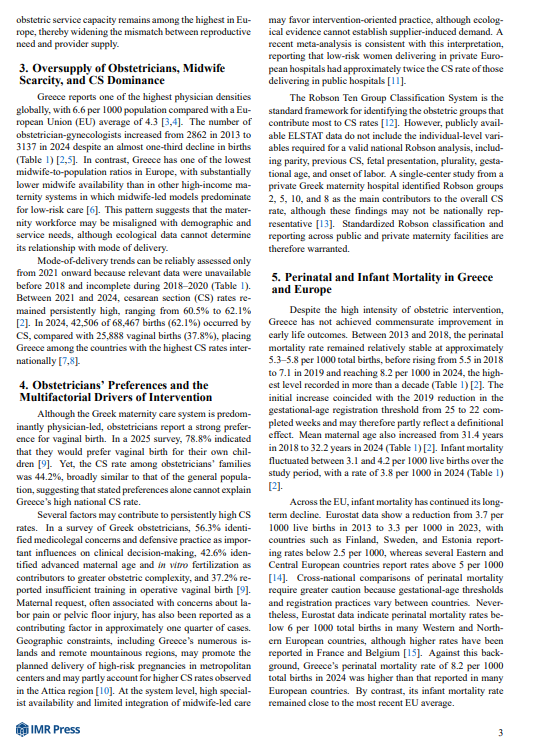
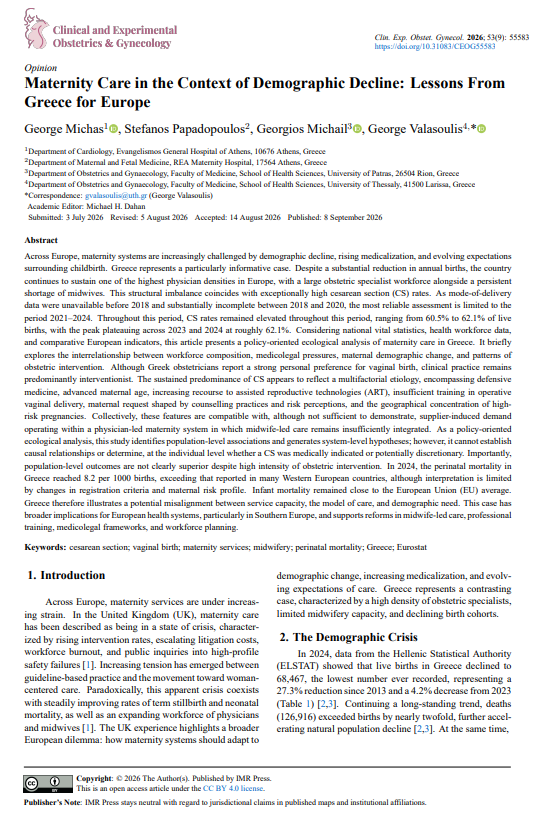
😲 Ask Greek obstetricians how they would want their own baby delivered: four in five say vaginally. Then they go to work, where 62% of births are cesarean. Why? #CesareanSection
⚖️ Not because they don't know better. Litigation fear, older mothers, IVF, and thin training in operative vaginal delivery.
📊 And it isn't buying outcomes: perinatal mortality is at its highest in over a decade, above much of Western Europe.
Greece lost a quarter of its births and gained obstetricians. Midwives are what it never had enough of. https://t.co/JNzFMmgTV1
#CesareanSection #CSection #OBGYN #MaternalHealth #Midwife
🦴 The pills that quiet chronic pelvic pain best are also the ones that thin bone. Fair trade? #ChronicPelvicPain
💊 Oral GnRH antagonists cut pain most consistently, but only inside endometriosis cohorts, one of three pain phenotypes.
📋 Those same trials logged vasomotor symptoms, menstrual changes, bone mineral density loss, and liver enzyme shifts.
🏃 Pain scores are also all those trials measured. Function and quality of life were measured elsewhere, and there the movement came from pelvic floor rehab and CBT/ACT, not from a pill. #WomensHealth
🧩 Same pain, different payoffs. Which therapy for which pain: the per-phenotype tables are here:
👉https://t.co/0j48Cn52sE
#Endometriosis #ChronicPain #EndoWarrior
🧠 Polycystic ovary syndrome (PCOS) affects up to 1 in 10 women of reproductive age, yet no single test can diagnose it. So what settles it?
🩺 Three criteria: hyperandrogenism, oligo-anovulation, polycystic ovarian morphology.
🔬 But the underlying pathophysiology? Still largely unexplained.
📢 CEOG Special Issue on #PCOS: pathophysiology, diagnosis, clinical presentation, management. Insulin resistance at the center.
👥 Guest edited by Sungwook Chun, MD, PhD · Inje University College of Medicine, Haeundae Paik Hospital, Busan, Republic of Korea
📅 Submit by 31 Oct 2026 · double-blind review · open access
https://t.co/yVzTZVfoK7
#WomensHealth #PMOS
🔍 We asked a surgeon who trains other surgeons: will AI replace you?
Prof. Jose Antonio Carugno @TonyCarugno , CEOG Editorial Board member, expects AI to become "a powerful assistive tool rather than a replacement for the surgeon."
🤖 And his reason is the part most people miss. It is not the algorithms: gynecologic surgery lacks the large, diverse, well-annotated datasets to train them. An algorithm that shines in one hospital can fail on a rare complication in another.
📊 On new devices, he is just as blunt: they often reach the OR before the data that should judge them. His yardstick: "Progress should be measured by outcomes that matter to patients, not by the novelty of the technology."
💬 Your turn: what evidence would you demand before a new device reaches your operating room?
Full interview:
https://t.co/PXnDosmCg3
#AIinHealthcare #AIinSurgery #MedTwitter
🌸 In lab models of hypertensive pregnancy, a centuries-old #Kampo herb showed the potential to improve placental blood flow — by raising placental growth factor, easing an angiogenic imbalance, and limiting oxidative damage. Could that help women once they were already in hospital?
📋 A national Japanese inpatient database included 11,264 women hospitalized with hypertensive disorders of pregnancy and already on oral antihypertensives. Only 85 also received Tokishakuyakusan in the first three days.
📊 Against antihypertensives alone, there was no significant difference in disease progression, maternal adverse events, or preterm birth. A clear benefit was not shown. Nor was a major new safety concern.
🧩 The authors do not treat that as proof the herb fails. With 85 patients, a real effect could still have been missed. A prospective study large enough to settle it has not been done.
Every number is in the paper 👇
https://t.co/GWJnjHBVIT
#Tokishakuyakusan #HDP #Preeclampsia #MaternalHealth #ObGyn #RealWorldEvidence