The Conservation Education Society is a not-for-profit based in Diani, Kenya. We work with everyone to increase awareness and knowledge of marine conservation.
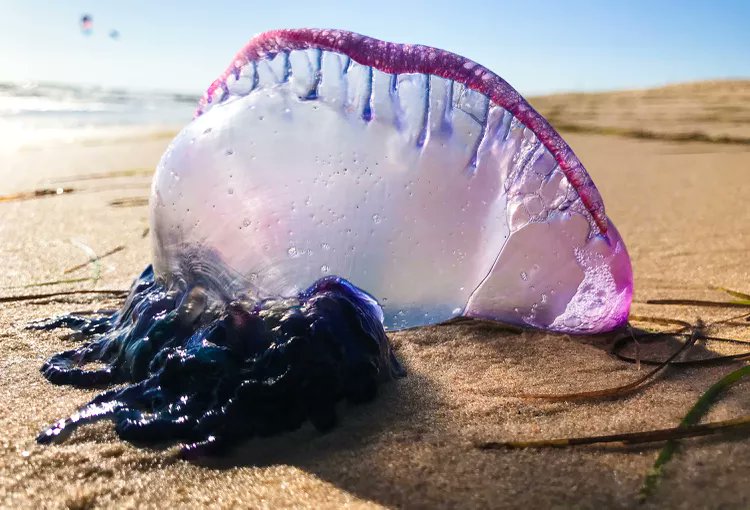
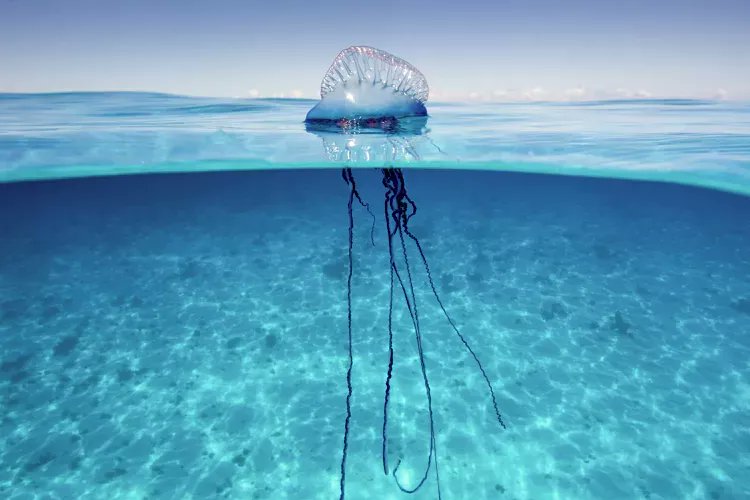
#HappyBiodiversityMonday! The Portuguese man o’ war (Physalia physalis) is often called a jellyfish but is a species of siphonophore, a group of animals closely related to jellyfish! It's sting is rarely deadly to people, it packs a painful punch and causes welts on exposed skin!
Educating our communities about biodiversity, ecosystems and the threats they face, and the opportunities to restore them is our way of contributing towards #BuildingBackBiodiversity.
#biodiversitymonday
The anteater is known for its long, thin tongue. They feed on tiny termites and ants using their 2-foot-long tongue, which can flick in and out up to 150 times per minute and consume as many as 35,000 ants or termites in a day!
@az animals
Here's a sneak peek of some of the many vendors coming to the @EasterCraftFair at Pallet Cafe in Diani on 9th April from 2p.m to 9.p.m. See you there!
NA INZO Kenya, Macho Macho, Elimubox, Seagarden, and @CraftOptions&Clothing
#craftfair#diani#kenya#easterweekend
#Happy International Day of Forests!
Kenya recently announced an ambitious plan to plant 15 billion #trees by 2032 through the African Landscape Restoration Initiative spearheaded by H.E. President Ruto, a crucial step in addressing Kenya's #environmental challenges.
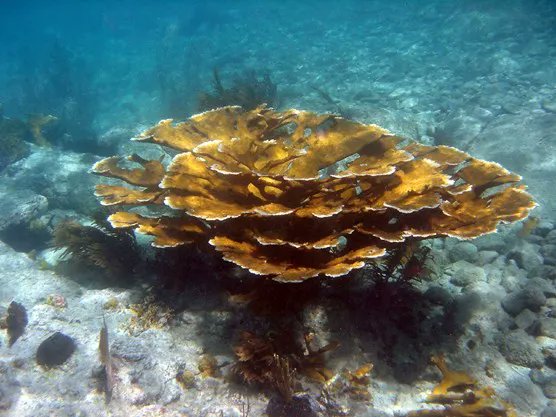
Elkhorn coral (Acropora palmata) is an important reef-building coral in the Caribbean. The species has a complex structure with many branches like those of elk antlers hence, the common name. This species is listed in the Endangered Species Act (ESA) due to population decline.
In this week's class, the girls from #MamaLorenza did some handicraft work, #upcycling ghost nets recovered from the beach into bracelets. #Ghostnets are fishing nets made from synthetic fibres that have been abandoned, lost or discarded at sea or on beaches.
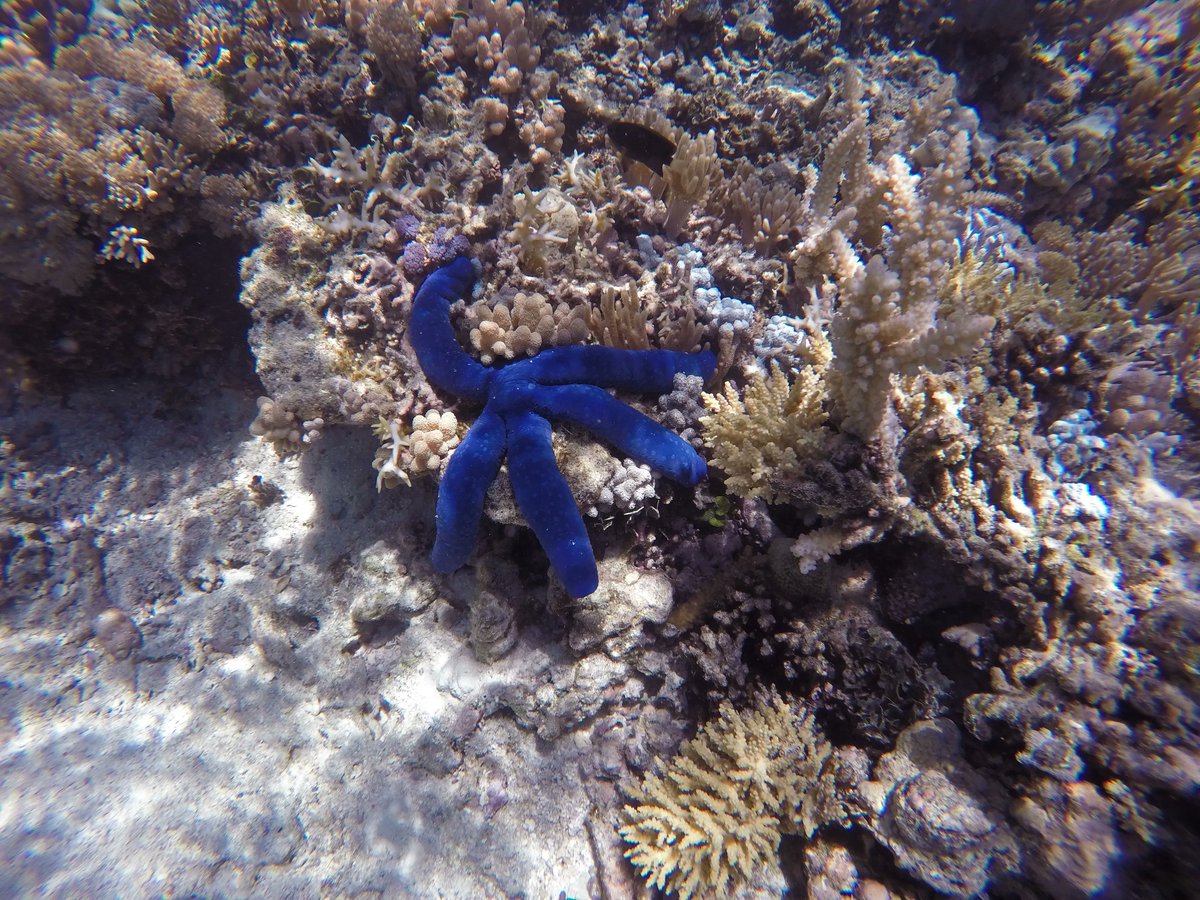
Blue star (Linckia laevigata) is a #seastar characterized by five cylindrical arms with bright blue body colour. They are a mobile and solitary species, inhabitant of coral reefs and sea grass beds. Like other sea stars, they are opportunistic predators and scavengers. #biodivmon
We are hosting our first-ever #Easter#CraftFair with a great selection of Kenyan vendors showcasing their local #artisan products at @PalletCafeKenya. It is just one month away, so #SavetheDate for an afternoon of shopping a variety of artisan products, by the beachside!
During the @DianiRegatta Festival, we had the opportunity to hand over another #donation from our @GlobalGiving fundraiser project, “Women Saving Mangroves In Kenya”, to Munje Tunsuru Conservation Women Group. The Munje women are in awe of the support they receive, just as we are
The world’s largest and fastest bird, the #CommonOstrich (Struthio camelus) is one of only two #Ostrich species, the other being the #SomaliOstrich. They are easily recognisable from other bird species, due to their size and their distinctive appearance.
#biodiversitymonday
We use local events to catch up with #community groups that we sponsor to attend. Here, we are having a chit-chat with representatives of #Kibuyuni#SeaweedFarmers. If you haven't tried any of their seaweed products, we highly recommend!
#valueaddition#blueeconomy
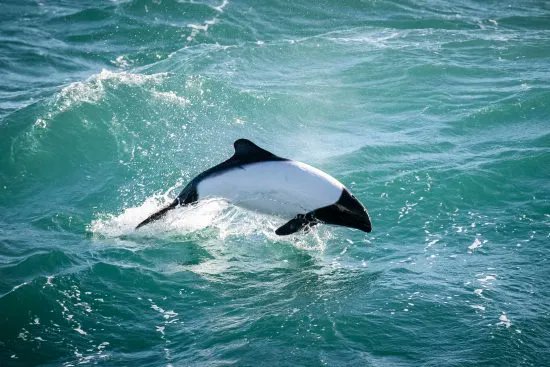
The unusually patterned Commerson’s dolphin (Cephalorhynchus commersonii), also known as the “Panda dolphin”, “Skunk dolphin”, and “Piebald dolphin” is a small #cetacean, reaching only 1.5m. Many mistake it for a porpoise, but its behaviour is that of a #dolphin!
#biodiversmondy
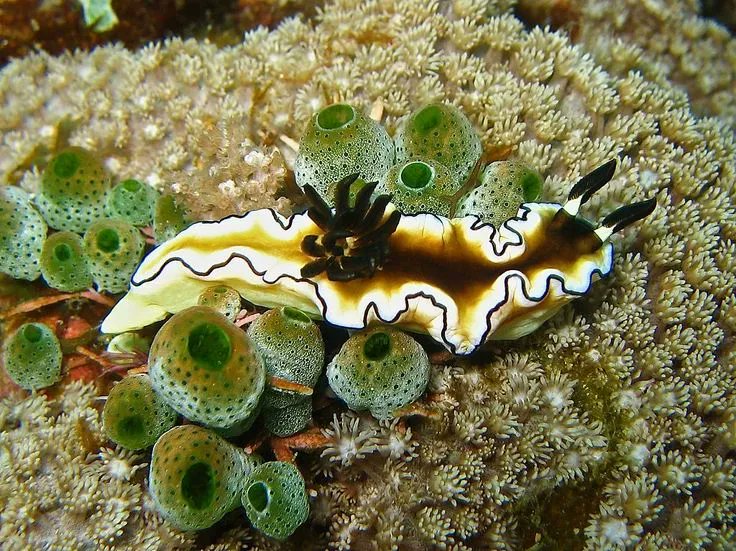
A stunning #nudibranch, Doriprismatica atromarginata, with a clever defence mechanism! They eat #seasponges, which contain toxins, and, therefore, sequester them into their tissues combined with their black-lined, frilly mantle, enough to disguise and deter #predators.
#bm