FSB tightens checks on the border with Finland
In Karelia, checks have been tightened at the Shuya checkpoint, located about 110 km from the Finnish border. This coincided with growing rumors of an impending mobilization in Russia.
Traffic is being monitored in both directions. Drivers are required to stop at the request of FSB border guards and present their documents.
Refusal may result in a fine or up to 15 days in detention. The barriers are opened only after vehicles have been inspected.
An eyewitness told Astra that intensified checks at checkpoints in Karelia began as early as August.
According to him, border guards check the documents of men and visitors, photograph tourists’ passports, and find out where they are staying.
They also record the contact details of transport operators and guesthouses.
Ukraine : pourquoi les blindés russes deviennent-ils plus difficiles à détruire ?
Le commandant du corps ukrainien Azov, Denys Prokopenko, avertit que les chars russes sont désormais plus difficiles à neutraliser. Cette évolution ne repose pas sur un nouveau blindage révolutionnaire, mais sur l’accumulation de protections complémentaires et sur une meilleure coordination tactique.
Les véhicules reçoivent davantage de blindage réactif explosif, notamment sur les flancs et les parties autrefois moins protégées. Les premières « cages » artisanales sont également remplacées par des structures mieux conçues, parfois installées directement en usine. Leur fonction est de provoquer l’explosion des charges creuses transportées par les drones FPV avant qu’elles n’atteignent le blindage principal.
Certains chars sont aussi équipés du système de protection active Arena-M. Celui-ci détecte la menace et lance une contre-munition afin d’intercepter les roquettes, les missiles antichars et certains drones. Après les premiers retours du front, la Russie envisagerait de porter le nombre de ses effecteurs de 12 à 36. Des dispositifs mécaniques ou électromagnétiques de déminage complètent cette protection en déclenchant les mines avant le passage du véhicule.
Mais l’évolution la plus importante est tactique. L’infanterie russe cherche à s’infiltrer jusqu’aux positions des opérateurs ukrainiens de drones, tandis que l’artillerie frappe leurs zones de lancement. Les blindés peuvent ensuite être engagés en plusieurs vagues : la première force les défenseurs à consommer leurs drones et leurs munitions antichars, la suivante tente d’exploiter leur épuisement.
Lors d’un affrontement, une unité ukrainienne aurait ainsi employé près de 125 drones FPV pour arrêter seulement deux ou trois chars russes. Ce chiffre illustre les limites d’une défense reposant principalement sur ces appareils : tous n’atteignent pas leur cible, les brouillages et les protections réduisent leur efficacité, tandis que les stocks doivent être rapidement reconstitués.
Le char russe n’est donc pas devenu invulnérable. Il faut simplement davantage de drones, des attaques successives ou des armes antichars plus puissantes pour obtenir le même résultat. L’idée selon laquelle les drones auraient rendu les blindés obsolètes apparaît une nouvelle fois prématurée : la Russie apprend de ses pertes et transforme progressivement ces enseignements en solutions produites en série.
https://t.co/bu2CCmRZy0
so the deal is the following:
-🇷🇺Fridman & Usmanov delisted
- sanctions on rest of the 3000 on the list extended by 36 months
- 🇱🇻 will enact national sanctions against abovementioned people
Trump tells the UN he is officially changing the name of Artificial Intelligence to "Super Intelligence" and says all US government documents will now be changed to refer to "SI"
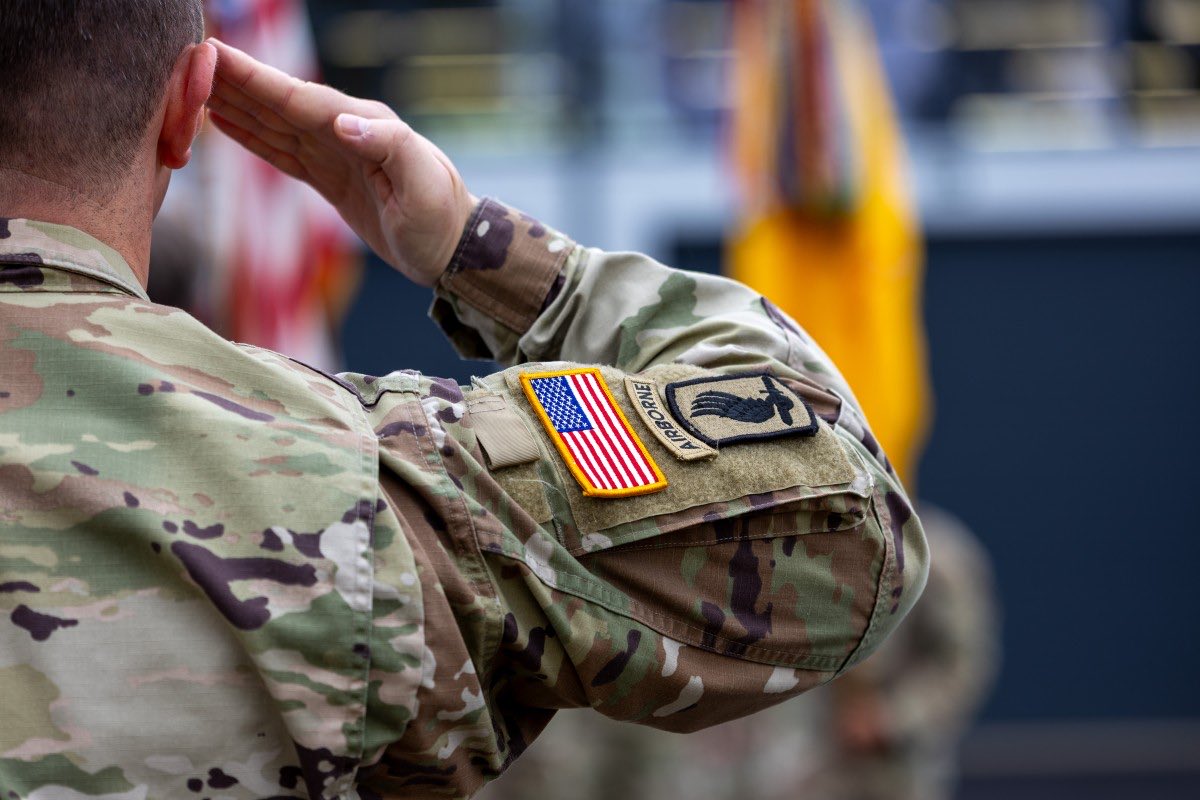
The U.S. is continuing its military presence in Estonia.
This is an strong signal of Allied unity and important element of deterrence and defence on NATO’s eastern flank.
Estonia is doing its part, investing over 5% of GDP in defence this year and strengthening our national capabilities.
A strong Europe and continued U.S. commitment to European security reinforce each other.
Big story o międzynarodowej siatce szpiegowskiej. Stworzyło ją dwóch funkcjonariuszy rosyjskich służb – Jurij i Kiriłł Chramiejewowie oraz kubański instruktor tańca. Zwerbowali co najmniej 9 terrorystów, którzy dokonali sabotaży – także w Polsce.
https://t.co/wBk1gEIr11
Rosja regularnie testuje wschodnią flankę NATO. Dziś znów nad Bałtykiem.
Rosyjski Ił-20 został przechwycony przez nasze myśliwce ok. 40 km od polskiego wybrzeża.
To nie pojedyncze incydenty, ale element stałej presji. Polskie niebo jest pod stałym nadzorem, a Wojsko Polskie pozostaje w gotowości! 🇵🇱
Zatrzymany Artur K. jest policyjnym emerytem od 2018 roku. Odszedł z wysokiej funkcji; był naczelnikiem wydziału do walki z cyberprzestępczością Komendy Wojewódzkiej Policji w Katowicach. Na emeryturze miał rozpocząć współpracę z Sylwestrem Suszkiem i ówczesną giełdą BitBay.
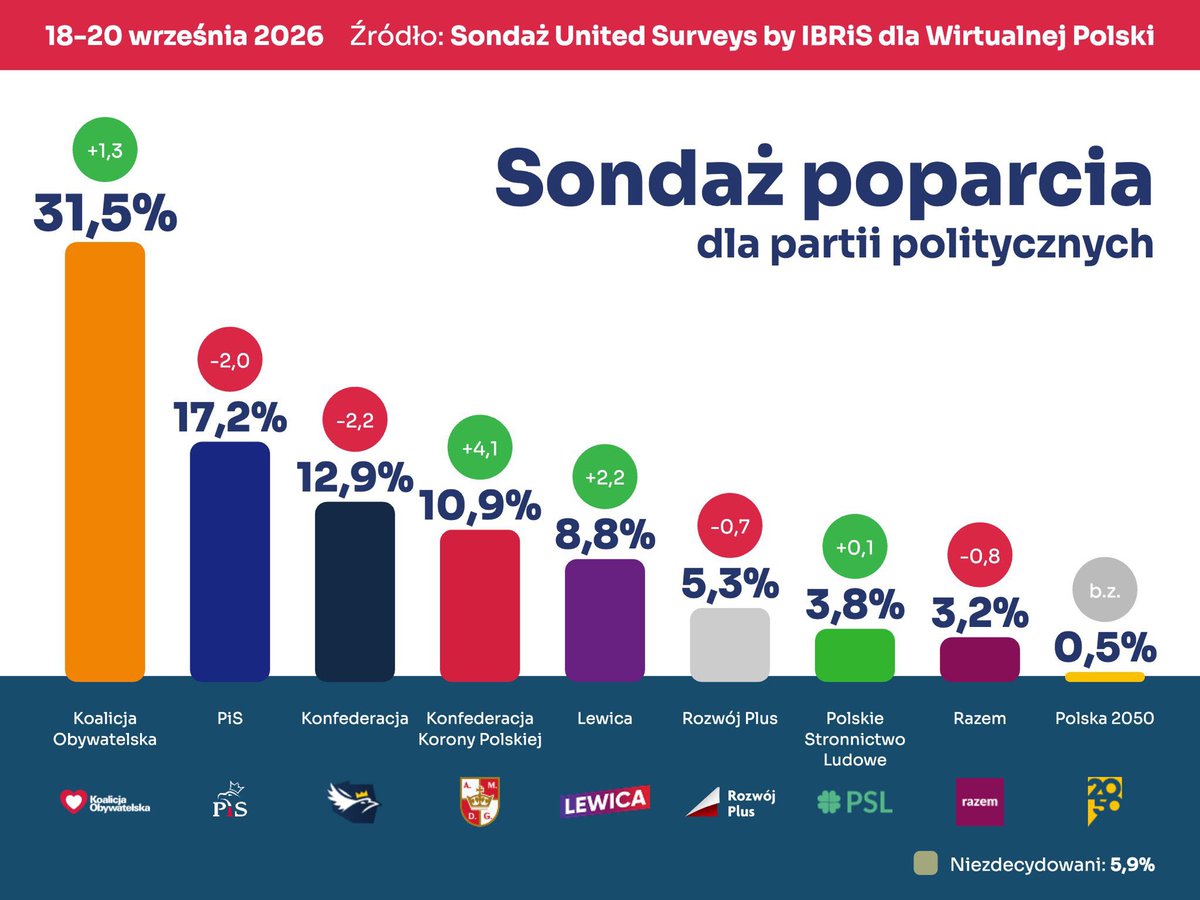
Weto do Safe żeby rząd nie miał sukcesu, torpedowanie wizyty Kosiniaka w USA żeby rząd nie miał sukcesu. „Po pierwsze Rosja, po pierwsze PiS”. Stronnictwo zdrady narodowej.
Here’s the list of American companies that Russia attacked in Ukraine:
- Mendelez International - 21.02.2026, 23.08.2026
- Flex - 21.08.2025
- Coca-Cola - 3.09.2026
- Philip Morris - 30.01.2026
- Boeing (Kyiv Office) - 15.06.2025
- Cargill - twice
- Bunge - 4 times
Dziś funkcjonariusze CBZC na polecenie Śląskiego Wydziału Zamiejscowego PK zatrzymali Artura K.
Zarzuty dla Artura K. to udział w grupie przestępczej, pomoc w przywłaszczeniu pieniędzy użytkowników giełdy kryptowalutowej ZondaCrypto i pranie pieniędzy pochodzących z tego przestępstwa.
To także kolejny krok w wyjaśnieniu okoliczności sprawy zaginięcia Sylwestra Suszka - prokuratorzy i policjanci przy użyciu zaawansowanego sprzętu kryminalistycznego prowadzą oględziny i przeszukanie terenu bazy paliwowej, na której był widziany przed zaginięciem.
https://t.co/fvCNZHVghX
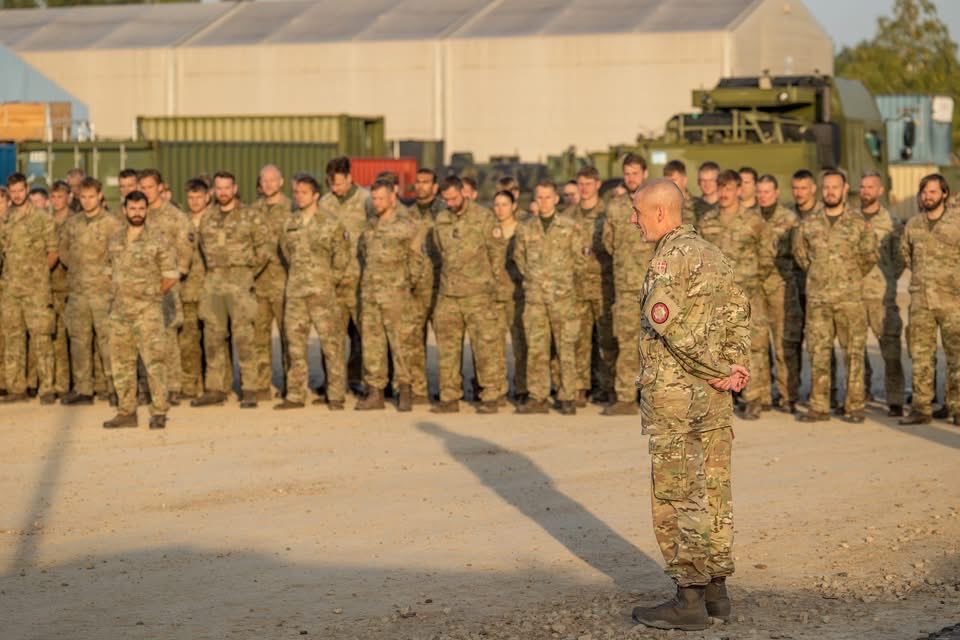
🇩🇰Danish national service conscripts will be deployed to Latvia already next year as part of the enlarged and extended deployment of a btn to 6 months alternately with a 🇸🇪Swedish btn to avoid gaps.
Last time 🇩🇰Danish conscripts served abroad was in 🇩🇪Germany during the Cold War
"Some 35% of Canada’s entire land forces are committed to Latvia, he said. Similar NATO units are led by Germany, which is permanently positioning a brigade in Lithuania, and the U.K., which is leading a battle group in Estonia." https://t.co/BeUpn8sAhM
⚡️BREAKING: Parliament of Lithuania approves amendment that would allow nuclear weapons to be deployed
Lithuania’s Seimas voted to amend the Constitution, which would lift the ban on deploying weapons of mass destruction, including nuclear weapons, on the country’s territory.
99 lawmakers voted in favor of the amendment, 13 against, and five abstained.
The document will now be considered by the relevant committees. Final adoption will require two more votes, three months apart.
The first vote is scheduled for October 6, with the final vote on January 12, 2027.
In June, the Financial Times reported that the United States was discussing the deployment of nuclear weapons in Poland and the Baltic states. Lithuania then confirmed the talks and the possibility of amending the Constitution.
In September, the Kremlin said that Lithuania would come “under the sights” of Russian nuclear weapons if it deployed a nuclear arsenal on its territory.
Currently, U.S. dual-capable aircraft capable of carrying nuclear weapons are stationed in six NATO countries: Belgium, the United Kingdom, Germany, Italy, the Netherlands, and Turkey.
After the start of the full-scale war against Ukraine, Russia deployed its nuclear weapons in Belarus.
In an interview with @BBCNewsnight, I highlighted:
• #Lithuania is ready to defend its people, and we back this up with action – our defense investment is the highest in @NATO at 5.38% of GDP.
• Europe’s approach to defense will continue to strengthen as the impact of Russia's war reaches Germany and nations even further away.
We, Lithuanians, are calmly doing our job and have full confidence in transatlantic unity.