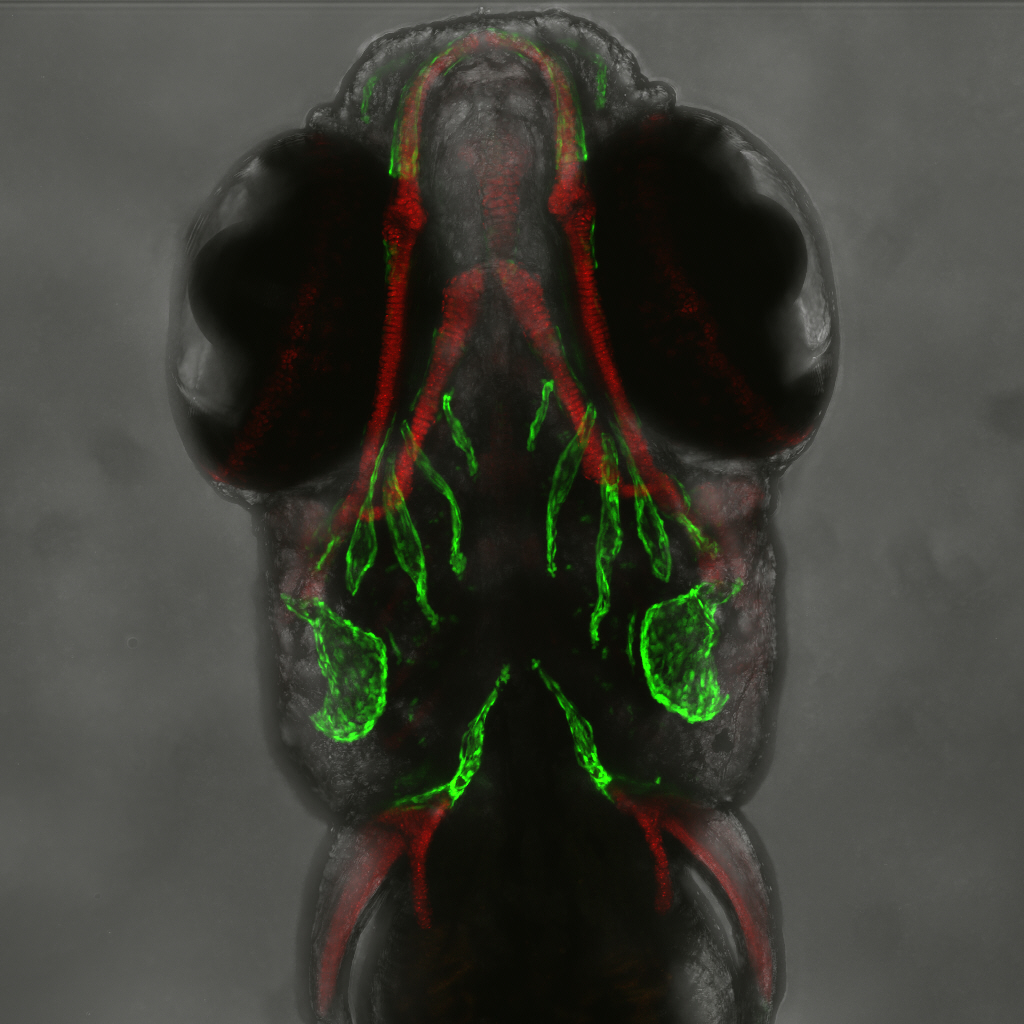
@PabloMPancorbo@ExeterDoctoral We use them for many reasons including 1) Many transgenic lines for visualising different processes in real time. 2) See-through during early larvae so can visualise internal structures 3) Are small and breed easily allowing for multiple experiments in small places.
Rivers contain many chemicals, including the glucocorticoids💊which treat rheumatoid arthritis and asthma.
How does these💊effect🐟?
Using zebrafish, we see how these💊effect🐟including:
1) Development; 2) Bones/cartilage; 3) Immune system #tweetyourthesis@ExeterDoctoral
With the world coming to a stop due to #COVID19, #climate change still marches on. Mass coral bleaching for the 3rd time in 5 years on the #GreatBarrierReef.
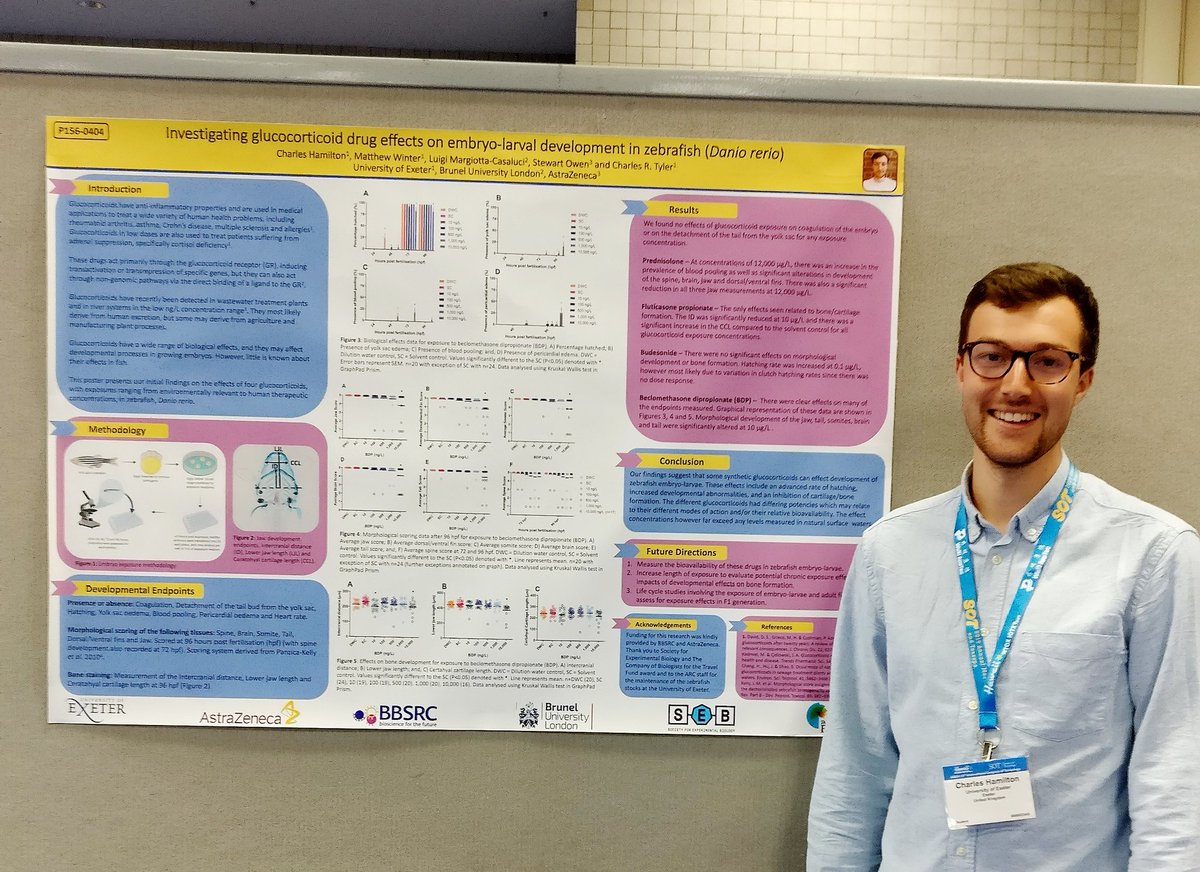
Excited to be presenting my research at @iutox International Congress of Toxicology on the effects of glucocorticoids on developing zebrafish. Find me at poster no.156
#TeamTyler have finally reached Honolulu for the IUTOX 2019 conference. So excited to hear about some #toxicology research in the most beautiful location!
#phdlife#WorkingHard
Maybe it is time to get rid of the phrase "Statically significant" and not rely on P-values for reporting our results. Scientists rise up against statistical significance https://t.co/RLnPESww4U
Habitat fragmentation is a leading cause of freshwater fish decline. Our paper out today presents a novel strategy that works to restore the connectivity of fish habitats and populations: https://t.co/RjTfvA1233
@Franklin_EcoLab@UQ_News
Toxic chemicals change fish gene function long after the chemical is gone.
But are their grandchildren also affected, even if they’re not directly exposed?
Their germ cells hold the key to observing inheritance of these deadly alterations
#tweetyourthesis@ExeterDoctoral
Glucocorticoids are used to treat millions of people every year however are now detected in our rivers. Is it possible that these drugs cause detrimental effects to fish by changing their physiology and can this alter the next generation? #tweetyourthesis@ExeterDoctoral