Classically trained in the last century. The “first” West Coast Space Surgeon. WSMC, Vandenberg AFB - Love and enjoy your journey, and embrace your friends.
I absolutely think your posts are spot on with regards to the true American Patriot
BUT—
The cave dwellers are made possible by both the corrupted politicians (both D’s and R’s) the swamp money grubbing elite to keep us fighting and ignoring their dog in the fight
AND—
They (the status quo swamp monsters) control the outcome of the voting machines (first hand knowledge)
SO—
trust that Trumps executive orders and his foundation are fruitful —
Dittos my friend
Since 2021, I have co-managed about a half dozen patients with the same condition, all diagnosed with transverse myelitis. All patients were referred to neurologists at name brand university medical centers for evaluation and all being told their illness was a mystery.
My colleagues think I am wrong to suggest to them that their condition was the result of the COVID-19 jabs, and I recommend no more Jabs.
First, Do no harm.
Too many physicians have ignored or forgotten this.
Starshield (also called Star Shield) is SpaceX’s secured satellite network and services division for government and national-security customers.
It was publicly announced in December 2022. It builds on Starlink technology and SpaceX’s launch capabilities but is designed specifically for government use (unlike the commercial/consumer-oriented Starlink).
Official focus areas include:
•Earth observation — Satellites with sensing payloads that deliver processed data to users.
•Communications — Assured global connectivity with high-assurance cryptography for classified payloads and dedicated terminals.
•Hosted payloads — Modular satellite buses that can carry a wide range of customer equipment.
It encompasses dedicated satellites (physically separate from Starlink ones but able to interoperate with the network in some cases), secure terminals, spy/intelligence constellations (including for the U.S. National Reconnaissance Office), missile-tracking and warning systems, and related military data networks.
It has been used notably by Ukrainian forces for battlefield communications and drone operations.
SpaceX has secured multi-billion-dollar U.S. military contracts related to it (e.g., with the Space Force, NRO, and Space Development Agency), with revenue in the billions and hundreds of satellites launched.
Ownership and control: Starshield is a business line/division of SpaceX (Space Exploration Technologies Corp.), the company founded and led by Elon Musk (CEO/CTO).
SpaceX owns the trademark, builds the hardware, launches the satellites, and provides the underlying technology and operations under contract. The company went public in 2026 (Nasdaq ticker SPCX).
Operationally, however, the systems are tied to U.S. government contracts. Elon Musk has publicly stated that “Starshield systems are owned and controlled by the US government” and that limits on speed or usage are decided by the U.S. military (and ultimately the President). Customer agencies (such as the Space Force or NRO) hold mission tasking authority in many cases; some networks are described as government-owned and operated by SpaceX as a contractor under Space Force oversight. Primary customers are U.S. defense and intelligence agencies, with limited use by allied governments (e.g., trials or purchases by the UK and New Zealand).
In short: SpaceX develops, builds, and operates it as a government-focused product under contracts; the U.S. government is the main customer and exercises significant control over its use for national-security missions. Much of the program remains classified.
Starshield’s official website is: https://t.co/nF6JC9qXdg
It’s the dedicated page on SpaceX’s site for their secured satellite network for government and national-security customers.
Brought to you by the Uniparty: the real world reality is we will never have valid elections as long as the deep state is capable of protecting its interests and that is supported by both the D's and the R's.
Politicians may complain, given the appearance that they want valid elections, but until they prosecute cheating, nothing will change.
Future member of our state prison systems.
He obviously doesn’t need the cane except for use as a weapon, a common ploy seen in our incarcerated populations.
•The post from @libsoftiktok shares video of a man at UT Tyler disrupting a Turning Point USA “Prove Me Wrong” event by tearing down an American flag from their table, swinging a cane at people nearby, and yelling insults like “fascist pieces of sh*t.”
•Campus police arrested the man on site for assaulting multiple individuals; he received a criminal trespass warning and was taken to county jail, with no injuries reported despite the cane strikes.
•Local news confirms the November 10, 2026 incident, prompting university statements against campus violence and broader online debate about free speech limits versus physical confrontations at political tables.
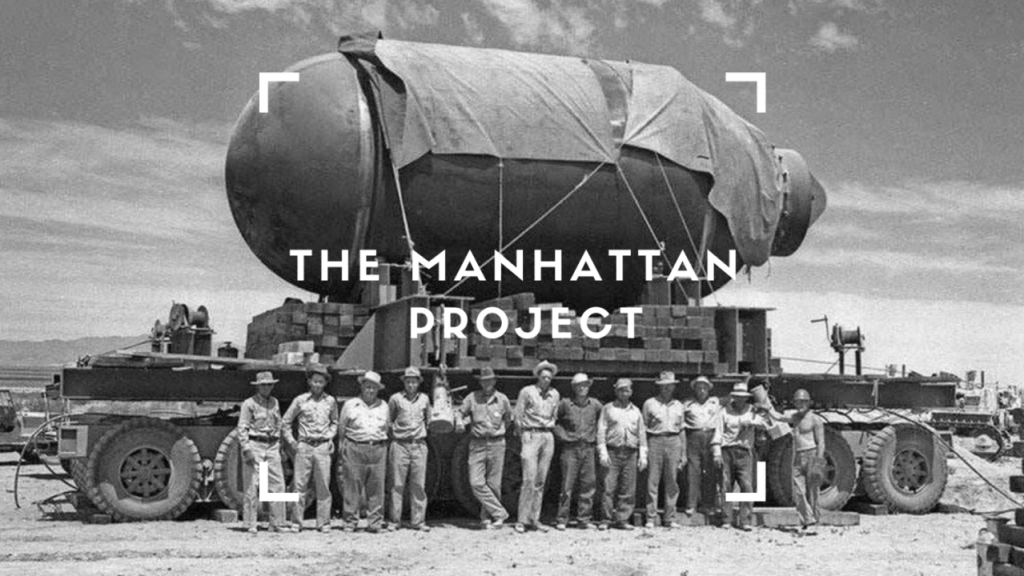
Manhattan Project 2
Your real world reality made possible by Big Pharma.
Before the phrase, "Operation Warp Speed" was pronounced in the Rose Garden, Dr. Peter Marks suggested that the Covid-19 Vaccine Development project be called, "The Manhattan Project 2"
Ask yourself, at this point, "What difference does it make?"
Sound familiar?
The Manhatten Project 2
By Dr Peter Marks
Dr. Peter Marks, MD, PhD, is a hematologist-oncologist who served as Director of the FDA’s Center for Biologics Evaluation and Research (CBER) from 2016 until his resignation in March 2025. CBER oversees vaccines, blood products, cellular and gene therapies, and related biologics. He played a central conceptual and regulatory role in the U.S. COVID-19 vaccine effort under Operation Warp Speed.
Background and Pre-FDA Career
Marks earned a BS from Columbia University and both an MD and a PhD in cell and molecular biology from New York University. He completed residency and fellowship training at Brigham and Women’s Hospital, later serving there as a clinician-scientist and Clinical Director of Hematology.
He then spent several years in the pharmaceutical industry working on the clinical development of hematology and oncology products, including contributions to the regulatory approval of the first oral iron chelator in the United States and helping shape pathways for other products.
He returned to academia at Yale University, leading the Adult Leukemia Service and serving as Chief Clinical Officer of Smilow Cancer Hospital. He joined the FDA in 2012 as Deputy Director of CBER and became Director in 2016.
Role in COVID-19 Vaccine Development and Operation Warp Speed
In early 2020, Marks collaborated with Robert Kadlec (then Assistant Secretary for Preparedness and Response at HHS) on a proposal for what became Operation Warp Speed. Marks is widely credited with helping conceive the accelerated public-private approach—parallel clinical development, manufacturing scale-up, and logistics—and with suggesting the name inspired by *Star Trek*.
A memo outlining aggressive timelines (targeting broad access by late 2020) was circulated in April 2020.
In May 2020 he was briefly associated with the White House Coronavirus Task Force and the early Warp Speed structure but stepped away within days.
He cited the need to preserve the FDA’s independent regulatory role and avoid any appearance of conflict or political entanglement. He returned full-time to CBER, where he oversaw the scientific and regulatory standards applied to the vaccines.
As CBER Director, Marks and his team:
- Engaged early with manufacturers on trial design and manufacturing expectations.
- Issued guidance setting a minimum efficacy threshold of 50% (relative to placebo) for emergency use, along with requirements for safety follow-up (including monitoring at least half of trial participants for two months after the second dose in the Pfizer and Moderna trials).
- Used the Emergency Use Authorization (EUA) pathway (established after 9/11) to authorize vaccines based on large Phase 3 data while continuing post-authorization monitoring and later full Biologics License Application reviews.
- Participated in safety-related decisions, including the temporary pause of the Johnson & Johnson vaccine over rare clotting events and the discarding of tens of millions of doses due to manufacturing concerns.
FDA leadership (including then-Acting Commissioner Janet Woodcock and former Commissioner Stephen Hahn) and many public-health figures described the effort as Marks-driven in concept and rigorous in execution: timelines were compressed by overlapping steps and government support rather than by omitting standard safety or efficacy requirements.
The first EUAs came in December 2020. Models (such as one from the Commonwealth Fund) later attributed substantial reductions in hospitalizations and deaths to the vaccines, though long-term risk-benefit assessments, rare adverse events (e.g., myocarditis in young males with mRNA vaccines), and policy questions around mandates and boosters remain subjects of debate.
Financial Relationships with Government and Pharmaceutical Companies
While at the FDA (2012–2025):
As a senior federal employee, Marks was subject to HHS/FDA ethics rules that prohibit employees (and spouses/minor children) from holding financial interests such as stocks in “significantly regulated organizations”—entities whose sales of FDA-regulated products constitute 10% or more of gross sales, or whose operations are predominantly in FDA-regulated fields.
Public reporting shows no documented violations, consulting arrangements, royalties, or other payments from vaccine manufacturers (Pfizer, Moderna, Janssen, etc.) during his tenure that would have created a reportable conflict on COVID-19 products.
His government salary as a senior Medical Officer rose from roughly $250,000 in 2012 to $400,000 by 2021–2023 under administratively determined rates, typical for top scientific leadership positions.
Pre-FDA industry experience:
As noted above, he worked in the pharmaceutical industry for several years on hematology/oncology product development before returning to academia and then joining the FDA.
Post-FDA:
In October 2025, several months after leaving the agency, Marks joined Eli Lilly as Senior Vice President of Molecule Discovery and Head of Infectious Disease. Lilly is a major pharmaceutical company (primarily known for diabetes, obesity, and other medicines) that has subsequently expanded vaccine-related interests through acquisitions.
This transition is an example of the well-documented “revolving door” between senior FDA roles and industry.
Ethics rules and post-employment restrictions apply to certain activities for a period after leaving government service; the move itself is legal and common among former regulators whose expertise is valued by companies.
Critics of the practice raise concerns about the appearance of future influence or softened standards during government service; supporters note that expertise transfer is valuable and that contemporaneous conflicts are barred by law.
Resignation and Broader Context
In late March 2025, under HHS Secretary Robert F. Kennedy Jr., Marks was given the choice to resign or be fired.
He resigned effective April 5, 2025. In his letter he stated that he had offered to address concerns about vaccine safety and transparency through public meetings and engagement with the National Academy of Sciences, but concluded that “truth and transparency are not desired by the Secretary, but rather he wishes subservient confirmation of his misinformation and lies.”
He expressed particular concern about declining confidence in established vaccines amid a measles outbreak. An HHS official responded that Marks did not align with the new leadership’s emphasis on “restoring science to its golden standard and promoting radical transparency.” Biotech and vaccine company stocks declined on the news.
Marks was a key architect of the conceptual framework for Operation Warp Speed and the lead FDA regulator for the COVID-19 vaccines.
His pre-FDA industry work and post-FDA senior role at Eli Lilly reflect common career patterns for senior scientific regulators.
Assessments of the overall COVID vaccine effort’s speed, transparency, risk communication, and long-term outcomes continue to vary across scientific, policy, and public perspectives.
Manhatten Project 2 Is What We Are Living Through...
Before the phrase, "Operation Warp Speed" was pronounced in the Rose Garden, Dr. Peter Marks suggested that the Covid-19 Vaccine Development project be called, "The Manhatten Project 2"
Ask yourself, at this point, what difference does it make?
Warp speed was ill fated from its inception.
On May 15, 2020, President Donald Trump in the White House Rose Garden produced the formal public announcement of Operation Warp Speed as a public-private partnership to accelerate COVID-19 vaccines, therapeutics, and diagnostics.
The name had already appeared in a Bloomberg News report on April 29, 2020 (the first public mention), and Trump had briefly alluded to fast-tracking efforts around that time, but the Rose Garden event made it official to the world.
Trump described it on the spot: “It’s called Operation Warp Speed. That means big, and it means fast. A massive scientific, industrial, and logistical endeavor unlike anything our country has seen since the Manhattan Project.”
He named Moncef Slaoui (former GSK vaccines head) as chief scientist and Army Gen. Gustave Perna as chief operating officer, with a goal of having doses available by the end of 2020 or early 2021.
You may wonder, did the President or his Speechwriter Coin the Phrase?
No, It was not a speechwriter.
Dr. Peter Marks, Director of the FDA’s Center for Biologics Evaluation and Research (CBER) and a Star Trek fan, suggested it. In early April 2020, Marks and Robert Kadlec (Assistant Secretary for Preparedness and Response at HHS) were developing the plan.
They first called it something like “Manhattan Project 2” or “MP2,” but rejected that because the original Manhattan Project was about building a weapon of mass destruction, not saving lives.
Marks proposed “Project Warp Speed” “Operation Warp Speed” after the faster-than-light propulsion system in Star Trek.
It appeared in an internal memo to HHS Secretary Alex Azar dated April 12, 2020, titled “Project Warp Speed: Maximally expediting a safe, effective vaccine.” The name stuck and was adopted for the public effort.
The Meaning and Why It Landed When It Did “Warp speed” is pure science-fiction shorthand for the impossible made routine. In Star Trek, a warp drive bends space-time so a starship can travel many multiples of the speed of light—literally going where no one has gone before, on timelines that defy ordinary physics.
Marks and the team chose it deliberately to shake people out of “business as usual.” Vaccine development had historically taken 5–10+ years; the goal here was to compress that into months by running development, manufacturing, and logistics in parallel, pre-purchasing doses at risk, and marshaling the full weight of government and industry.
The name telegraphed ambition on a wartime scale without the martial imagery of the Manhattan Project. It was first uttered publicly in late April/mid-May 2020 because that was the moment the crisis had fully crystallized as a multi-year emergency rather than a short interruption.
By then the U.S. had already passed the CARES Act (funding the effort), lockdowns had cratered the economy, deaths were rising sharply, and conventional expert timelines (12–18 months at best, per people like Anthony Fauci) felt politically and practically intolerable.
The Trump administration wanted a single, memorable banner for a whole-of-government push that would restore normalcy—schools, businesses, travel—by year’s end.
“Operation Warp Speed” was optimistic, cinematic, and American in its scale; it framed the vaccine race as a national mobilization comparable to World War II industrial efforts, not a routine regulatory process.
Trump’s Rose Garden remarks leaned into that framing, comparing it to the Manhattan Project while stressing speed and size.
We now know that the vaccine was never intended to save lives.
We now know, “Manhattan Project 2” was actually created.
Ask yourself, at this point, "what difference does it make?"
Sound familiar?
If I were writing a speech for President Thomas Jefferson:
Fellow Citizens,
When my late administration christened its vaccine campaign “Operation Warp Speed,” it chose a name more suited to a theatrical spectacle than to the grave business of public health. Speed is a virtue in commerce and in war; it is a vice when the object is the human body.
Science is not a horse to be spurred until it drops; it is a patient inquiry that demands time, repeated experiment, and the free consent of those who are asked to receive its fruits.
A name that boasted of haste invited the very suspicion it should have allayed. It suggested that caution had been sacrificed to calendar, and that the people’s safety might be subordinated to the desire for a swift political triumph.
Such language does not inspire confidence; it breeds distrust. Experience has since confirmed what prudence ought to have foreseen.
Upon mature reflection, and with the light of subsequent events before me, I must own that the phrase was a mistake.
A true leader does not cling to an ill-chosen word when the consequences of that word become plain.
I therefore say plainly: mistakes were made.
The appellation “Warp Speed” was ill-considered. It exalted velocity over verification, and it has done more to erode public confidence than any honest admission of uncertainty ever could have done.
Had the enterprise been called simply “the National Vaccine Effort,” or better still left without martial title, the same work might have proceeded with less suspicion and greater trust.
Names matter.
When government speaks of the bodies of free men and women, it should speak with sobriety, not with the language of spectacle.
I stand corrected.
Let the record show that the choice of words was poor, that the haste it advertised was unwise, and that a republic is better served by candor than by bravado.
Yours in liberty,
Thomas Jefferson
President of the United States of America
March 4, 1801 - March 4 1908
Warp speed was ill fated from its inception.
On May 15, 2020, President Donald Trump in the White House Rose Garden produced the formal public announcement of Operation Warp Speed as a public-private partnership to accelerate COVID-19 vaccines, therapeutics, and diagnostics.
The name had already appeared in a Bloomberg News report on April 29, 2020 (the first public mention), and Trump had briefly alluded to fast-tracking efforts around that time, but the Rose Garden event made it official to the world.
Trump described it on the spot: “It’s called Operation Warp Speed. That means big, and it means fast. A massive scientific, industrial, and logistical endeavor unlike anything our country has seen since the Manhattan Project.”
He named Moncef Slaoui (former GSK vaccines head) as chief scientist and Army Gen. Gustave Perna as chief operating officer, with a goal of having doses available by the end of 2020 or early 2021.
You may wonder, did the President or his Speechwriter Coin the Phrase?
No, It was not a speechwriter.
Dr. Peter Marks, Director of the FDA’s Center for Biologics Evaluation and Research (CBER) and a Star Trek fan, suggested it. In early April 2020, Marks and Robert Kadlec (Assistant Secretary for Preparedness and Response at HHS) were developing the plan.
They first called it something like “Manhattan Project 2” or “MP2,” but rejected that because the original Manhattan Project was about building a weapon of mass destruction, not saving lives.
Marks proposed “Project Warp Speed”
“Operation Warp Speed” after the faster-than-light propulsion system in Star Trek. It appeared in an internal memo to HHS Secretary Alex Azar dated April 12, 2020, titled “Project Warp Speed: Maximally expediting a safe, effective vaccine.” The name stuck and was adopted for the public effort.
The Meaning and Why It Landed When It Did
“Warp speed” is pure science-fiction shorthand for the impossible made routine. In Star Trek, a warp drive bends space-time so a starship can travel many multiples of the speed of light—literally going where no one has gone before, on timelines that defy ordinary physics.
Marks and the team chose it deliberately to shake people out of “business as usual.” Vaccine development had historically taken 5–10+ years; the goal here was to compress that into months by running development, manufacturing, and logistics in parallel, pre-purchasing doses at risk, and marshaling the full weight of government and industry.
The name telegraphed ambition on a wartime scale without the martial imagery of the Manhattan Project.
It was first uttered publicly in late April/mid-May 2020 because that was the moment the crisis had fully crystallized as a multi-year emergency rather than a short interruption.
By then the U.S. had already passed the CARES Act (funding the effort), lockdowns had cratered the economy, deaths were rising sharply, and conventional expert timelines (12–18 months at best, per people like Anthony Fauci) felt politically and practically intolerable.
The Trump administration wanted a single, memorable banner for a whole-of-government push that would restore normalcy—schools, businesses, travel—by year’s end.
“Operation Warp Speed” was optimistic, cinematic, and American in its scale; it framed the vaccine race as a national mobilization comparable to World War II industrial efforts, not a routine regulatory process.
Trump’s Rose Garden remarks leaned into that framing, comparing it to the Manhattan Project while stressing speed and size.
We now know that the vaccine was never intended to save lives.
We now know, “Manhattan Project 2” was actually created.
Ask yourself, at this point, "what difference does it make?"
Sound familiar?
If I were writing a speech for President Thomas Jefferson:
Fellow Citizens,
When my late administration christened its vaccine campaign ���Operation Warp Speed,” it chose a name more suited to a theatrical spectacle than to the grave business of public health. Speed is a virtue in commerce and in war; it is a vice when the object is the human body.
Science is not a horse to be spurred until it drops; it is a patient inquiry that demands time, repeated experiment, and the free consent of those who are asked to receive its fruits.
A name that boasted of haste invited the very suspicion it should have allayed. It suggested that caution had been sacrificed to calendar, and that the people’s safety might be subordinated to the desire for a swift political triumph.
Such language does not inspire confidence; it breeds distrust.
Experience has since confirmed what prudence ought to have foreseen. Upon mature reflection, and with the light of subsequent events before me, I must own that the phrase was a mistake.
A true leader does not cling to an ill-chosen word when the consequences of that word become plain. I therefore say plainly: mistakes were made.
The appellation “Warp Speed” was ill-considered. It exalted velocity over verification, and it has done more to erode public confidence than any honest admission of uncertainty ever could have done.
Had the enterprise been called simply “the National Vaccine Effort,” or better still left without martial title, the same work might have proceeded with less suspicion and greater trust.
Names matter.
When government speaks of the bodies of free men and women, it should speak with sobriety, not with the language of spectacle.
I stand corrected.
Let the record show that the choice of words was poor, that the haste it advertised was unwise, and that a republic is better served by candor than by bravado.
Yours in liberty,
Thomas Jefferson
President of the United States of America
March 4, 1801 - March 4 1908
@ValerieAnne1970 Probably also the cause of Crohn’s disease and ulcerative colitis which are now being diagnosed in younger people at higher rates than was seen before.