As we are waiting for our team to finalise the selection of this year’s participants, we would like to take the opportunity to create awareness on an issue that arose almost two years ago in Africa and has not received enough attention from the media: The civil war in Sudan.
/n
🌍Exciting news! The 2025 TReND-CaMinA Course will be held in Lusaka, Zambia 🇿🇲 from July 7th–23rd. Dive into computational neuroscience and machine learning with us!
📅 Applications open: December 15th
🔗More info: https://t.co/P49RfKW1dx
Stay tuned & spread the word! 🧠✨
This stunning #MicroscopyMonday is an adult fly #brain, labeled in orange is the mushroom body, the memory center in flies, and the neurons on the sides are part of the medulla of the eye, essential for color vision.
@Cheliuzz (Si Lab) 🧠
Happy to announce that we are organizing the 4th #MexFly meeting in #MexicoCity! This event will be onsite and in Spanish, but we are also hosting a video session: "MexFly around the world". If you know a Mexican scientist working with #Drosophila, please share this w/them (1/4)
If you are attending #icn2024berlin and interested in social behavior, stop by PS2.142 to learn about social behavior on flies, the first Otopalik Lab poster!
#icn2024berlin people!
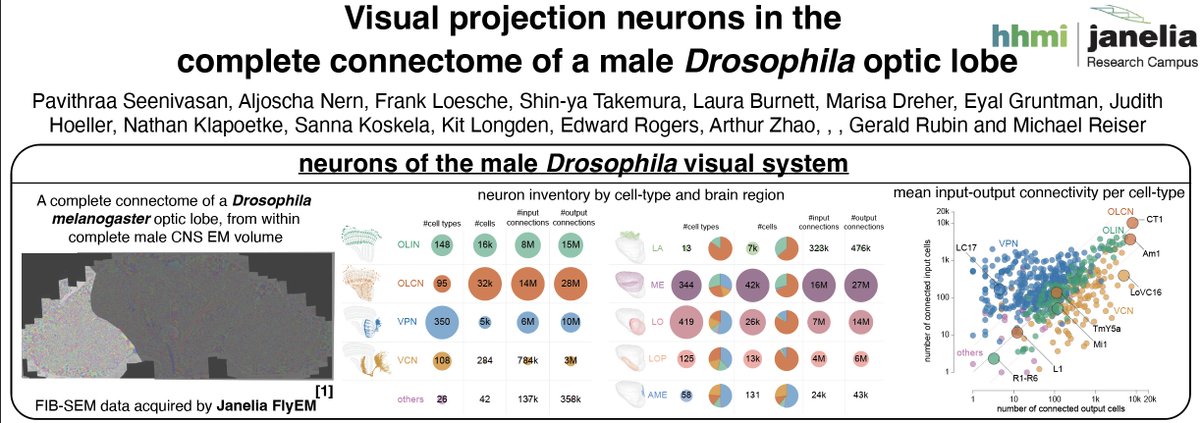
for new fly vision work from our group, please visit our 2 posters on Thursday:
@PaveeSeeni PS2.241 - Visual Projection Neurons
@sanna_koskela P2S2.224 - searching for the optomotor pathaway(s)
If you are attending #ICN2024Berlin and are interested in sensory perception and evolution stop by PS2.004, I’ll be presenting my PhD work on Evolution of Taste Perception and Learned Behavior on Drosophila, the worked I did on the Si Lab at @ScienceStowers
23 pairs! The magic chromosome count that helps humans thrive. But what if all our DNA were arranged in just two chromosomes? In this study, we explore this question using budding yeast. 🧵 (1/6)
https://t.co/vUSfClP01w
Against the trend of making increasingly complicated models, we found that a rather simple (thus explainable) model can predict V1 neurons, across different modalities (ephys and 2p) and different animal models (mice and monkeys). Read more here -v
🚨Preprint‼️
1/ Predicting neural activity is notoriously difficult and requires complicated models. Here we develop simple “minimodels” which explain 70% of neural variance in V1! 🐭🐒 #neuroai@computingnature@marius10p@NunezKant
Paper: https://t.co/Cr5ppTrAZX
Recording 🔬 :
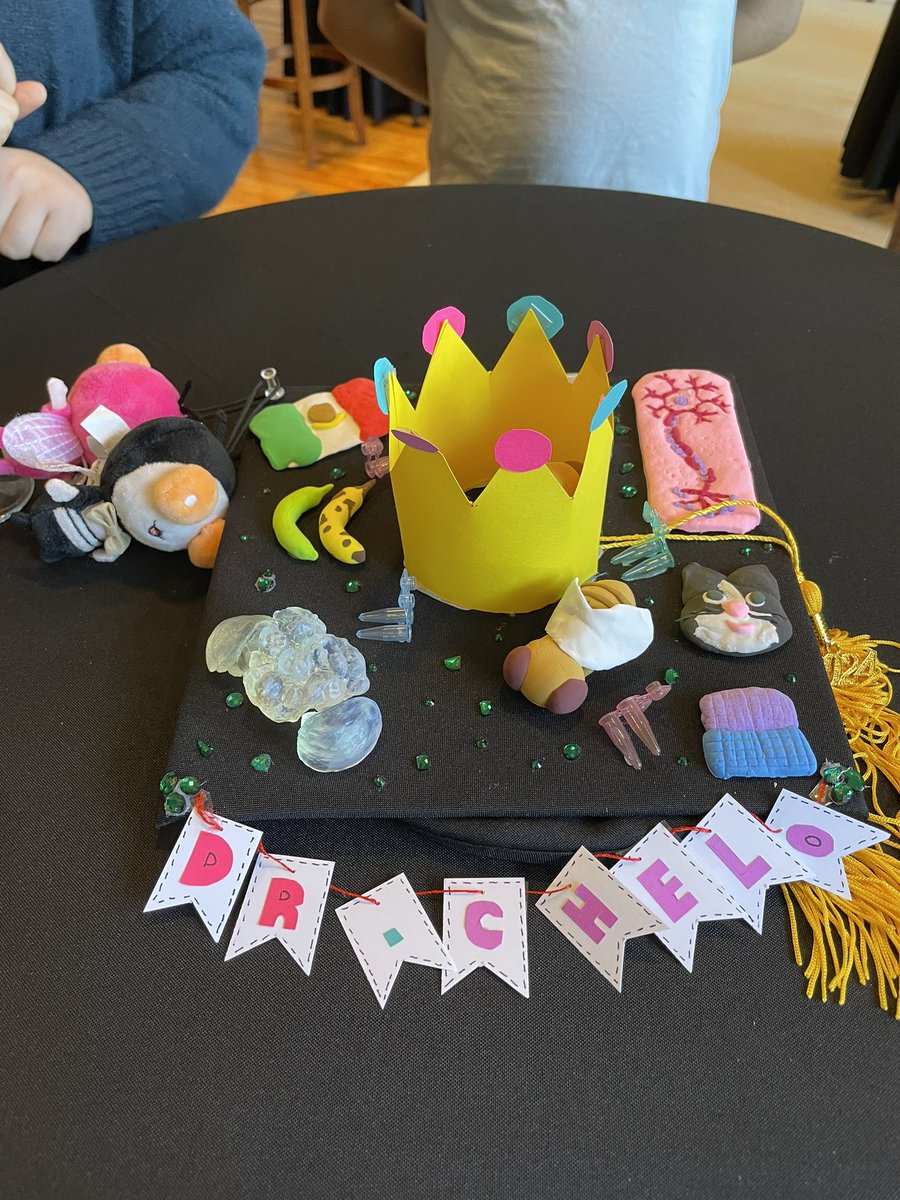
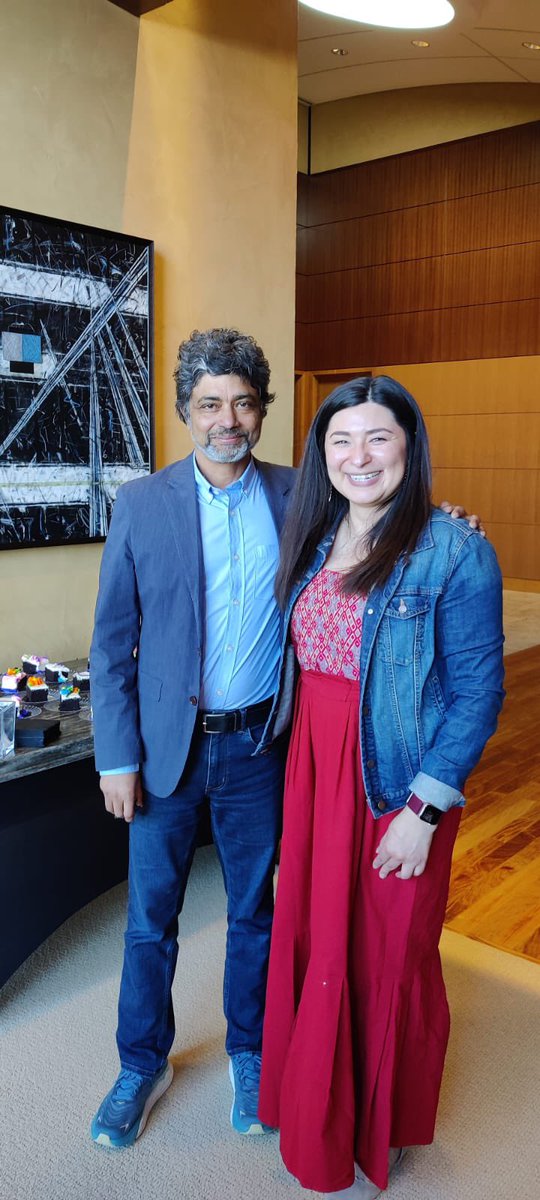
I am happy to share that I have successfully defended my dissertation and I’m officially Dr. Pérez!
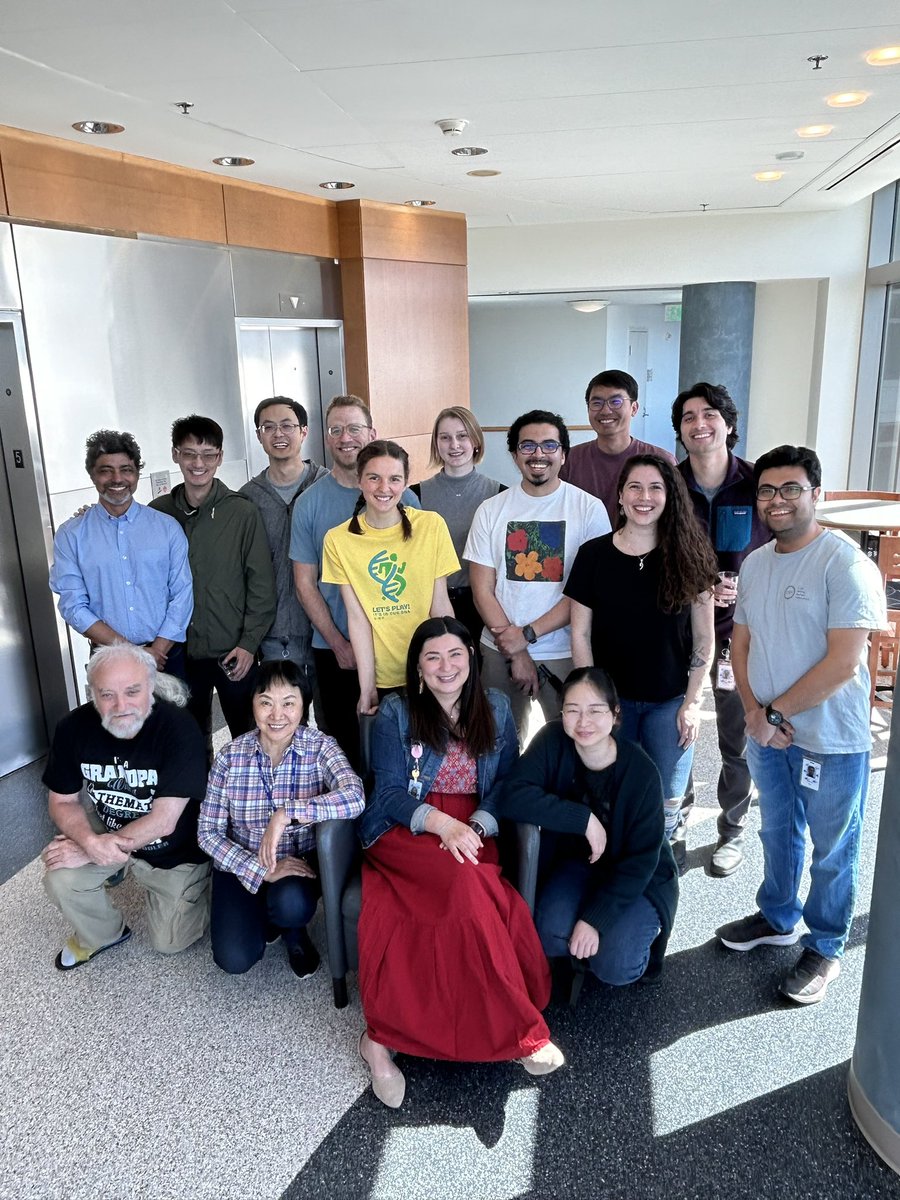
I’ve been fortunate to receive great mentorship within @ScienceStowers and @KUMedCenter. I am very grateful to my mentor Kausik Si.
So excited for my next adventure as a postdoc!