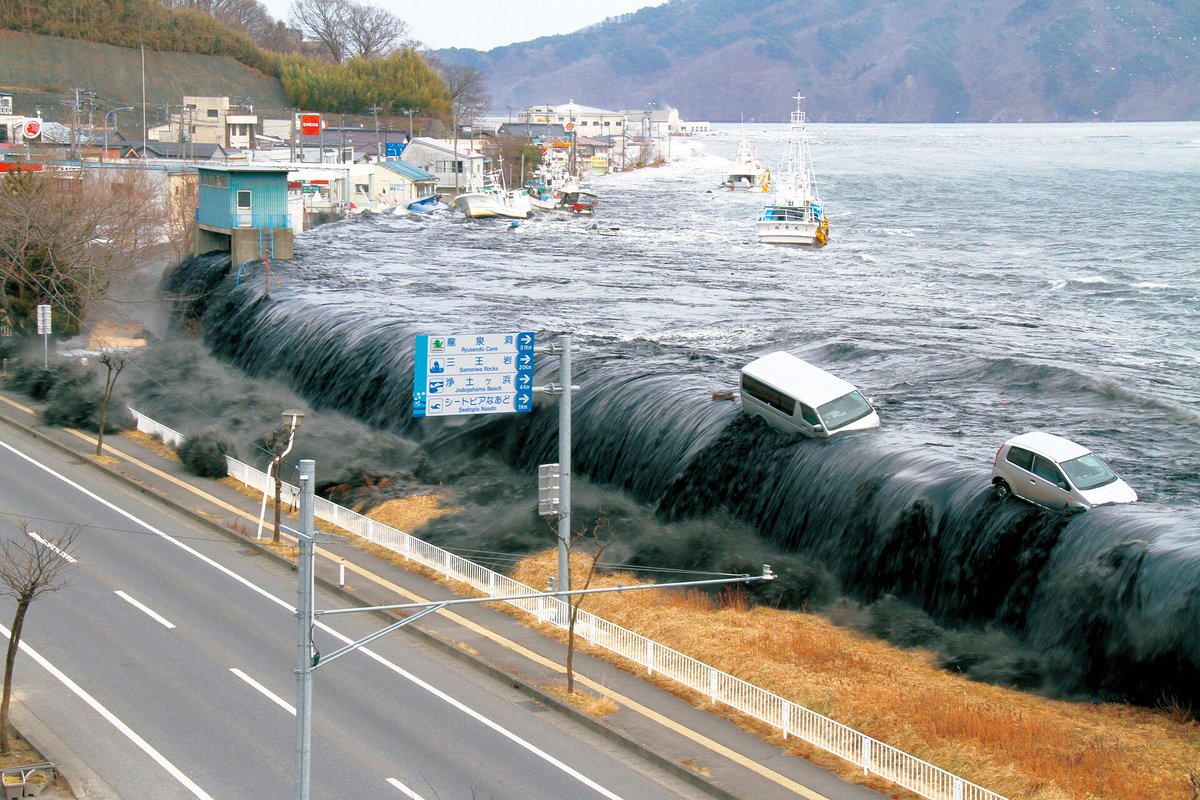
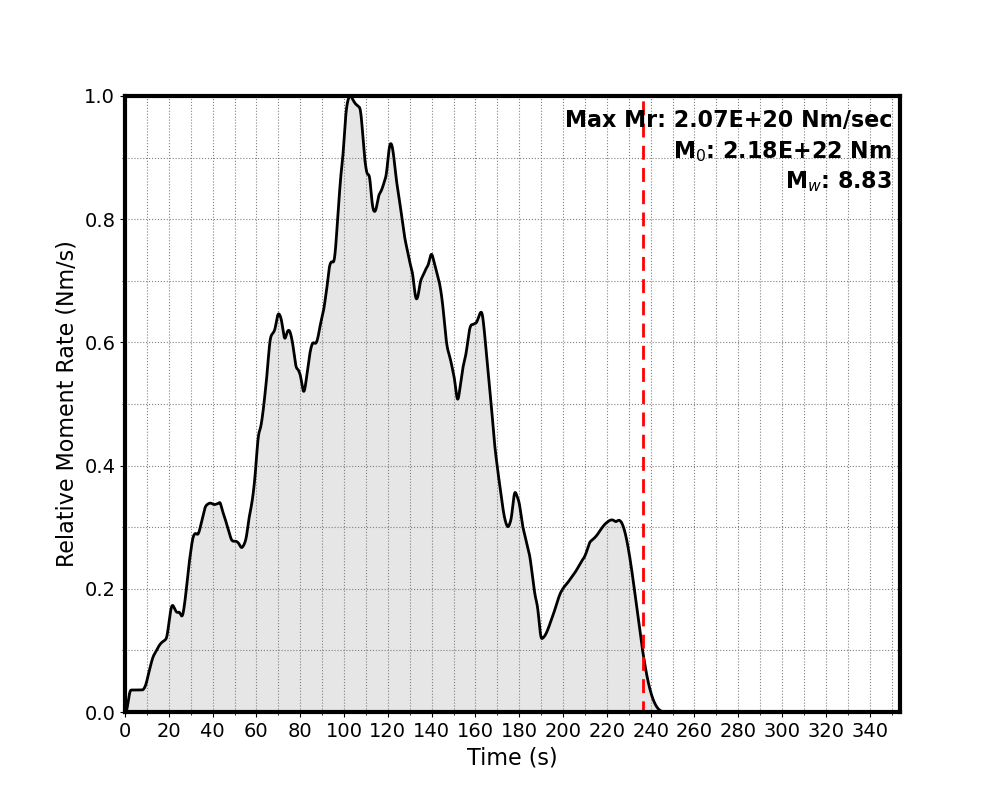
March 11 marks the 15th anniversary of the 3rd-largest seismic event ever recorded, the magnitude 9.1 Tōhoku earthquake and tsunami. Recovery from this devastating event is still ongoing. Research into ways to make our society more resilient to nature's unpredictability continues
A M7.7 earthquake struck Myanmar and has caused both destruction and death. The link below includes a short summary of what we know, as well as a Temblor map and Coulomb stress transfer model.
https://t.co/v0EFHozuuk
ミャンマーで発生したM7.7の地震のUSGS Finite Fault
断層の北端付近はSingu付近、南端はPyawbweで、全長約200km程度。最大すべり量は5m程度、断層破壊継続時間は90秒程度。
規模・すべり量・震源の範囲は、Wu and Wang (2022)が推定した1839年アヴァ地震に非常に近い。
https://t.co/ZS67X6heXw
Geodetic model of the 22 January 2024 Mw 7.0 Wushi (northwestern China) earthquake and Mw 5.7 aftershock from inversion of InSAR data https://t.co/CCnn42QHuy
Applications are now open for the FY2025 Invitational Fellowships (Short-term, 2nd Call). This program is designed to provide opportunities for foreign researchers to visit Japan for a short period (14-60 days).
🕔Deadline: April 25, 2025, 5 p.m. (JST)
🔗https://t.co/yx1GEfrf3u