Remote autonomous titration
https://t.co/W1xQ1ZEIJi
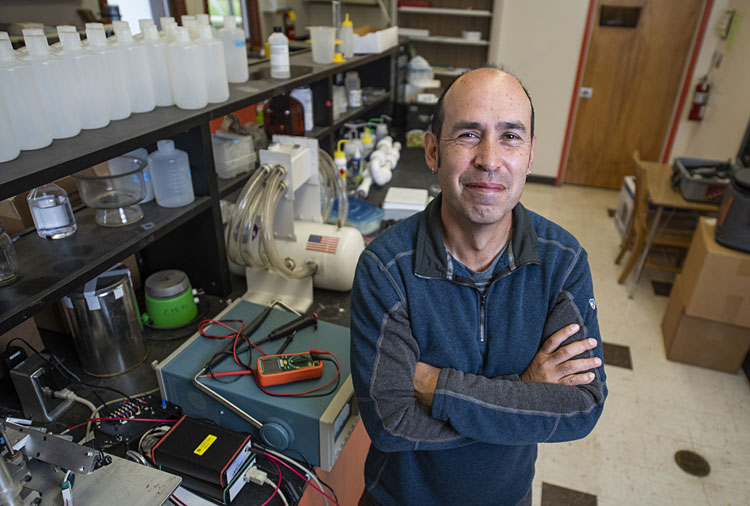
A Tools of the Trade article by @mddegrandpre from @ChemUmt@umontana detailing the equipment used to remotely measure alkalinity in natural waters through titration.
Accomplished UM Research Professor Bob Yokelson @bobyokelson, who studies biomass burning and its role in air quality, atmospheric chemistry & climate, was named a Fellow of the American Geophysical Union! Congrats, Bob! https://t.co/raYveruOp9
📢ANNOUNCING the Fall 2023 Aspiring PUI Faculty Workshop @BucknellU -- 2 days, 14 peers in Natural Sci. & Math wanting to learn about primarily undergrad institutions (PUIs). *No cost to attendees.* Find more info and apply by July 1: https://t.co/ueCIdy3ysz
Our alum Callie Cole was featured by the American Society of Mass Spectrometry (ASMS) as the May “Face of Mass Spectrometry.” Very interesting interview that captures Callie’s professional, scientific, and personal interests nicely. Well done, Callie! https://t.co/jbx42lvwVh
The record-setting science surge at UM has only gained momentum in the first six months of the 2022-23 fiscal year! External funding is up 18% from last year and the award volume stands at $99 million.
Read about UM's growth as an R1 institution here: https://t.co/Ws8p2du6jO
In Memory of Richard J. Field (1941-2022). The UM community is saddened by the passing of Chemistry and Biochemistry Emeritus Professor Richard J. “Dick” Field on Sunday, December 4. Read more about Field's life and his contributions to the UM community. https://t.co/oCck6hF8AQ
Yep, not only in Brewing Science, we also provide courses in many basic sciences and applied sciences, such as environmental chemistry, water quality, air quality, climate change, separation, etc.
Chemistry Professor Aaron Thomas has become a national thought leader for finding ways to add diversity to STEM fields. He recently helped UM earn a prestigious $2.5M Driving Change grant from @HHMINEWS 👏
https://t.co/g2N8KsKQCS #UM#GoGriz#umontana
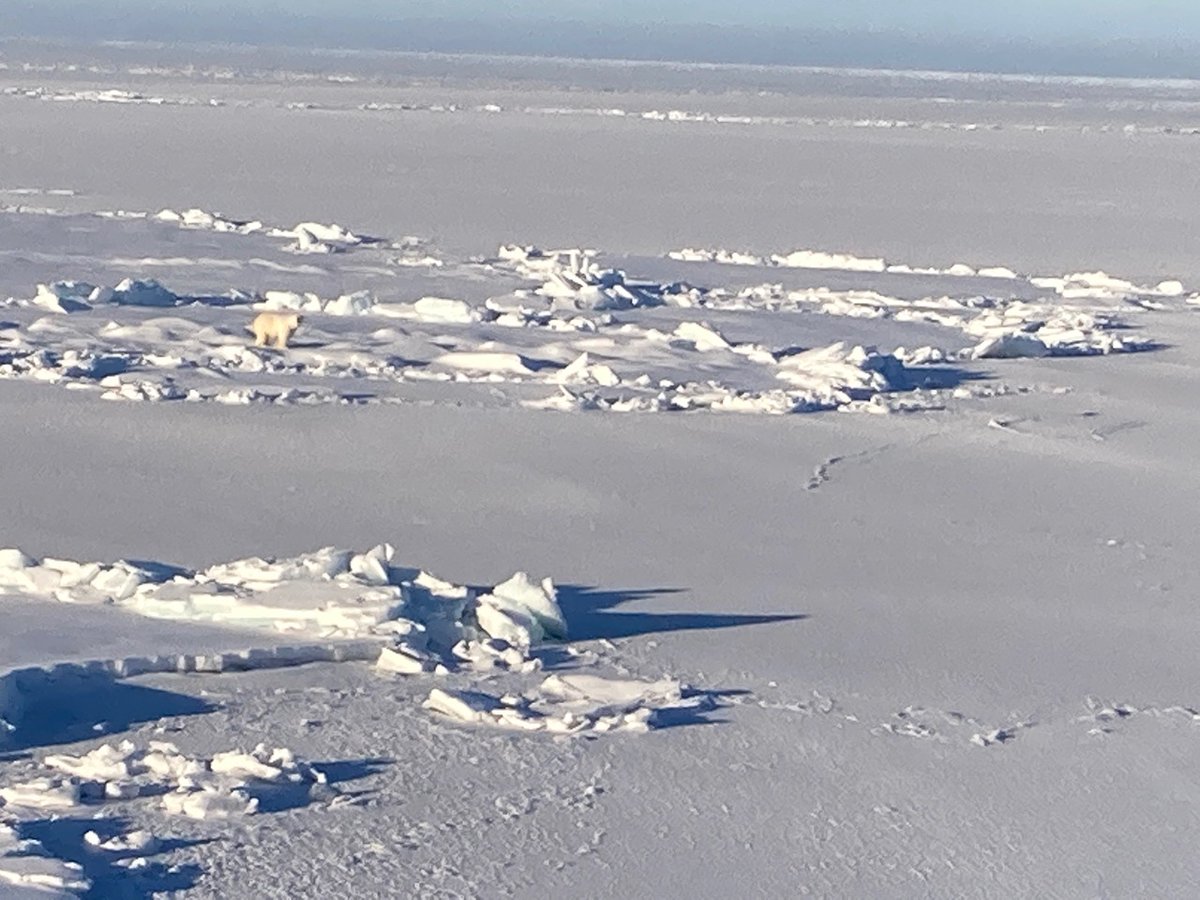
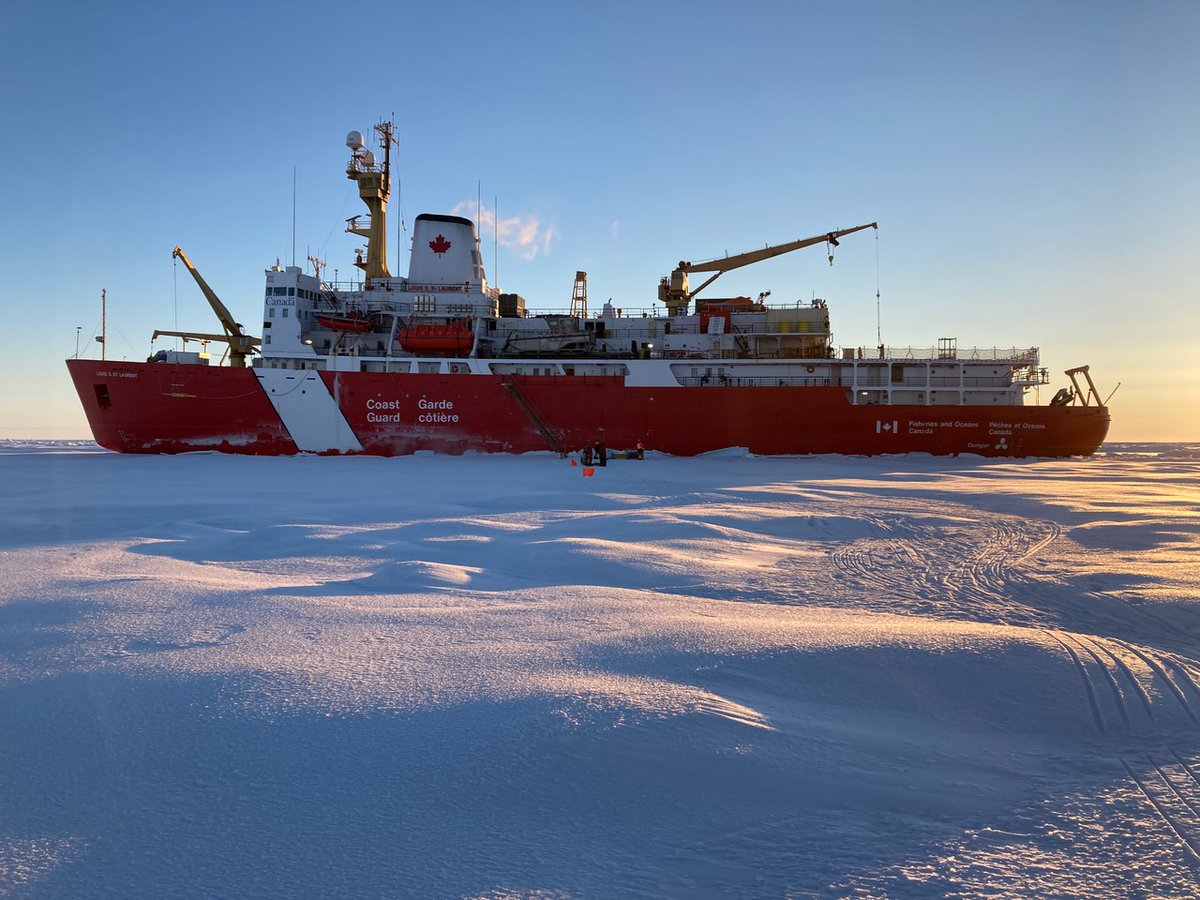
...understanding how loss of ice is changing the physical (e.g.mixing and waves) and biogeochemistry (e.g.biological productivity & C cycling). DeGrandpre lab's focus is on the deployment of CO2 and pH sensors on moorings and drifters to study the Arctic Ocean carbon cycle. (2/2)
Prof. DeGrandpre just completed a research cruise on the Canadian Coast Guard Ship Louis S. St. Laurent, their their flagship icebreaker. The ship can break through 1 m thick ice while going over 10 knots. The cruise is focused on ... (1/2)
Prof. DeGrandpre just completed a research cruise on the Canadian Coast Guard Ship Louis S. St. Laurent, their their flagship icebreaker. The ship can break through 1 m thick ice while going over 10 knots. The cruise is focused on ... (1/2)
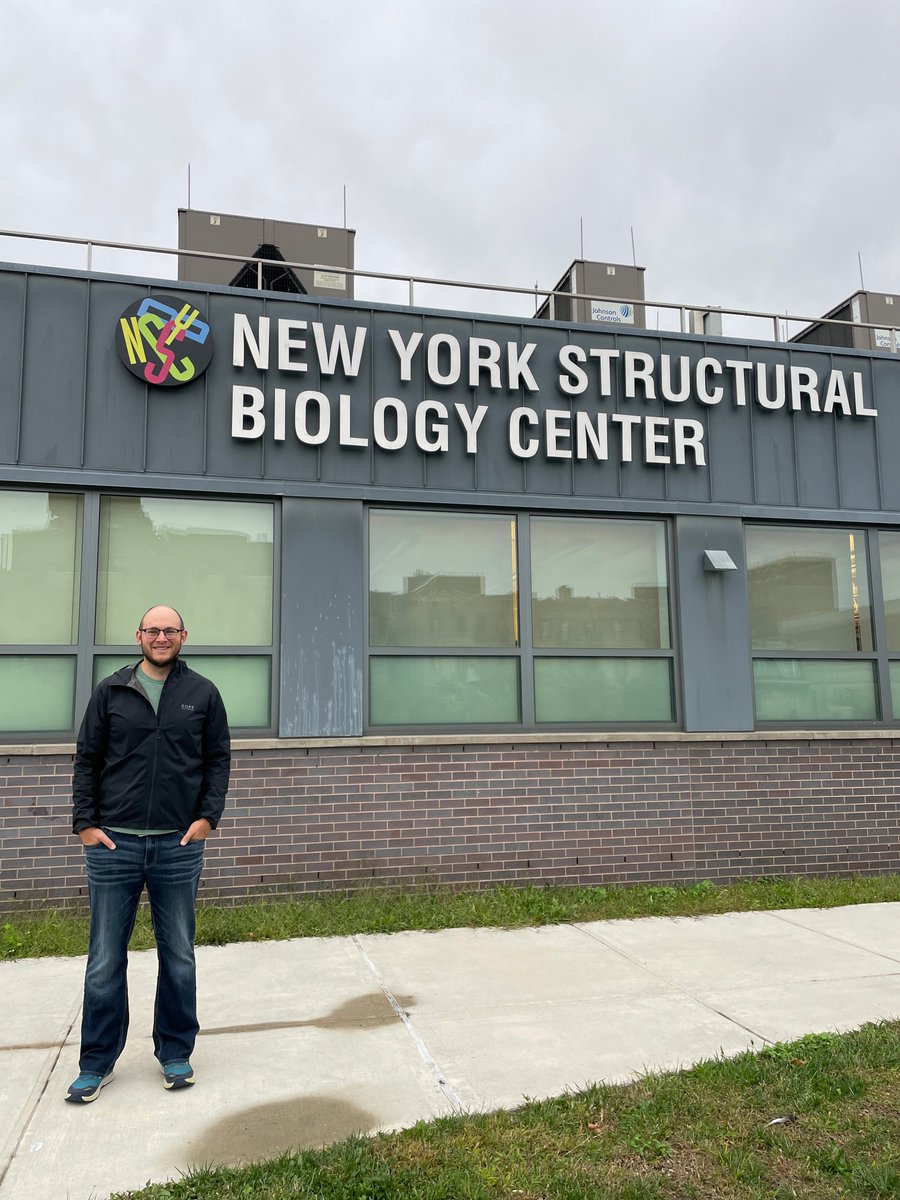
Dan was awarded an #NSF EPSCoR Track 4 Training Fellowship this past year, allowing him to learn a structure elucidation technique called Microcrystal Electron Diffraction (MicroED). Dan will eventually be bringing the technique back to Big Sky country.
Dr. Dan Decato, @umontana SMXDC and NMR Manager, just began a 2.5-month training period at the National Center for CryoEM Access and Training (contained within the New York Structural Biology Center) in New York City.
Dr. Dan Decato, @umontana SMXDC and NMR Manager, just began a 2.5-month training period at the National Center for CryoEM Access and Training (contained within the New York Structural Biology Center) in New York City.
Lu Hu, a @umontana researcher, contends our understanding of wildfire smoke is a bit hazy, but he recently earned an $800,000 early career award from the NSF to help reveal the true nature of the smoke that clouds our Western skies. https://t.co/tPilR004gS