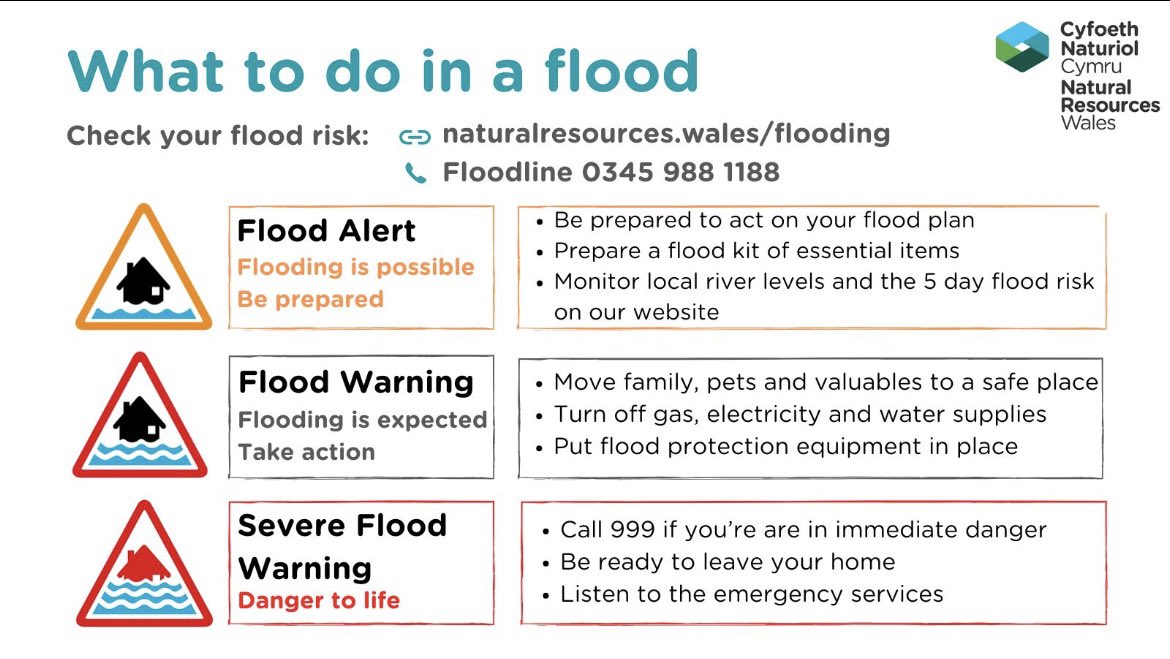
@AMooreye@PaulMatthews67 Allyson always check NRW pages and @MonmouthshireCC as that will be updated frequently as the situation progresses. I also have Alexa updates for my area, when there’s a significant weather event for my postcode area Alexa sends me a notification. Hope this helps. Stay safe.
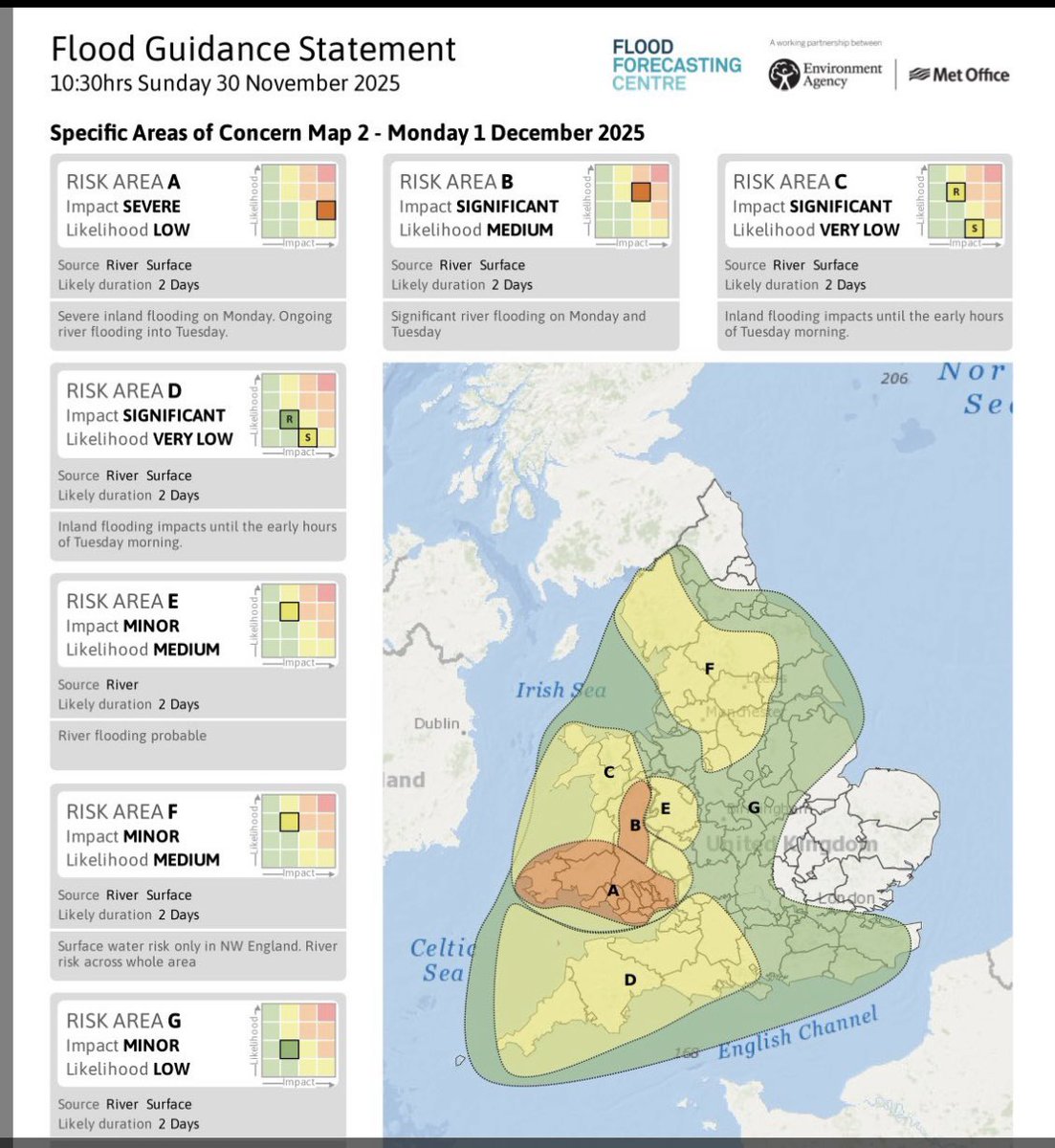
Things don’t look great on the weather front for a couple of days.MCC teams are stood up and meeting with partner agencies throughout tomorrow. I’ve heard several residents / businesses say recently that they don’t know where to look for flood warning information-detail attached
If we want sustainable organisational change, which group is more important?
(a) People who are active in response to the change (even if they are resistant); or
(b) People who accept the change?
Newly published research suggests (a); it is more important to get people active in change than it is to get favourable responses to it. Active dissenters/resisters/opponents are preferable to passive, seemingly accepting people who go along with the change.
Many existing change frameworks focus on “valence”: the extent to which people are positive or negative about the change. This research highlights the importance of another dimension: “activation” - the energy or action level in people’s response to change - whether they are engaged, energetic & visible (active) or quiet, withdrawn, & non-participative (passive).
The authors have created a four box framework called “the Change Response Circumplex Scale”. I’ve added some strategies for working with the different categories alongside their graphic.
Active resistance is preferable to passive disengagement because it:
-keeps the lines of feedback & dialogue open
-surfaces important information & risks that passive compliance might hide
-enables leaders to create psychological safety for diverse reactions to change.
-Creates the conditions for long term engagement in change.
Implications of this research for leaders of change:
1. Go beyond reducing resistance: Don’t just focus solely on minimising resistance or seeking passive agreement; aim to foster active, positive engagement from people -what the authors term “change proactivity.”
2. Understand engagement levels: Differentiate between passive acceptance, disengagement & truly active, positive support. Use the framework to understand people’s responses to your change initiative.
3. Create interventions accordingly: Disengaged people need approaches to increase involvement, passive assent can become active support & resistance can become constructive dialogue.
4. Leverage the value of dissent: Rather than viewing resistance solely as an obstacle, explore what motivates active dissent & use it as a resource for learning & adaptation.
I appreciate this model because it challenges so much of the existing (dubious) advice for change leaders to “overcome resistance to change”. Instead we should work to activate engagement in change. The research shows that both high activation responses (change proactivity & change resistance) show the most promise for long term change engagement. Activism is what changes the world.
There are two research articles about this framework.
The 1st, from 2024, validates the framework (This is a version from Scrid so it is it accessible): https://t.co/YVuM0zgfKf.
The 2nd, which sets the framework in a wider change context, is from 2025 & is attached to this LinkedIn post from Cheese Cheeseman: https://t.co/E0Sf7GzFVI. By Shaul Oreg & Noga Sverdlik.
@sainsburys only rec’d 1/4 of my online shop tonight, called the customer helpline who weren’t able to help because the store wouldn’t answer phone to approve refund! I now have no shop and no resolution #poorcustomerservice
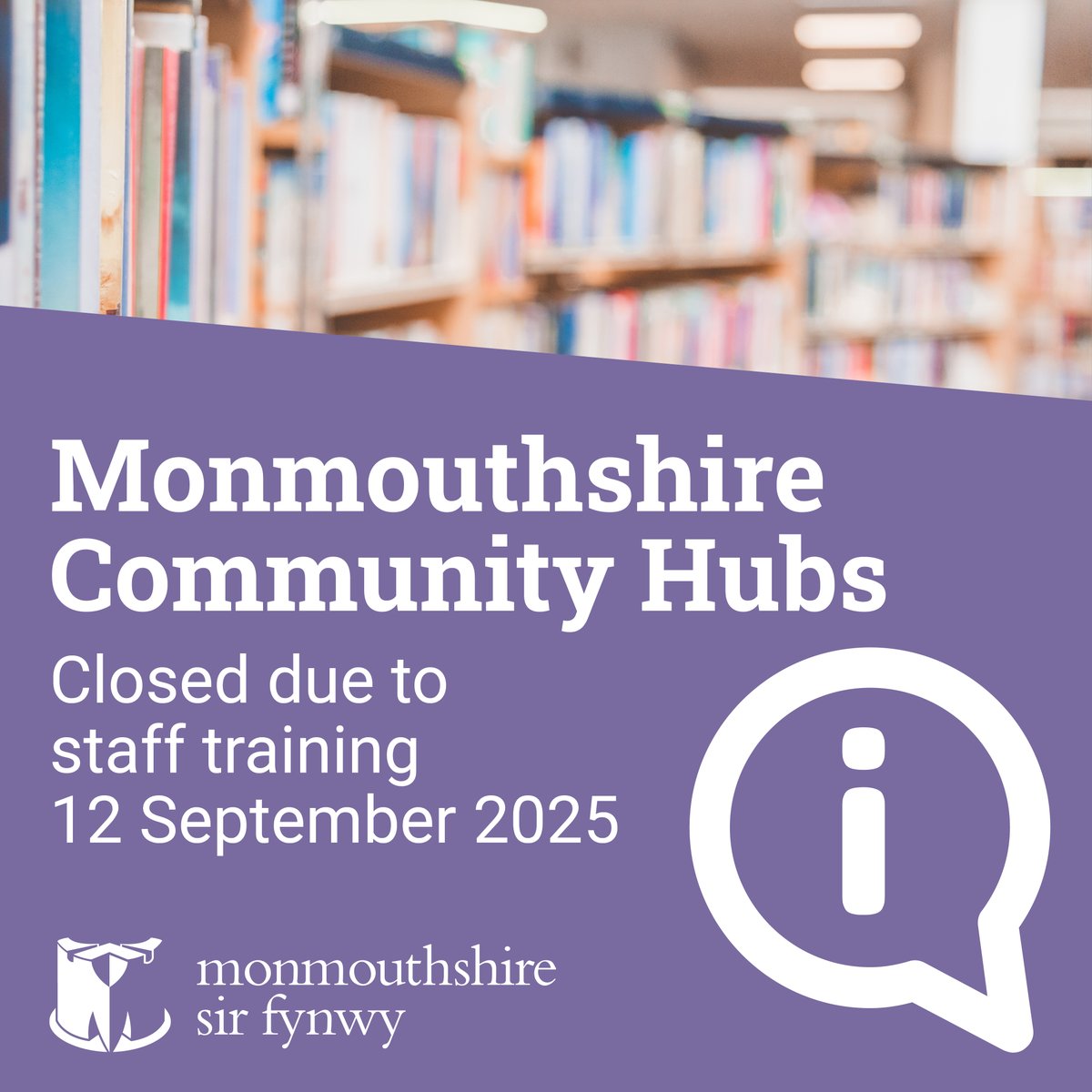
Customer Notice - Due to staff training, all our Community Hubs and Libraries will be closed on Friday 12th September. We apologise for any inconvenience caused.
This makes complete sense, and resonates, yet organisations will continue to put their business case before the people.
People are the most valuable asset in any company, period!
When we lead big organisational change programmes, we tend to lead them through logic: rational arguments, business cases & systematic approaches. We might get better results if we lead them through loss, not logic.
We consistently underestimate the power of a sense of loss in change processes & get surprised when people react as they do. There are typically multiple senses of loss and actions we can take to lead change with loss, not just logic:
1) Loss of competence: “everything I know is useless now”. We can help normalise discomfort, highlight transferable skills, encourage unlearning & create quick wins.
2) Loss of control: “this is being done to me”. We can involve people in change (& be clear about non-negotiables), help set clear boundaries, tap into experience & show how contributions influence the process.
3) Loss of status: “I’m becoming irrelevant”. We can acknowledge contributions and achievements, help people pass on key insights, bridge past & future & help create mutual learning.
4) Loss of belonging: “we’re losing what made us special”. We can help preserve core traditions, build new rituals for the new environment, celebrate uniqueness & help teams to adapt the changes to their style where possible.
5) Loss of narrative: “this isn’t how things should be”. We can keep connecting back to purpose, acknowledge changing realities: preserve fundamental values & develop the new story together.
We can’t logic people out of loss. Nor should we try to fight people’s feelings of loss, but we can help bridge the past and the future and build something better, together.
https://t.co/1RPIRGTB56. By Gustavo Razzetti.
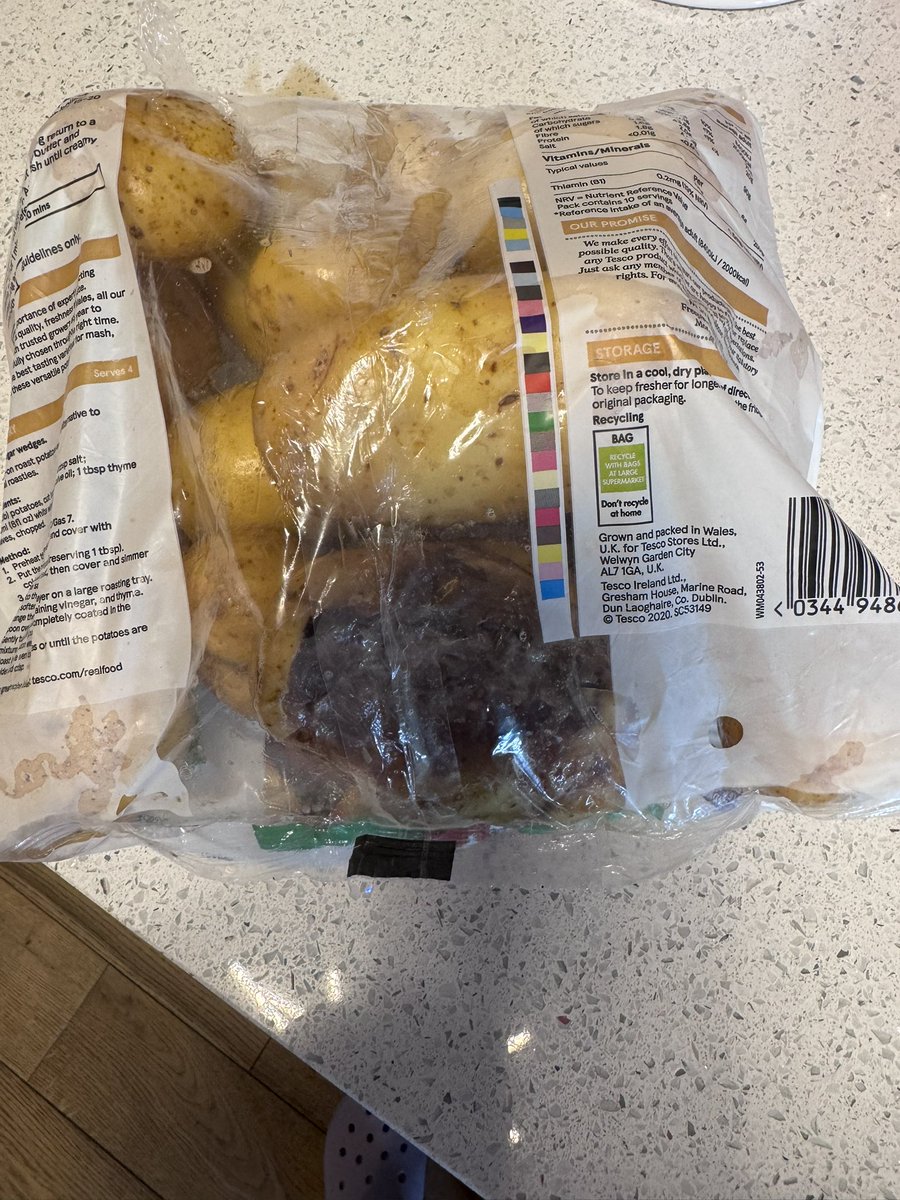
My @Tesco delivery tonight had the foustiest smell, the culprit, a rotten bag of potatoes! The main problem not the potatoes but the #plastic wrap! When are these huge companies going to stop procuring natural products wrapped in plastic. Mother Nature has her own protection!
After a crazy few months I’m excited to share my news, it’s new job offer day! Taking some energy and enthusiasm to a role in the NHS. Smashed it, still got it! 😊
#newhorizons#newjob
We will be available at your local hubs throughout the year to answer any questions you have about fostering in Monmouthshire.
If you are considering fostering and would like to learn more, please drop in and see us! 😃
Details below 👇
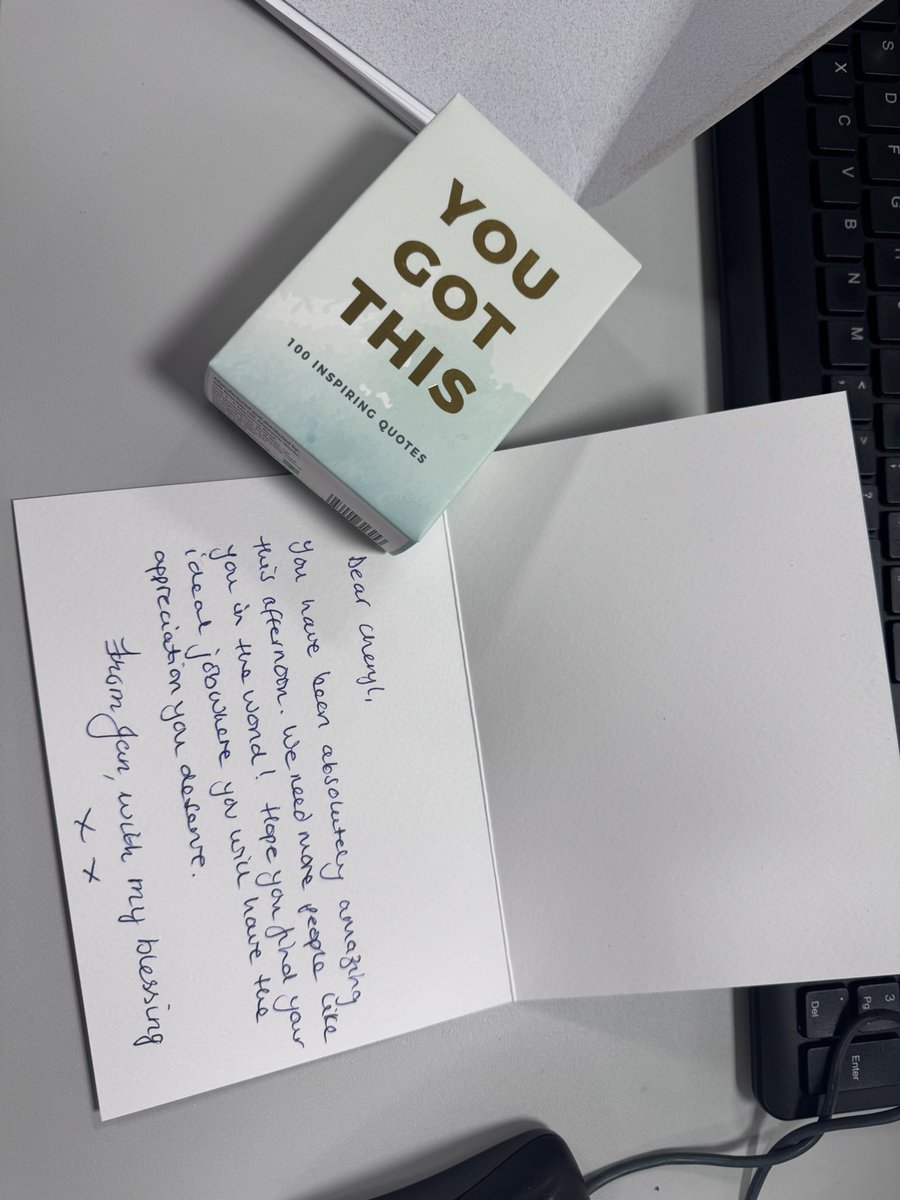
@ChrisRo74283816 Thank you Chris, it’s been an absolute privilege to “be” a public servant, I’ve always approached it with a make the difference mindset. If there’s anything out there after this that I love half as much I’ll be lucky indeed!!
The countdown is on. This time next week I will be hanging up my lanyard. It’s a strange and surreal mixture of emotions, though one things for sure it’s never, ever been ‘just a job’ #redundant#privilege
@just_staceyPics@AneurinBevanUHB Unfortunately not had the best outcome from NHS so had to have mine removed privately, glad it’s gone though. Well done!
@PeterFox61 I have to use this road every day for work, it was such a dangerous road as it was. Economy matters however if only one life is saved as a result of this amazing feat of engineering then it’s money well spent…