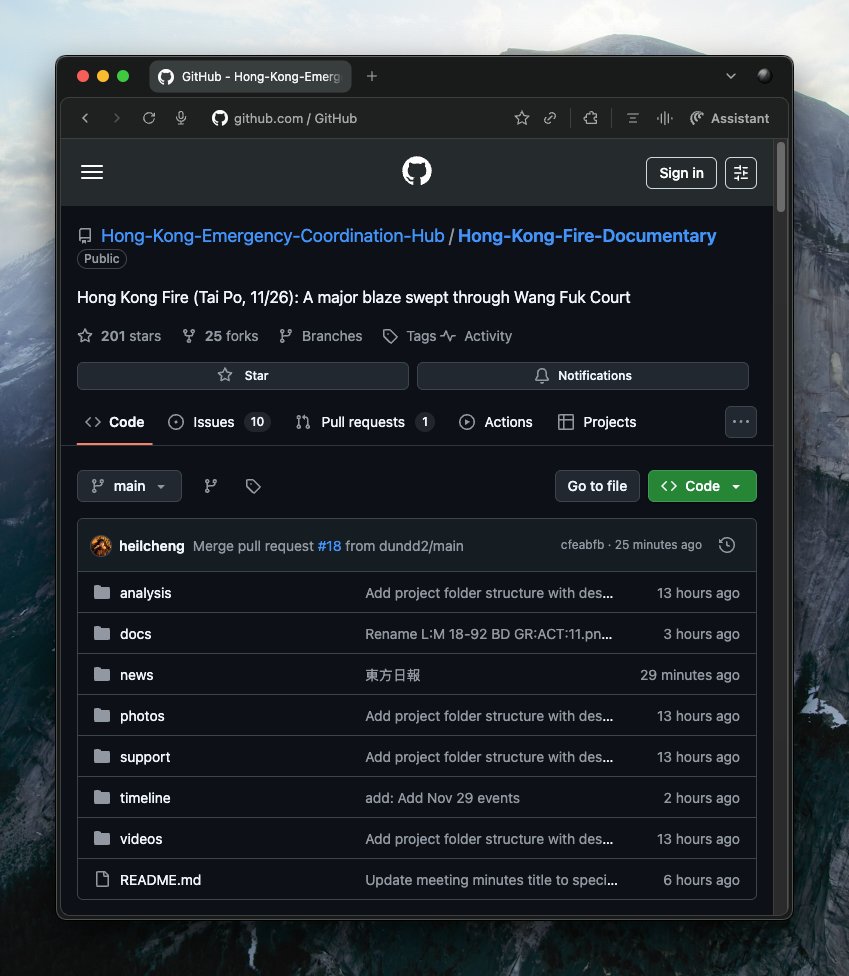
For the Hong Kong Fire, we built an open, centralised database to preserve all verifiable information, news reports, footage, technical analyses, contractor details, volunteer/community support records, official responses, and follow-up developments.
11/ Multiple layers of subcontracting already take their cut; now add consultants, extra staff, and more fees.
What exactly did the newly hired site inspector do?
Credit to tra.chy on Threads.
10/ On 27 Jun 2025, the committee proposed hiring an extra staff member to help residents apply for the Building Safety Loan Scheme, and a site inspector (HKD 38–45k/month). Consultant Wong Bik-kiu suggested that her consultancy firm handle the hiring.
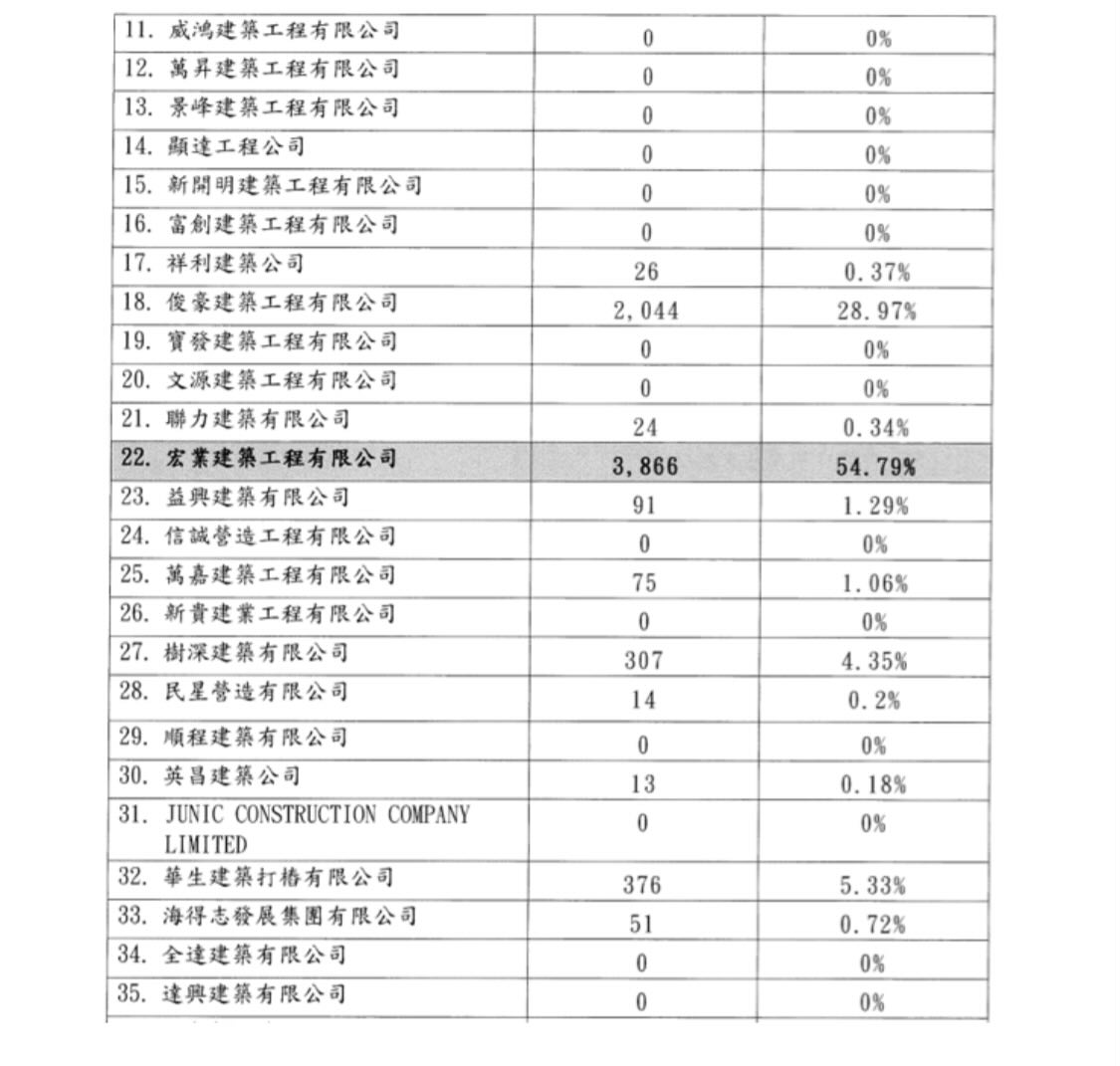
8/ To be fair, records show “Hong Yip” was not the most expensive among 57 tender options; only the two highest-scoring bids were disclosed. Residents would need to provide more info on how the final choice was made.
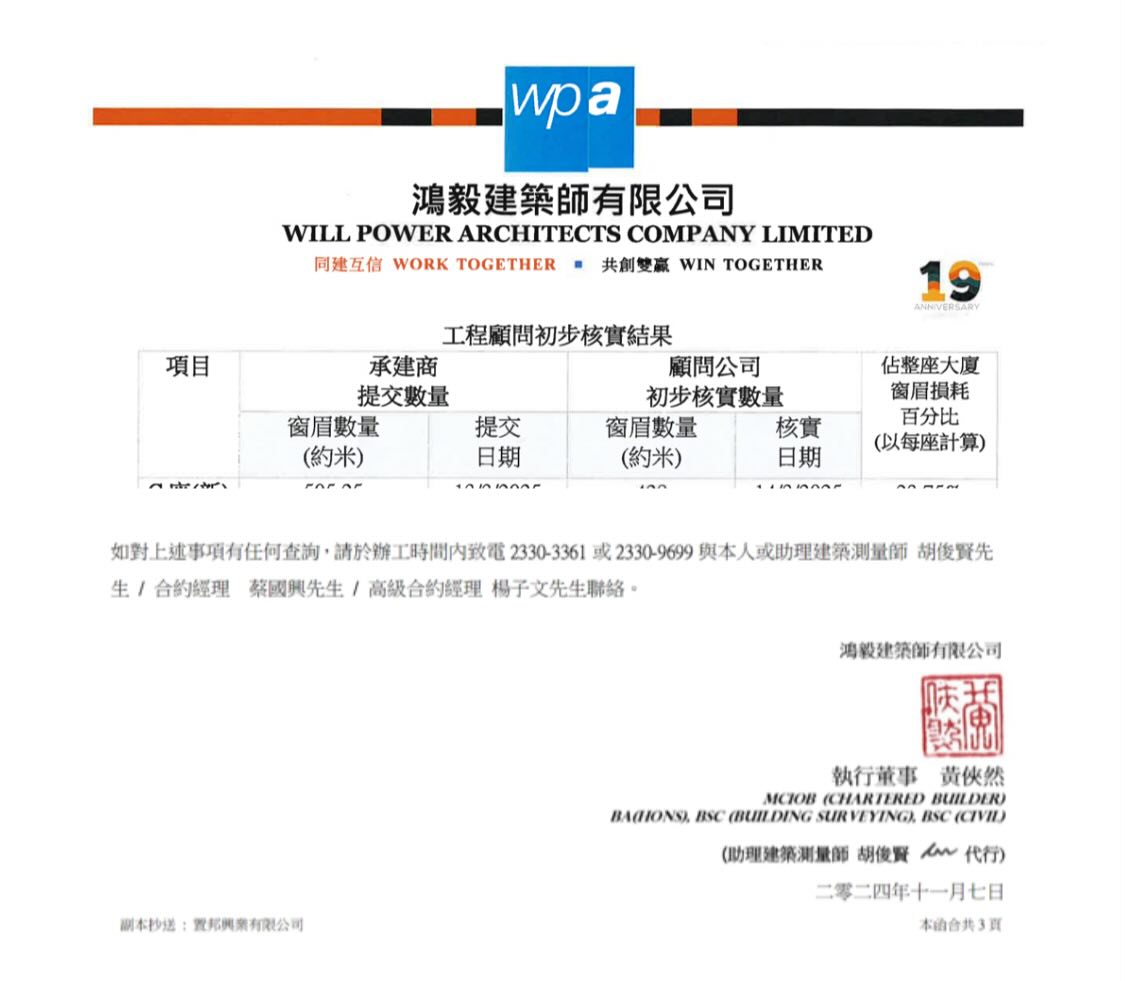
7/ Hung Ngai Architects Ltd.
Shareholders: NG Yeuk (20%), SHUM Kui-chung (15%), WONG Hap-yin (14%), Will Power Holdings (51%) Directors: NG Yeuk, WONG Hap-yin
Assistant Building Surveyor involved: WU Chun-yin
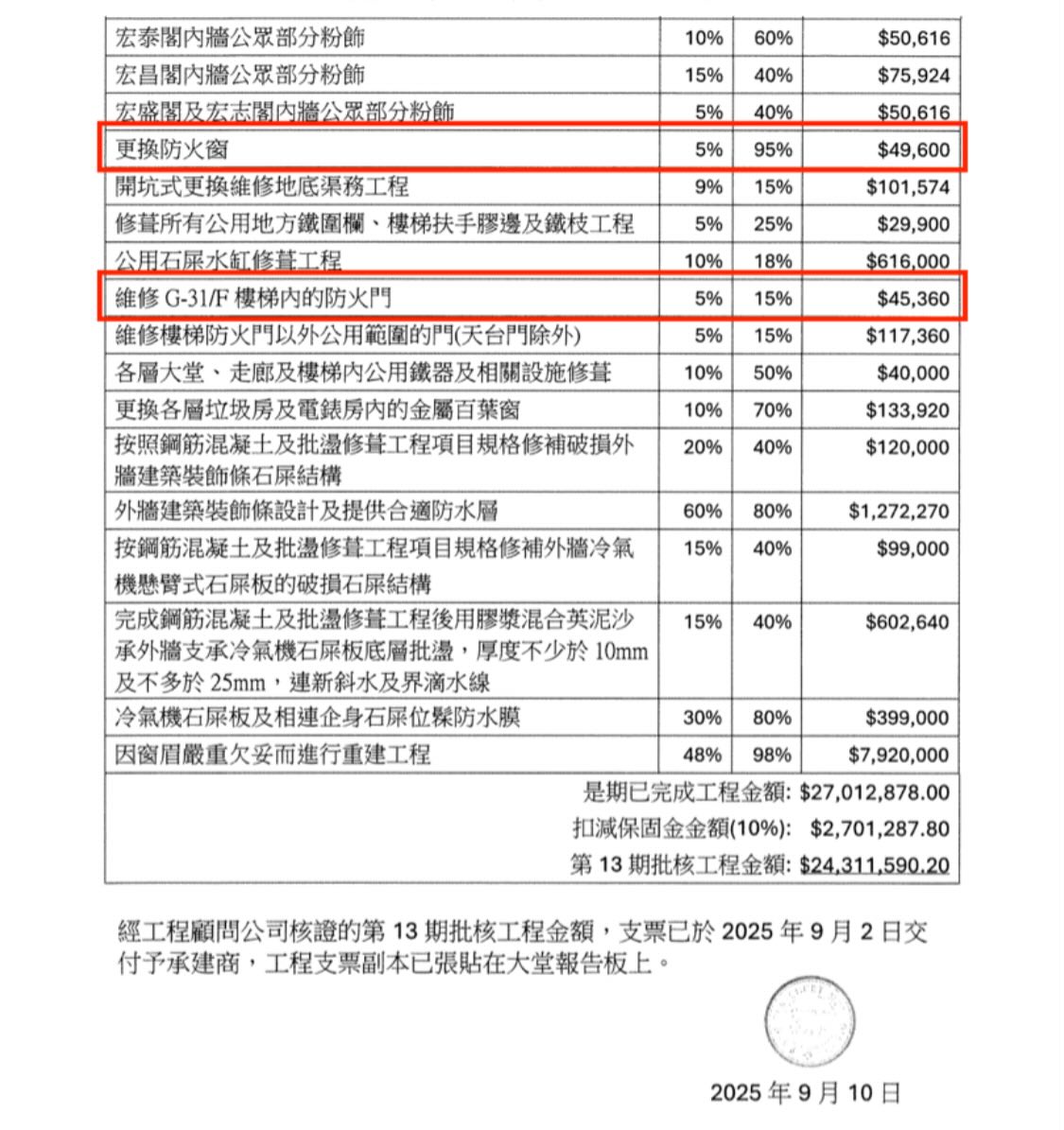
4/ By 10 Sep 2025, 95% of the payment had been made, meaning most windows should have been replaced. So why did these “upgraded” fire-rated windows still fail to resist fire?
3/ On 15 Nov 2024, the management committee unanimously approved upgrading to 316 stainless-steel fire-resistant windows, charging HKD 1,200 extra per window (HKD 297,600 total).
2/ They also claimed smoking violations would lead to permanent removal from the site, and qualified staff would inspect 2–4 times weekly. So why were workers still smoking in Nov 2025?
1/ As early as 28 Aug 2024, the contractor briefing explicitly showed photos that foam panels would be used to seal windows. Both the contractor and architect were aware.
Hong Kong Fire: Summary of Open Documents
This matters because it was preventable. The rapid spread suggests human negligence, unsafe decisions, and systemic oversight failures, not an “accident”.
Here are the suspected cases of corner-cutting in the renovation project:
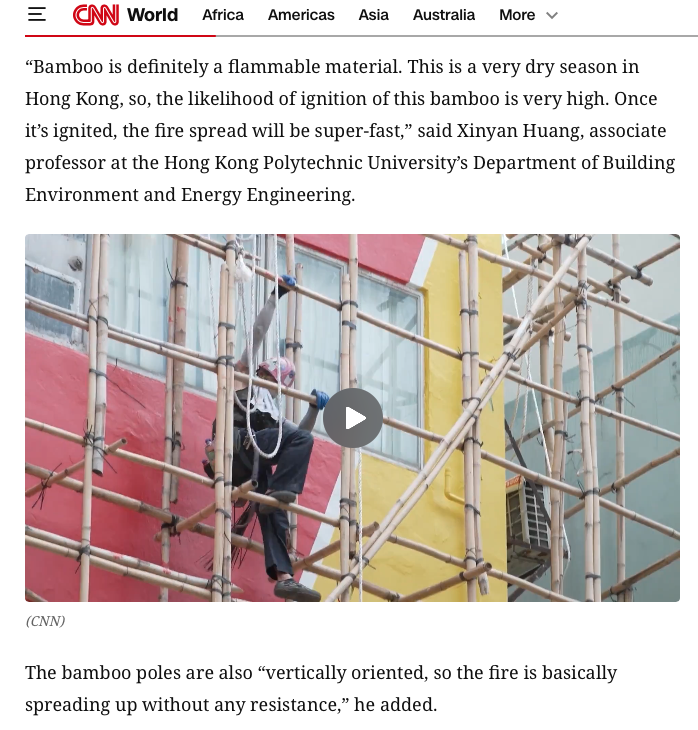
(3/3) Hong Kong has used bamboo scaffolding for decades because it’s lightweight, highly flexible in strong winds, easy to assemble on irregular building façades, and extremely cost-effective.
The scaffold itself wasn’t the issue here. The netting material was.
(2/3) Bamboo is flammable, but not in a way that makes it spontaneously “burst into flames”. It ignites around ~300°C, and treated construction bamboo is designed to slow ignition and flame spread. Under proper standards, it shouldn’t cause the rapid spread seen in this incident.
(1/3) Regarding the Hong Kong fire: CNN quoted PolyU’s Prof. Huang saying bamboo is flammable, implying the bamboo scaffold was the main driver.
But multiple clips show the netting and wrap igniting, not the scaffold; most bamboo poles remained intact.