Thank you to panelists and leaders who carried forward insightful dialogue at our recent gathering on "Liquidity Events & Exit Strategy Intelligence." Leah King, CFRE, Jon Karp, Derek J. Moffatt, CFP®, CExP™, and Adam C McBride, CFP®, CKA®. Stronger deal flow helps Fort Worth.
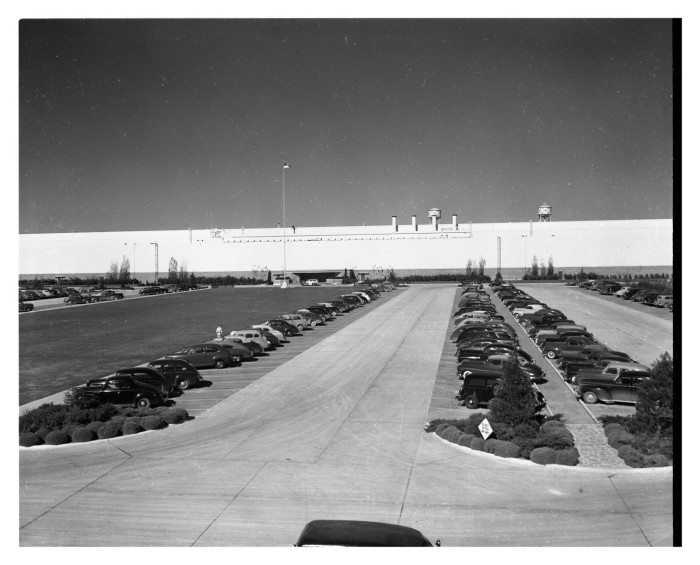
In this month in 1942 — 100 days ahead of schedule — the first B-24 Liberator bomber rolled off the line at Consolidated Vultee's plant in west Fort Worth. By war's end, 30,000 workers had built 2,743 B-24s there. The plant still operates today as Lockheed Martin (TSHA, 2025).
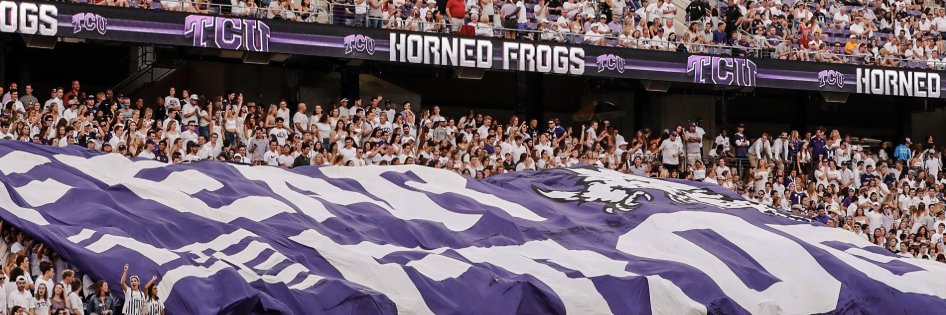
Servant leadership, heartfelt care, and faith-led community engagement are among the many glowing praises I could offer on behalf of Coach Coleman Maxwell. Grateful for his efforts to ensure our athletic programs have sufficient resources to win athletically and spiritually. #TCU
On this day, April 21, 1941, a charter was filed with the State of TX to establish the Fort Worth Children's Museum, first housed in two rooms at De Zavala Elementary. Now the Fort Worth Museum of Science and History, it occupies 166k sq ft in the Cultural District (FWMSH, 2024).
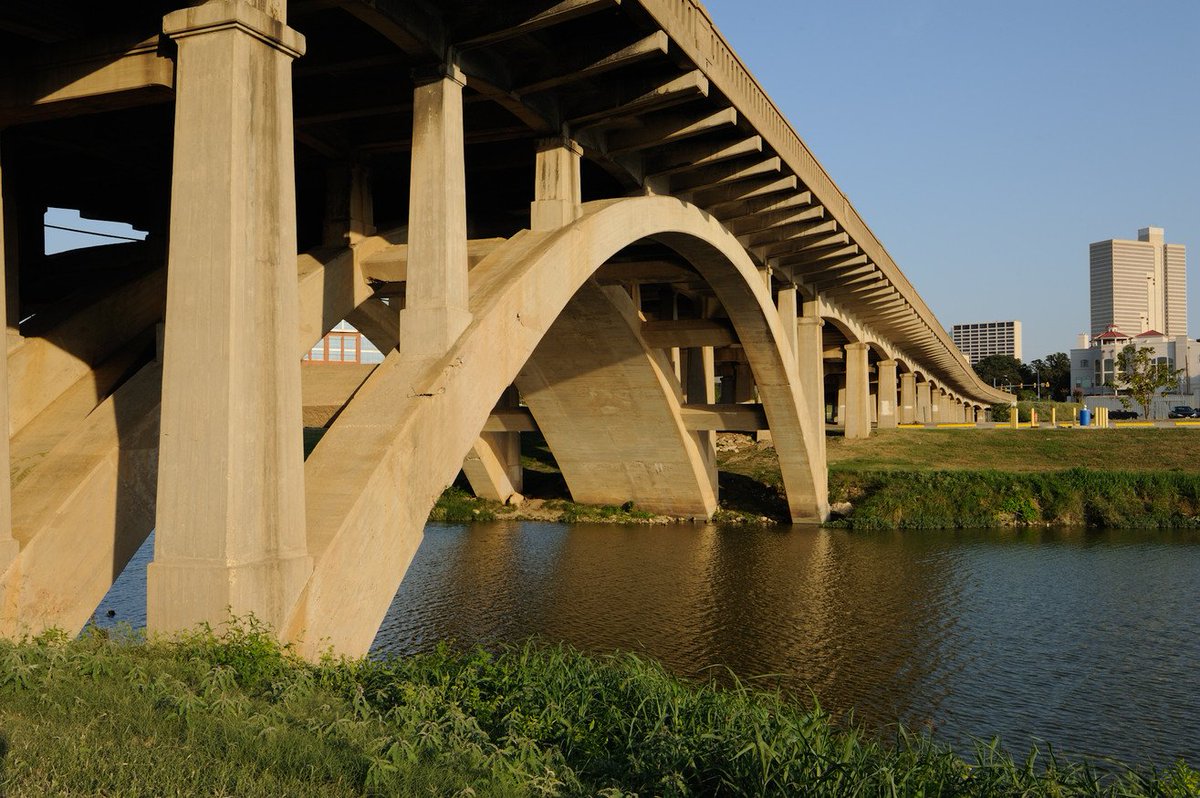
Funded by a 1925 bond and completed in 1930, the Henderson Street Bridge crosses the Clear Fork on reinforced concrete arches linking downtown Fort Worth to the near south side. It entered the National Register of Historic Places in 2011 (Texas Historical Commission, 2011).
In April 1913, Fort Worth assumed construction of the Lake Worth dam on the West Fork of the Trinity. Completed in 1914 for $1.6M, the 3,220-foot dam formed the largest manmade lake in Texas at the time. Casino Beach soon rose on its shores (TSHA, 2025).
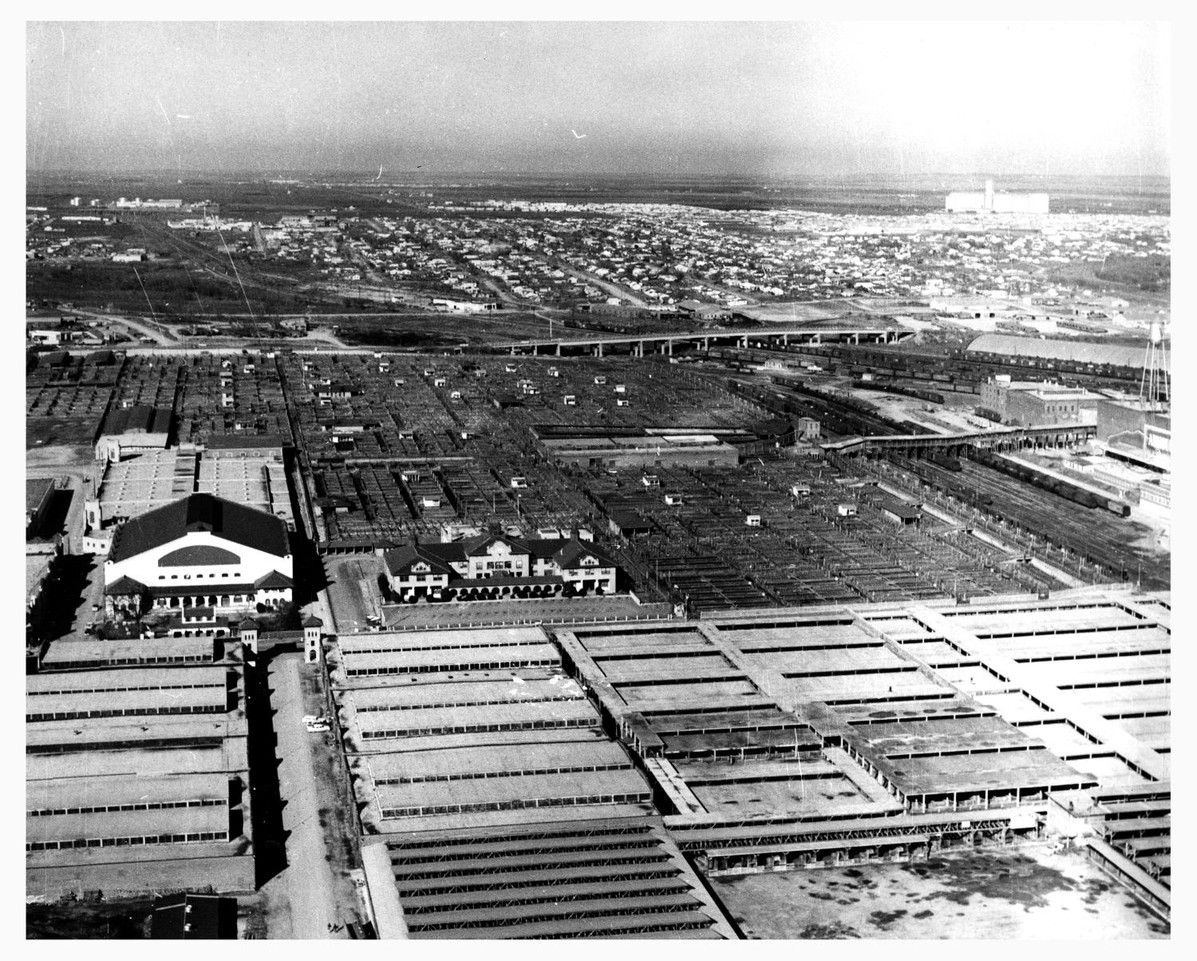
During this month in 1893, Greenleif Simpson bought the Union Stockyards for $133,333 and renamed it the Fort Worth Stockyards Company. By 1905, the operation ranked 5th largest livestock market in the U.S. The Stockyards Historic District now stands on that ground (Pate, 1988).
In 1909, the 31st Texas Legislature passed a new charter for Fort Worth, codifying powers over police, fire, streets, sewers, and taxation. That framework still underpins city governance in our great city, now exceeding one million residents (Portal to Texas History, 1909).
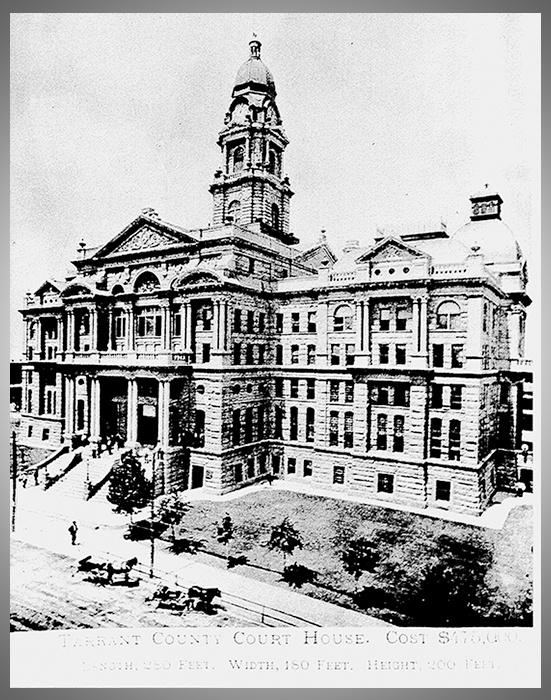
In this month in 1860, Fort Worth won a second, hard-fought election to become the permanent seat of Tarrant County after the first vote was challenged over allegations of illegal ballots. The 1895 pink granite courthouse still stands on the site selected (TSHA, 2025)
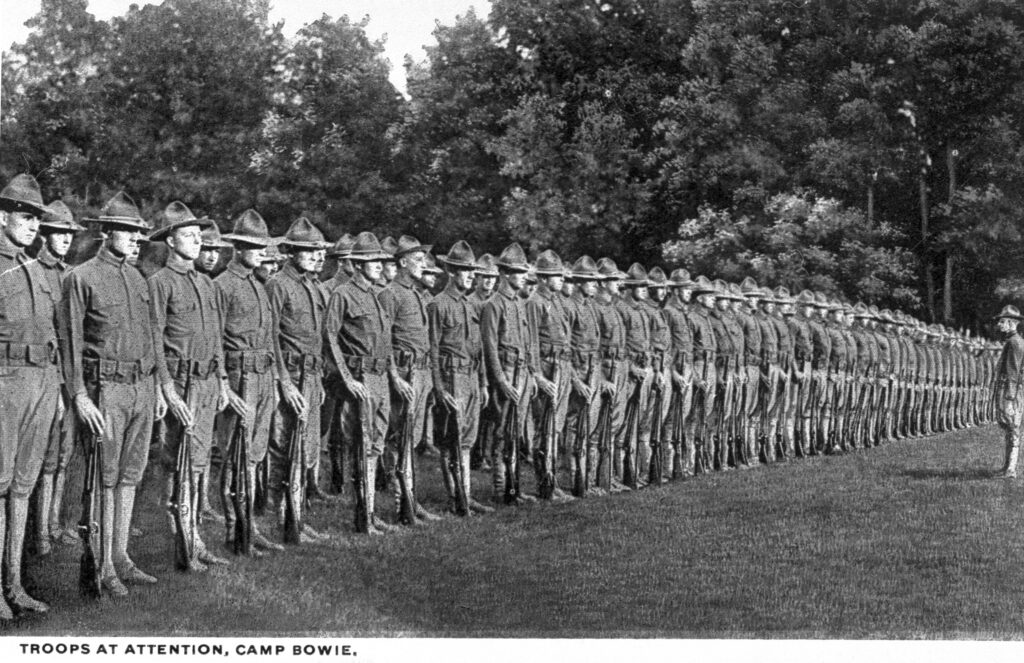
In 1917, the U.S. Army built Camp Bowie across 2,186 acres on Fort Worth's west side to train the 36th Infantry Division for World War I. The nine-mile road built to reach it was renamed Camp Bowie Boulevard in 1919 and remains our major Fort Worth thoroughfare today (TSHA, 2025)
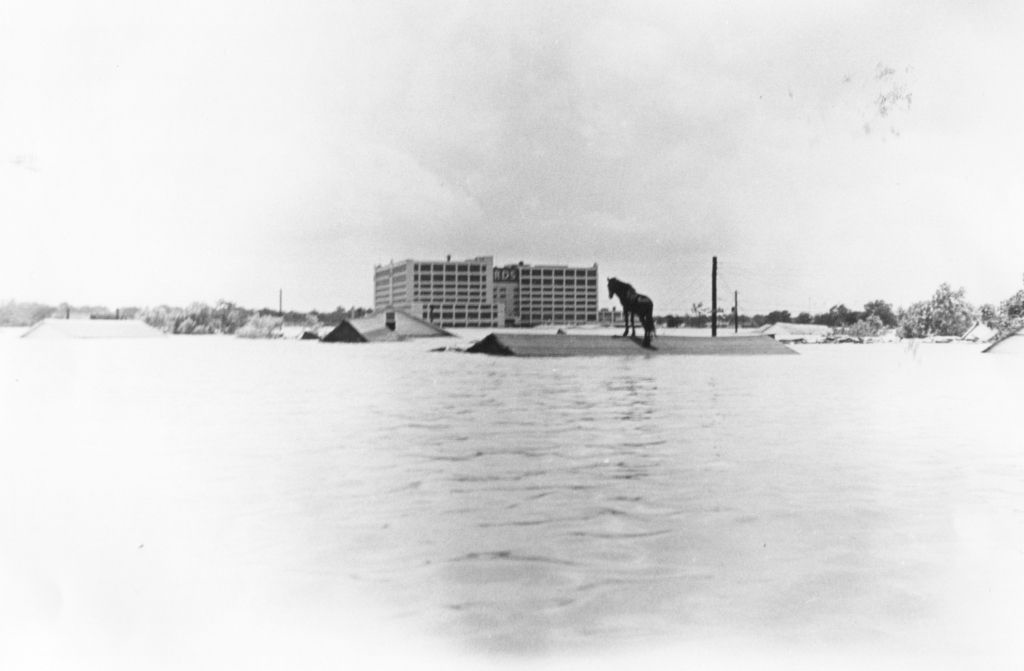
In May 1949, the Trinity River flooded Fort Worth, killing 11 and displacing 13,000. Congress responded with the Benbrook Dam, completed by the U.S. Army Corps of Engineers in 1952. That dam and levee system now protects a city of over one million (USACE, 2005).
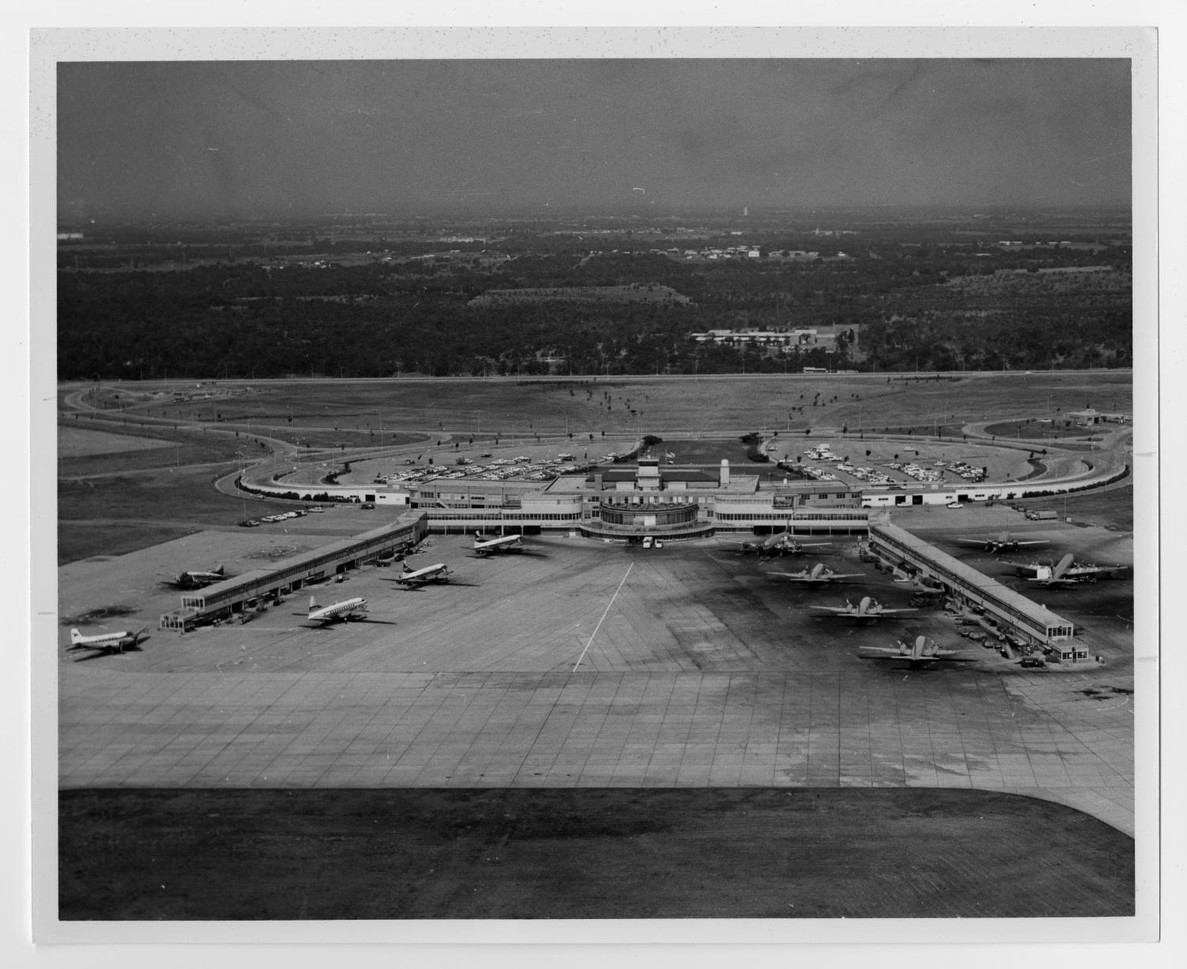
During this month in 1953, Fort Worth opened Amon Carter Field before 75,000 spectators. The airport served the city until DFW International opened in January 1974. The original terminal site now houses American Airlines headquarters (Fort Worth Star-Telegram, 1953).