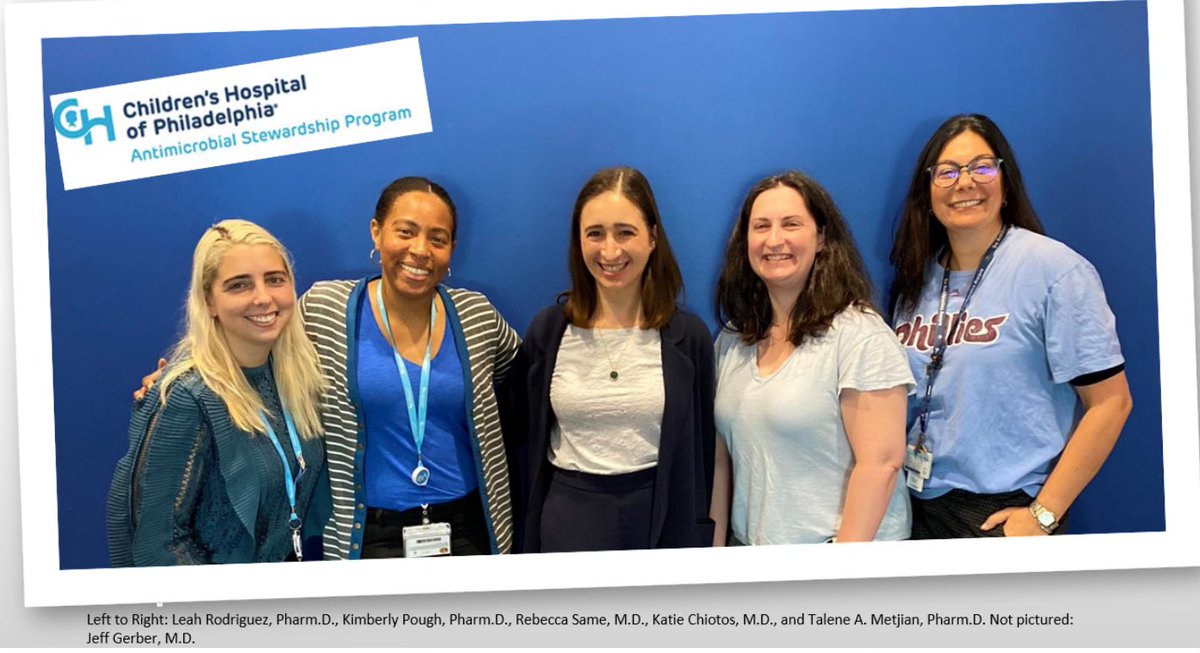
Their goals are to ensure the proper use of antimicrobials, improve patient care and patient outcomes, reduce the risks of AE, promote cost-effectiveness and reduce antimicrobial resistance. ASP works with many other departments to provide the best care for each patient. (3/4)
(7/7)
4False! We can all be antibiotic stewards! Something as small as obtaining a MRSA swab and stopping that vancomycin a day early makes all the difference to reduce antibiotic resistance and side effects. ASP is always here to help!
One of the biggest public health threat is antibiotic resistance. This is especially troublesome after the COVID-19 pandemic, deciding when is it appropriate to use antibiotics? (1/7)
(4/4)
3True/false: Community-acquired bacterial pneumonia should be treated for 5 days.
4True/false: We only need to practice antibiotic stewardship for the drugs targeted for stewardship approval.
Answers will be shared tomorrow!
Let’s start the week with a quizzo to test your knowledge on some concerning side effects and ways YOU can become a better steward! ASP monitors IV-to-PO switch opportunities, assesses beta-lactam allergies, promotes appropriate duration of therapy and so much more!#USAAW22 (1/4)
Do you think you can be an antibiotic steward? (3/4)
1True/false: A patient with a penicillin allergy label with an “unknown” reaction should not receive ceftriaxone.
2True/false: Oral antibiotics are not as good as IV antibiotics.
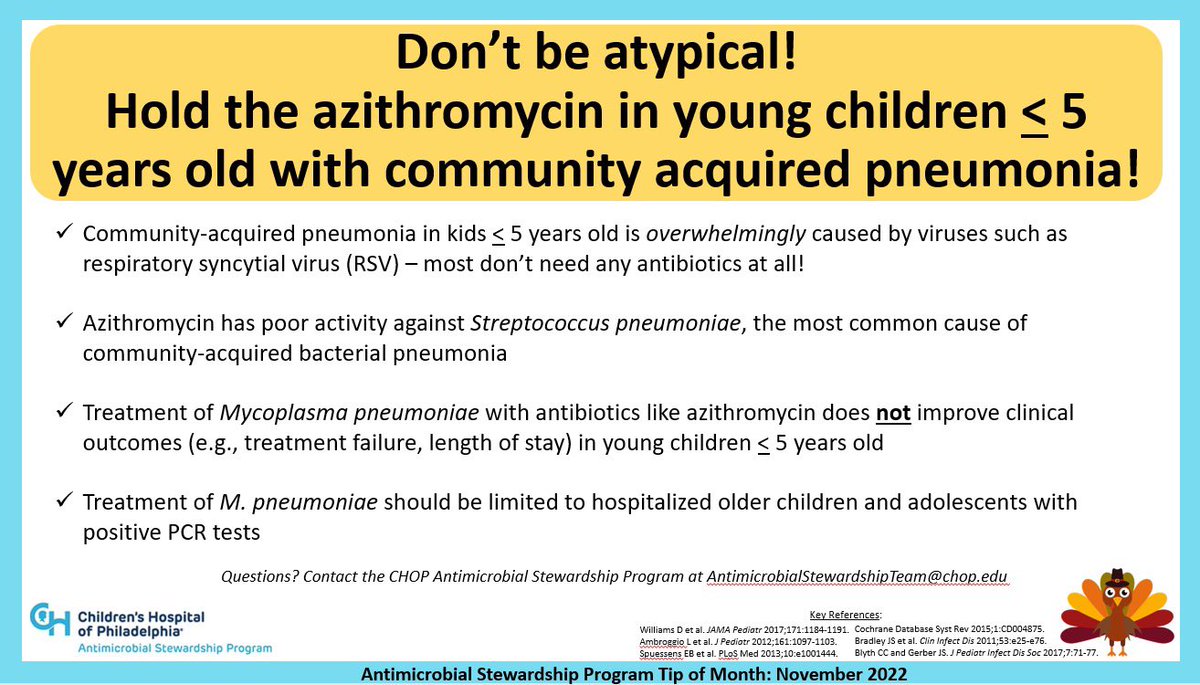
With RSV, influenza and Community-Acquired Pneumonia (CAP) on the rise, it can be difficult to decide when and what antibiotics to use. Rest assured, a macrolide is usually not needed in our pediatric patients aged 5 or less. Check out our tip for more information. (2/2)

Celebrate #AntibioticAwarenessWeek with us as our Antimicrobial Stewardship Program (ASP) team takes over! Let’s start with our first ASP Tip of the Month! (1/2)