If we take the example of the holy men of Scripture as our guide, certain bodily privation and chastisement are a very essential duty to all who wish to serve GOD, and prepare themselves for his presence.
—Tract 21, “Mortification of the Flesh a Scripture Duty” (John Newman)
The Oxford Movement— a group formed to protest against a liberalized church. Did their work save Anglicanism?
Decide for yourself after reading Russell M. Lawson's "Saving Anglicanism?" found in our latest issue "Meet the Anglicans."
https://t.co/0IMnKDVc67
Christian History has written much on both John Newton and John Wesley. But how do they fit into an issue about Anglicans?
Ryan Danker, director of the @thejwinstitute tells us why in his short sidebar in “Meet the Anglicans."https://t.co/vkCDtNmYVI
Who made England good again? The Clapham Sect, Anglican activists of the late eighteenth and early nineteenth centuries, did.
Meet the Claphams in Karen Swallow Prior's article.
https://t.co/dkvaCmO9Ij
#Anglican#ACNA#churchofengland
England’s slow spiral into civil war both surprised and deeply wounded those who experienced it. Was God punishing England? The full story, of course, is more complicated than that. Read about it in "Divided Kingdom" found in issue #160 Meet the Anglicans
https://t.co/nJBN7cktL5
The word “Anglican” has a curious history. And to understand it, one must grapple with the various movements for reform in the sixteenth century.
Read "The raw materials of Anglicanism" from issue #160 below.
https://t.co/pwLFjtPXQD
#anglican#ACNA#churchofengland
In his 1983 book "The Anglican Spiritual Tradition", John R. H. Moorman, bishop of Ripon in the COE, helped readers see the Reformation’s tumult by imagining its effect on a fictional parish priest.
Read it here:
https://t.co/AjTqhyZQ8z
"The holy Lamb on 'mountains green'" Discover England's Christian beginnings in Jeffrey B. Webb's article, linked below.
#anglican#ACNA#churchofengland#GAFCON
https://t.co/JKqu6lApP8
Sixty years ago, the Second Vatican Council came to a close. But what was Vatican II, and why does it matter for the entire Christian church? Find out in our latest issue: https://t.co/6XjrJKCP4q
#VaticanII
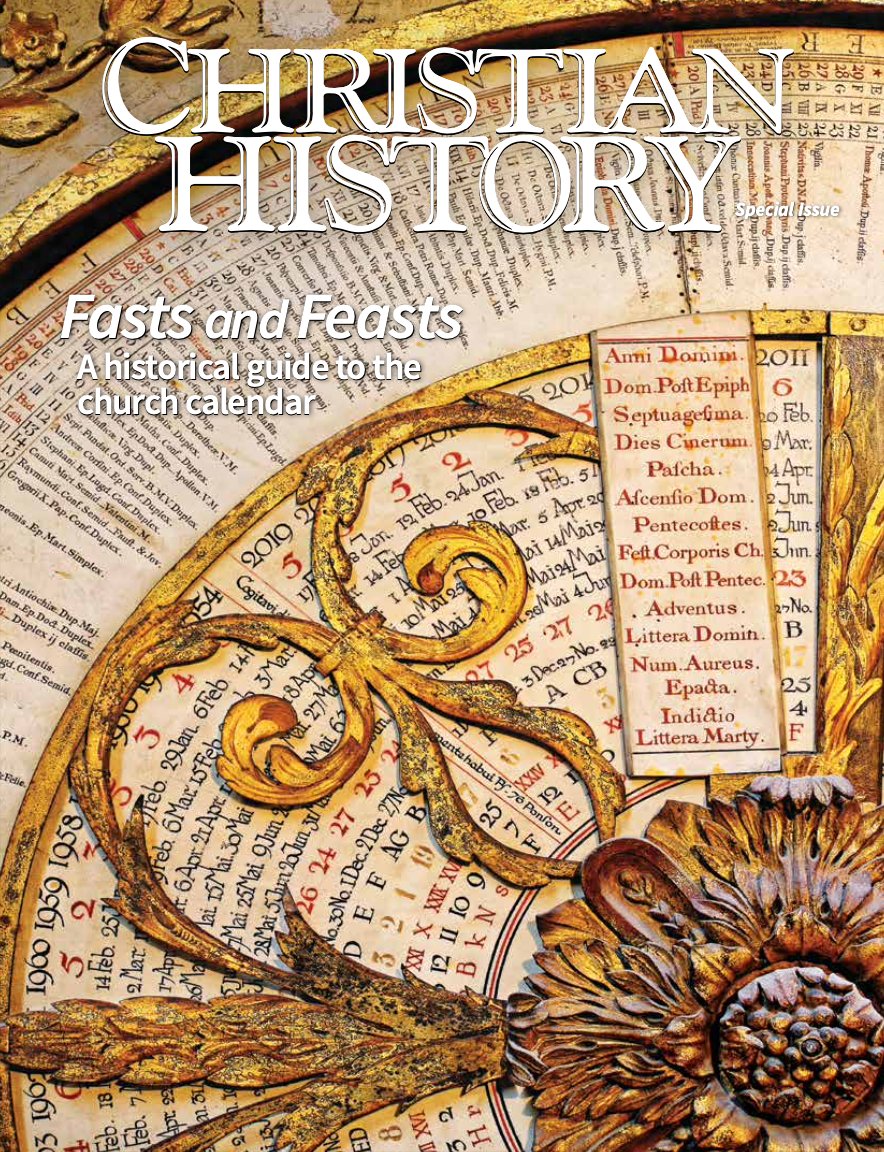
How did the early church celebrate Jesus' life? Weekly and then yearly, a rhythm developed to help believers grow in faith and closeness to the Lord; we call it the church calendar. Learn more about that rhythm and its history using our latest resource! https://t.co/ZZFdAHI3L8
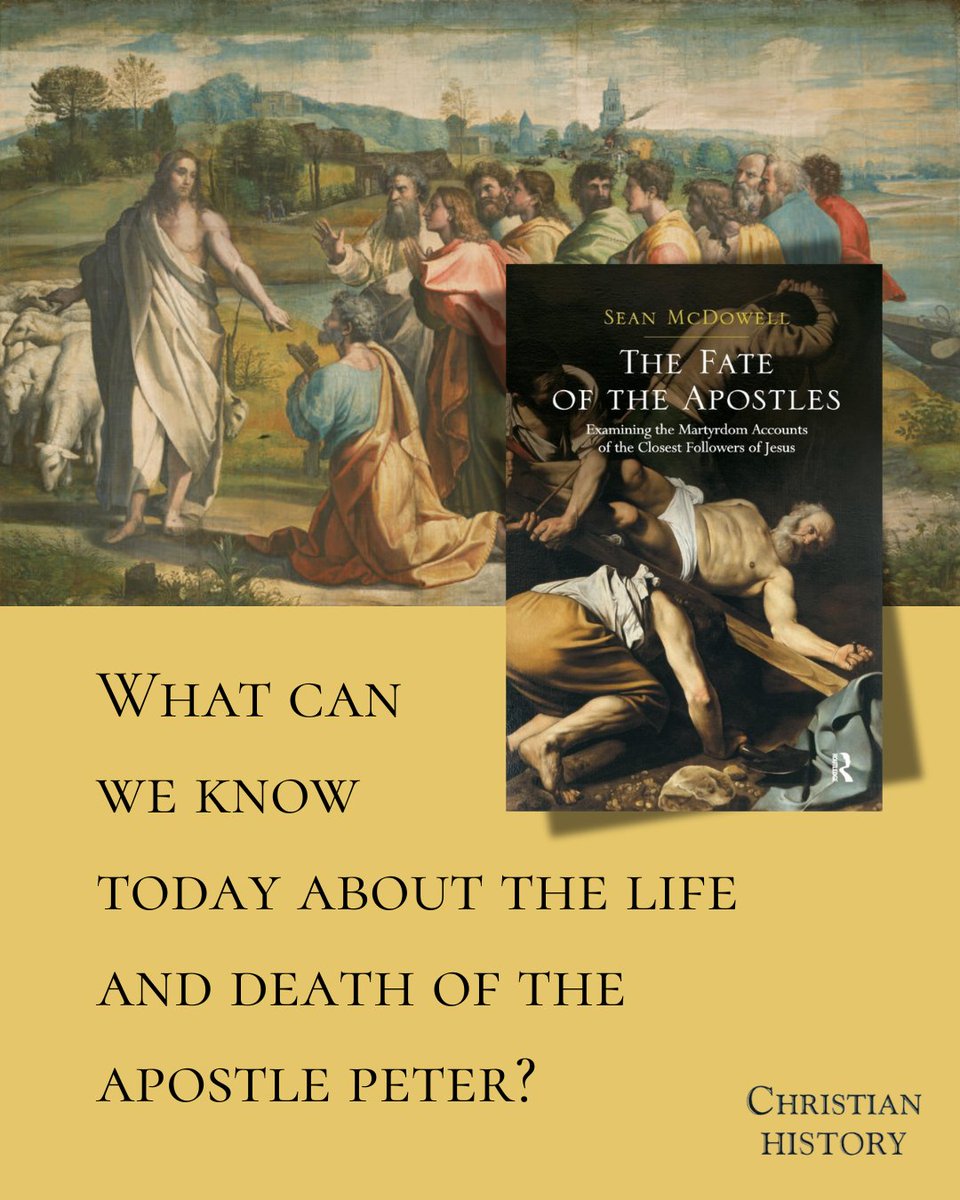
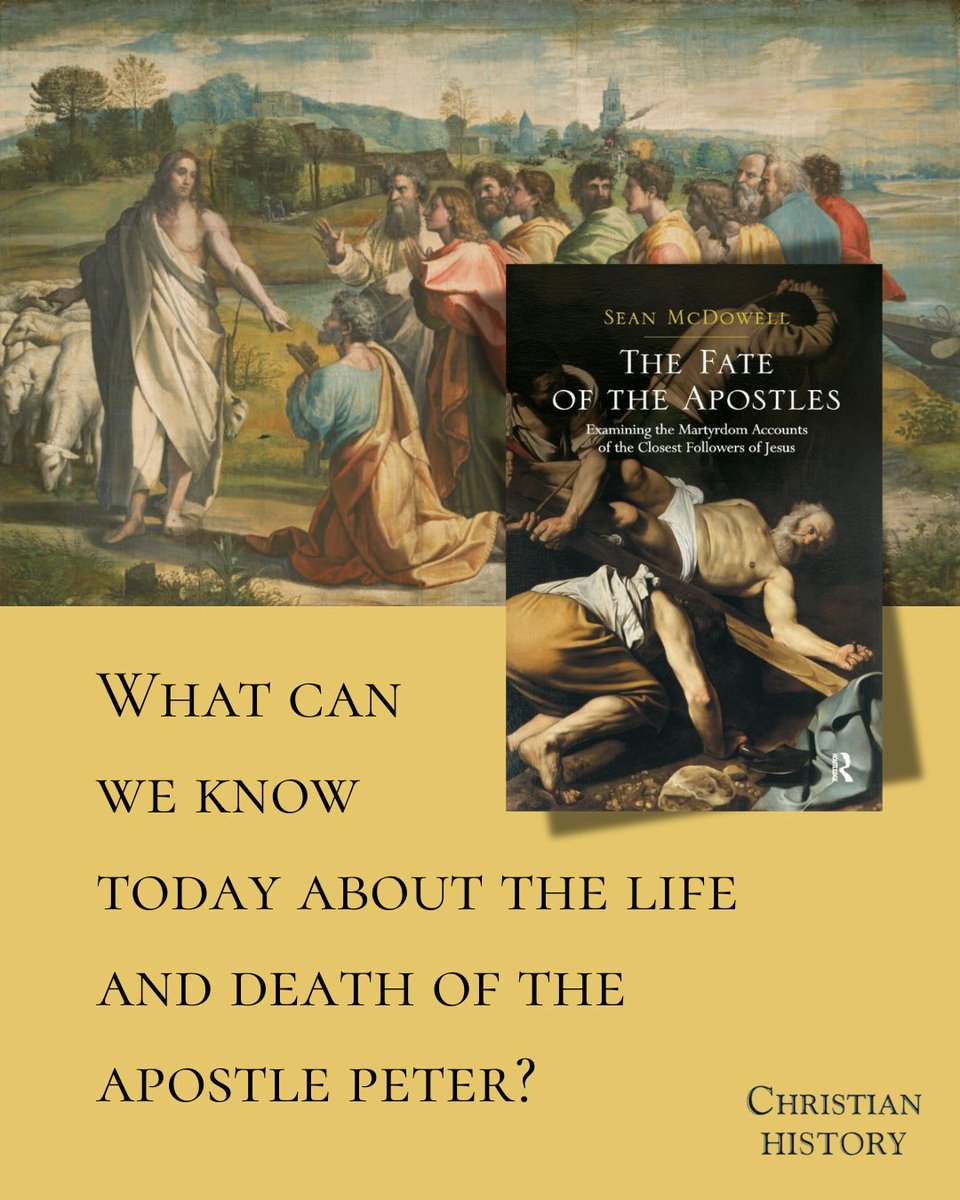
@Sean_McDowell is the author of “The Fate of the Apostles”, part of which was adapted for Issue #156.
Read about Peter’s fate in the eyes of church tradition versus current scholarship in the article linked below!
https://t.co/8RJqtZNRB4
@Sean_McDowell is the author of “The Fate of the Apostles”, part of which was adapted for Issue #156. Read about Peter’s fate in the eyes of church tradition versus current scholarship below! https://t.co/8RJqtZNRB4
But what exactly does tradition mean? And whatever it means, can it be trusted as a reliable historical source? Accounts of the apostles’ lives include the fantastic as well as grains of truth.
Issue #156 is full of stories. Stories that are true and stories that are based on truth. Some are about the apostles, and some are about characters you’ve never heard of.
Read the legend of Thaddeus and Adgar using the link below!
https://t.co/pAAGIJYJ8A
This 20th-c. painting by German artist Gebhard Fugel depicts Peter preaching to the crowd as John Baptizes a new convert. Their boldness and knowledge astonished Jerusalem's religious leaders...
https://t.co/QNMTodicMP
“From deserters to defenders” by Crais S. Keener describes the power of Pentecost in the disciples' lives and how their experience of Jesus’s ministry, death, Resurrection and Ascension propelled them into ministry.
Read more below!
https://t.co/cR8f7tSH9q
Scratch the surface of the lore behind household names like James, Philip and John before diving into the the rest of Issue #156.
https://t.co/OTGNOgOuuK