The Chumash Science Through Time Project is a blog that celebrates Indigenous sciences.
Sabine Talaugon (PhD student @ UCD, Wintun land) runs this account
Finally. The enviro movement must tear down this icon. John Muir was a racist, indigenous-hating colonialist who was intent on preserving lands for white settlers at the expense of California’s fist inhabitants. We must rename the John Muir Wilderness. https://t.co/hHhtPV991N
NEW BLOG POST: Michelle and Kim Perez explore Chumash ecological knowledge in the context of broader conversations about Traditional Ecological Knowledge. #IndigenousScience#TEK#NativeLand#intergenerational
https://t.co/MKe78NAli5
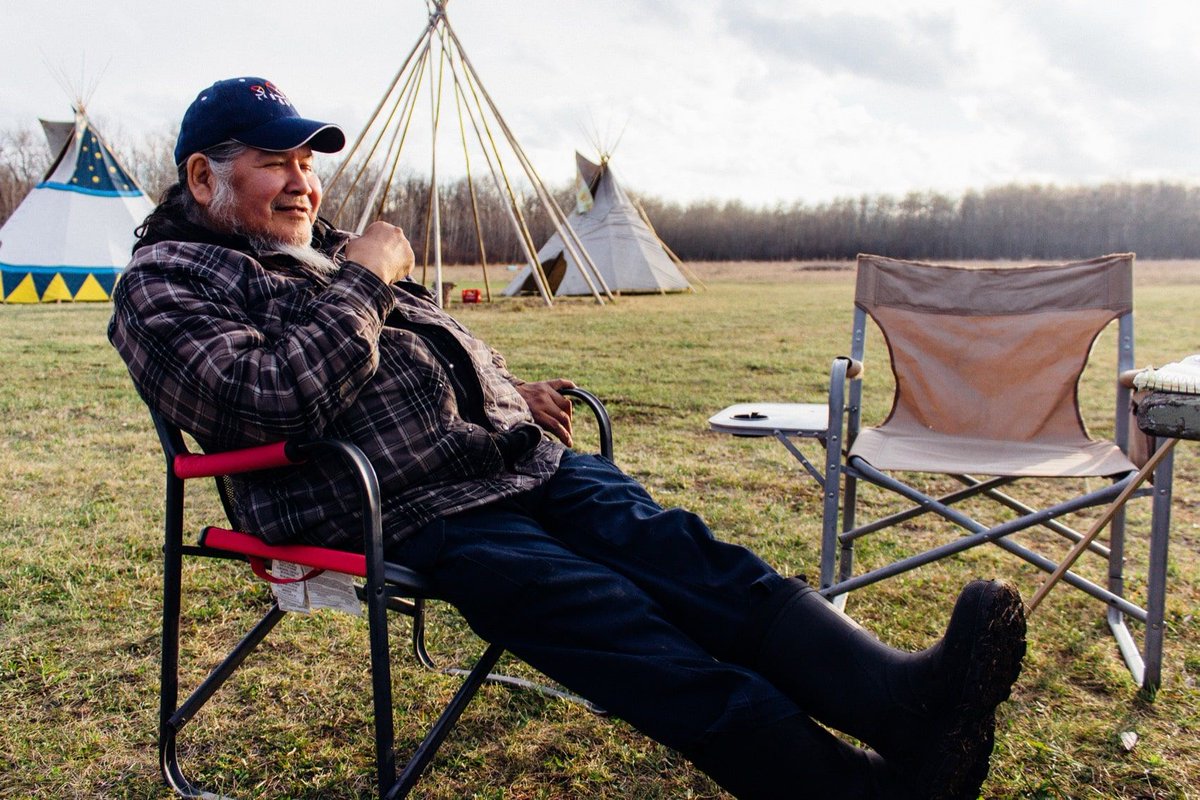
Shinnecock Tribe Brought a Damaged Shoreline Back to Life: “We can’t leave and disconnect from our land that has our families’ blood in the soil. We are the first people of this region, and we have a right to our way of life.” https://t.co/Wp5Mh5I8Kg
By making mukluks, this Alaskan woman is preserving the Iñupiat tradition: Mukluks are traditional boots worn by indigenous people in the Arctic region. The versatile design has both ceremonial significance, as well as essential practical features. https://t.co/qn9s87vb14
Relearning The Star Stories Of Indigenous Peoples: How the lost constellations of indigenous North Americans can connect culture, science, and inspire the next generation of scientists.https://t.co/MMxmqwgpcv
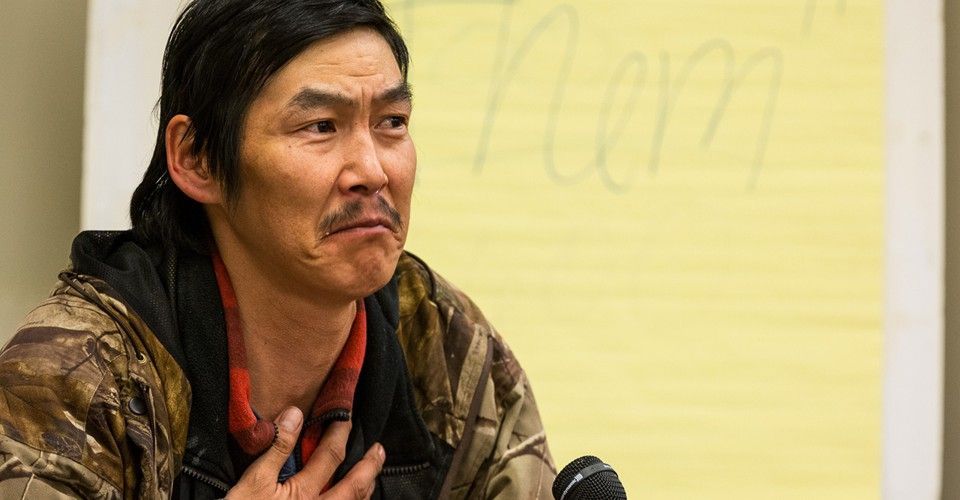
Fishery Council to Include Traditional Knowledge in Bering Sea Management
Landmark ecosystem plan will give indigenous communities a voice https://t.co/2L48sm6vL3
“This isn’t just a symbolic gesture,” said Mekasi Horinek, citizen of the Ponca Tribe of Oklahoma and son of Casey Camp-Horinek, “It’s actually a ceremony that you’re participating in. Every seed that you plant should be a prayer.” https://t.co/9ENdBirB6r
While global industrial society’s connection to the land is waning, it remains ever-present in Indigenous cultures, despite (or perhaps in defiance of) near constant pressure from colonial powers to separate Indigenous peoples from their lands. https://t.co/4hIz3LDEV2
Today might be a good day for allies to explore this chronological timeline written by Dr. Karina Walters, containing historically traumatic events, settler colonial policies, and Native resistance movements. https://t.co/IRKk2LxVwd
Sacred site protector, Pua Case on Mauna Kea: "If we don't stand for the most sacred, what will we stand for. If not now, when will we stand?"
https://t.co/UsNd9P2d5C #StandwithMaunaKea
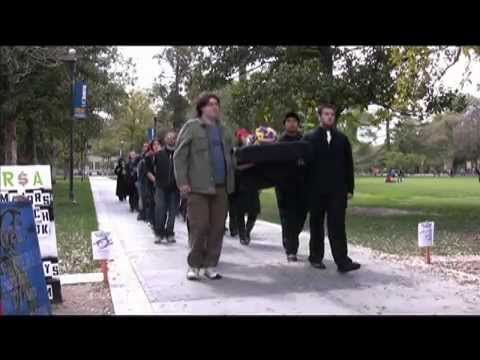
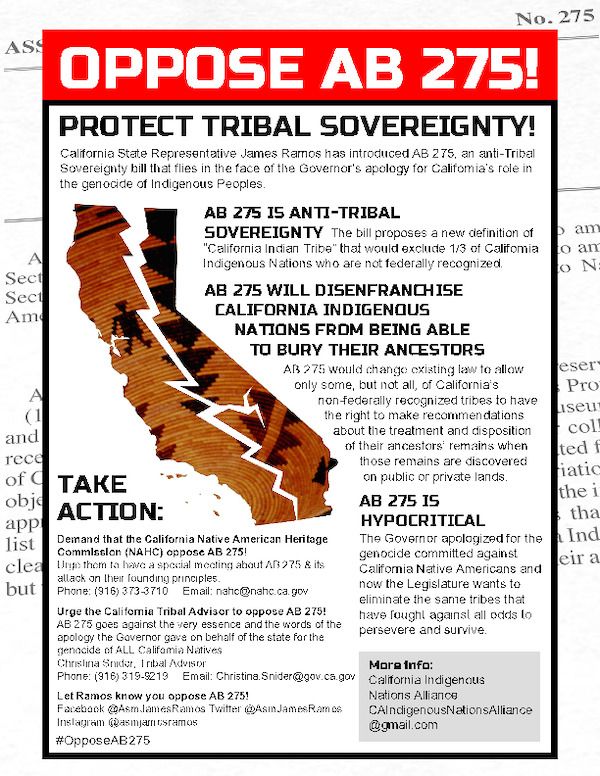
In light of AB 275, it's a good time to check out Uneasy Remains, which chronicles the history of human remains research within the University of California system and the responses to this research from California tribal communities, leaders, educators. https://t.co/zbpAu4XGVh
CA Asm. James Ramos introduced AB 275: Cultural Preservation, which would allow only non-federally recognized tribes that have petitioned for federal recognition to re-bury the remains of their ancestors found on public or private property. https://t.co/7bktHrPZZp
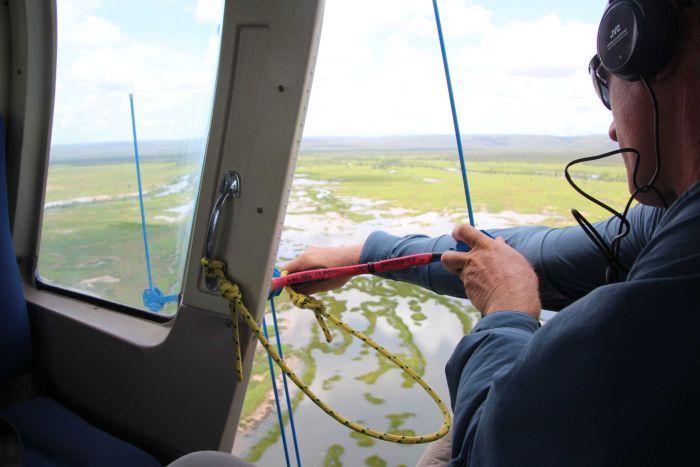
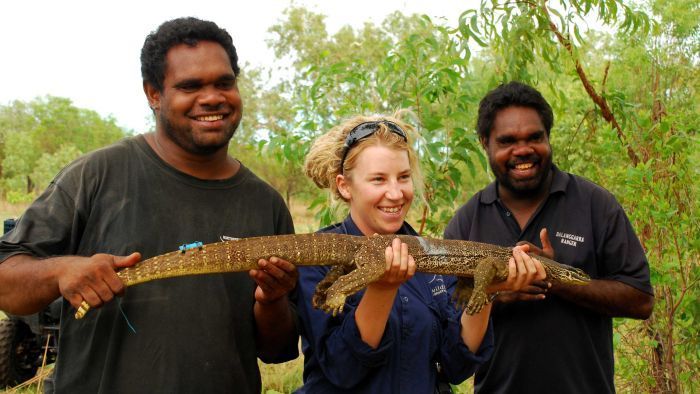
In a research effort to save goannas from cane toads, Indigenous people were better at spotting shy goannas than their non-Indigenous collaborators. Hopefully realizations like this will lead to more Indigenous collaboration in research.
https://t.co/3MuwNVDz25
Can Native American Tribes Protect Their Land If They’re Not Recognized by the Federal Government? CA has made some progress possible, but many tribes still lack legal recognition and struggle to maintain their cultural heritage and the environment
https://t.co/pFcaLG73Bb