Would you leave your keys under the doormat for anyone to find? That’s the risk of excessive user privileges leaving the door wide open for security threats.
So why give every employee unrestricted access to your systems?
PoLP ensures users have access to only what’s needed,
Excessive permissions create unnecessary vulnerabilities.
The Principle of Least Privilege (PoLP) ensures that users only have the access they truly need—nothing more, nothing less.
Want to minimize risk and maximize security? Get in touch with us today!
The more access users have, the greater the risk your business is exposed to.
The Principle of Least Privilege helps you minimize the chances of a cyberattack.
Ready to strengthen your security? Talk to our experts today about how we can help you implement PoLP.
The Principle of Least Privilege (PoLP) ensures that only the right people have the keys to your systems.
By restricting unnecessary access to:
•Minimize entry points for cybercriminals
•Reduce the risk of insider threats
•Stay compliant with regulations and avoid fines
The threats that cause the most damage aren’t always the easiest to spot.
They often hide behind trusted email or security gaps your business doesn’t know are there.
Schedule a discovery call to uncover the blind spots that could be putting your business at risk.
Cybercriminals aren’t always chasing the biggest target.
They’re chasing the easiest one.
Limited defenses, fewer resources and the assumption that “we’re too small to matter” can make small businesses an attractive target.
Your IT team can’t stop every bad click.
Strong cybersecurity comes from a culture where employees know what to watch for, how to respond and when to speak up.
Build a team that knows what to do before a bad click becomes a big problem. Message us to get started.
Better cybersecurity doesn’t always start with a bigger budget. Sometimes, it starts with making better use of what you already have.
If any of these are missing, they’re a good place to start.
The most dangerous phishing scams don’t look dangerous at all. They look like mail you were expecting.
AI is helping cybercriminals. The usual red flags are getting harder to spot.
What’s the most convincing phishing attempt you’ve seen?
Cybersecurity isn’t limited to passwords, software and what happens on a screen.
Sometimes, it’s as simple as who you let through the door.
Tailgating happens when someone enters a restricted area by following an authorized employee inside.
The weakest point in your cybersecurity isn’t always your software. It can be the person who hasn’t been trained to recognize a threat.
Turn cybersecurity into a shared responsibility across your business.
DM us to schedule a discovery call.
Birds don’t fly solo for a reason. The formation helps them stay on course and go farther together.
Cybersecurity works in the same way. Internal IT employees know the business, but they shouldn’t have to cover every security challenge alone.
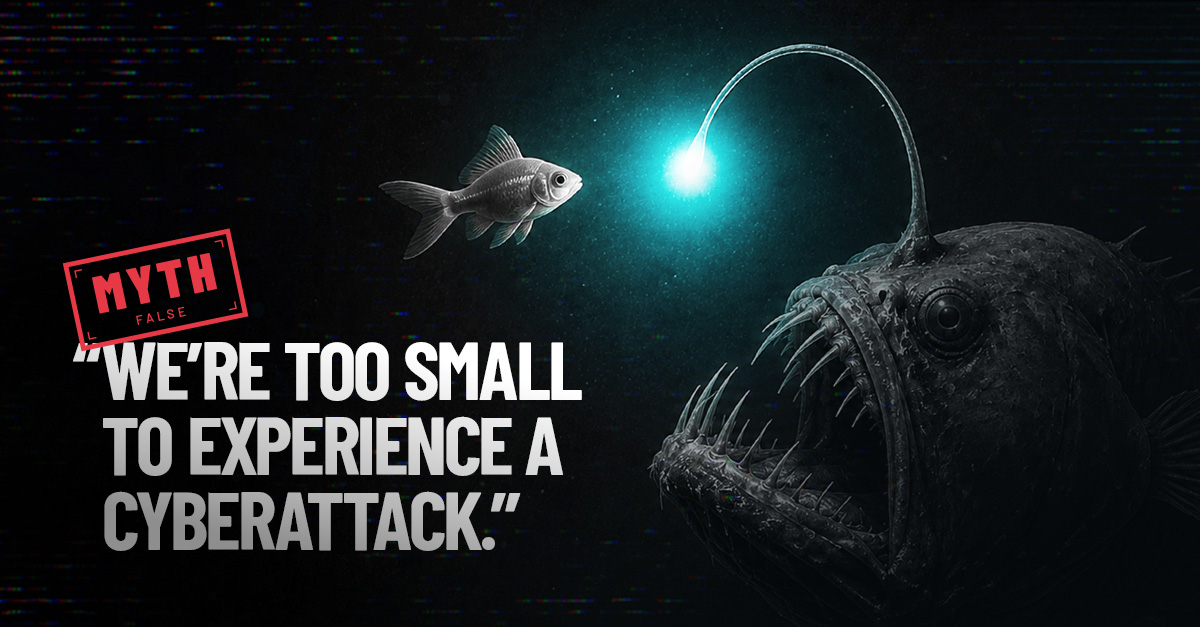
Myth: “We're too small to experience a cyberattack.”
Reality? Size is exactly what makes small businesses attractive to cybercriminals. Assumption of safety create a vulnerability that's easy to exploit.
Small doesn't mean invisible. Make sure your security reflects that.
Cybercriminals don't need your password.
They just need you to click before you think.
The best defense against phishing isn't a tool. It's a pause.
Message us to find out how to make it second nature across your business.
Running a small business means wearing a lot of hats. Cybersecurity doesn’t have to be one of them.
Keeping up with threats and closing security gaps takes time and expertise. Important risks can be easy to miss when security gets pushed aside.
Your people are your first line of defense. But are they ready?
It’s time to close the gaps.
We’ve created a free 10-step checklist to help you build a more cyber-aware team. Message us to get your free copy.
More traps don’t guarantee you’ll catch the threat.
Cybersecurity tool sprawl is one of the most common and costly mistakes businesses make.
Without the right strategy behind them, additional tools can create more problems than they solve.
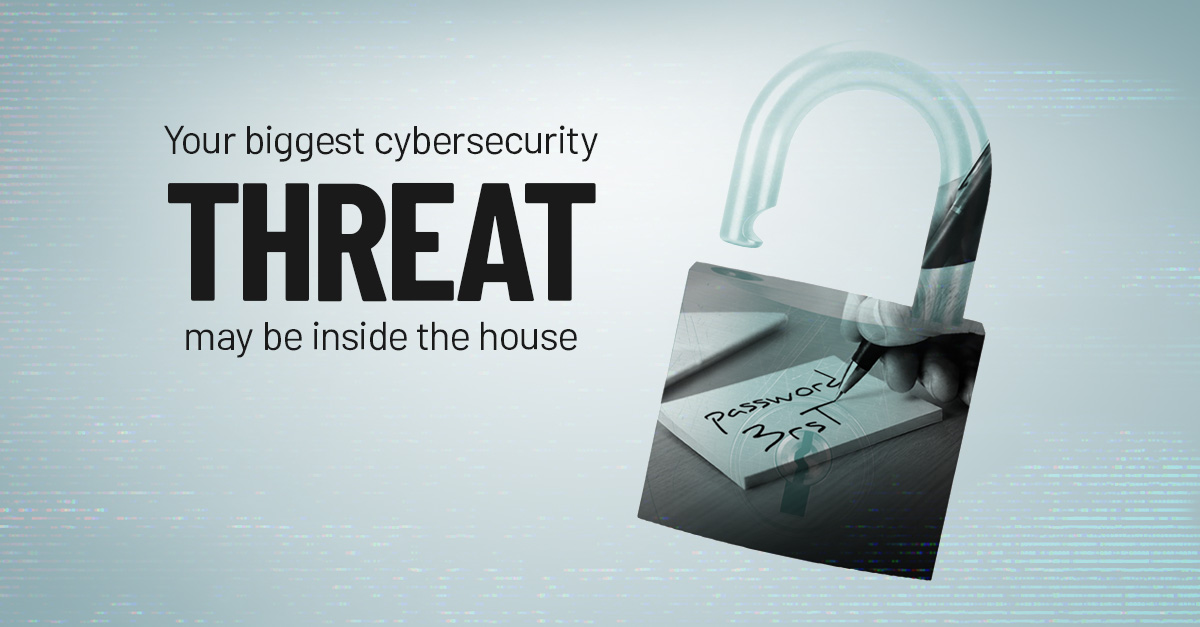
Most businesses are so focused on protecting themselves against outside threats that they overlook the risks already inside.
Insider threats can be deliberate or accidental, and they show up in more ways than many businesses realize
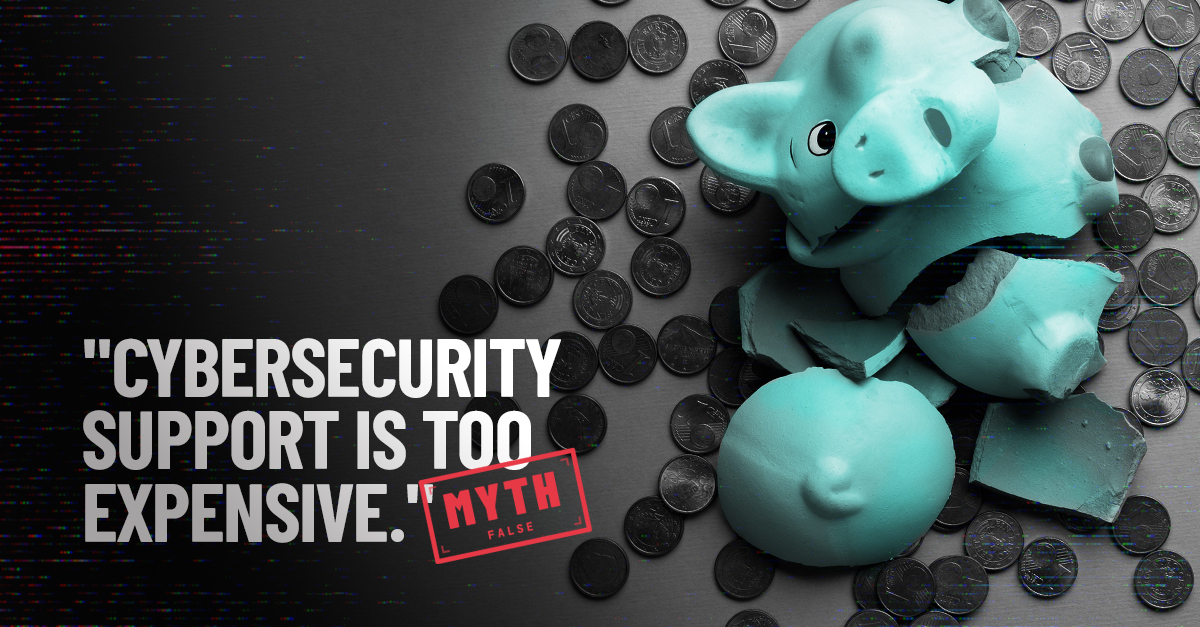
Myth: “Cybersecurity support is too expensive.”
While cybersecurity is an investment, the cost of being unprepared is much higher.
Downtime, recovery costs, lost revenue and damaged customer trust can quickly outweigh what it takes to put the right protection in place.