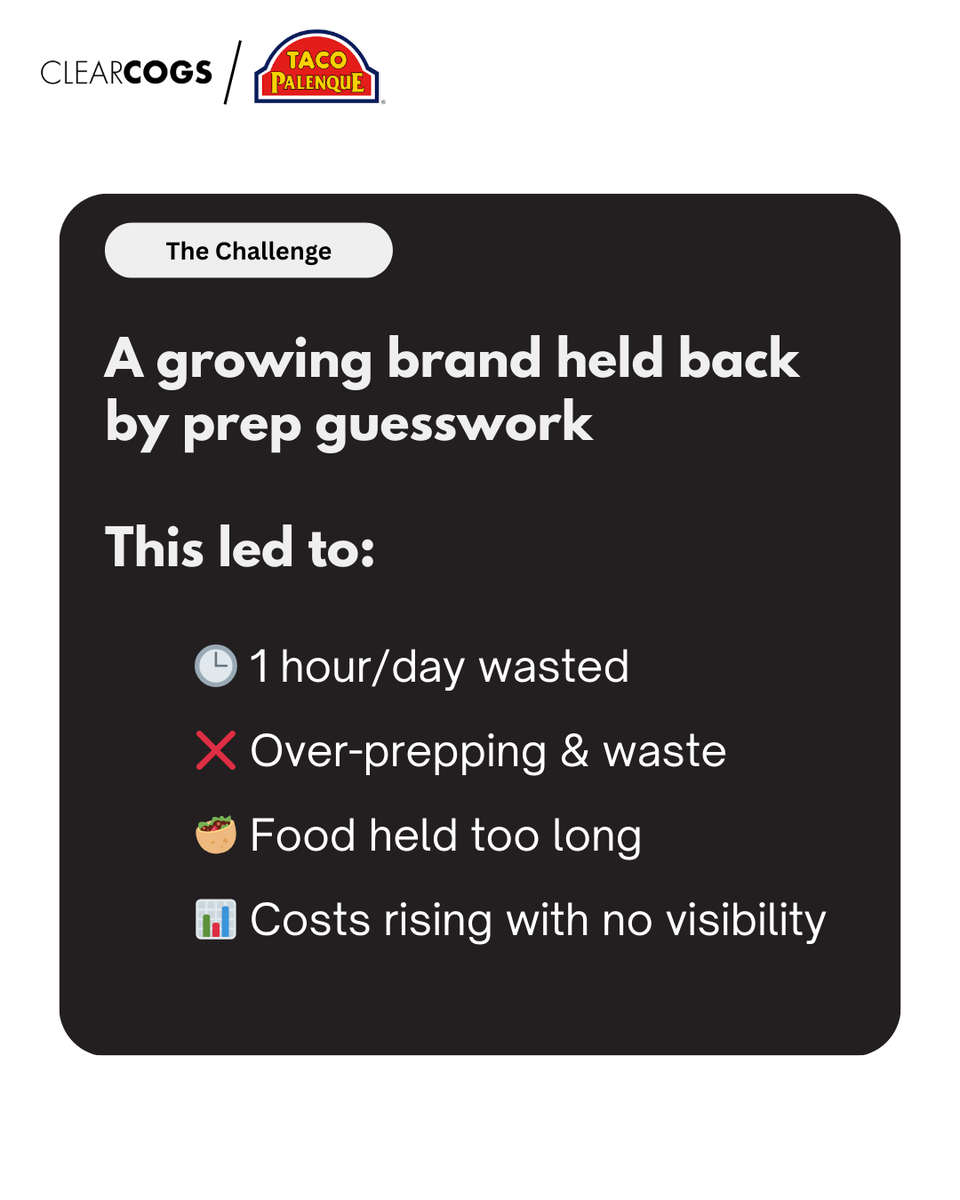
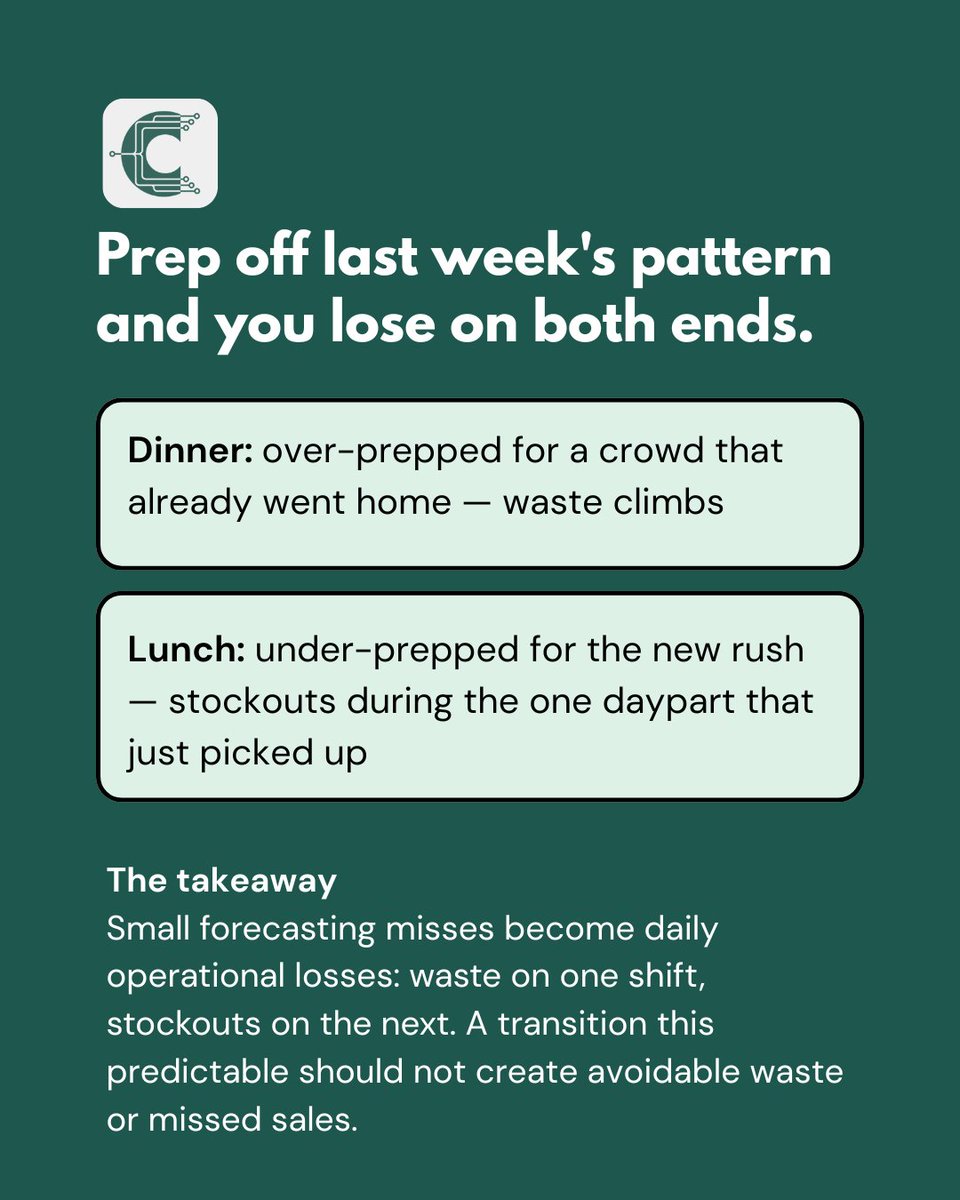
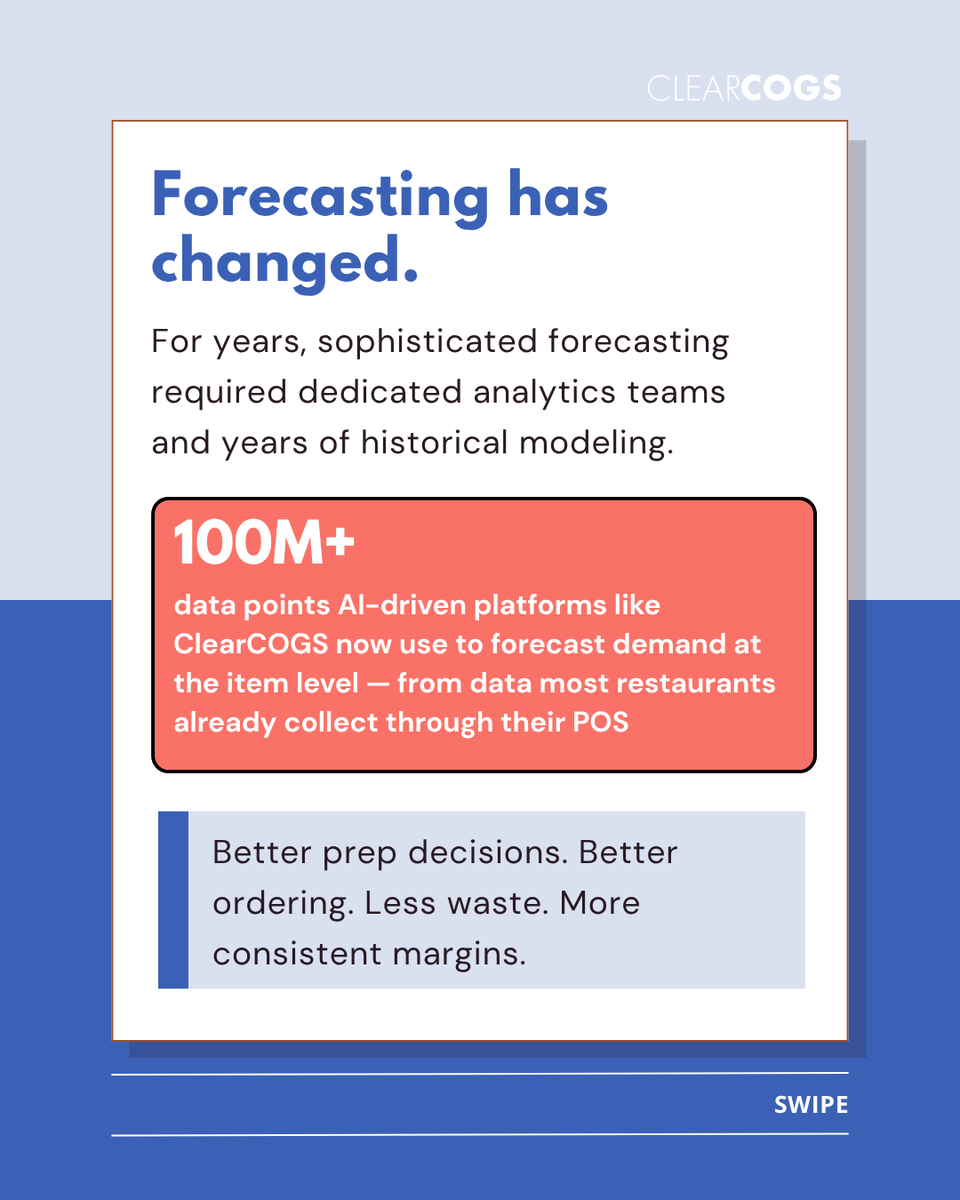
What if your managers could get 1 hour back every day — and every taco stayed fresh? 🌮⏱️
Palenque turned prep guesswork into AI-powered precision with ClearCOGS:
✅ 1 hr saved per manager/day
✅ Less waste & over-prepping
✅ Fresher food & happier staff
✅ Scaled operations
The best restaurant technology doesn't give operators another thing to manage. It gives them one less thing to worry about.
That's what we're hearing from operators piloting ClearCOGS.
Less babysitting. More time running the restaurant.
What does a successful ClearCOGS implementation look like?
“Operators aren’t resistant to technology. They’re resistant to anything that adds a step at 5pm on a Friday.”
For Ally, it’s about fitting ClearCOGS into how restaurant teams already work.
What happens when AI stops being another tool to manage and starts managing the tools for you?
Bennett Maxwell, Founder & CEO of Franchise KI, joined the Restaurant AI Podcast to share how he’s changed the way he works with AI.
Check out the clip from the Restaurant AI Podcast.
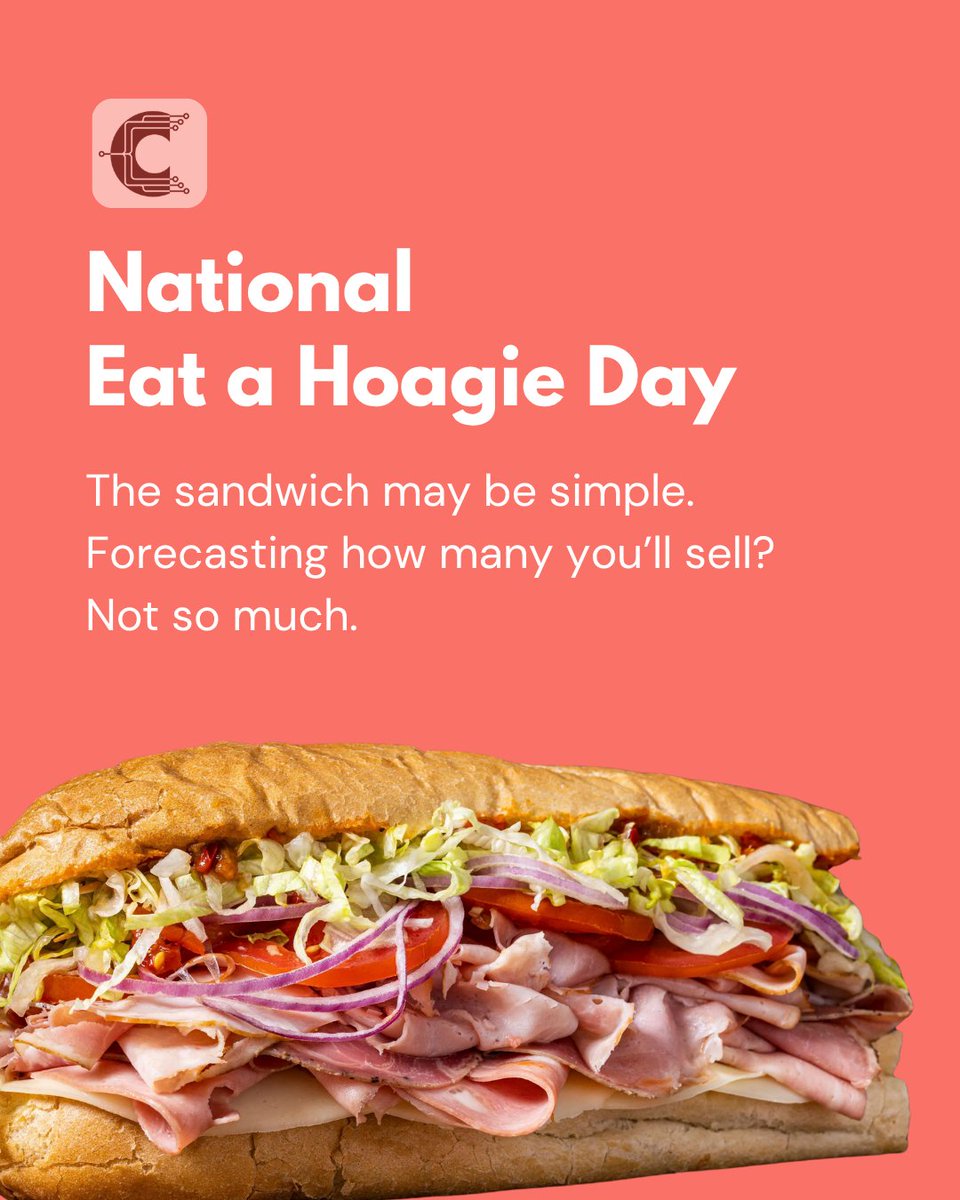
Happy National Eat a Hoagie Day 🥖
A great hoagie starts with better prep. The right forecast helps sandwich shops have enough for every order without ending the day with over-prepped ingredients.
Here’s to better prep, less waste & plenty of hoagies.
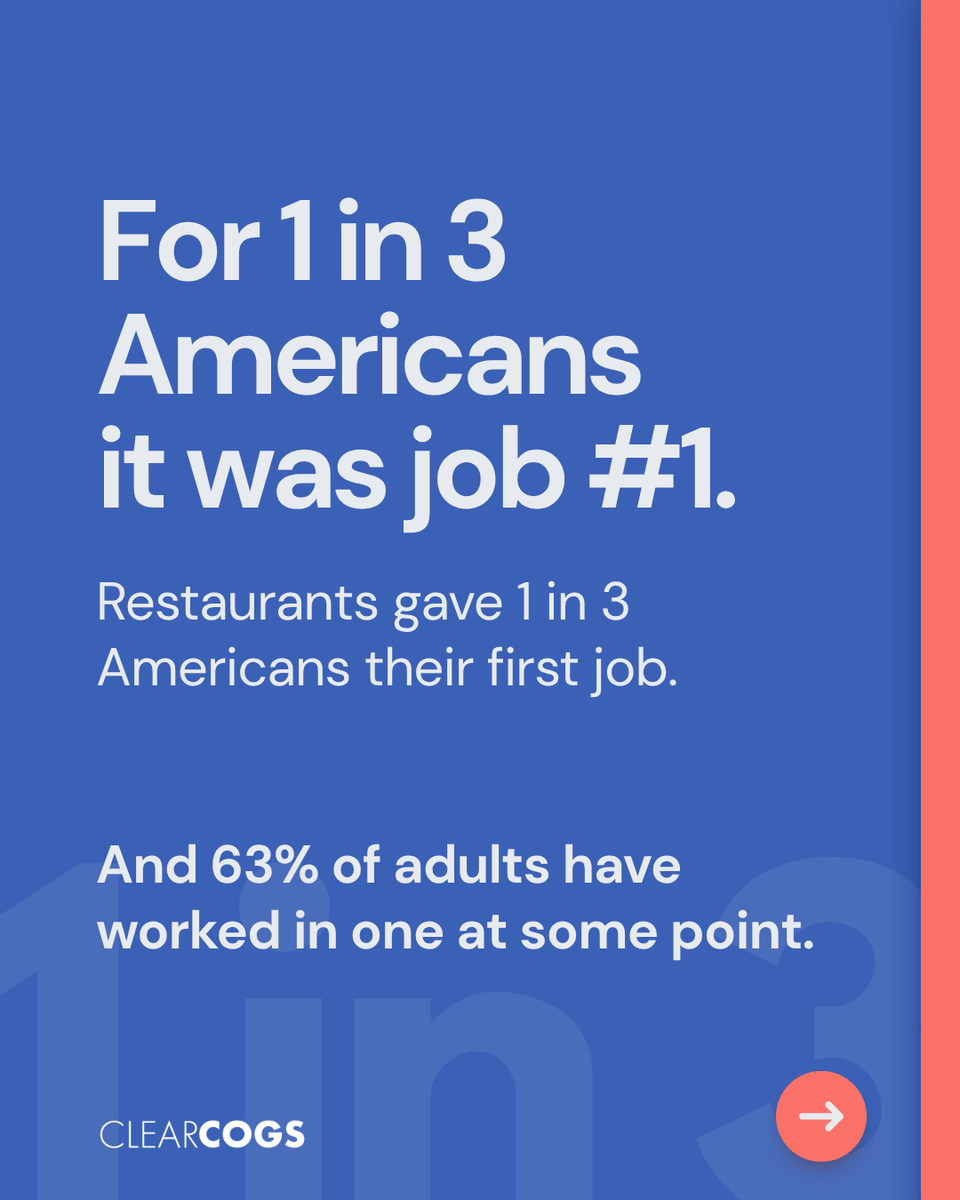
15.8 million people keep restaurants running.
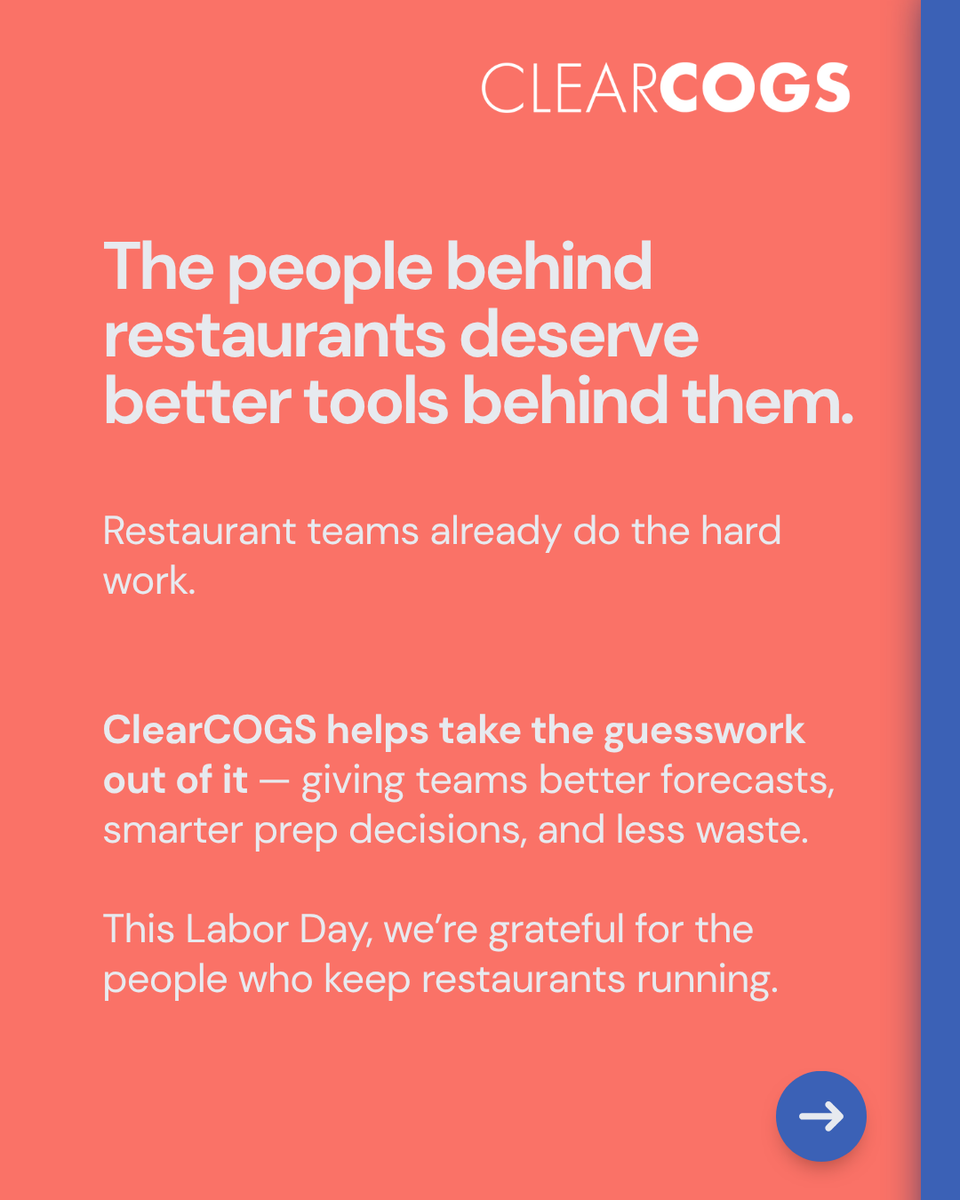
This Labor Day, we’re grateful for every team behind every meal especially those working while the rest of us enjoy the long weekend.
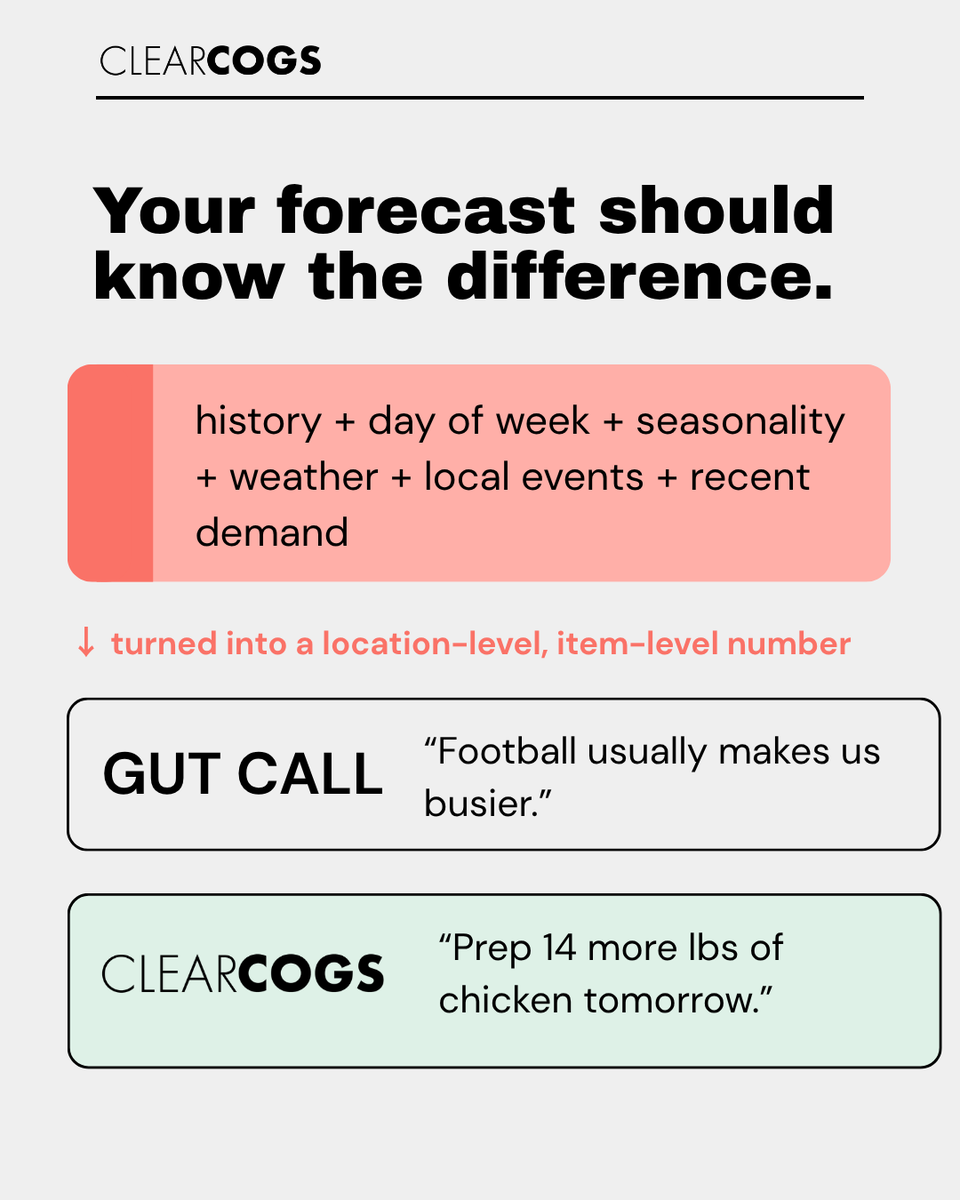
Game day shouldn’t be a guessing game.
Knowing demand will change is easy, knowing whether that means 8% more chicken or 28% more is where ClearCOGS comes in.
Know what “busy” means in actual pounds of food. Know more. Waste less.
Your story might be your best sales tool.
Bennett Maxwell sold 400 Dirty Dough franchises without spending a dollar on ads. One video told the story and did the selling.
The question is: are you telling yours?
What if the next restaurant software tool you need isn’t something you buy but something you build?
John Davie explains how AI could let operators build custom tools in plain language, tailored to their business without another SaaS fee.
More on the Restaurant AI Podcast. 🎙️
The best technology becomes something operators can’t imagine working without.
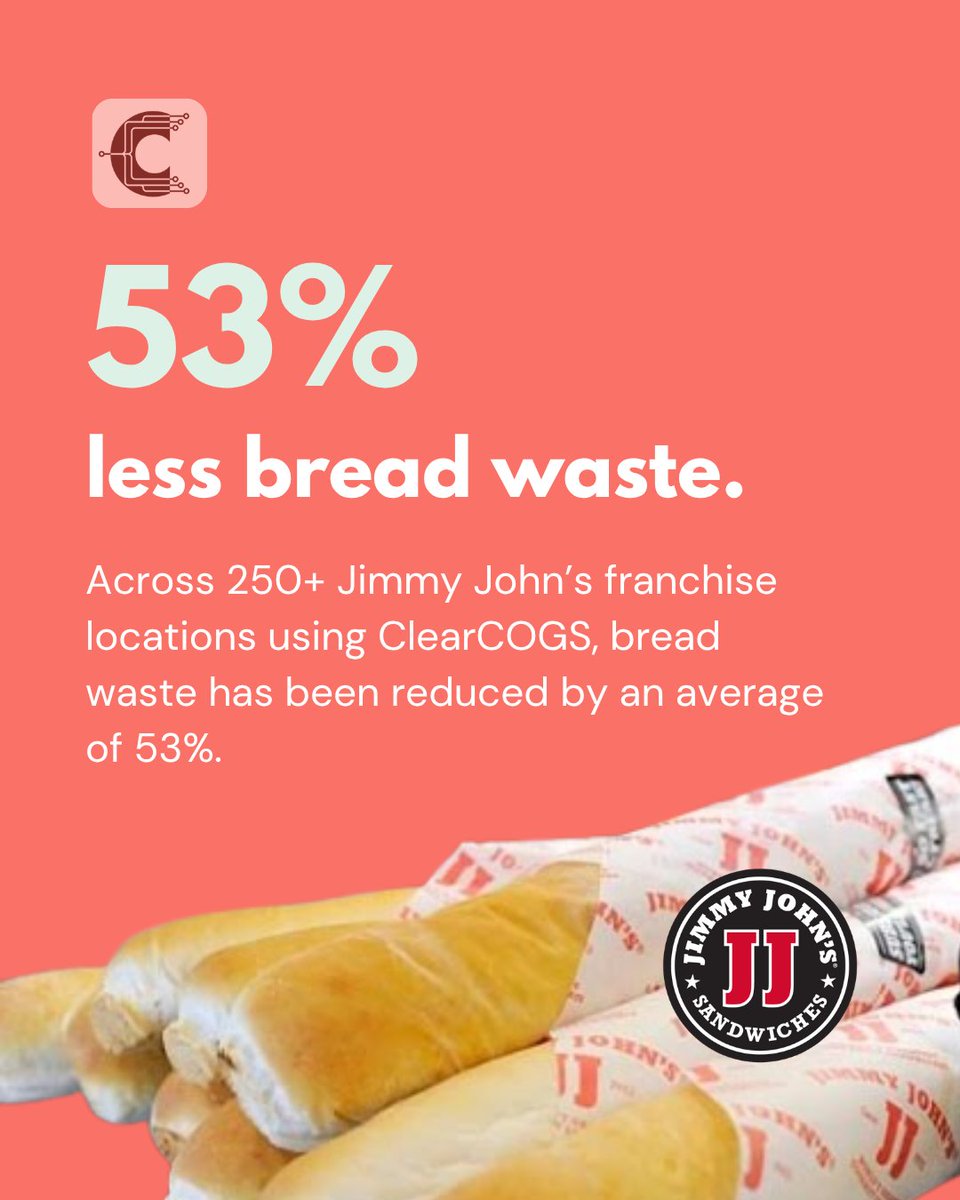
That’s what Alec Swope is hearing from Jimmy John’s GMs using ClearCOGS.
Less complexity. More visibility. Easier day-to-day operations.
One of our favorite takeaways from the Restaurant AI Podcast with Noah Glass, Founder & CEO of Olo.
AI isn't here to replace people. It's here to help operators understand data they couldn't otherwise, so they can make better decisions and spend more time focused on guests.
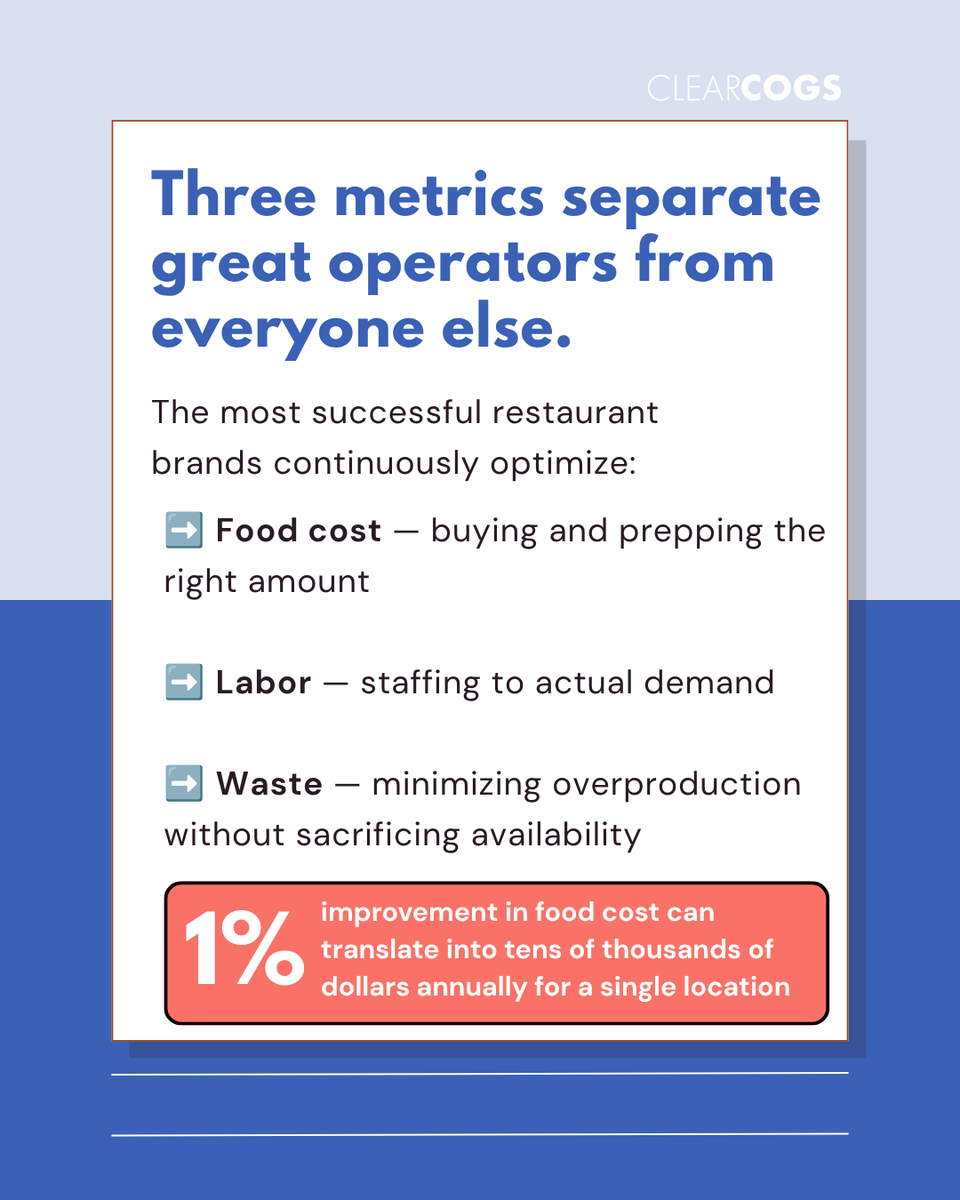
96% of restaurant operators say labor costs are up this year, but most can't explain why, hour by hour.
The difference between average and top-performing restaurants isn't wages—it's visibility: scheduling with real demand data instead of guesswork can be worth ~$41K a year.
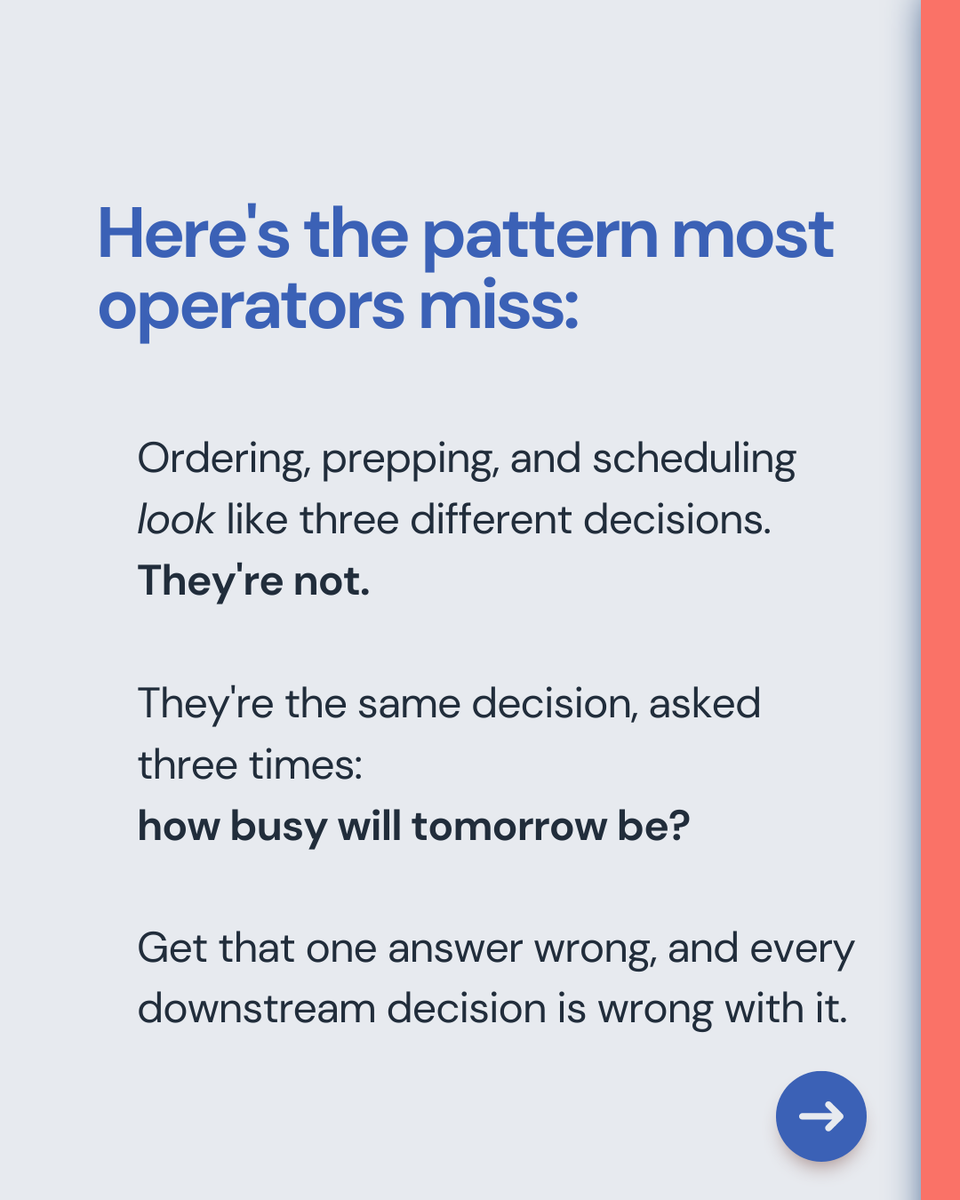
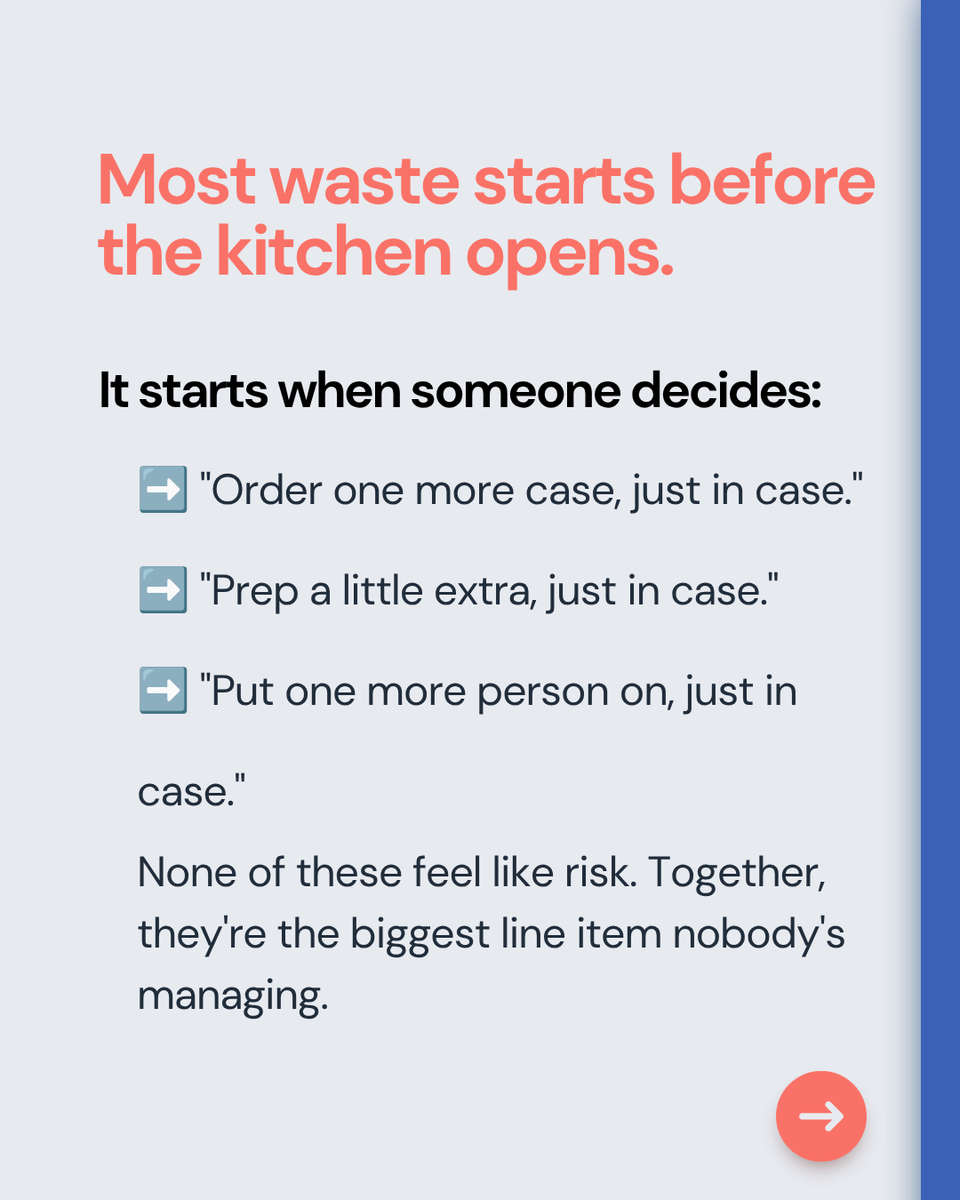
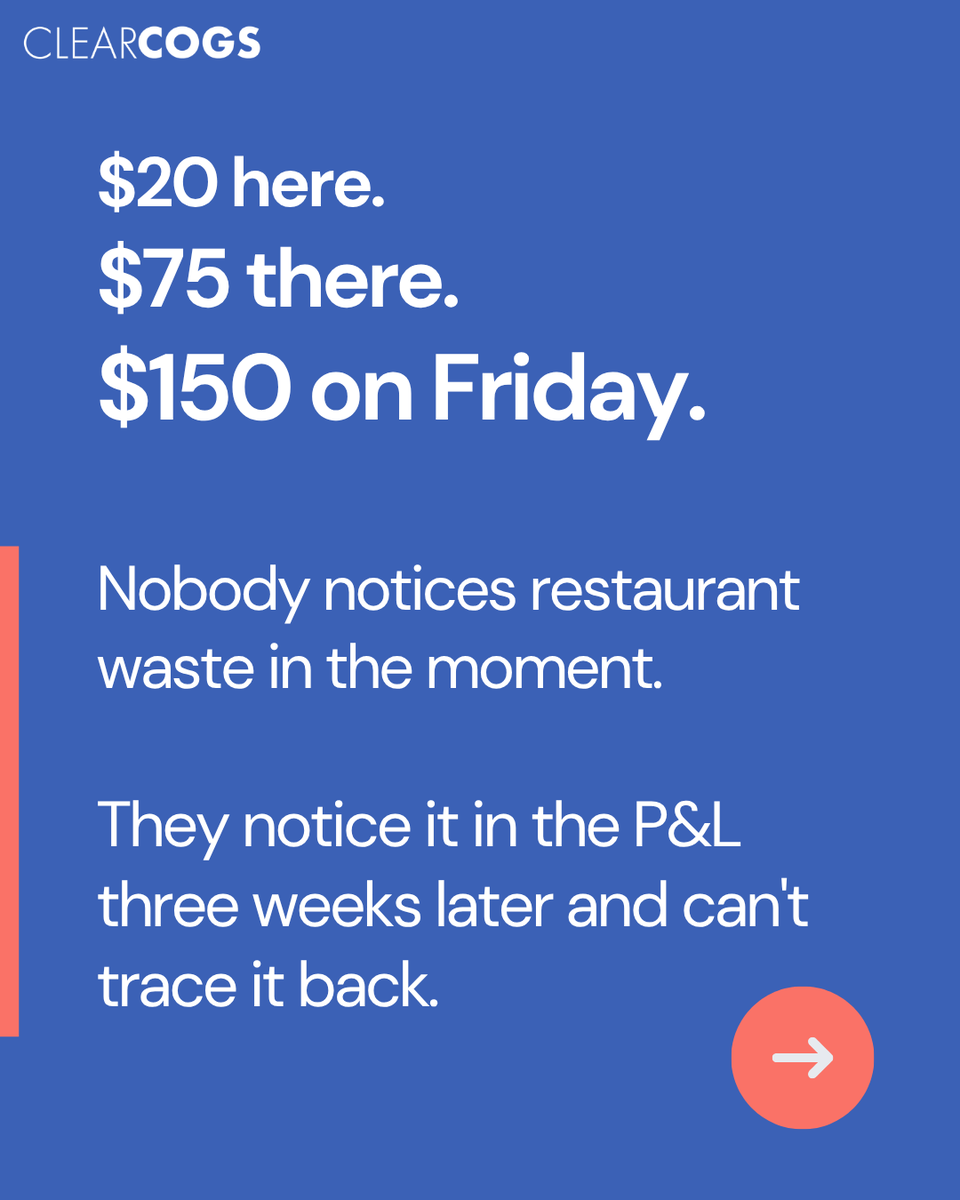
Margin is usually lost in hundreds of small decisions: one extra case, a little more prep, one more person on the schedule.
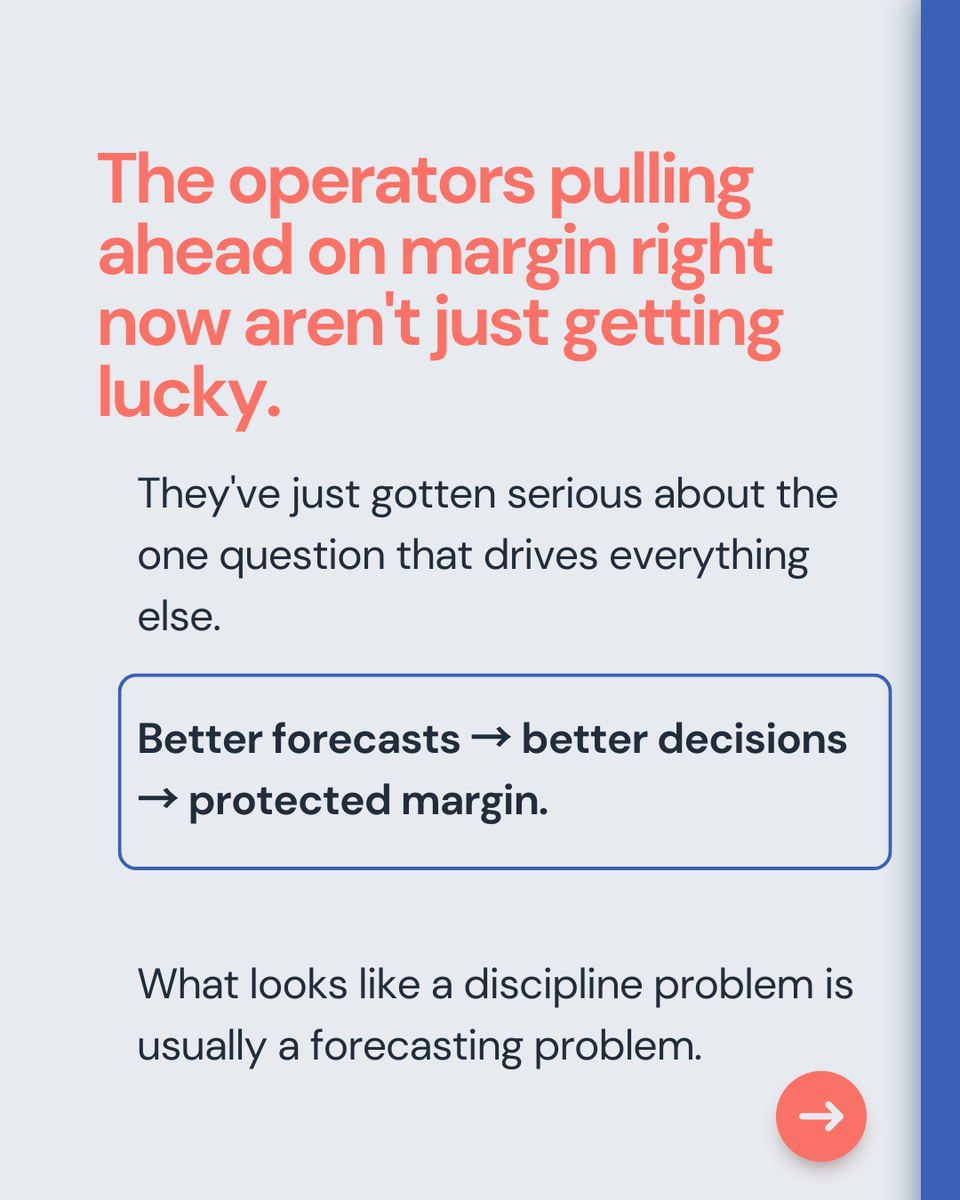
They all come back to one question: How busy will tomorrow be?
Better forecasts. Better decisions. Better margins.
National Chicken Wing Day isn't a "sell more wings" problem. It's a modifier problem.
Hot, mild, boneless, bone-in, extra sauce���every variation changes yield and forecasting. Wings are one of the toughest items to get right. Respect to every kitchen crushing it today. 🍗
AI is putting software development into the hands of restaurant operators. Eric Cacciatore shares how they're building custom tools and ditching unnecessary subscriptions.
🎧 Watch or listen on YouTube, Spotify, Apple Podcasts, or through ClearCOGS.
Meet Rob Lowery, Senior Developer at ClearCOGS.
"What we're doing — saving customers money by reducing food waste — is a clear win-win."
Rob loves building software that helps restaurants prep smarter, reduce waste, improve margins, and even lessen environmental impact.
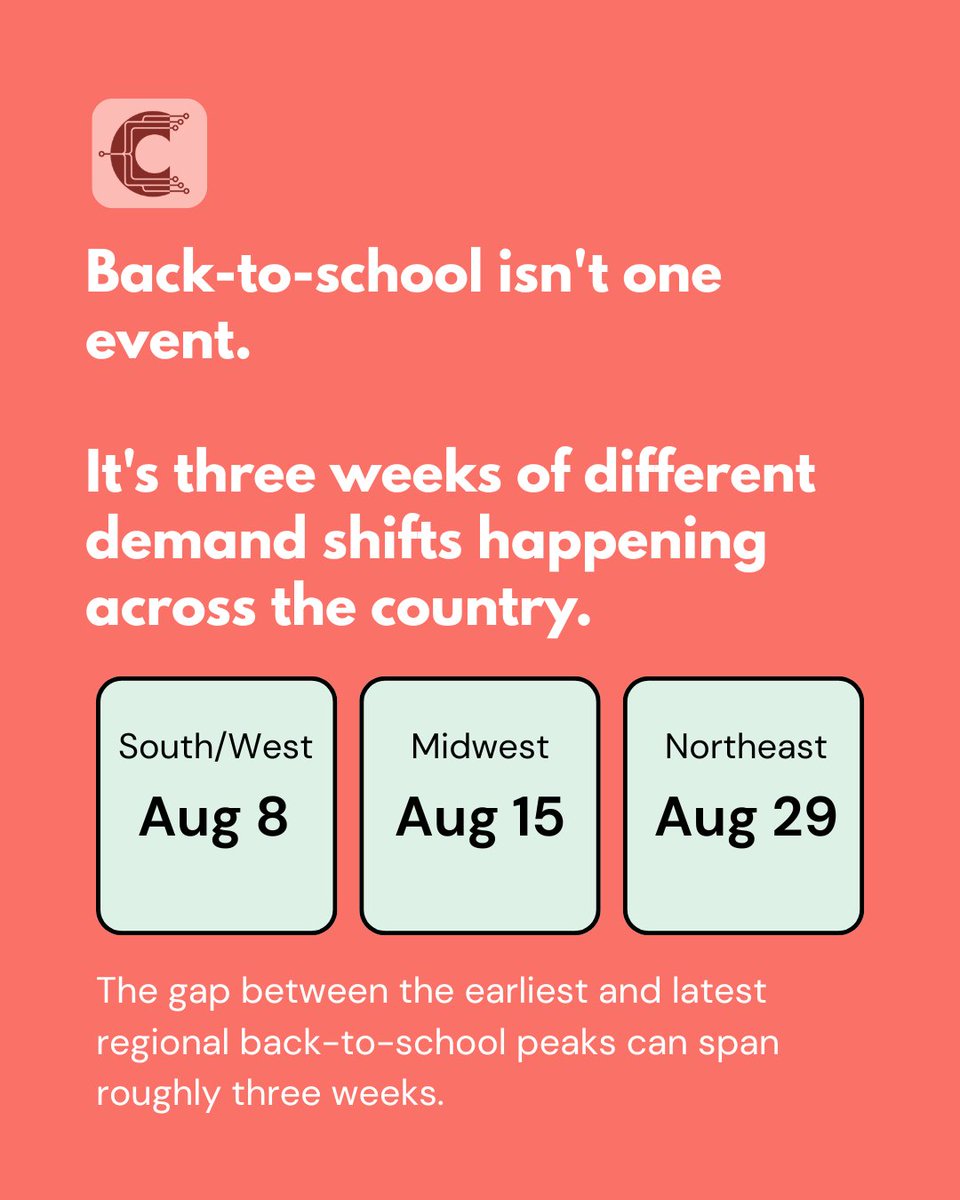
Back-to-school isn't one event. It's 3 weeks of different demand shifts happening across the country.
The best forecasts don't follow one calendar. They follow each restaurant's local reality, adjusting guidance as back-to-school timing reaches each market.
Swipe through 👇
Hospitality comes first. Systems come second. 🎙️ Shaz Khan of Tono Pizzeria + Cheesesteaks joins the Restaurant AI Podcast to share why great systems should protect the guest experience, not replace it.
Listen now on YouTube, Spotify, Apple Podcasts, or at ClearCOGS.
A moment of silence...
...for every perfectly good fry that never made it to someone's plate.
At ClearCOGS, we help restaurants prep with confidence so more fries end up where they belong: on someone's plate.
Happy National Fry Day. 🍟
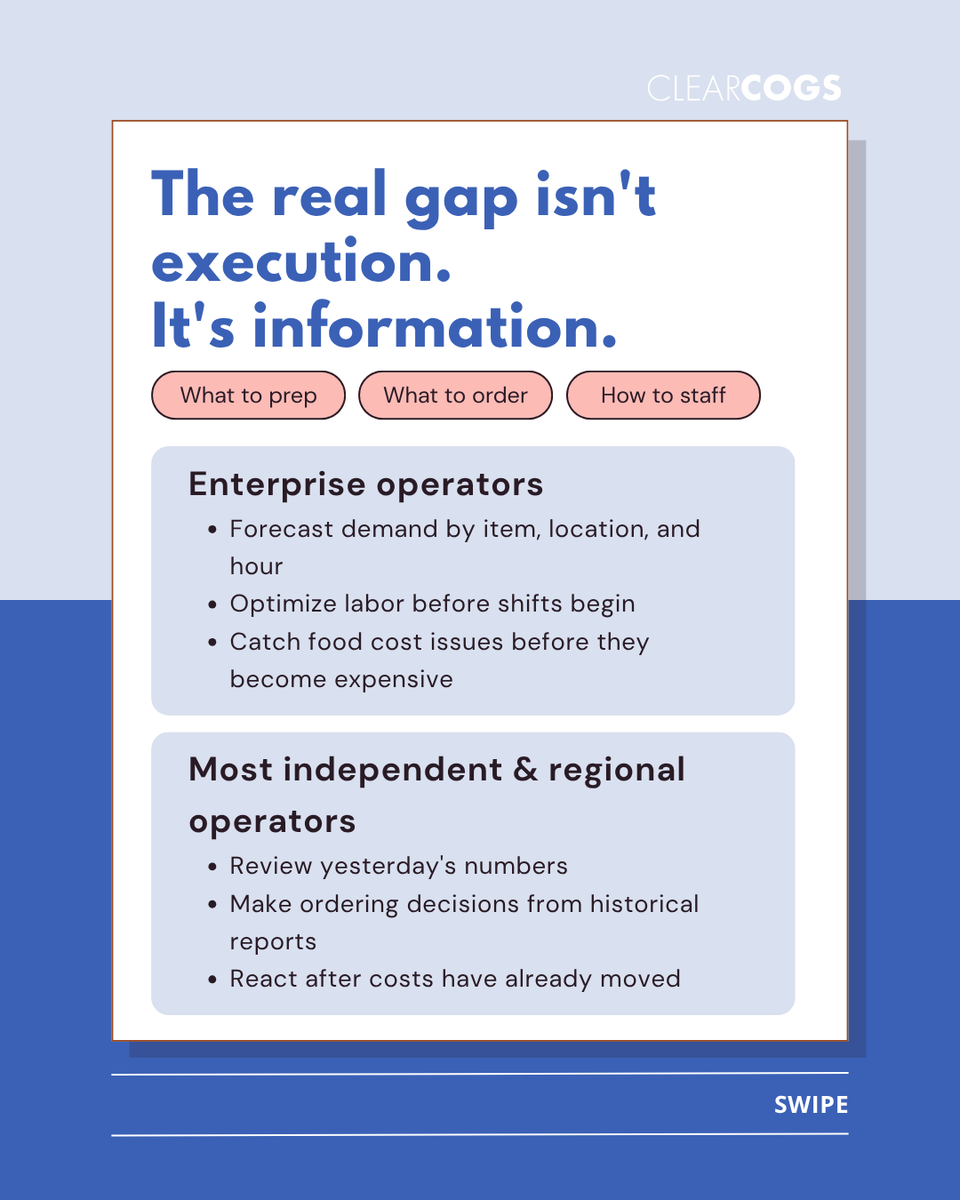
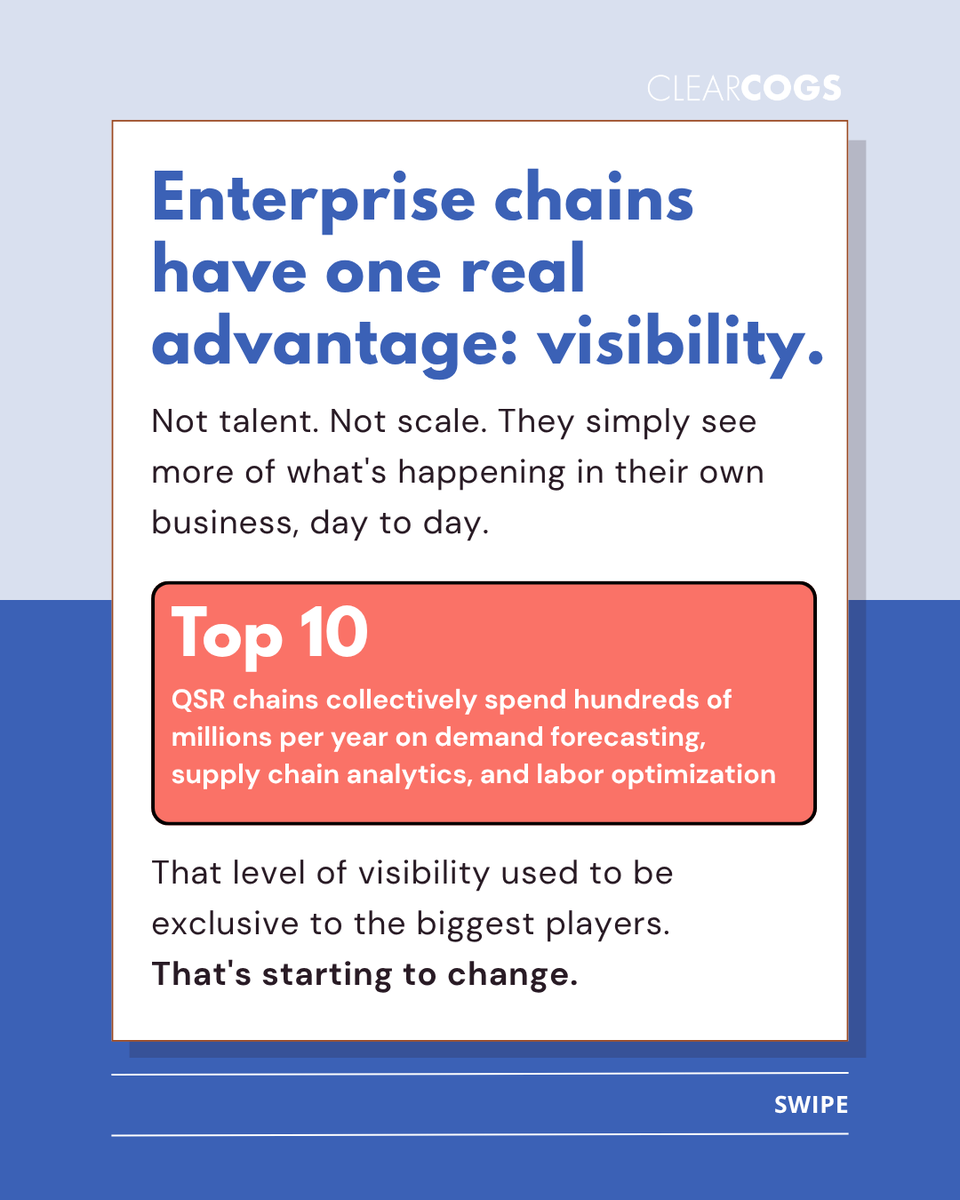
The competitive advantage enterprise brands have relied on for years is becoming far more accessible.
The opportunity isn't to operate like a 500-store chain. It's to make decisions with the same level of confidence.
Most operators think inventory management is about counting everything.
In the latest Restaurant AI Podcast, David Cantu, CEO of Craftable, shares a different perspective: focus on the few items that drive the majority of your revenue.