I am so excited to announce that my first peer-review article is now finally published in the Journal of Caribbean History!!! I and Devin Leigh’s piece provides the first study of Blackwall’s Revolt (Jamaica, 1765). @UT_HistDept@UWIPRESS
https://t.co/zlZCpjbDuU
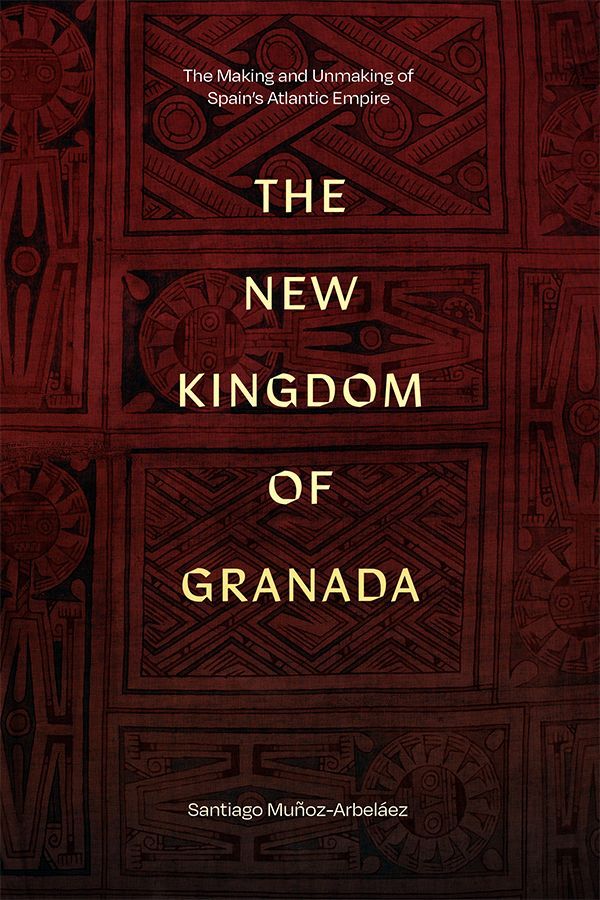
"The New Kingdom of Granada," by Santiago Muñoz-Arbeláez @smunozar tells the history of the making and unmaking of empire in the diverse and decentralized Indigenous landscapes of the Northern Andes. Read the intro for free! #LatinAmericanStudies
https://t.co/tRs7W8cd8H
Columbus invaded #PuertoRico in 1493. It became a Spanish colony following a war against the Taínos (native population) and used enslaved labor. Learn about our Puerto Rican Slave Documents collection & more materials on Puerto Rico. #SchomburgCenter https://t.co/ax7tZi6atl
Info about 2024-2025 JCB fellowships is now live on our website! The Library supports scholarship centered on the history of the colonial Americas, North & South, including all aspects of African, European, & Native American engagements in global & comparative contexts.
Our deadline for the micro-grant program is fast approaching!
Remember to submit your application (we accept proposals in English, Spanish, and French).
"Writing history, for C. L. R. James, was an endless, recursive process of revision, of recontextualization, of asking again and again what the present circumstances enabled him to see or urged him to emphasize of the past he was recounting." - David Scott
https://t.co/X3BgkdRM8l
The McNeil Center has opened applications for two postdoctoral fellowships for terms beginning in 2024. The application deadlines are November 3 and December 8 of this year. https://t.co/15Puy6q90h
📢 Junior Af-Am #twitterstorians, come work in my Department!
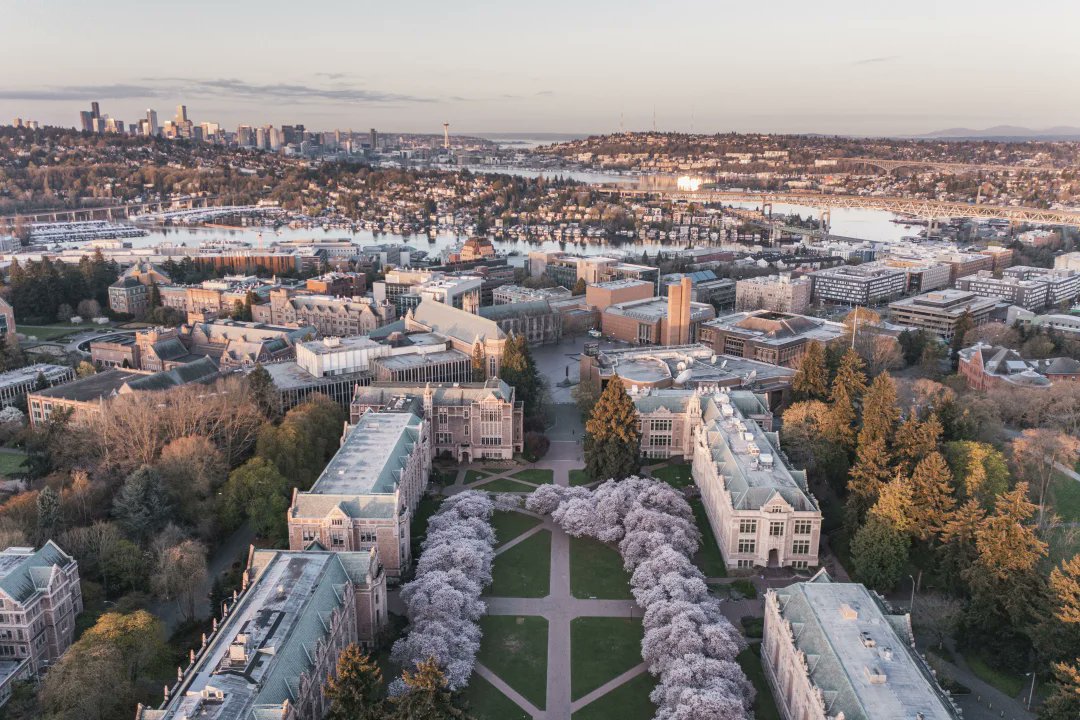
"The Department of History at the University of Washington @UWHist seeks to appoint a full-time tenure-track assistant professor to specialize in African American history."
Link for more info: https://t.co/CN7V66yvLZ
Binghamton University invites apps for the position of Assistant or Associate Prof of Af-Am or Latinx history, with focus on race, racism, ethnicity, social justice, power &/or structures of inequality in the history of the U.S., in any period.
https://t.co/6jGXNRSioY
Two years ago, we wrote this post to inform our readers about the rich literature of the Bois Caiman event:
"The Bois Caiman Ceremony of August 1791: A Bibliographical Reference"
https://t.co/1uk6DOyv4T
Happy Reading!
Happy Bwa Kayiman Day (August 14, 1791- August 14, 2023)!
Slavery at the Core of the 1680 Revolution
It was the most successful Indigenous uprising and one that would ensure survival of Pueblo people. It would also re-script Pueblo-Spanish relations in what is known today as New Mexico. In spite of it being obscured over the years, recent scholarship about the Indigenous uprising that took place in August 1680 has revealed that slavery was one of the primary causes of the revolt, exacerbated by religious animosities, famine & illness, all well documented in the archival record.
As Historian Andrés Reséndez argues, "In the course of the 17th c., the silver economy expanded, and it was New Mexico's misfortune to function as a reservoir of coerced labor and a source of cheap products for the silver mines. It did not take the bad behavior of too many Spanish governors, friars, & colonists--compelling Indians to carry salt, robbing their pelts, locking them up in textile sweatshops, & organizing raiding parties to procure Apache slaves-- to bring about widespread animosity, resentment, & ultimately rebellion."
Reséndez makes this case based on 3 types of evidence, summarized below:
I. Testimonies. In 1681 nine Pueblo men were captured and brought before the governor to ascertain the cause of the revolt. Their depositions were recorded beginning in 1681 and 1682. Eighty-year old Pedro Naranjo of San Felipe declared that in the wake of the revolt, the Indians had finally remained "free from the work demanded by the friars and the other Spaniards which they could no longer bear, and that this was the real reason and legitimate cause that they had to rise up." A 20 year old ladino (Hispanicized) Indian named Joseph also noted, "the causes generally given were the ill treatment and abuses that the Indians received... from Alonso Garcia... Luis de Quintana, & Diego Lopez because they had hit them and taken away what they had and made them working without paying them anything."
II. Timing. Reséndez makes the point that the revolt was "long in the making" and that the 30 year period of unrest corresponds with commercial ties between NM and the silver mines of northern Mexico. New Mexican officials responded to these opportunities by seizing Indian products, pressing Natives into work in textile sweatshops & raiding rancherias to procure slaves. While a few sources mention famines and epidemics, particularly in the 1660s, no testimony provided claims famine or pestilence as a cause of the revolt.
III. Ethnic/Geographic Scope. While the events are almost always only associated with Puebloan people, the "Great Northern Rebellion" as some scholars have referred to it, was well beyond the geography of NM and included Apaches, Mansos, Conchos, Sumas, Pimas, Janos, Salineros, Tobosos & many other groups. Two primary corridors were included, involving regions of Indigenous inhabitants that had all been subjected to "gravitational pull of the silver economy" and into the "slaving corridors leading to Parral."
In the end, these rebellions redefined labor relations in northern Mexico. Indigenous people in New Mexico, Chihuahua, Durango, Sonara & Coahuila according to Reséndez, "challenged slavery and forced important changes in the ways the traffic in humans was conducted in the following century."
The NBU Team is working diligently to reveal just how impactful Indigenous slavery was, document by document, story by story.
The Department of African American & African Studies (AA&AS) at the University of Minnesota, Twin Cities, invites applications for a full-time, tenure-track position in Black feminist literary and cultural studies to begin Fall 2024 (August 26, 2024).
https://t.co/kKseOIf72n