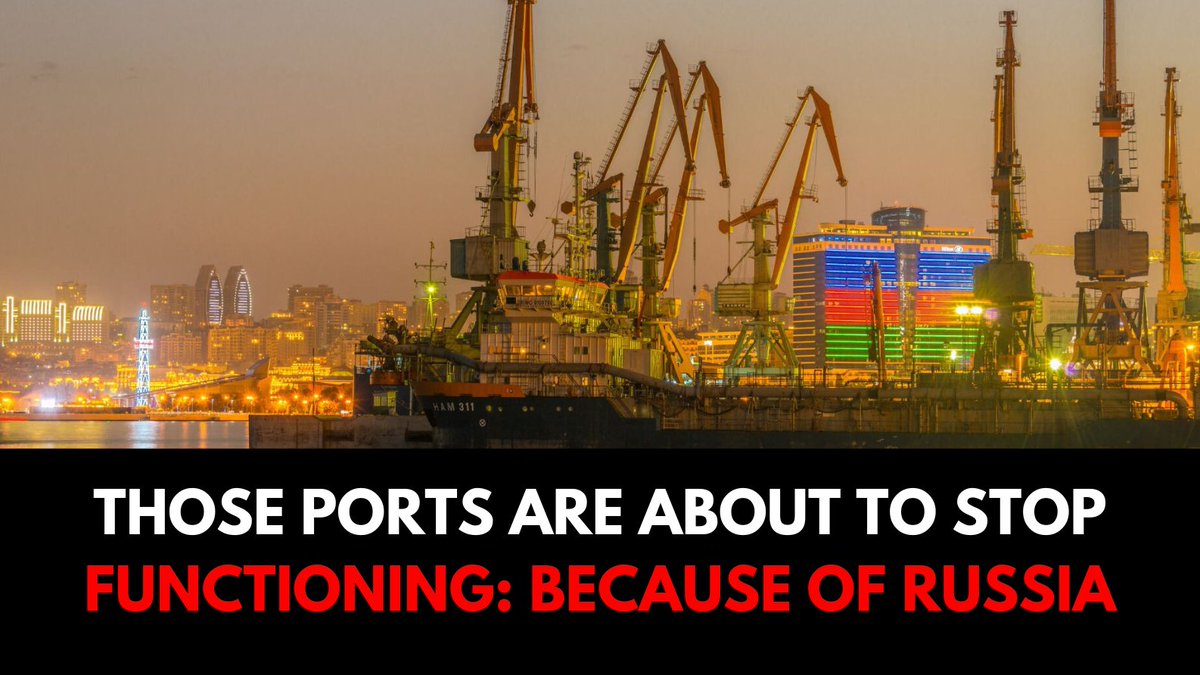
The Caspian Sea’s decline is no longer a distant environmental concern but a direct disruption of economic and political infrastructure. Ports that once anchored regional trade, fishing, and ferry traffic are on the brink of shutdown. The Makhachkala port in Dagestan, the Astrakhan and Olya ports in southern Russia, and infrastructure in Kalmykia and northern Dagestan are all facing rapid dewatering and shoreline retreat. Passenger ferries that once connected Russia, Kazakhstan, Azerbaijan, and Iran are now severely restricted.
This crisis is often explained as the inevitable outcome of climate change. Yet scientific and political analysis reveals a more deliberate driver. Russia’s calculated engineering of the Volga-Caspian shipping channel has fundamentally altered the hydrology of the basin. Water once feeding the biologically and economically critical Northern Caspian has been redirected to deeper zones, ensuring navigability for Russian shipping while starving peripheral ports of lifeblood inflows.
The Caspian is not shrinking on its own.
Port-Specific Evidence of Collapse
Makhachkala Port (Dagestan)
Once the primary maritime hub of Dagestan, Makhachkala port is now struggling with navigation failures. Depth reductions have left vessels unable to dock reliably, forcing rerouting of cargo and threatening the viability of regional fisheries dependent on the port’s infrastructure. Local experts warn that Makhachkala’s strategic role in both trade and military logistics is eroding by the month.
Astrakhan and Olya Ports (Russia)
In Russia’s Astrakhan region, both Astrakhan port and the newer Olya port are experiencing rapid dewatering. Satellite imagery and hydrological assessments indicate a dramatic retreat of shorelines and shallowing of channels that once supported large vessels. Olya, promoted in the early 2000s as a future gateway for the International North-South Transport Corridor, is now in danger of becoming landlocked. Astrakhan, historically Russia’s Caspian anchor, is losing its ability to support consistent cargo flows.
Northern Dagestan and Kalmykia
In the northern sectors of Dagestan and in Kalmykia, the shoreline itself is retreating from port infrastructure. Facilities that once stood at the water’s edge are now stranded inland, cut off from maritime access. This creeping disconnection has rendered parts of the fishing industry non-functional. Ferry services that relied on these shallow northern waters are being curtailed, with experts openly predicting their imminent cessation.
Together, these cases confirm a systemic pattern: ports critical to regional integration are failing, not through isolated misfortune, but through structural shifts in hydrology tied directly to Russian engineering choices.
Hydrological Sabotage: Russia’s Role
Russia’s interventions in the Volga-Caspian channel represent more than technical missteps. They constitute a deliberate reconfiguration of flows that benefits Moscow while externalizing costs onto the wider region.
Weaponization of Water Flows
By deepening and redirecting the Volga-Caspian channel, Russia has ensured that a greater share of the Volga’s discharge bypasses the shallow Northern Caspian and flows directly into the deeper Middle Caspian. This engineering has been justified as modernization, improving navigability for large vessels serving Russia’s export corridors. Yet in practice it is the weaponization of water flows: a hydrological decision that privileges Moscow’s interests while condemning periphery ports to collapse.
Infrastructural Abandonment of the Periphery
The northern and western Caspian littoral zones, home to ecologically sensitive wetlands and critical fisheries, are now deprived of water. Russia’s channel works embody infrastructural abandonment of the periphery. Peripheral ports are left to dry, while resources are concentrated in shipping lanes that sustain Russia’s trade dominance.
Deliberate Hydrological Destabilization
Russian agencies, including the Volga-Caspian branch of the Caspian Fisheries Research Institute, have acknowledged the altered flow distribution. Despite this knowledge, no corrective measures have been implemented. The destabilization of hydrology is thus not an unintended consequence but a tolerated, even deliberate, condition of Russia’s infrastructural policy.
Geopolitical Implications
The collapse of Caspian port infrastructure has direct political ramifications.
Centralization of Control
By monopolizing water management through the Volga, Russia secures domestic shipping interests at the expense of regional cooperation. The northern Caspian becomes ecologically sacrificed so that Russian cargo vessels maintain navigability to deeper waters. This centralization transforms Moscow into the gatekeeper of Caspian maritime viability.
Undermining Multilateral Agreements
The 2018 Convention on the Legal Status of the Caspian Sea emphasized cooperation and shared responsibility. Russia’s channel modifications, undertaken without meaningful regional consultation, undermine this framework. They expose the weakness of multilateral agreements when one dominant actor prioritizes unilateral gains.
Rising Regional Friction
Kazakhstan, Azerbaijan, and Iran are particularly vulnerable to the decline of northern and western Caspian ports. Kazakhstan’s economic lifeline to the Caspian depends on ferry and cargo connections already curtailed by water loss. Azerbaijan views the erosion of ferry routes as a strategic setback for its trade balancing between Russia and Iran. Iran, historically limited in Caspian mobility, perceives the crisis as further evidence of Russian disregard for regional equity.
This pattern of infrastructural neglect is consistent with broader Russian tactics: environmental authoritarianism deployed to consolidate domestic advantage while subordinating neighbors to ecological and economic instability.
Conclusion
The shutdown of Caspian ports is not a natural inevitability. It is the foreseeable outcome of Russia’s calculated engineering and environmental neglect. By reshaping the Volga-Caspian channel, Moscow has diverted life-sustaining inflows from the Northern Caspian, accelerating desiccation and stranding critical infrastructure. Ports in Makhachkala, Astrakhan, Olya, northern Dagestan, and Kalmykia now face operational collapse.
This is more than an environmental tragedy. It is a geopolitical act: a deliberate destabilization that consolidates Russia’s control while sacrificing the ecological and economic security of its neighbors. Unless checked, the trajectory is clear. The northern Caspian’s ports will fail entirely, and with them the last vestiges of regional maritime integration. The Caspian Sea is being shrunk into a tool of political leverage, and the costs will be borne not only by ecosystems but by societies across Eurasia.
#CaspianCrisis
#RussiaAccountability
#WaterPolitics
#PortCollapse
#ClimateAndPower
Another masterclass in energy misinformation. He labeled wind power a "Green New Scam" and "loser" energy, yet the data tells a completely different story.
China currently leads the world with over 600 GW of installed wind capacity, nearly half of the global total.
🇺🇸Trump talking at Davos 30 minutes ago.😆
I thought I would help correct the record about Wind.
China has 600 GW of installed wind energy capacity.
A single wind farm, Jiuquan has 7,000 turbines, which is only 10 GW of the total.
Do the math.
Enjoy👇
🇯🇵 Japan’s school cafeterias follow a strict philosophy that prioritizes fresh, minimally processed food over convenience. Most schools serve meals cooked from scratch each day, using whole ingredients like rice, vegetables, fish, and seasonal produce. Highly processed items such as sugary snacks, sodas, and fast food are largely excluded, not by a single sweeping ban, but through national nutrition standards and local school policies.
These meals are designed not only to nourish students but also to teach healthy eating habits and respect for food. As a result, school lunch in Japan is treated as part of education itself, shaping lifelong dietary behavior rather than just filling stomachs.
@therealkris96 Hypocritical? Yes. But this is not the right time to voice disagreements. This issue must take priority over everything else for the EU.
Very disappointed in Italy. I understand the risks they don't want to face, but there are things that should come first, and justice is at the top of the list.
#GreenlandIsNotForSale
It's not that she tried to warn Americans. Every sane US citizen knew who Trump was. That guy had literally been in the media for years and served as president. The madness happening now was very easy to predict.
The US desperately needs a huge blue wave to wipe this psychopath away from the House. This madman not only needs to be out of the White House but also jailed for his crimes against children! #TrumpTerrorist
All MAGA voters either have few brain cells left to think #Trump is saving #Venezuela, or they see what's actually going on and support it.
I don't know which scenario is scarier.
Iraq was destroyed, but they got the oil
Libya was destroyed, but they got the oil
Syria was destroyed, but they got the oil
They will destroy Venezuela to get the oil
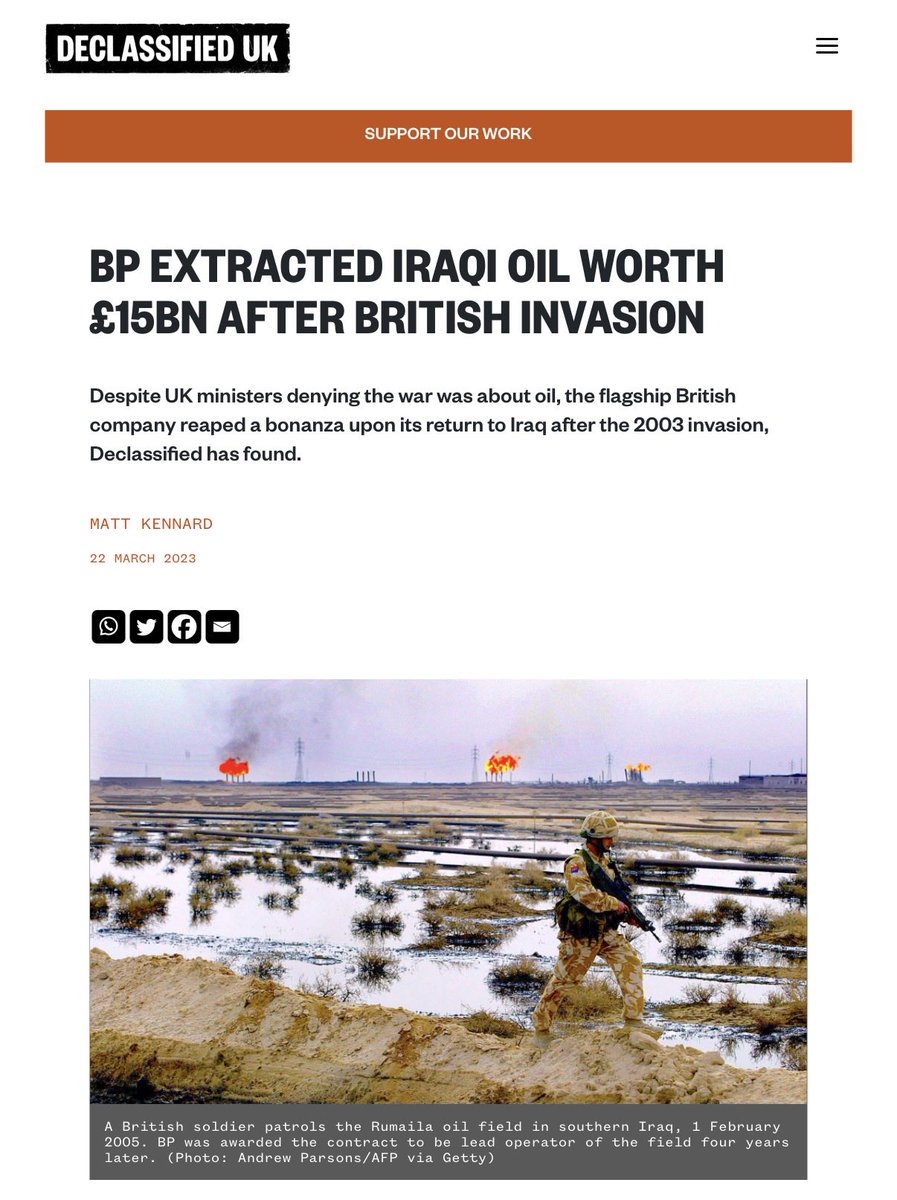
NATO militaries are not about “defence”. They operate as armed wing of ExxonMobil, Chevron, BP, Shell et al
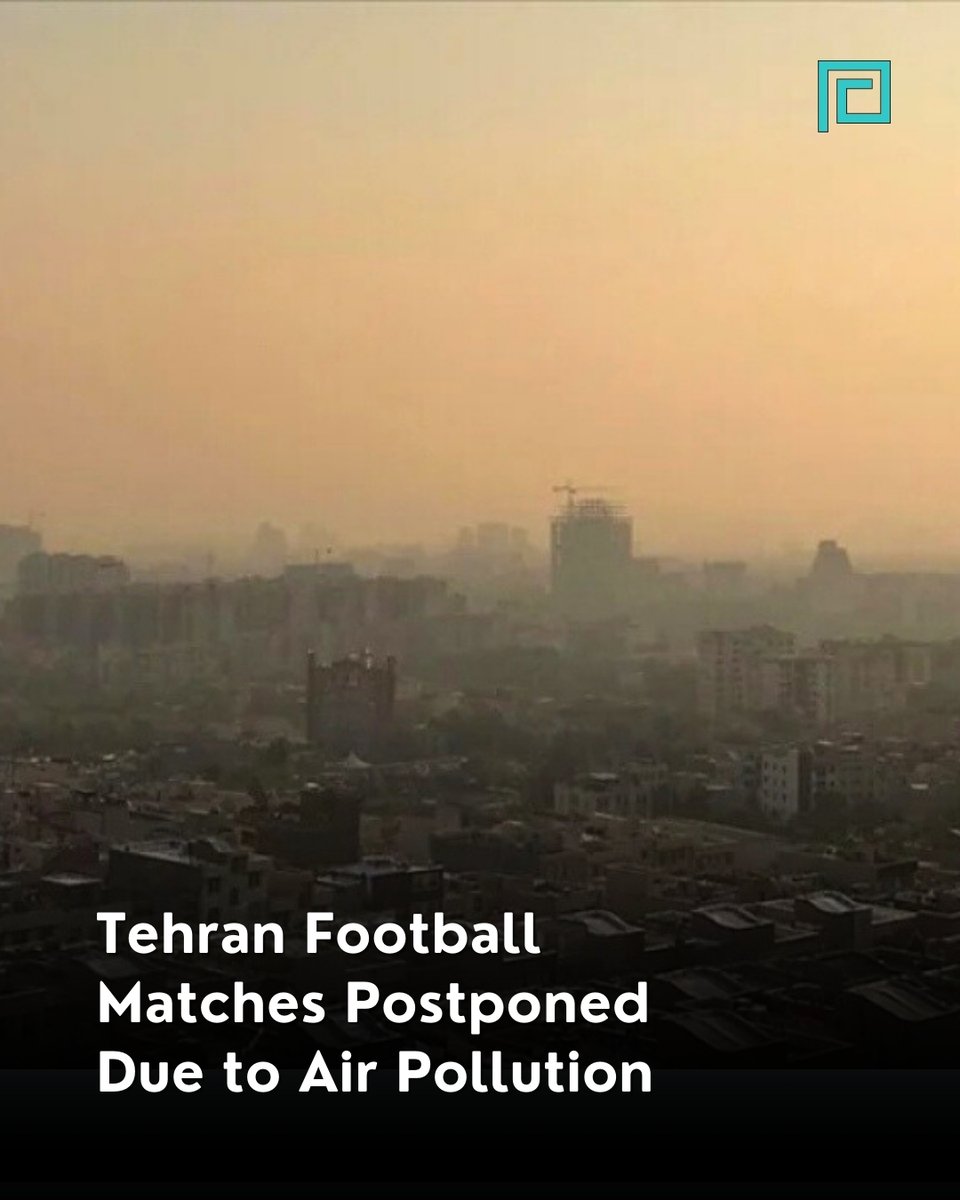
#Tehran is going through a huge air pollution problem.
Iran's capital city's air quality has become so dangerous lately that they have no choice but to cancel football matches and even close schools for children.
Football matches scheduled for today in #Tehran have been postponed due to high air pollution levels. The Tehran Provincial Football Federation’s Health Committee also suspended all training sessions, citing serious health risks for players. #AirPollution#Football#Iran#Health
We were able to release Tom to a support garden on Monday. He received treatment for a small burden of lungworm and went out at 828g. Good luck (not so tiny now!) Tom!
#hedgehog#Wildlife#conservation#Tom