MEDIATION MONDAY
How does mediation contribute to stronger societies?
Mediation extends beyond resolving individual disputes, it plays an important role in strengthening relationships across communities & institutions by creating spaces for constructive engagement…1/3
…even where differences and disagreements persist.
By encouraging dialogue, reducing polarisation and creating opportunities for collaboration, mediation contributes to building societies that are better equipped to manage conflict peacefully and inclusively. 2/3
The CMA with the Restorative Justice Centre, was privileged to train senior managers at #GIBS in #conflictmediation skills. The training focus: choosing the appropriate response to conflicts as they arise in order to repair relationships & create a restorative #workplaceculture.
The webinar provides an important platform for exchanging insights and experiences on strengthening community-based approaches to preventing and addressing conflict. 3/3
CMA SPOTLIGHT | DR SAMUEL IGBA TO SPEAK AT COMMUNITY-FOCUSED POLICING FOR PEACE WEBINAR:
Community-Focused Policing for Peace: Amplifying What Works in Local Conflict Prevention in South Africa and Nigeria.
Use this link to join: https://t.co/MhIV7yzvK7 1/3
Dr Igba will join a distinguished panel of speakers to engage in discussions on #community-focused #policing, local conflict prevention and approaches to building sustainable #peace. 2/3
Our stakeholder dialogue in the OR Tambo District of the #EasternCape brought together government officials, traditional leaders and civil society organisations for honest conversations about the challenges undermining efforts to address gender-based violence (GBV). 1/2
The CMA & @SportArtsCultur mediation training with the amaMpondo ase Nyandeni Kingdom in the Eastern Cape ended on a high note, with women traditional leaders, faith-based leaders & ward counsellors expressing renewed energy and commitment to building #peace in their communities.
🔔 MEDIATION MONDAY
Every conflict has a story waiting to be heard. This Mediation Monday, we reflect on the power of listening as a vital conflict transformation skill. In times of conflict, people often listen to respond rather than to understand. 1/3
Deep listening creates space for parties to uncover underlying concerns, reduce defensiveness, & engage in meaningful dialogue that can lead to constructive & lasting solutions.
How has listening or the lack of it shaped a conflict you have experienced or observed? 2/3
During the training, traditional leaders, ward councillors and civil society leaders came together to explore the complex conflict dynamics and rich practices of conflict resolution that characterise rural South Africa.
The CMA's mediation co-training workshop with @SportArtsCultur kicks off today in Libode in the OR Tambo District of the Eastern Cape.
We're excited to engage in this learning experience with traditional leaders, ward counsellors and civil society leaders.
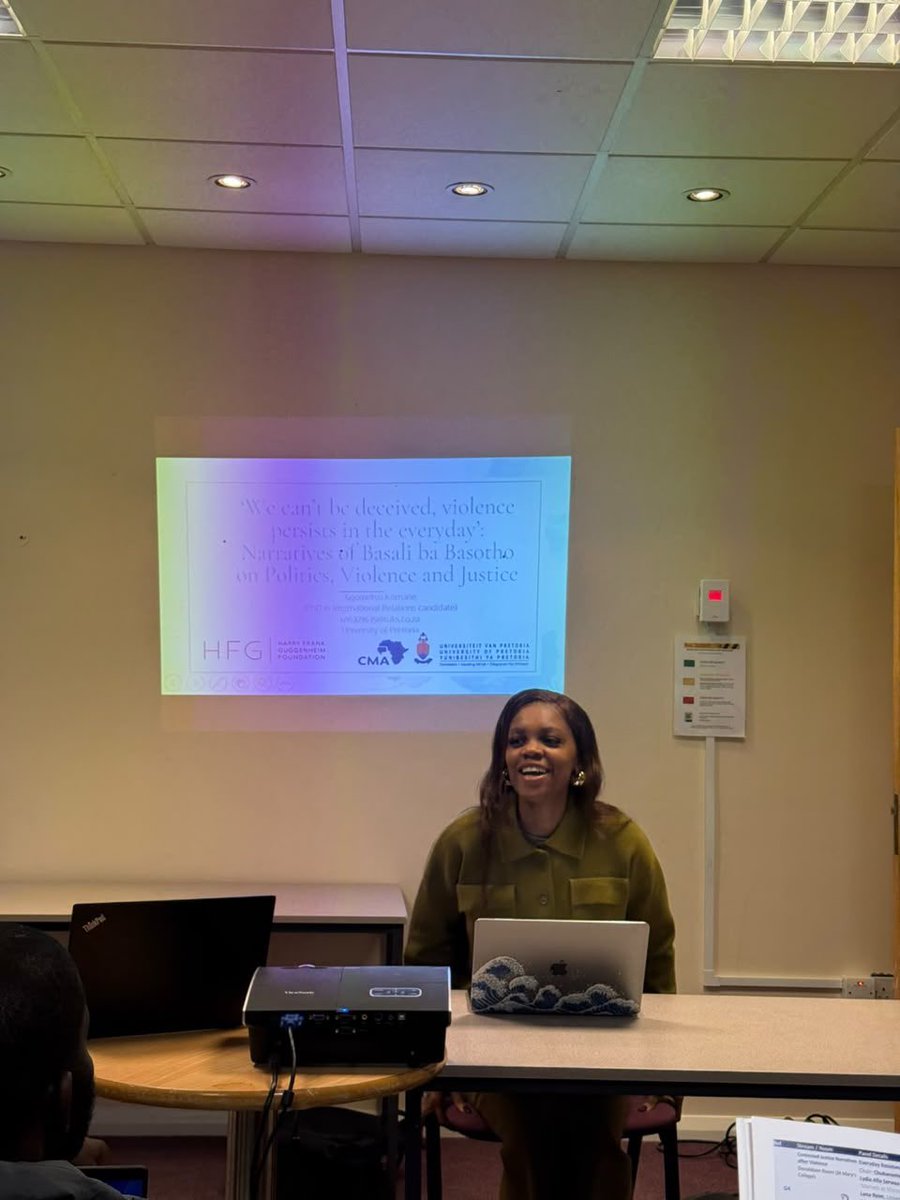
Her research brought attention to women’s roles and experiences in peace processes, highlighting how women’s perspectives can inform more inclusive mediation, peacebuilding and transitional justice approaches in societies emerging from violence.
10-12 Sept: CMA’s Kgomotso Komane presented her research on women in peacebuilding & mediation under the stream “Contested Transitional Justice Narratives after Violence in Africa” at the African Studies Association of the United Kingdom (ASAUK) Conference, in Durham, UK.
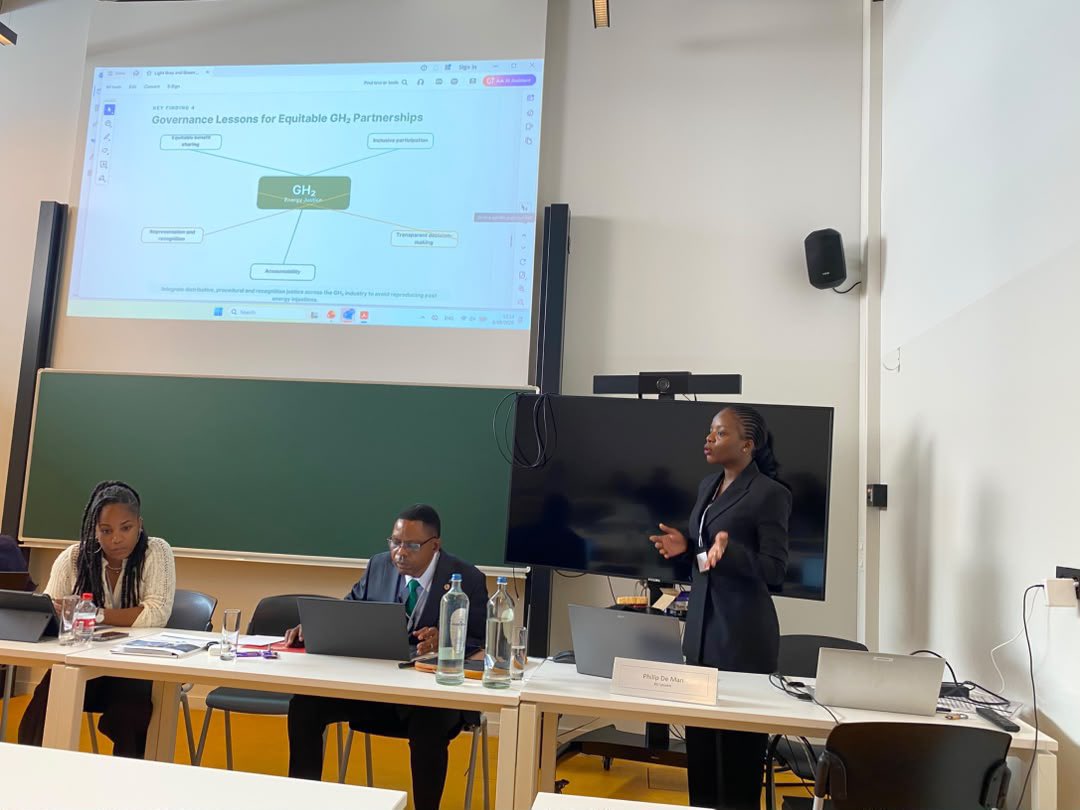
The discussions further highlighted how political, economic and geopolitical dynamics shape conflict, mediation and the prospects for sustainable peace, while underscoring the importance of inclusive and context-sensitive approaches to peacebuilding and mediation. 4/4
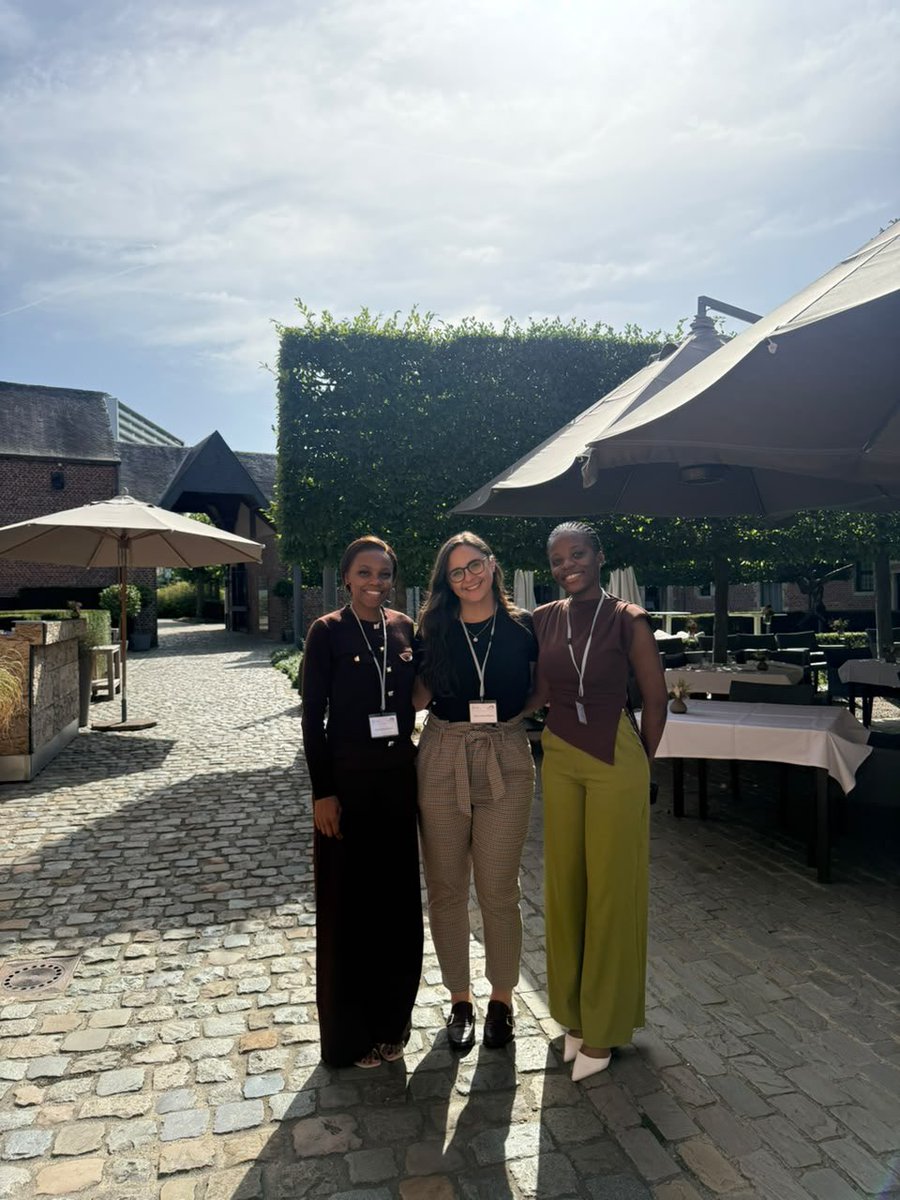
Earlier this month, CMA’s Tyne Williams, Bokani Motsu and Kgomotso Komane participated in the second NEAR-ER International Conference, “Africa-Europe Relations: Shared Prosperity in a World in Flux”, in Leuven, Belgium. 1/4
Together, these contributions highlighted the importance of understanding peacebuilding within broader political, economic and geopolitical relationships, while centring African agency and more equitable approaches to international partnerships. 3/4