How old were some of America’s Founding Fathers in 1776?
🇺🇸 Thomas Jefferson — 33
🇺🇸 Alexander Hamilton — 21
🇺🇸 James Madison — 25
🇺🇸 John Adams — 40
🇺🇸 George Washington — 44
🇺🇸 John Hancock — 39
🇺🇸 Benjamin Franklin — 70
🇺🇸 Patrick Henry — 40
🇺🇸 Samuel Adams — 53
🇺🇸 Thomas Paine — 39
The United States was founded by a remarkable mix of young revolutionaries and experienced statesmen.
If your idea of a perfect summer day involves a lake, some hiking trails, and maybe a round of golf, don't miss Hickory Knob State Resort Park in McCormick, SC.
Hickory Knob offers campsites, cabins, a golf course, skeet shooting, archery, hiking, and fishing!
The Old 96 District has no shortage of hands-on, educational experiences worth the drive.
A few favorites include:
👉 Battle of Musgrove Mill State Historic Site
👉 Hickory Hill Milk Farm Tours
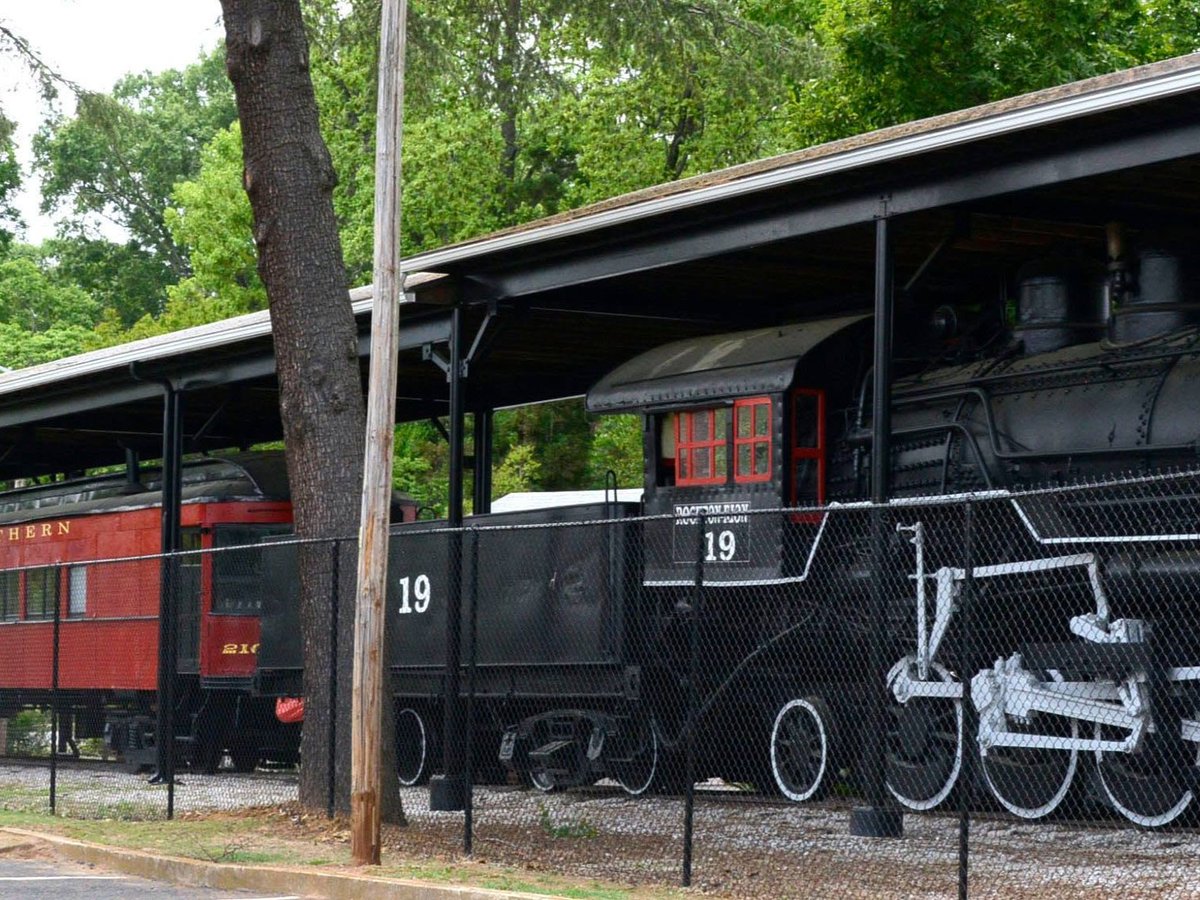
👉 Railroad Historical Center
Find all 11 field trips at https://t.co/SNMpGCofhx
250 years ago today, on June 28, 1776, a half-finished fort made of palm tree logs and sand did something it had no business doing: it beat the most powerful navy on earth and saved the American South. We just hit the 250th anniversary of one of the most improbable victories of the entire Revolution.
The setup looked hopeless. A massive British fleet under Admiral Sir Peter Parker sailed into Charleston harbor to crush the rebellion in the south before it could grow. Guarding the city was an unfinished little fort on Sullivan's Island, defended by Colonel William Moultrie and a few hundred men. The walls weren't even done. One British officer reportedly figured they'd flatten it in an hour.
Then the palmetto logs did the impossible. The fort was built from soft, spongy palmetto wood packed with sand, and instead of shattering when the British cannonballs hit, the logs just absorbed them. Iron sank into the mush and stuck. The fleet hammered that fort for hours and could not break it, while the American gunners coolly fired back and tore the British warships apart. Several ships ran aground. Admiral Parker himself got hit so hard that the blast literally ripped the seat out of his pants.
And then the moment that became legend. When a cannon blast knocked the fort's flag down, Sergeant William Jasper climbed out over the wall, in the middle of the bombardment, grabbed the fallen colors, and raised them back up so everyone could see the fort still stood.
By nightfall the British fleet limped away. They wouldn't seriously come back to the south for nearly three more years. South Carolina loved that fort so much it put the palmetto tree on its state flag, where it still flies today.
A quarter of a millennium later, the lesson still lands. Sometimes the thing everyone writes off as too soft and too unfinished to matter is the exact thing that refuses to break.
British forces launch a full assault on Fort Sullivan, South Carolina.
The position does not fall as quickly as they would have pleased; British cannon fire bounces off the Patriot Fort, which is constructed of palmetto logs.
The British bullets cut down the militia flag, and young Patriot Sergeant William Jasper races to the pole and raises it under withering fire.
Meanwhile, American fire does substantial damage to Royal Navy ships.
Although 2,200 British troops and nine ships attacked a fort with only 400 militia inside, just 12 Patriots are killed for the loss of 91 British and severe damage to their ships.
They do not take the Fort and they are compelled to retreat.
North Dakota didn’t just influence Theodore Roosevelt — it transformed him. He credited the Badlands with shaping his character and steeling him for the presidency. This summer, the Theodore Roosevelt Presidential Library opens on that very ground.
https://t.co/ZA3tEcQixF