It's #FieldProgramFriday! Sawyer Judge supports III Marine Expeditionary Force, and Yolanda Peterson Jones is embedded with the Marine Corps Information Operations Center. Check out the video below to learn about their experiences supporting marines in Japan and the Philippines.
Full Video: https://t.co/5MzaZfF7Uj
Do body cameras reduce injuries during use of force incidents in jails?
In a randomized trial, CNA found that body-worn cameras reduced injuries of jail residents during use-of-force incidents by 58 percent. Daniel S. Lawrence, PhD, Bryce Peterson, Ph.D., Mike White, Ph.D., Brittany C. Cunningham, PhD, and Chip Coldren, Ph.D. conducted this study at the Loudoun County Adult Detention Center in Virginia.
Other key takeaways
-This study was the first randomized controlled trial to test the impact of body-worn cameras in a correctional setting, addressing a major gap in research on use of force injuries in jails and prisons.
-The likelihood that any given incident resulted in an injury fell from 28.4 percent without cameras to 8.8 percent with cameras.
Read the brief here: https://t.co/1AeJUrH9W1
Explore the #JusticeInsightsatCNA series here: https://t.co/N37uUr2mYD
How can the US help Kazakhstan, Azerbaijan, and Turkmenistan strengthen their presence in the Caspian Sea and challenge Russian dominance?
CNA’s Cornell Overfield argues that the US should invest in the maritime capabilities of these countries to capitalize on a trifecta of opportunity in the Caspian: Russian and Iranian setbacks, growing trade, and naval investments by Azerbaijan, Kazakhstan, and Turkmenistan to advance their own security.
https://t.co/7jFknwBTti
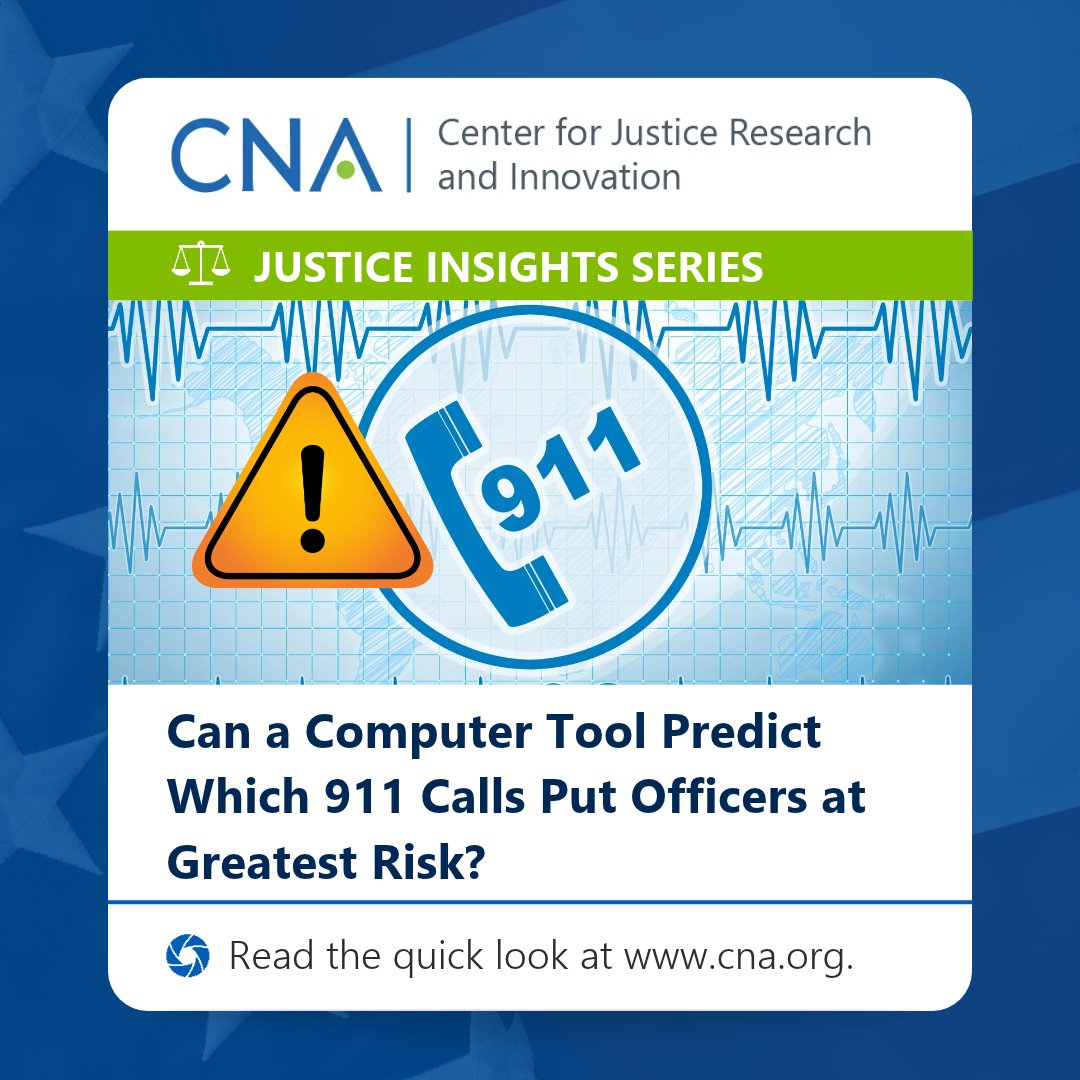
Can Machine Learning Forecast Which 911 Calls Put Officers at Greatest Risk?
Brittany C. Cunningham, PhD, Chip Coldren, Ph.D. and Vincent Bauer, Ph.D. applied machine learning to a database of over 100,000 911 calls in Camden County, New Jersey. They found that useful, objective risk forecasting is technically achievable using existing dispatch data and available machine learning tools. At the same time, the substantial share of “can’t tell” forecasts underscores that current data limit how confidently agencies can classify risk for many calls.
Other key takeaways
-Researchers used information available at the time of dispatch to forecast whether a 911 call involving weapons would pose high risk or low risk to responding officers.
-For about half of a set of test calls, the forecasting tool could not reliably distinguish between high and low risk. The researchers argue that this inconclusive result is appropriate when the data are insufficient to support a confident forecast.
-The number of 911 calls from the same neighborhood in the past 30 days was by far the strongest predictor of risk, accounting for about 80 percent of the forecasting tool's predictive power.
Read the brief here: https://t.co/Tj6zIl6FZP
Explore the #JusticeInsightsatCNA series here: https://t.co/kY9Uvhc2OF
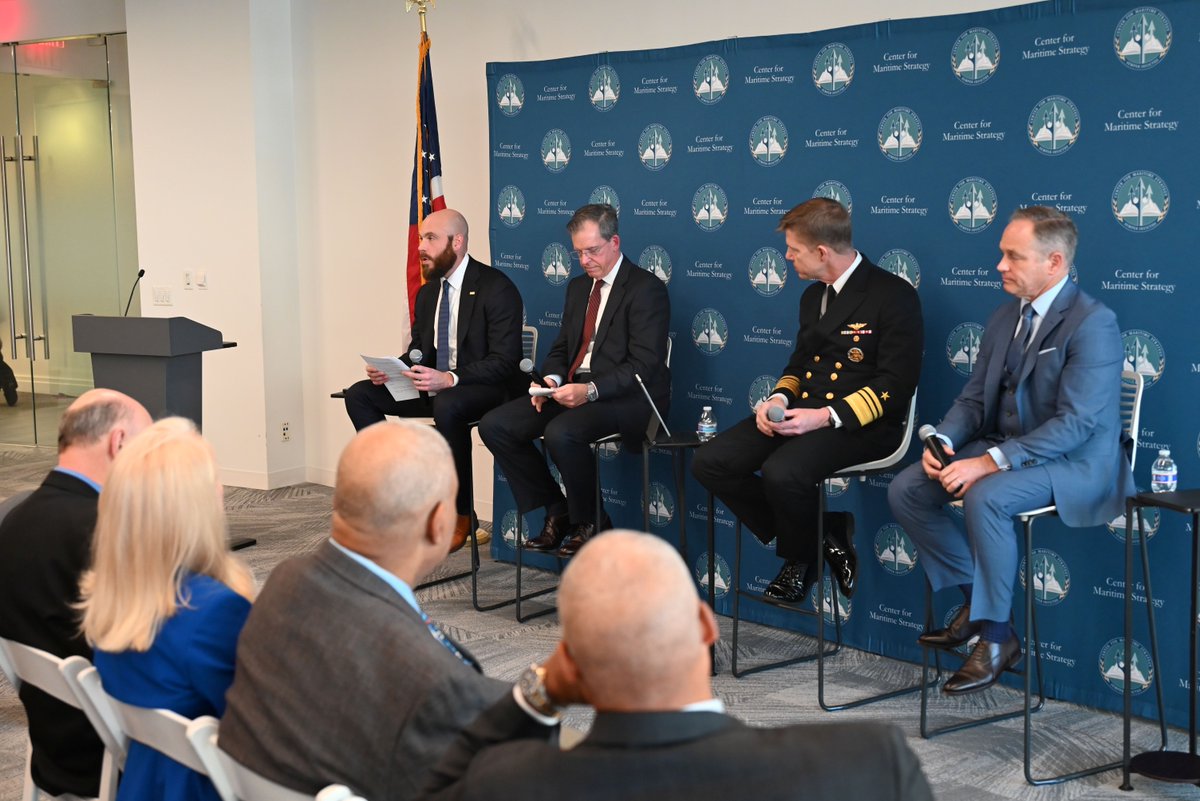
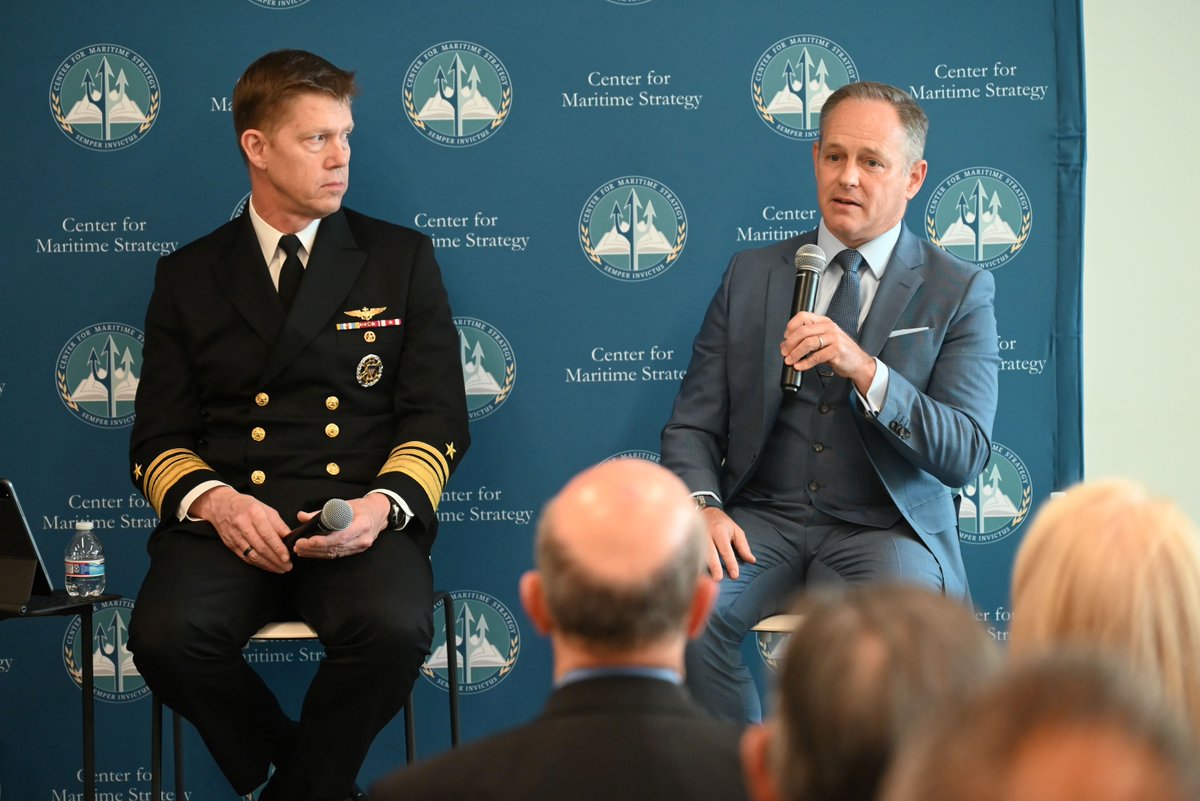
The Fleet We Have and the Fleet We Need: VADM Mike Wosje (N9), @USNavy, RADM Michael “Buzz” Donnelly (Ret.) of @HIIndustries and @brentdsadler of @Heritage assessed today’s Navy against the challenges ahead, moderated by Gordon Jaquith from @CNA_org. #AFF2026#USNavy #Shipbuilding
🎧 New CNA Talks #podcast! 🎧
Joshua Tallis and Jeffrey Kucik join John Stimpson. They discuss how America’s allies and partners can help the US Navy reach its targets for the future fleet.
https://t.co/gtvXHe7xXj
Are you attending the American Society of Criminology’s Annual Meeting? CNAers from our Center for Justice Research and Innovation will present their research on topics like corrections, targeted violence, crime and clearance rates, and enhanced field training programs. Don’t miss the opportunity to learn from the best in the business!
Are the highest-risk officers using police department wellness programs?
Jessica Dockstader finds that programs designed to help personnel with the most severe psychological and physical health challenges are not reliably reaching them.
Other key takeaways:
Officers and staff with the most severe psychological and physical health challenges use mental health and mentorship wellness programs at the same rates as the healthiest personnel, despite having the greatest need.
Survey responses from personnel across nine agencies found high overall wellness program use (76 percent), but participation patterns reveal that those who need help most are not the primary users of targeted services.
Read the brief here: https://t.co/NP07IbBRQS
📷 How do body-worn cameras influence officer and civilian behavior?
In a controlled randomized trial with the Las Vegas Metropolitan Police Department, CNA’s Chip Coldren found that they can meaningfully reduce complaints and use of force. They also speed the resolution of internal investigations and appear to increase enforcement activity.
Read the brief here: https://t.co/2Tssy6zZ4T
Read more of our #JusticeInsightsAtCNA: https://t.co/kY9Uvhc2OF
CNA’s Dr. David Finkelstein examines the potential for conflict over Taiwan. In the paper he argues that the factors that have underwritten a fragile stability across the Taiwan Strait for 40 years are no longer fully operative.
https://t.co/zIfsJEqFIe
What does national data show about police officer suicide rates?
CNA’s Daniel S. Lawrence, PhD and Jessica Dockstader-Hernandez, CWP find that sworn law enforcement officers died by suicide at an average rate of 21.4 per 100,000 officers per year between 2016 and 2022.
Other Key Takeaways:
Male officers had a suicide rate of 22.7 per 100,000 officers, almost double the rate of 12.7 per 100,000 among female officers.
Suicide rates peaked in 2019 at 27.5 per 100,000 officers, the highest of the seven years studied, then dropped during the COVID-19 pandemic years before settling at 21.6 in 2022.
Read the full brief here: https://t.co/QJx9fWmSMB
Read more of our #JusticeInsightsAtCNA: https://t.co/kY9Uvhc2OF
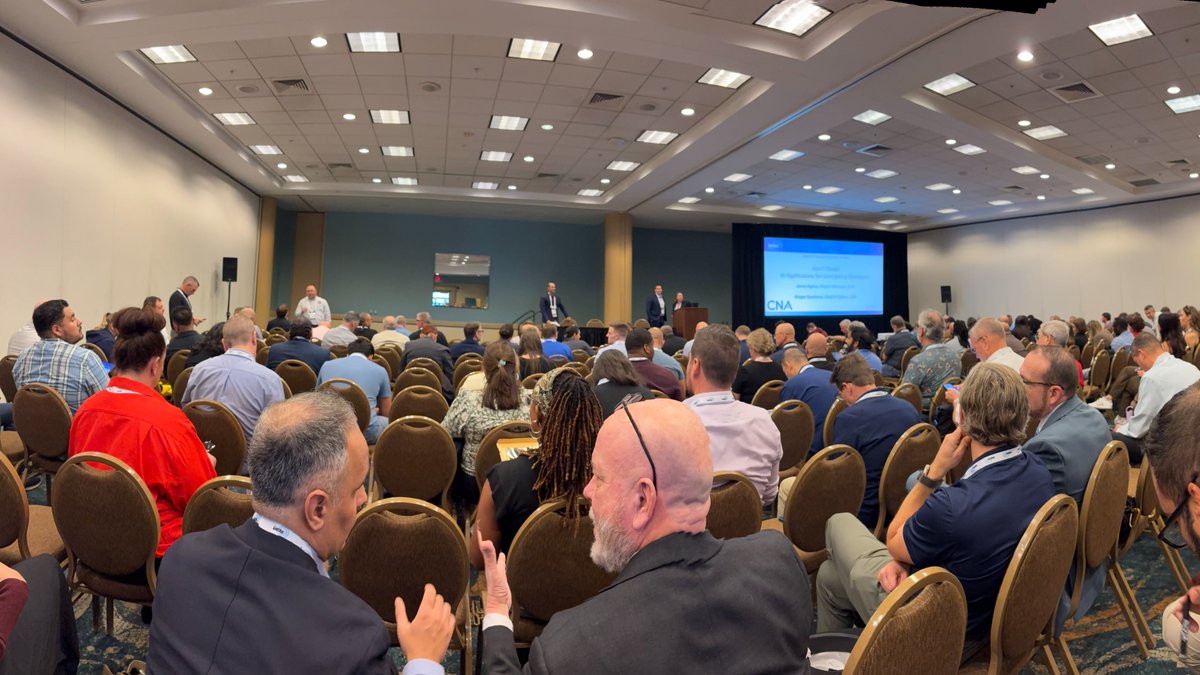
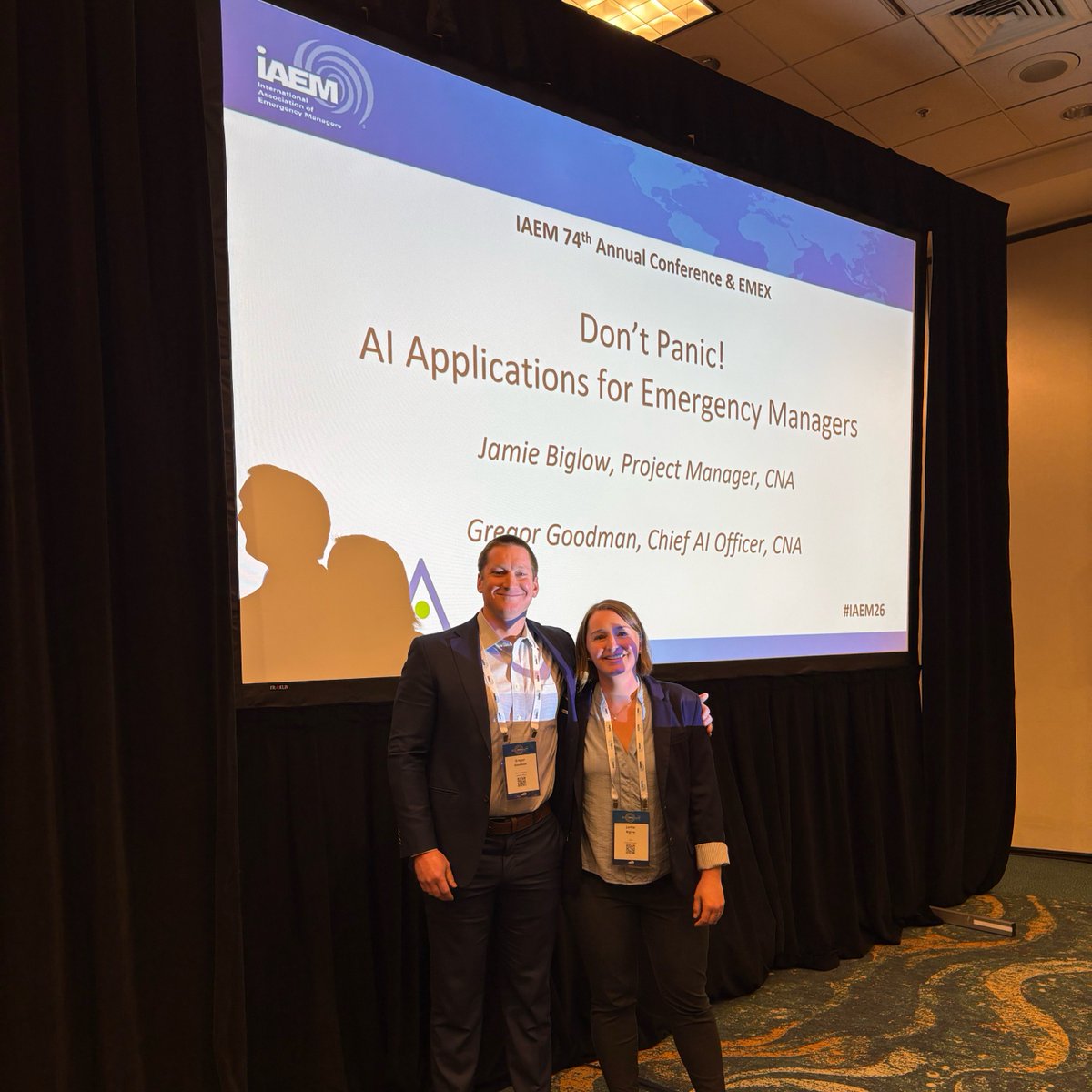
Attendees at #IAEM2026 know emergency managers are facing both an expanding mission and resource constraints.
Speaking to a crowd of over 250 people, Gregor Goodman and Jamie Biglow shared how jurisdictions responsibly integrate AI into their operations. They pointed to use cases including rapid exercise design, querying after-action reports, and stress testing plans.
📋 New CNA Research!📋
Tom Christoff, Quin Patterson, Heleana Melendez, and Melissa Janwari examine Drone as First Responder (DFR) program implementation and perceived effects at two U.S. law enforcement agencies.
Listen to our podcast on this research here: https://t.co/CmizRlpByP
Learn more here: https://t.co/xptjWYvZcn
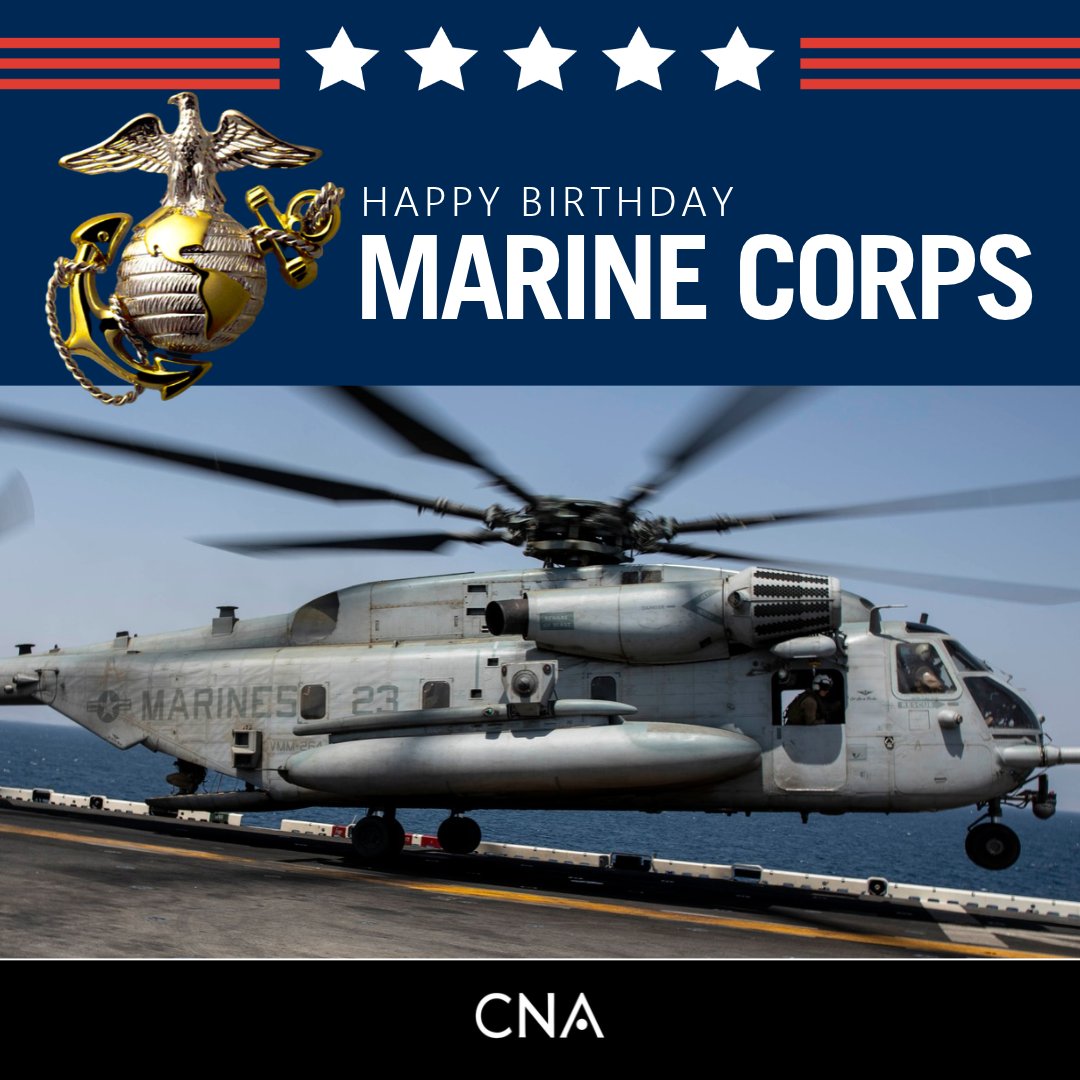
Happy 251th birthday to the United States Marine Corps! 🎉
At CNA, we are proud to support the Marine Corps by providing analytical expertise and insights that help enhance mission success and operational effectiveness. Our partnership reflects a shared commitment to excellence and dedication to serving the nation.
Join us in celebrating the legacy and future of the Marine Corps. Semper Fi!
#SemperFi #ProudToSupport #USMC #USMC251
Our Chief Research Officer Jonathan Schroden is taking part in the upcoming event “AI Under Fire: Lessons from the Use of AI in War,” organized by the @ElliottSchoolGW and Cascadia Intelligence Lab.
Dr. Schroden will discuss AI and the future of conflict with Adam Wunische, founder of Cascadia Intelligence Lab, and Nicole Errera, a research assistant at CSIS.
Register here to attend in person: https://t.co/5wo4mgejil
Save this Zoom link to watch the livestream: https://t.co/d7XDqFAlma
What Drives Wellness Among Prison Staff?
Margarita Parker, Brittany Cunningham, and Daniel Lawrence found that staff perceptions of their agency’s policies and practices were among the strongest predictors of both personal and professional wellness outcomes.
Read the brief here: https://t.co/GEGSc5hz5G
Read more of our #JusticeInsightsAtCNA: https://t.co/kY9Uvhc2OF
Other key takeaways:
Female, nonwhite, older, and more educated staff reported better wellness across several measures than their colleagues.
Staff felt safer in facilities with lower rates of misconduct and higher staff-to-incarcerated-person ratios.
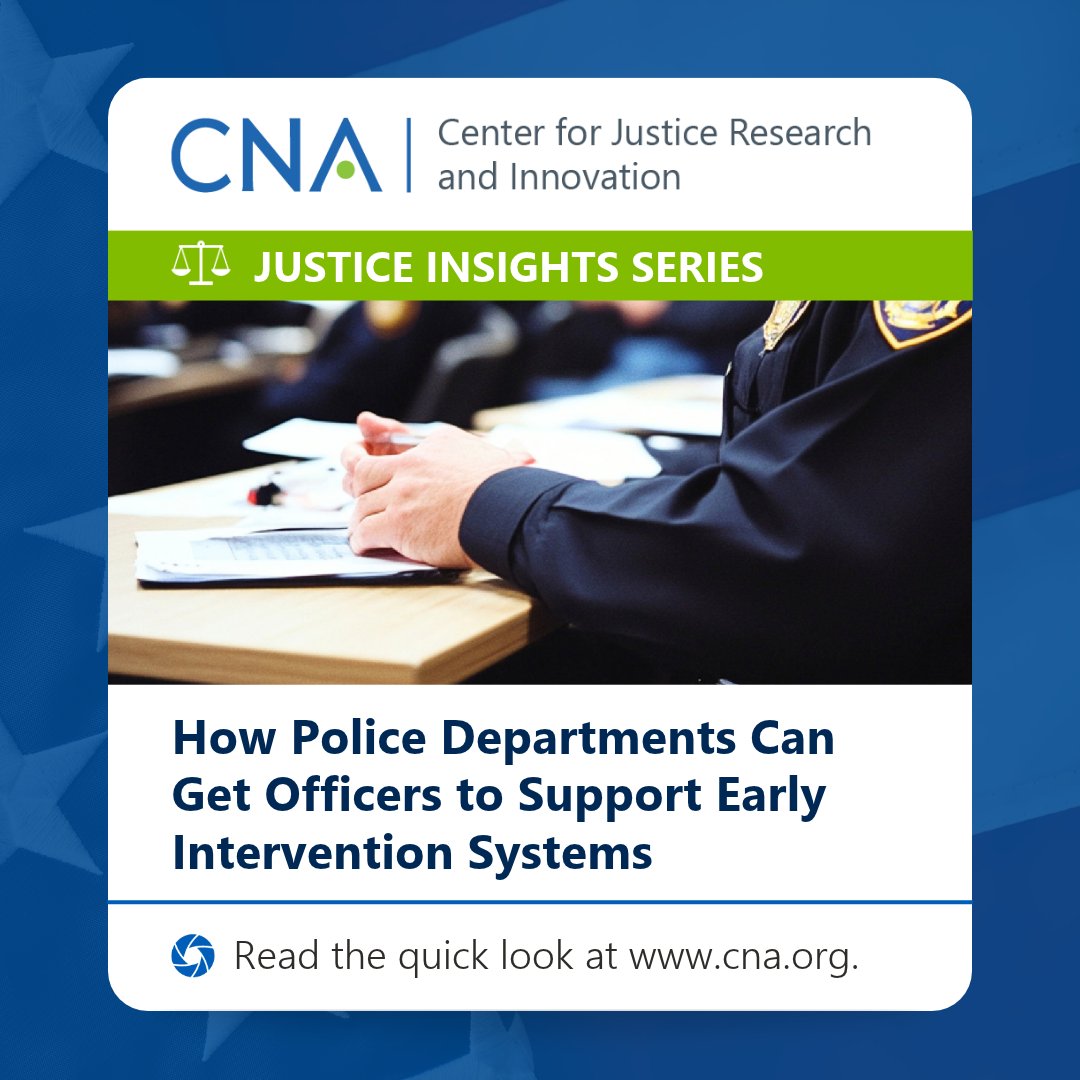
How can police departments get officer support for early intervention systems?
Early intervention systems are data-driven tools to identify officers who may show signs of problematic behavior and to offer support or corrective action before formal discipline becomes necessary. Research by CNA’s Tom Christoff and Benjamin Carleton shows that officers who see their agency’s early intervention system as a wellness tool rather than a punishment tool have significantly higher levels of support for the system.
This means that agencies can meaningfully increase officer support for EIS programs by investing in training and reframing how they communicate the system.
Read the full brief here: https://t.co/YdWm4Coerw
Explore the full #JusticeInsightsAtCNA series here: https://t.co/kY9Uvhc2OF
Simrun Sharma joins the show to discuss Semper AI; a large language model (LLM) she helped design at Modern Day Marine. She describes how unlike commercial LLMs that act as experts, Semper AI acts as a teacher by incorporating the tacit knowledge of Marines into its inputs.
https://t.co/X4P0jdqXi0
🎥 Lights, Camera, Action! 🎥
CNA’s Analyst Development Group is a two-year training program where new analysts meet weekly with more experienced analysts to learn about the Navy, the Marine Corps, and the first-class analytical processes CNA uses to support our sponsors.
The Department of War is developing a plan to partner with allies to build and deliver foreign-designed ships. In anticipation of the November deadline for this review, CNA’s Carita Reid and Darlene Onuorah examined two of the more likely ships for US Navy use: the Japanese Mogami-class and South Korean Chungnam-class frigates.
https://t.co/PG3AGpt3k8