🌱 Curious about plant-based milks?
🥛 During National Soy Foods Month, find out what they are, how they compare to cow's milk, and how to choose the right one for you based on your nutrient needs!
#eatright#nutrition
https://t.co/T0DKxjCo5W
The second Solar Term, #RainWater reflects not just a change in weather, but a shift at the dining table, as damp soil and warming air coax bamboo shoots to sprout and nature's rhythm quietly spreads into the kitchen. #China https://t.co/IsXCooRYHs
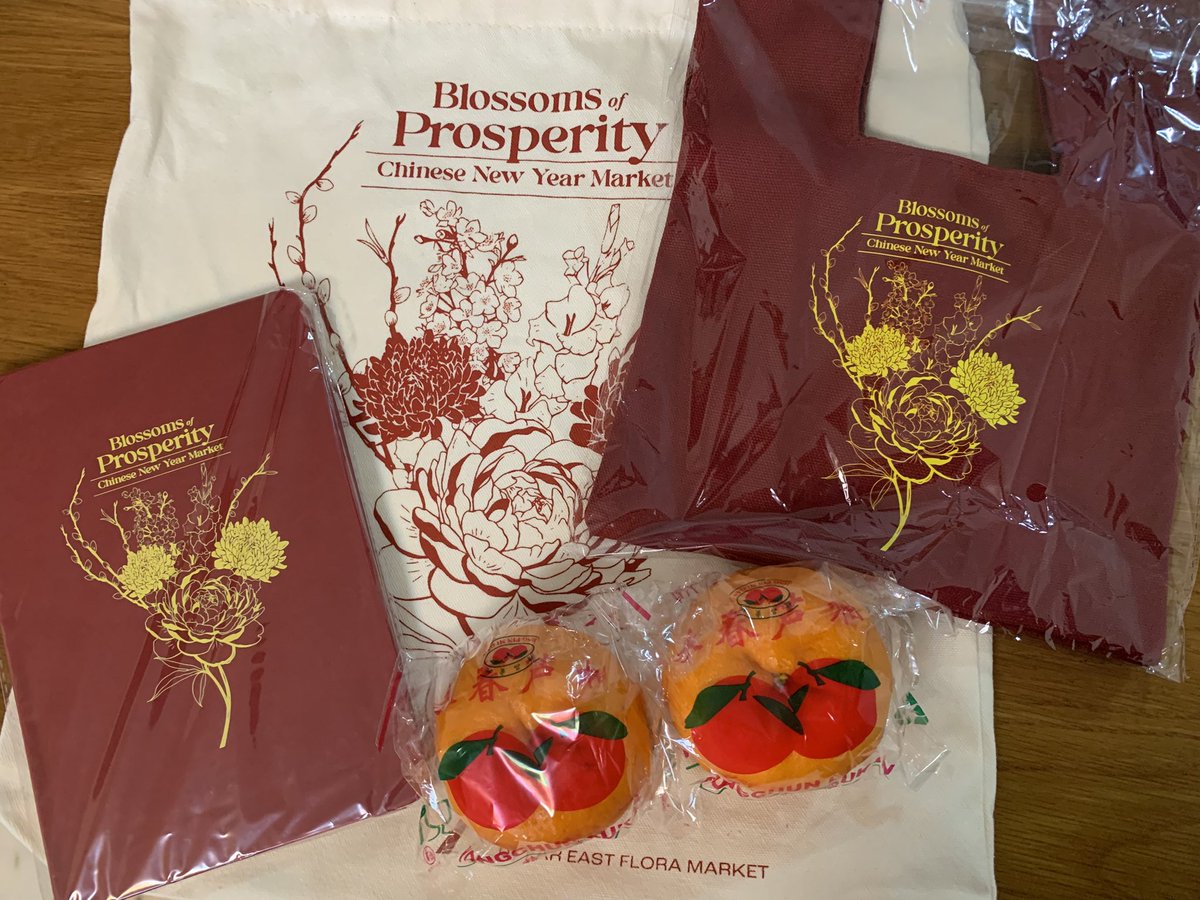
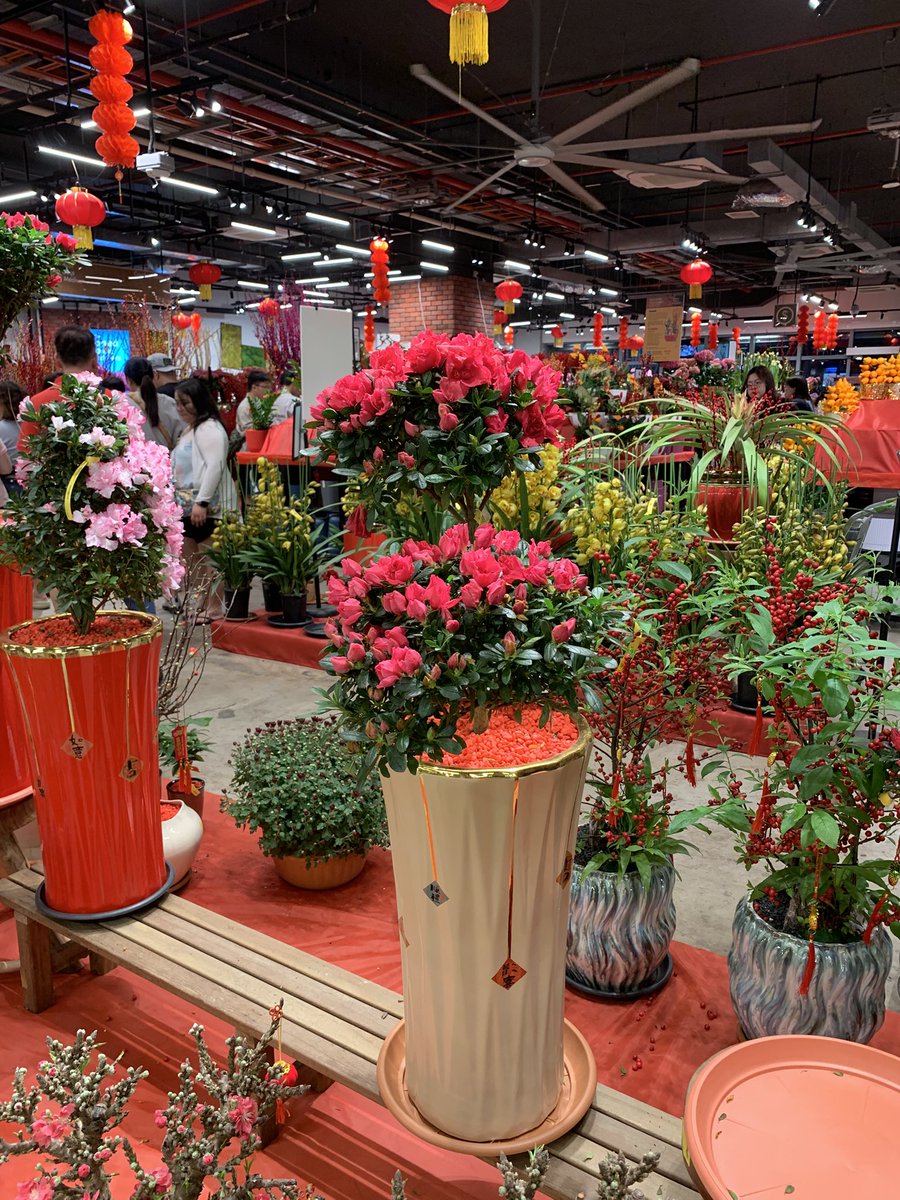
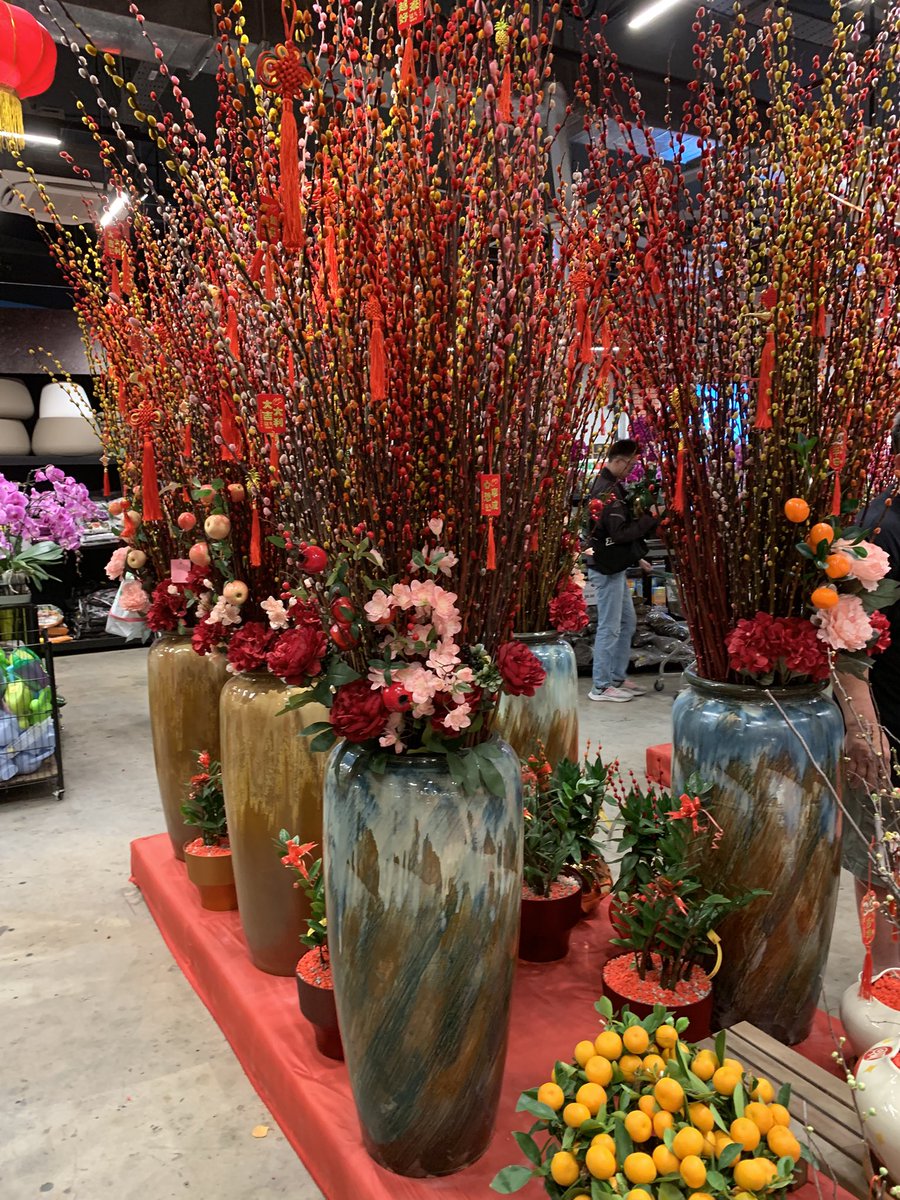
The blossom of a thousand flowers, the blooming of prosperities.
Thanks @SCCCI_OFFICIAL for organising the make-your-own flower bouquet at the Far East Flora! 💐🧨
Red wine and health: complicated, nuanced, and often misunderstood. Let’s clear the air. 🍷
What the evidence actually suggests:
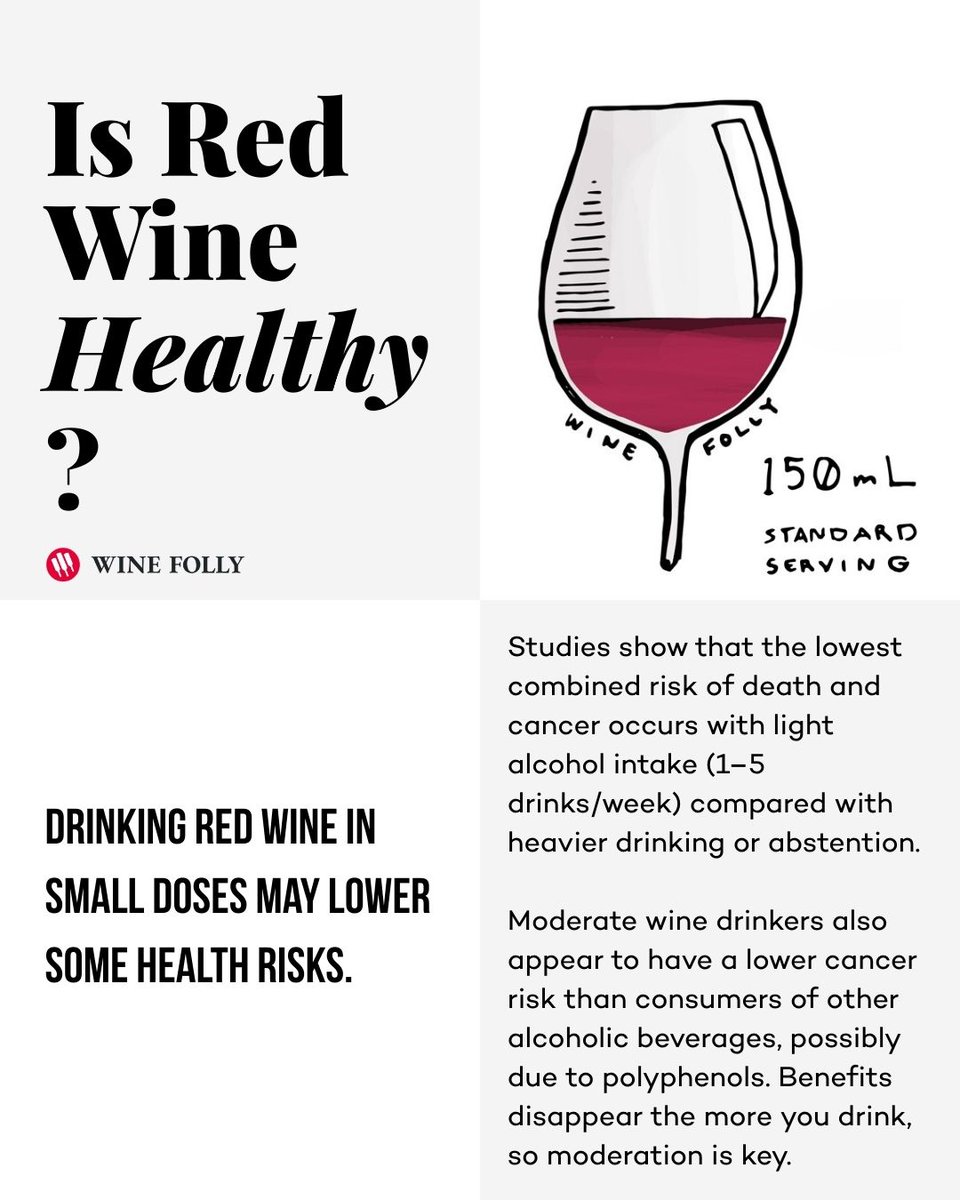
- Dose matters. Large population studies consistently show the lowest combined risk of death and cancer at light intake levels (about 1–5 drinks per week). More is not better.
- Wine ≠ alcohol in general. When researchers separate wine from beer and spirits, moderate wine drinkers often show lower long-term risk than other drinkers — or abstainers — with lifestyle context doing a lot of heavy lifting.
- Polyphenols do the interesting work. Compounds like procyanidins (a type of tannin) are linked to vascular health and cholesterol regulation. They’re also found in dark chocolate and green tea.
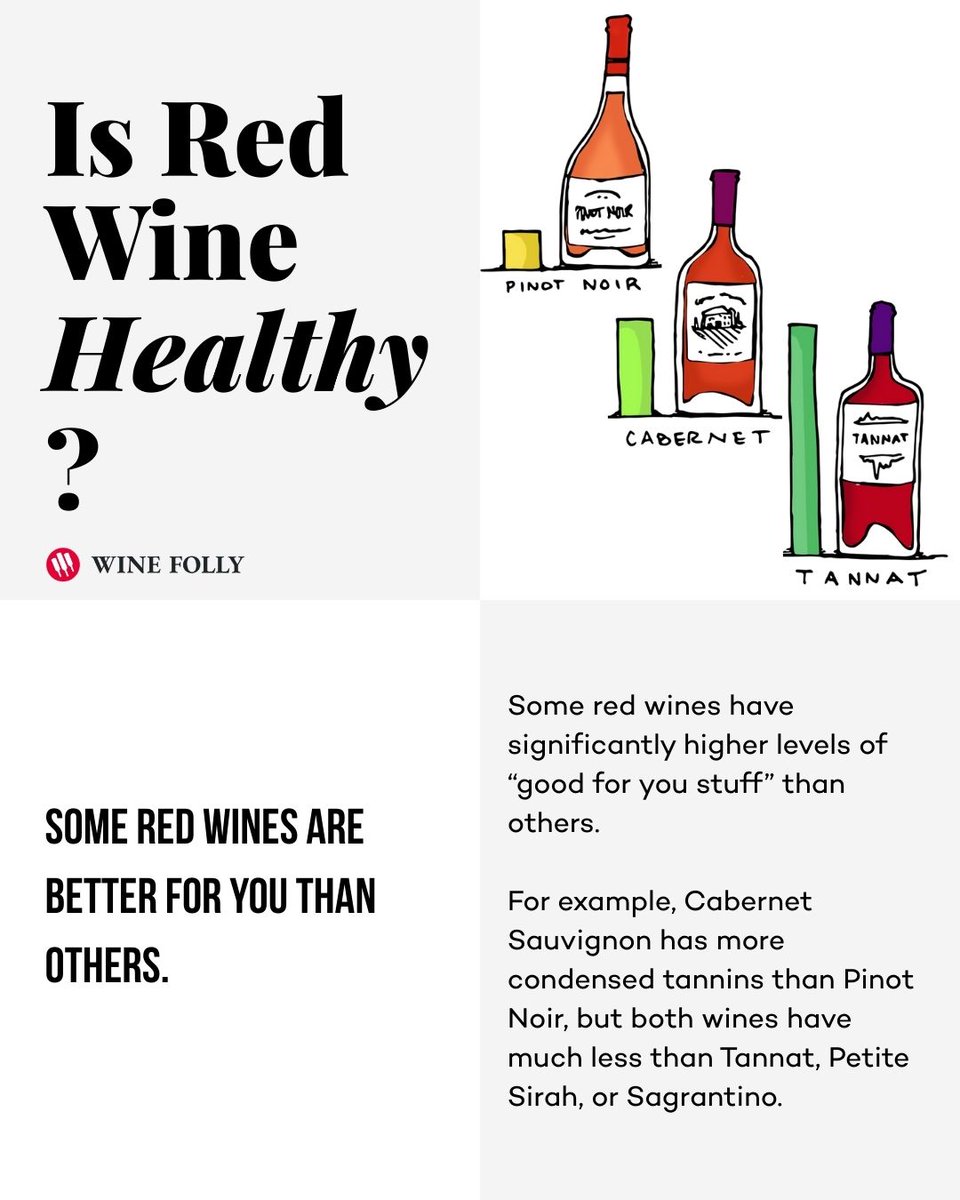
- Tannin-rich reds tend to lead the pack. Varieties like Tannat, Sagrantino, Petite Sirah, and Cabernet Sauvignon usually deliver more of these compounds than lighter reds.
- Younger reds pack more punch. Aging softens tannins through polymerization, which improves texture—but reduces the concentration of certain bioactive compounds.
- Dry beats sweet. Less residual sugar, lower alcohol, and higher structure generally align with better health outcomes.
Red wine’s potential benefits show up at low intake levels, disappear quickly with excess, and are inseparable from overall diet and lifestyle. It’s not medicine — but in moderation, it behaves very differently from a generic “alcoholic drink.”
🎯 Learn more at https://t.co/WtIceGblLE
#redwine #tannin #healthbenefits #alcohol
The Southern Rhône is more than just Grenache + sun. Each cru has its own soil, climate, and grape ratios shaping wines with unique structure, aroma, and attitude.
- Châteauneuf-du-Pape: Galets roulés store heat, Grenache dominates, but up to 13 varieties can show up. Full-bodied, complex, and endlessly blendable.
- Gigondas: Steep Dentelles slopes give cooler nights. Grenache-led with Syrah and Mourvèdre for structure. Rocky limestone adds backbone.
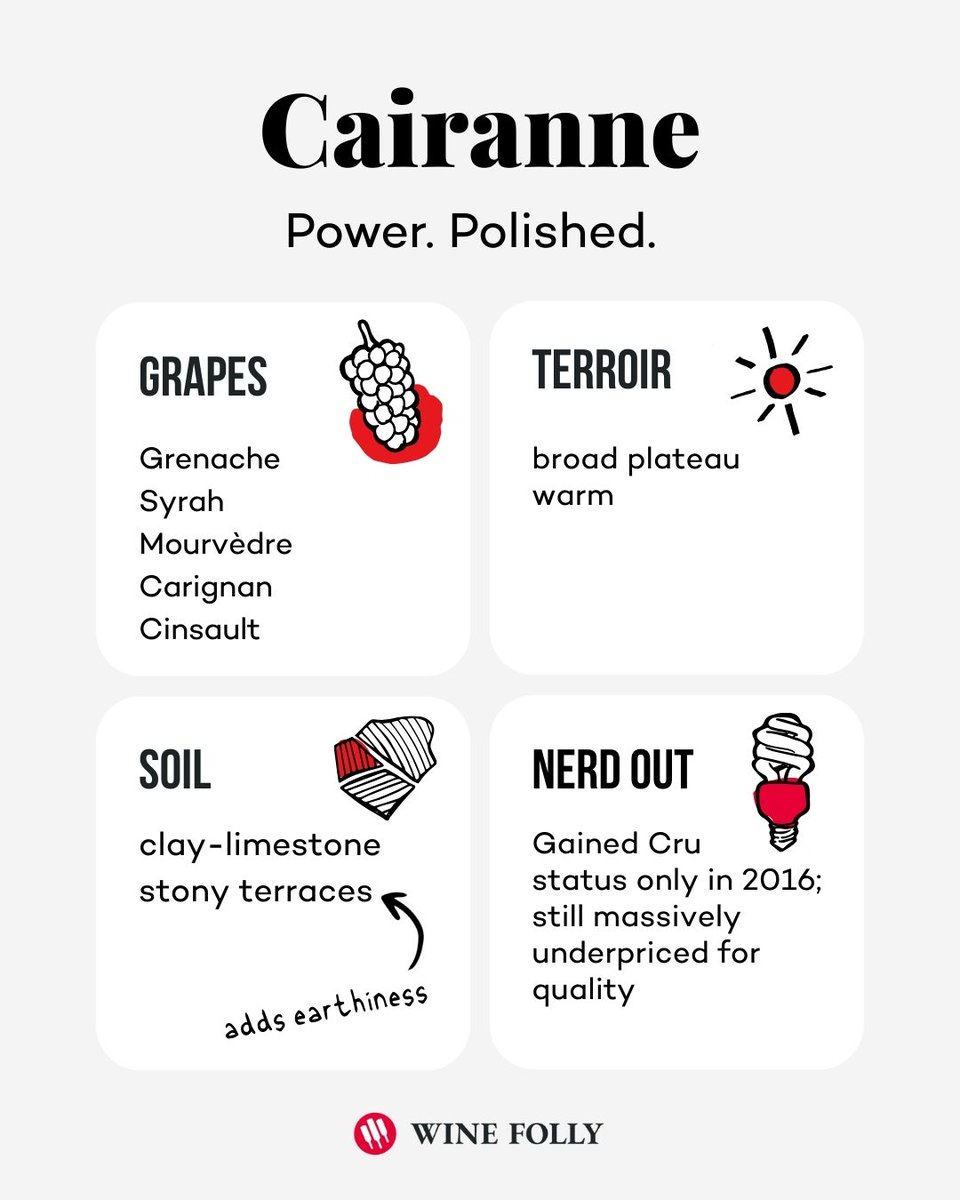
- Cairanne: Clay-limestone soils hold moisture in the Mediterranean heat. Grenache, Syrah, Mourvèdre blends with polished power.
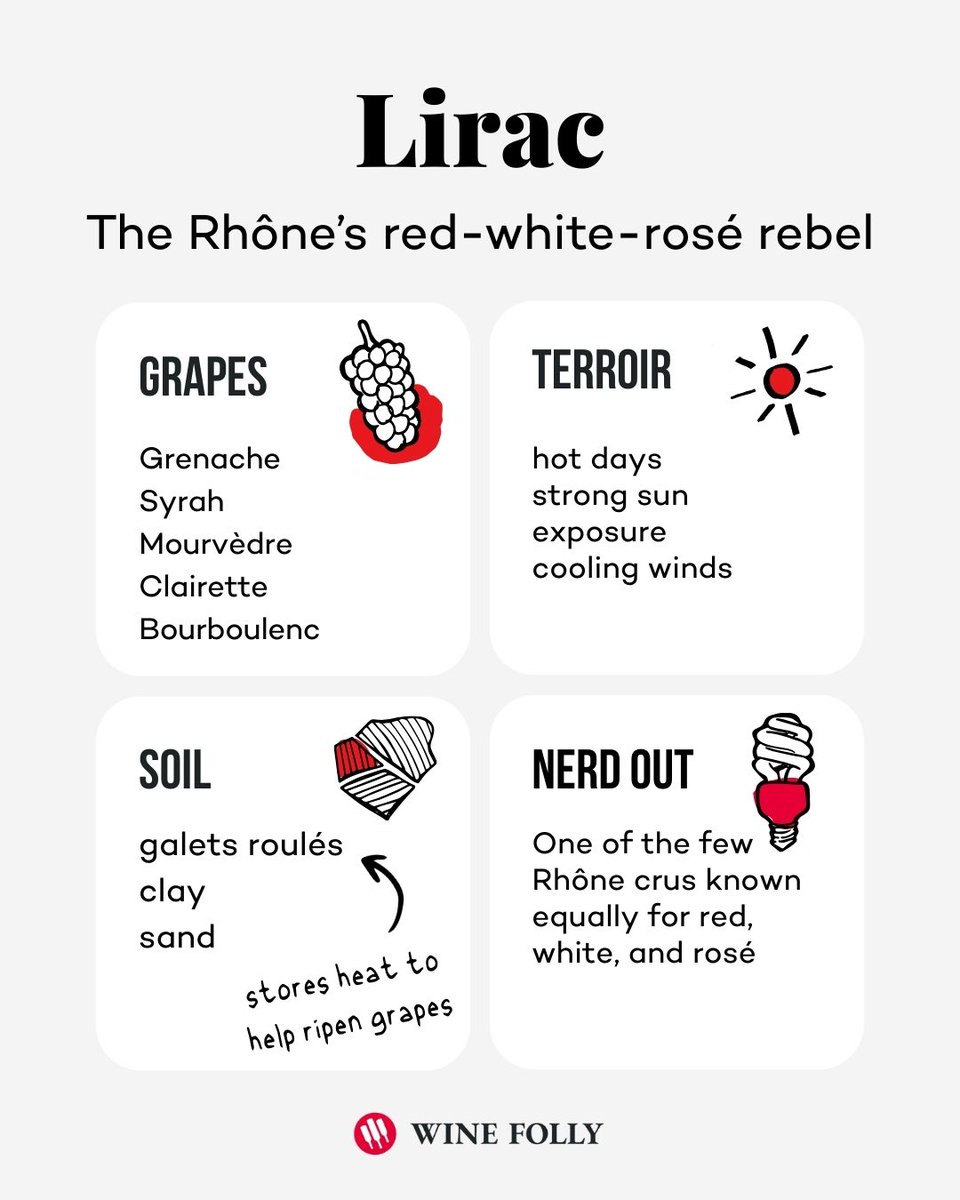
- Lirac: Galets roulés over clay and sand store sun warmth. Red, white, or rosé, all deliver intense flavor.
- Rasteau: Dry reds with clay-limestone and scree soils. Heat plus drainage = concentrated, structured wines.
- Tavel: The rosé-only superstar. Sandy limestone + galets roulés keep wines crisp and aromatic under hot sun.
- Vacqueyras: Warm but tempered by mistral winds. Clay-limestone soils give rustic depth and approachable structure.
- Vinsobres: Northern elevation + limestone/marl soils favor Syrah structure and spice. Cooler nights = freshness.
🎯 Learn more at https://t.co/wIH6KIUcTN
#rhonevalley #rhonewines #cruwine #southernrhone #chateauneufdupape