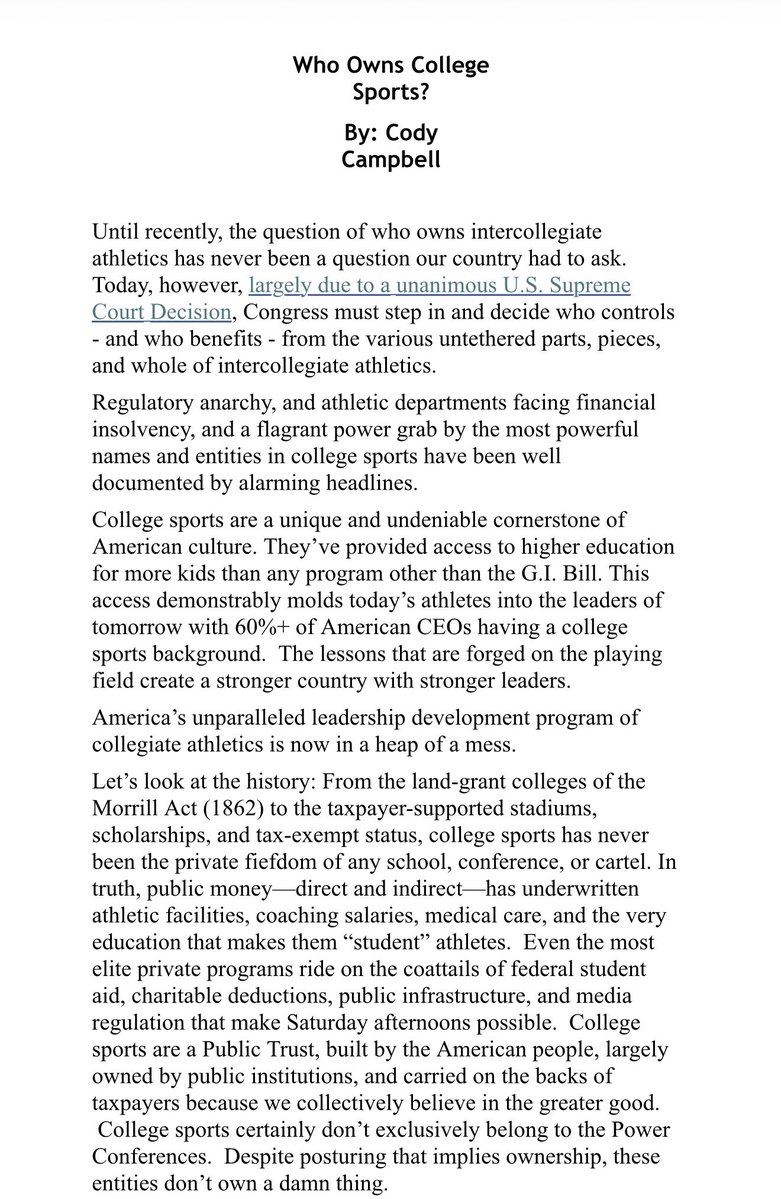
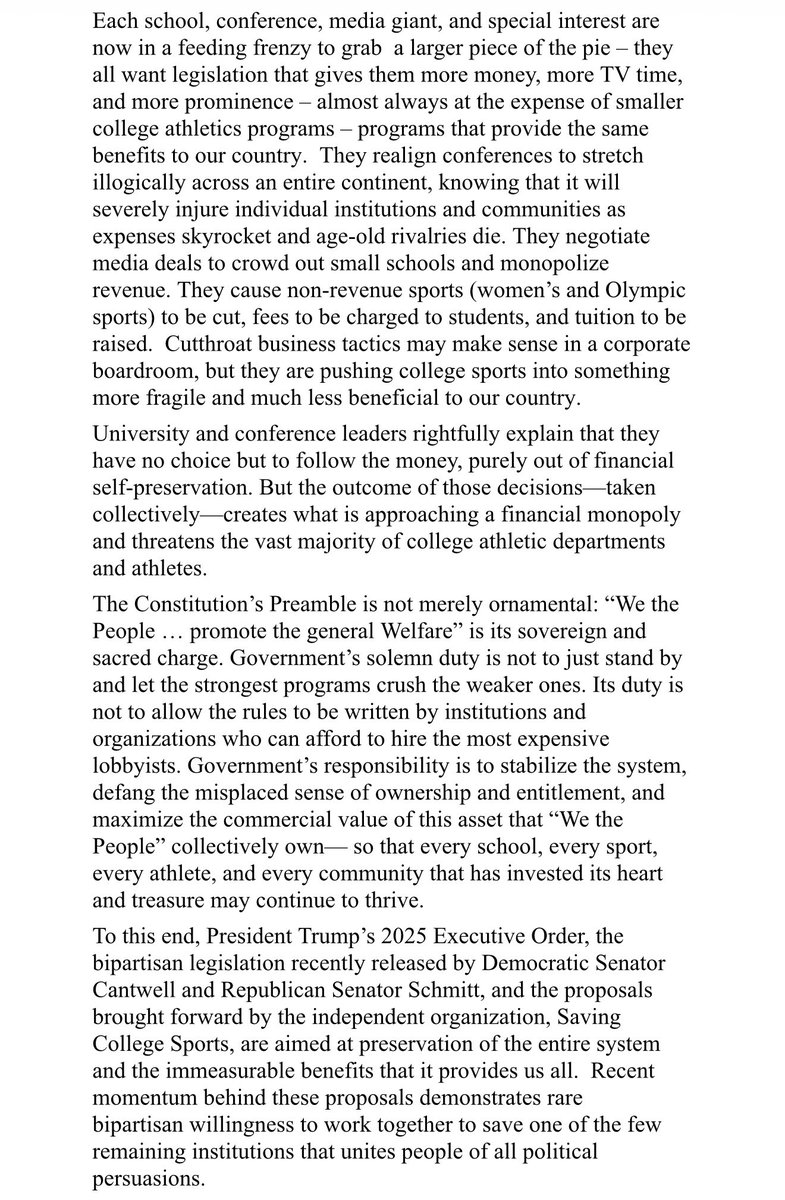
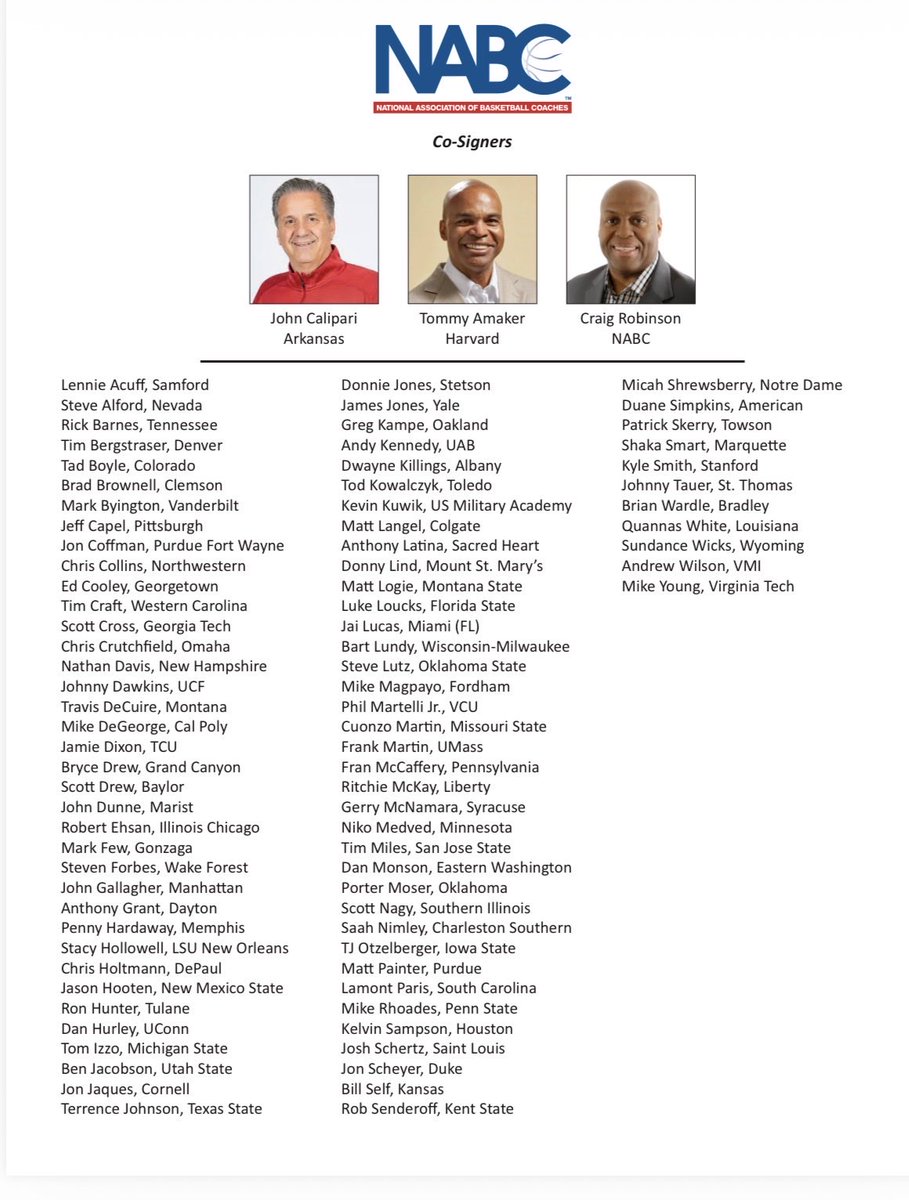
This op-ed was published Friday in @USAToday, and establishes a critical perspective on College Sports reform, and should be guide the outcome of any solution that emerges.
College sports are important to the entire country, and owned by the American Public - not by any individual, a single institution or by special interests. We should fully focus on preservation of all the sports, all of the school, and protection of all the athletes and communities to which they matter deeply.
“He and I agreed that the future of college sports is headed in the wrong direction.”
In the next breath, Grasso voiced Michigan’s objections to the Protect College Sports Act, a bill that is intended to address those very problems. While acknowledging that college sports are in “dire need of clarity and equitable reform,” Grasso echoed the stance of the Big Ten and the SEC, which do not support the legislation….”
“By now, it should be obvious that “equitable reform” and “competitive advantage” don’t fit neatly in the same box. In trying to have it both ways, leaders in college sports sound a lot like St. Augustine: God, grant me chastity, but just not yet.”
https://t.co/VyZQo2bSVy
“Institutions cannot control court rulings, legal strategies or judicial outcomes,” Mohajir continued. “What we can control is playing time and the standards we set for participation in our programs.”
- Terry Mohajir, UCF Athletic Director, June 9 2026
@ute111111@TerryMohajirAD@UCF_Football We have no beef with Utah, brother. You have a great brand, we have a ton of respect for your programs and university, and respect the level of competition, passion, and commitment to competitiveness that you’ve brought to the Big 12.
This has been a known fact since the original language was released. In fact @GregSankey was quoted (I’m paraphrasing) as saying “We don’t want a Super League. We already have a Super League”. Why is this a problem? Or is it a problem? Shouldn’t be…
Let’s go!! This is a huge step forward and a great day for College Sports! Thank you to @tedcruz@SenatorCantwell@Eric_Schmitt@ChrisCoons and everyone who worked so hard to get the first ever viable college sports bill negotiated and through committee!
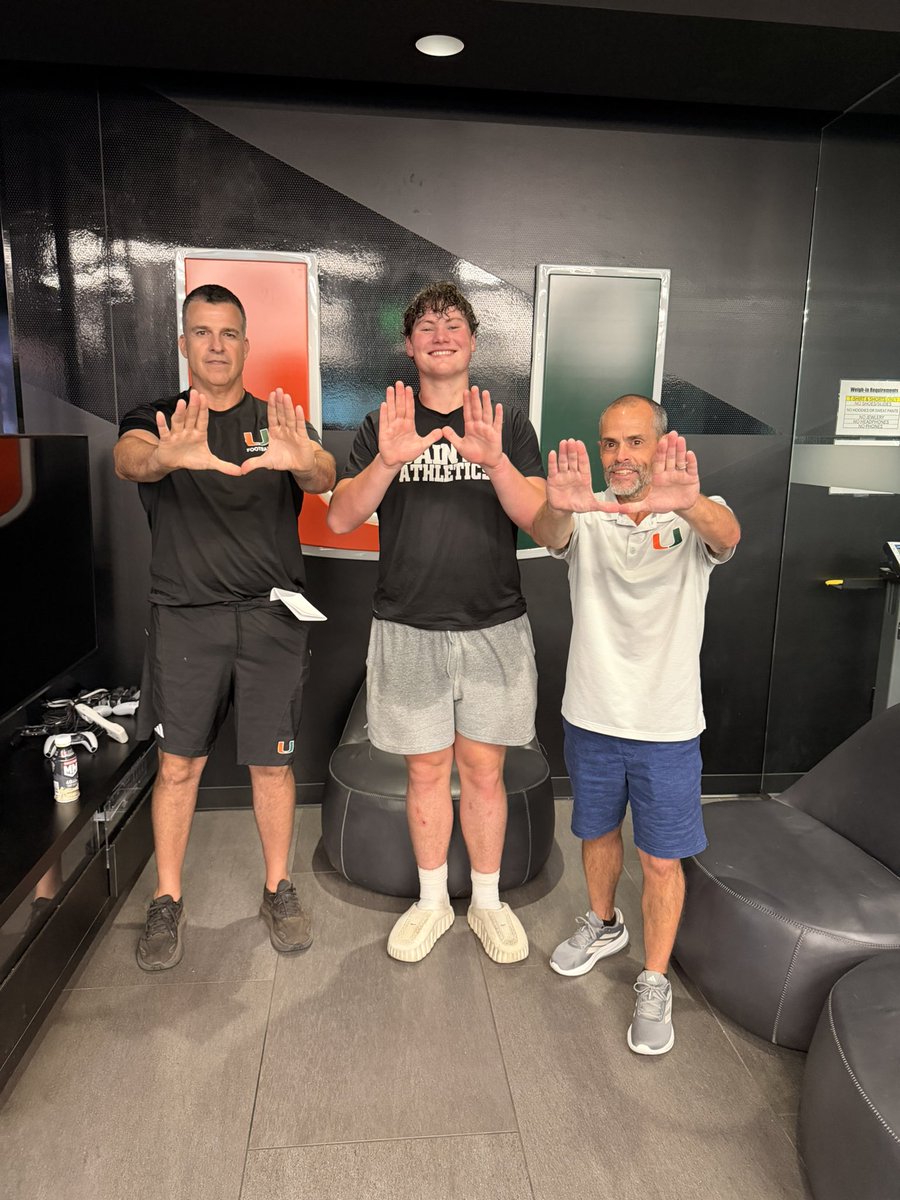
Campbell, who is having an awesome camp at Miami, is the son of Texas Tech booster Cody Campbell.
The younger Campbell is going to play major P4 football.
Texas litigator here. Unless and until the Amarillo Court of Appeals or the Texas Supreme Court stays or dissolves the valid temporary injunction obtained by Brandon Sorsby, Texas Tech would be well within its right to take legal action against any entity—the Big XII Conference, the CFP, other universities—that attempts to “punish” Tech for complying with with the controversial-but-lawful TI. Sorsby has been reinstated by a lawful order from court of competent jurisdiction, and while Tech is not obligated to play Sorsby, it currently has the right to do so. And the NCAA’s interlocutory appeal of the TI order is unlikely to be resolved prior to the end of the college football season. Against this backdrop, any organization that attempts to step in for the NCAA to exclude Sorsby is inviting a lawsuit from Sorsby and/or Tech, with Tech taking the position that it is merely complying with the TI order and that it can’t be punished for doing so.
Great post, and this is part is absolutely spot on!
“There is a difference between defending the person and defending the mistake.
Texas Tech is in an impossible spot. Deep down, they may have hoped the final ruling would remove the decision from their hands. Exhaust every option, support the player, let the process play out, and if he is ruled ineligible, accept it. That is the cleanest outcome for a program trying to balance loyalty, discipline, public pressure, and competitive integrity.”
I understand why people are uncomfortable with the Brendan Sorsby situation. Betting on sports as a college athlete is serious. Betting connected to your own team creates an obvious integrity concern. Nobody has to minimize that.
But there is another side to this that college football people should at least be honest enough to acknowledge.
When a player becomes part of your program, he becomes part of your football family. That does not mean you excuse everything. It does not mean accountability disappears. It means you do not abandon him the second the situation becomes difficult, public, or uncomfortable.
There is a difference between defending the person and defending the mistake.
Texas Tech is in an impossible spot. Deep down, they may have hoped the final ruling would remove the decision from their hands. Exhaust every option, support the player, let the process play out, and if he is ruled ineligible, accept it. That is the cleanest outcome for a program trying to balance loyalty, discipline, public pressure, and competitive integrity.
But now the court has ruled that he is legally allowed to play. That changes the structure of the decision.
If Texas Tech turns its back on him now, what message does that send to every player and family they recruit? That we will fight for you until the pressure gets too loud? That we will call you family when you are producing, but distance ourselves when standing beside you becomes inconvenient?
If I were recruiting against Texas Tech and they abandoned him after he was legally cleared to play, I would use that every time. Not because the mistake does not matter, but because trust matters. Families want to know what happens when their son is injured, struggling, accused, embarrassed, or sitting in the middle of a situation nobody wants attached to the program.
Accountability and loyalty are not opposites.
You can believe justice should be served. You can believe the integrity of the game matters. You can believe gambling violations deserve real consequence. You can also believe that a program should stand by its people through the full process, not just through the easy parts.
That is the hard part of family.
You do not only fight for your people when the optics are clean. You fight for them through the good and the bad, while still demanding accountability, treatment, discipline, and truth.
Texas Tech may not like the position it is in. Most programs would not. But once he is legally allowed to play and remains part of the Red Raider family, abandoning him strictly because of social pressure would send its own message.
And that message may be harder to overcome than the controversy itself.