• Children already remember and forget the same images as adults by age 4.
• ResMem DNN trained using adult data could be used to select memorable educational materials for young children.
Check out my preprint with @WilmaBainbridge for more details: https://t.co/CIrLX0AC6T
@vishnusreekr@WilmaBainbridge Yeah! A demo of the memorability estimator is available at https://t.co/9Nwh7TXLOG and we also have a python package under the name “resmem”.
Playing with Vision Models on a Saturday. I'm using the Dall-E playground (https://t.co/DudKw5HZp2) (set to Dall-E Mega Full) and running results through the Memorability Estimator I made with @WilmaBainbridge !
Internet Culture:
Furries: Somewhere between the two common representations.
Gamers: No (to my eye) gender bias in small sample which is interesting.
"Yeet": Too abstract
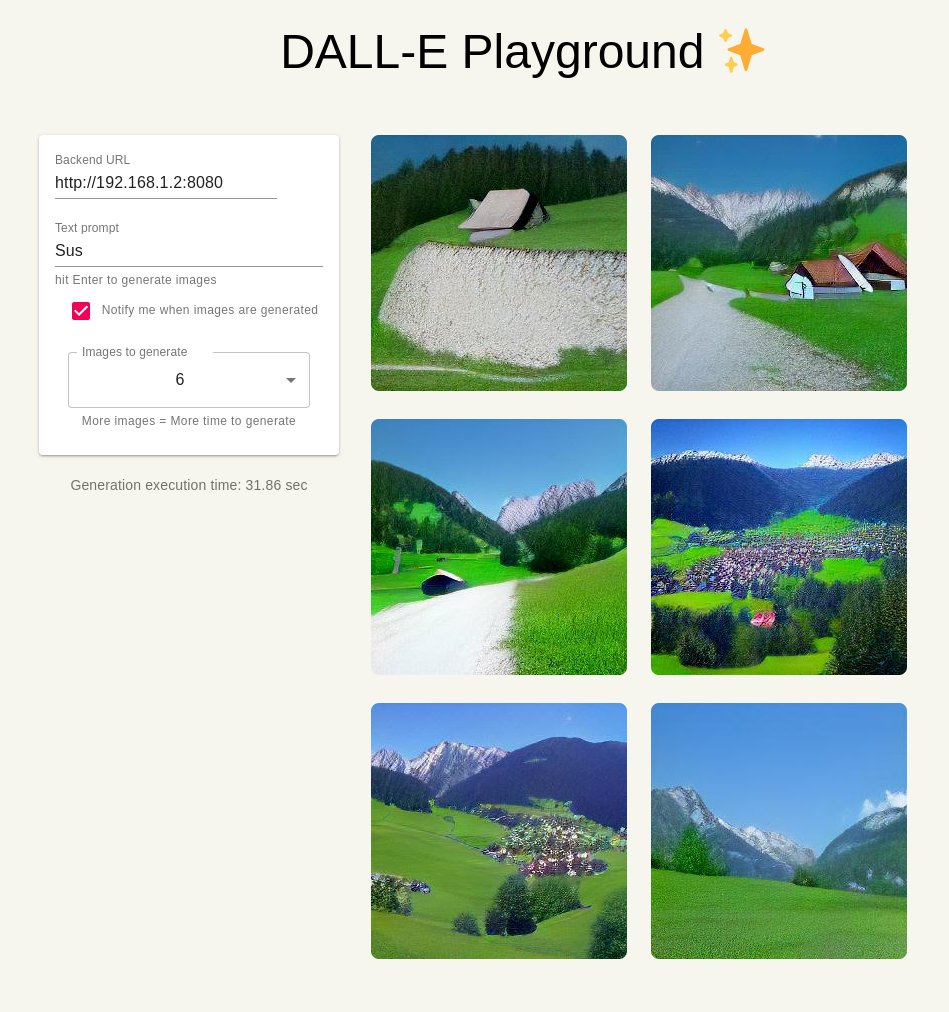
"Sus": A small town in Switzerland.
Abstractions:
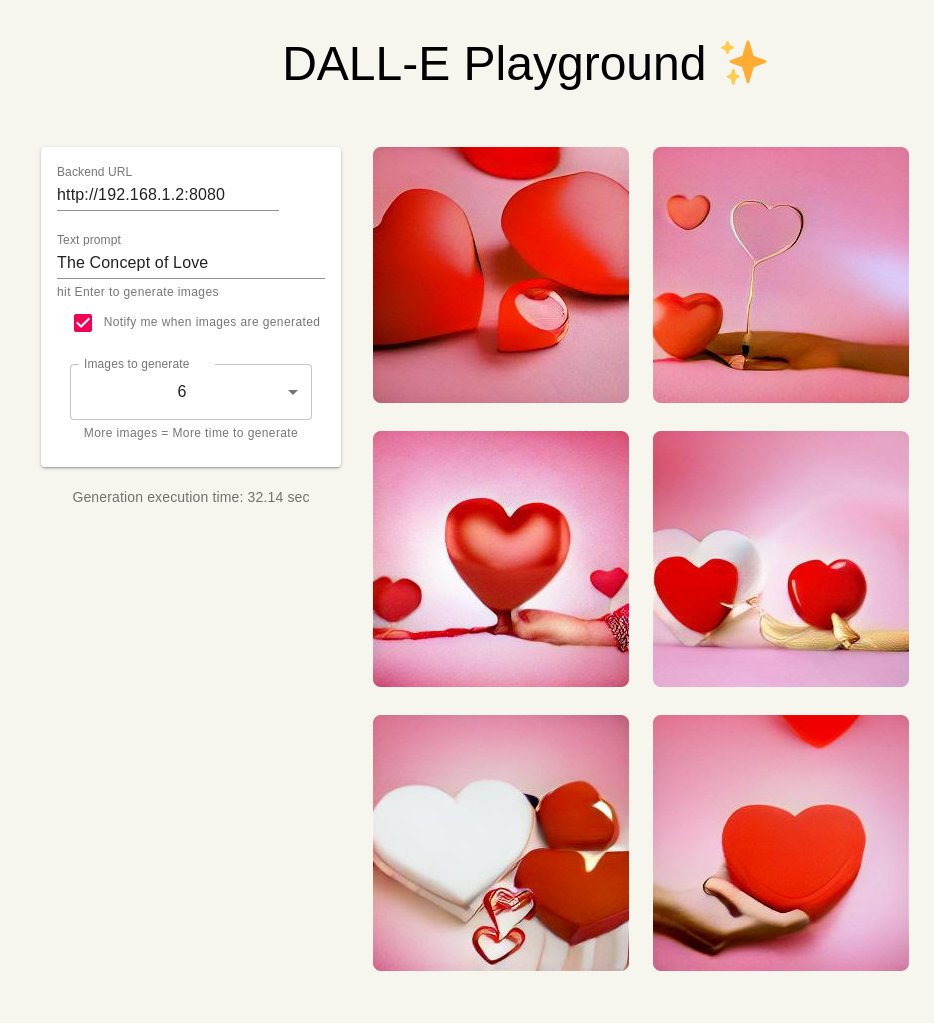
Love is... pink hearts
Piercian Semiotics are... well uh i have no idea (This is highly accurate to reality)
Wittgenstein's Lion is... a statue of a lion.
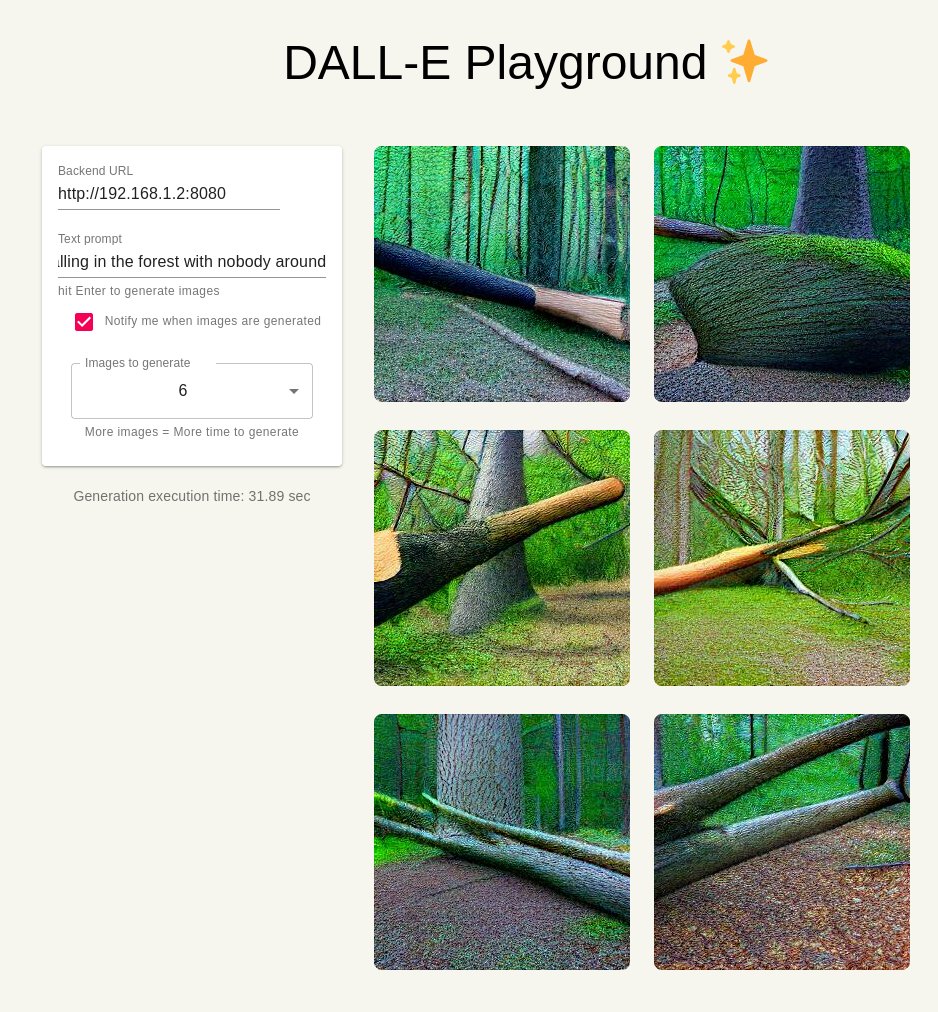
The sound of a tree falling in the forest with nobody around to hear it is... a tree which fell in the forest
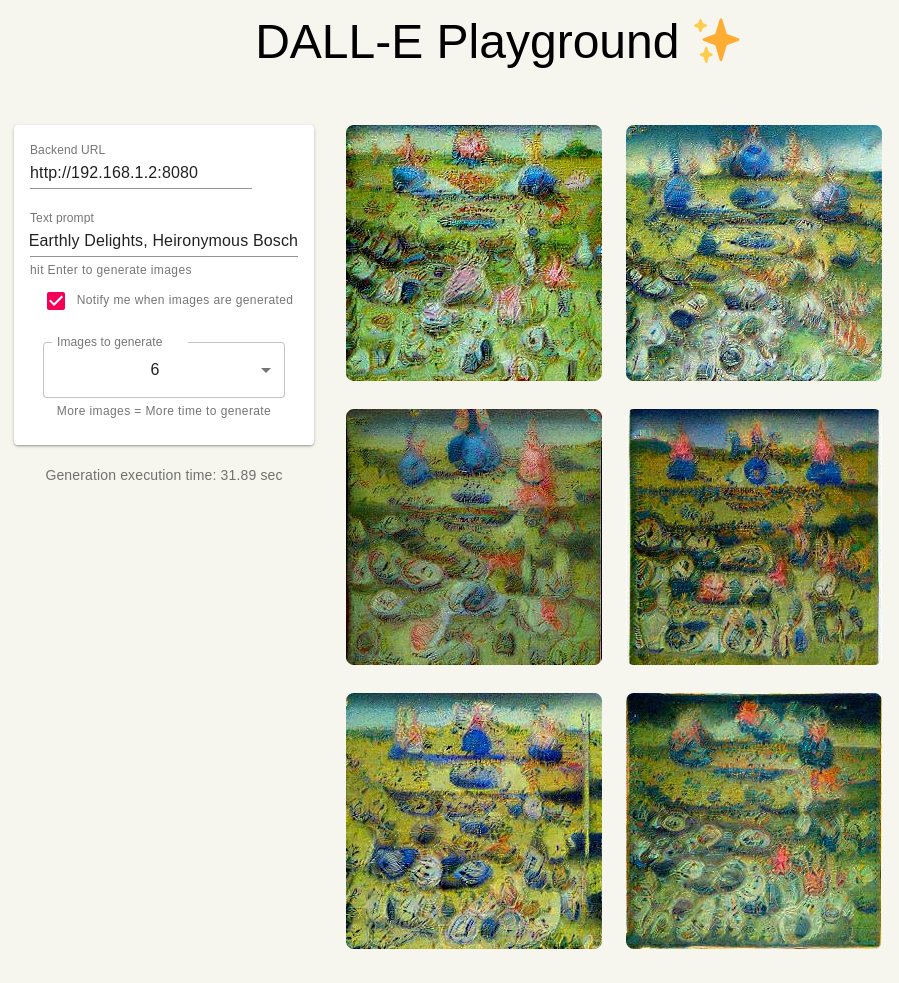
Garden of Earthly Delights: Pretty Good
Mona Lisa: Pretty good, fails on faces (fairly expected from a model of this size)
Lady with an Ermine: Holy cow what happened here?
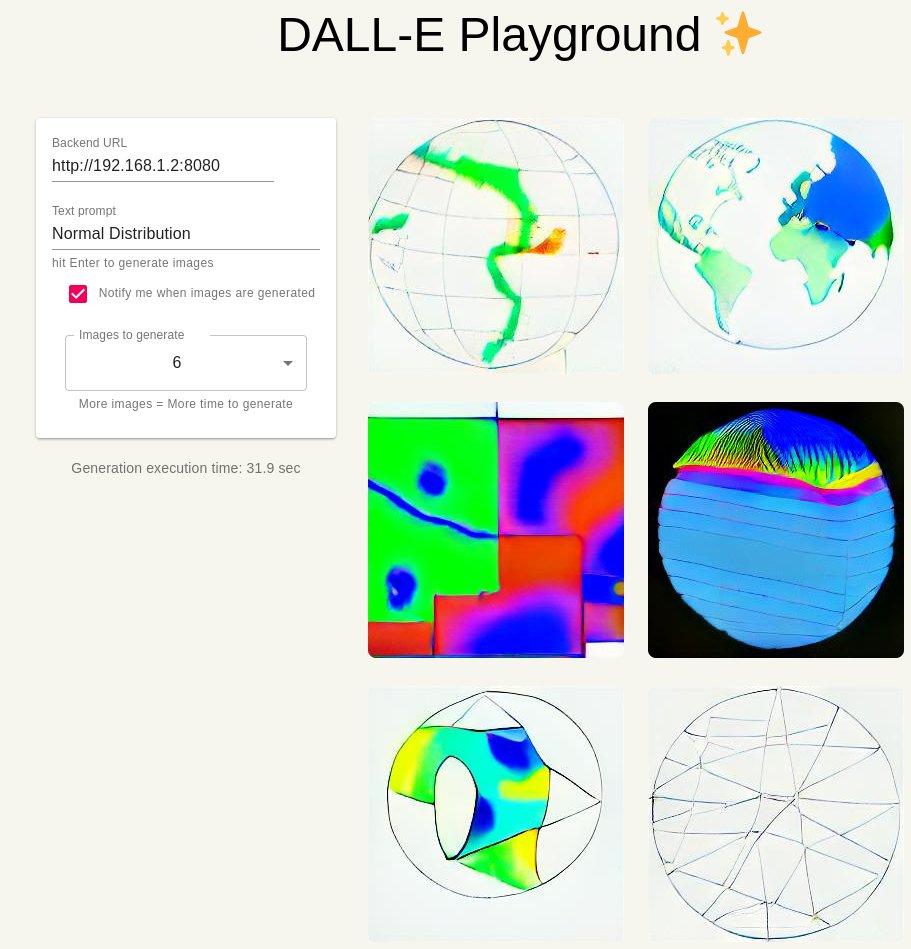
Internet Graphics: Abject Failure.
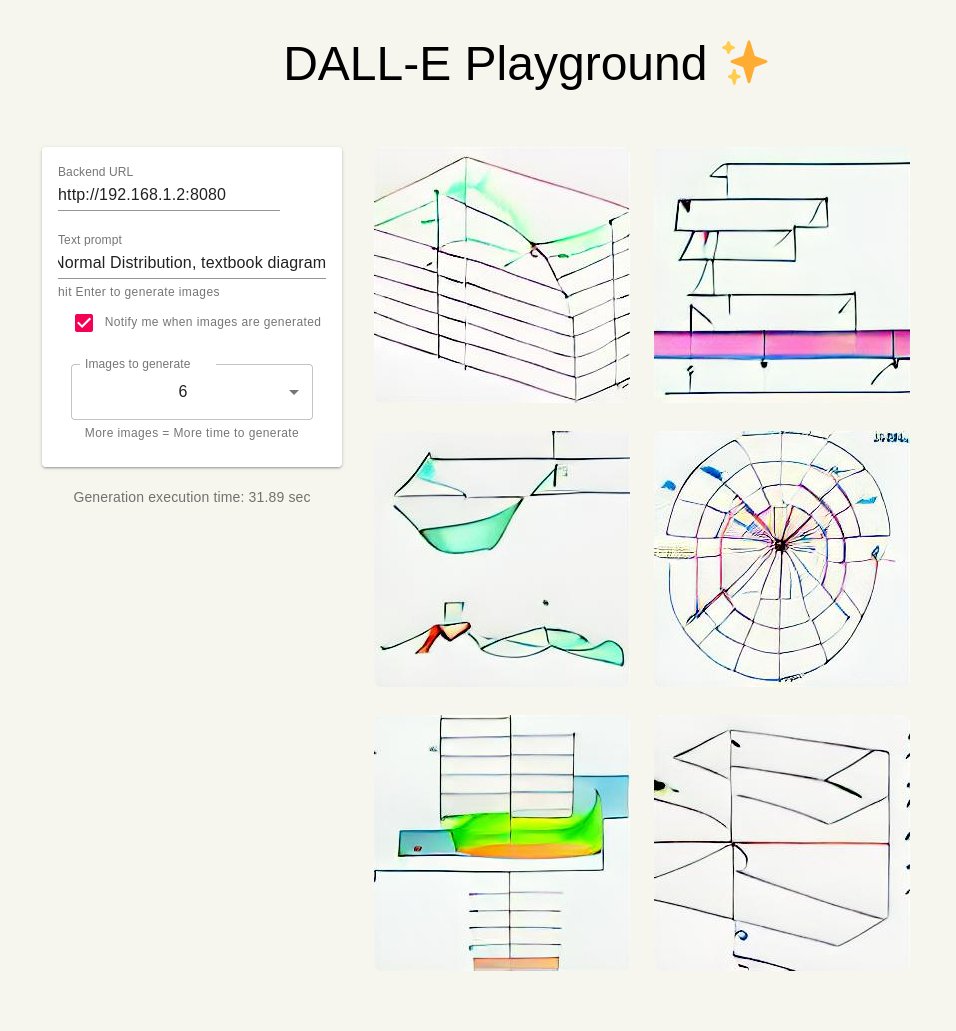
Textbook Diagram: Seems to have gotten the style right but not the content.
If Dall-E (and related models) are compendia of conceptual representations on the internet, I suspect that our work is not yet done. @dggoldst@jakehofman
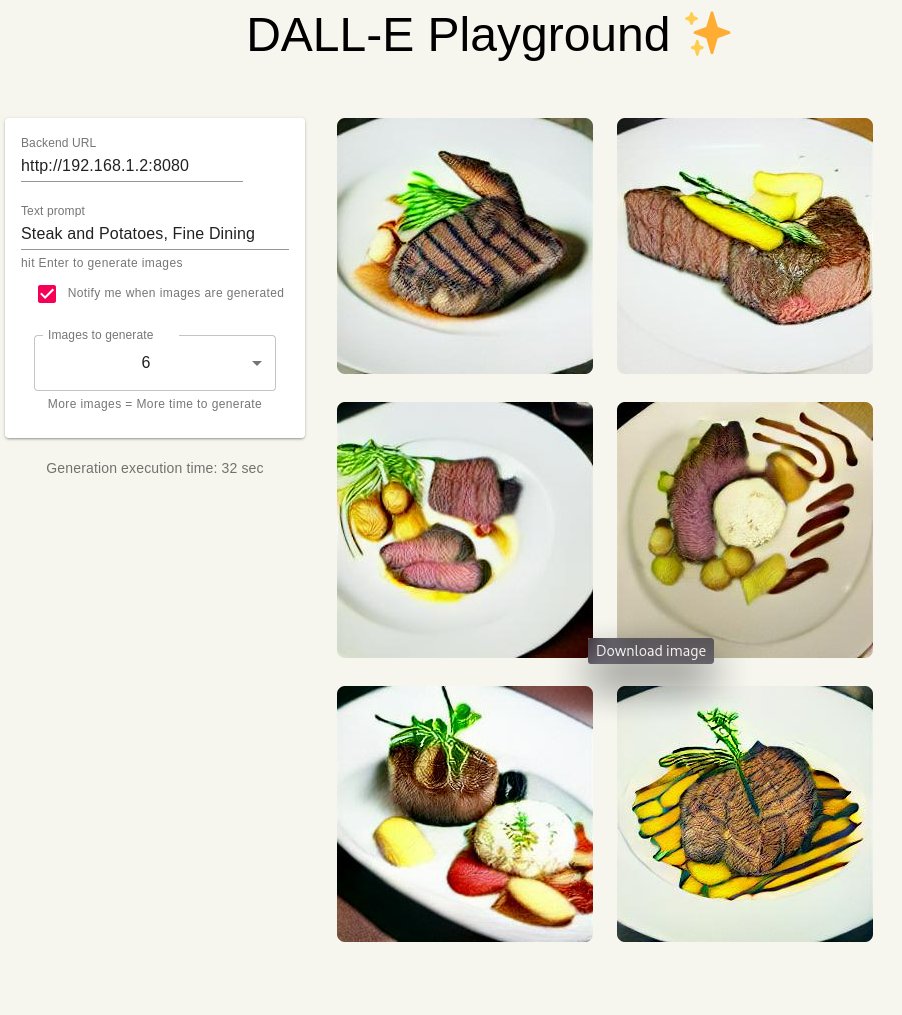
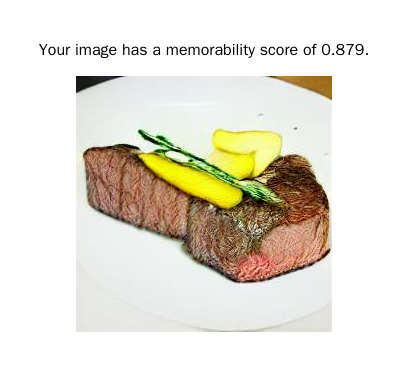
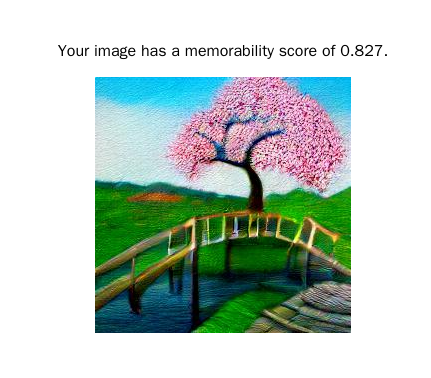
From Goetschalckx and Wagemans 2019, I recall that landscapes have low memorability and food has high memorability. (Average for ResMem in these categories is 0.8513 for Food and 0.5812 for Landscapes) https://t.co/x4oDXJdORV
https://t.co/kEZlhnmyab
My first paper has been published after a long road!
The paper is about updating deep learning for estimating image memorability, but more importantly it goes into how to use deep learning to find patterns in why people remember what they remember!
@DavMicRot@nytimes Finally, that LFPR chart is entirely inset on 80-83%, which honestly gives me the take-away that LFPR has been remarkably stable during the pandemic.
@DavMicRot@nytimes Also the long-term unemployment chart has been squeezed into a small aspect ratio, and cut off at 43%, which exaggerates apparent movement. (Resnick 2016)
@DavMicRot@nytimes I find it strange how they focused on "long-term unemployment". This has a built-in 6 month lag. The fact that it's a percent also presents this statistic as more pessimistic. The reader thinks "more people are potently jobless", the statistic is "it takes longer to find a job".
Great piece by @B_resnick in @voxdotcom on the importance of considering the memorability of our world. Features research in my lab & @AudeOliva@Chris_I_Baker@NicoleCRust. Very proud of my students @CoenNeedell & @mkpsyx for their research cited here! https://t.co/ZuOHQYD9BY