@AnushkaSharma & @imVkohli we heard a whsiper you're in our awesome city, taking in our wonderful history and modern culture. At whatever point you need re caffeinating, drop by our coffe lounge, put your feet up, sip or slurp an iced latte or a neat espresso. Welcome to London.
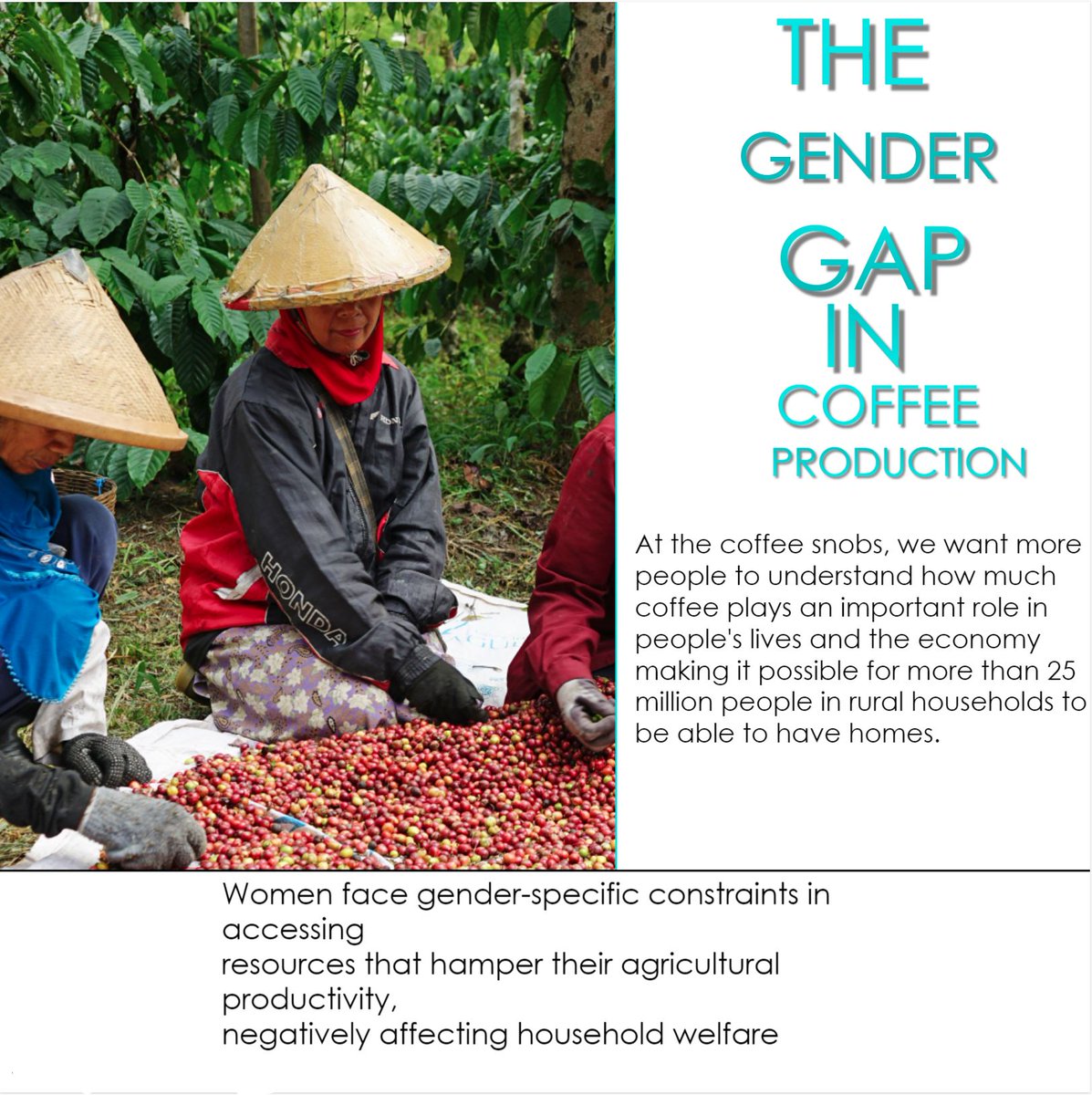
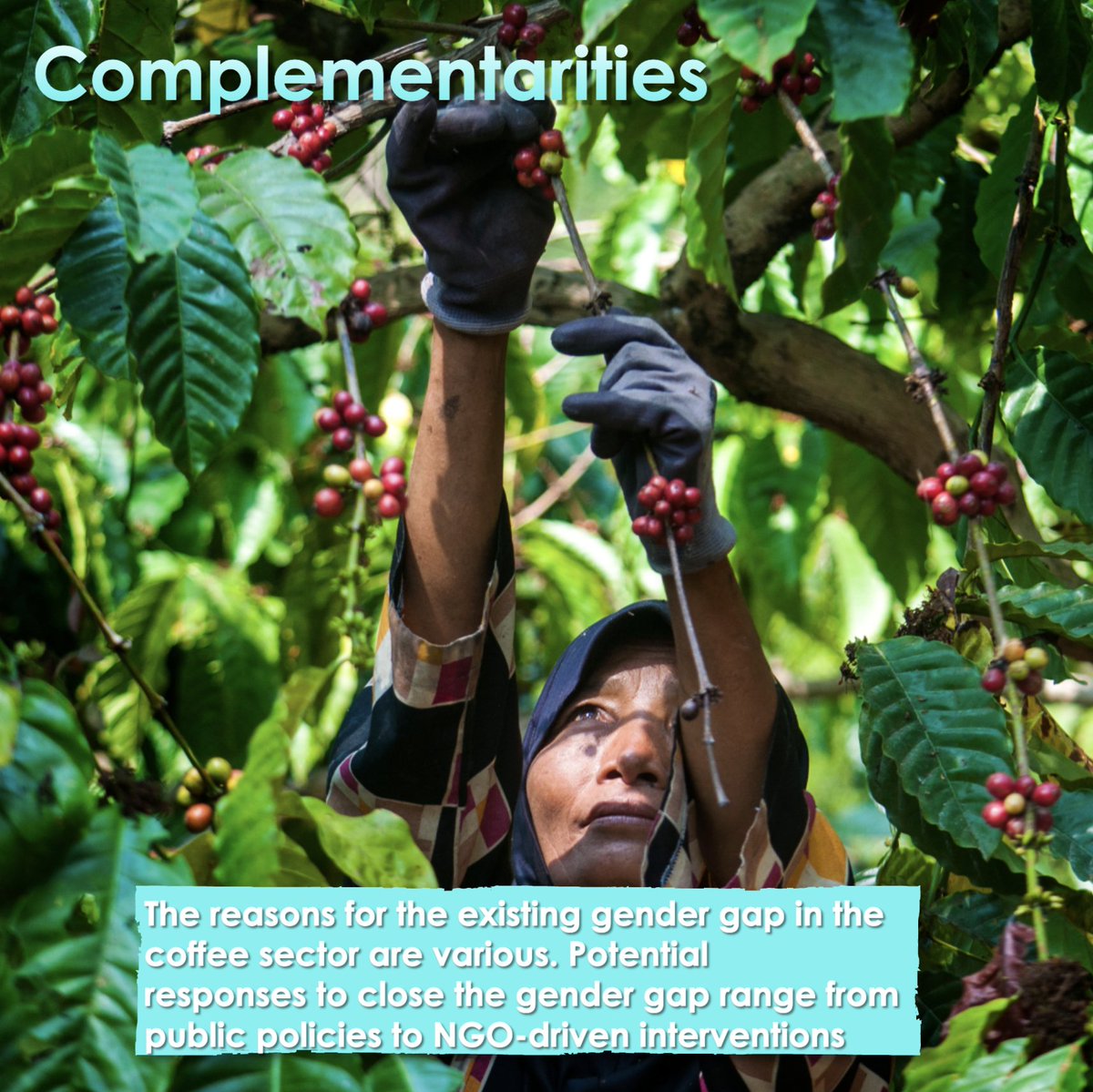
The reasons for the existing gender gap in the coffee sector are various. Potential
responses to close the gender gap range from public policies to NGO-driven interventions
and gendered supply chain policies of the coffee industry.
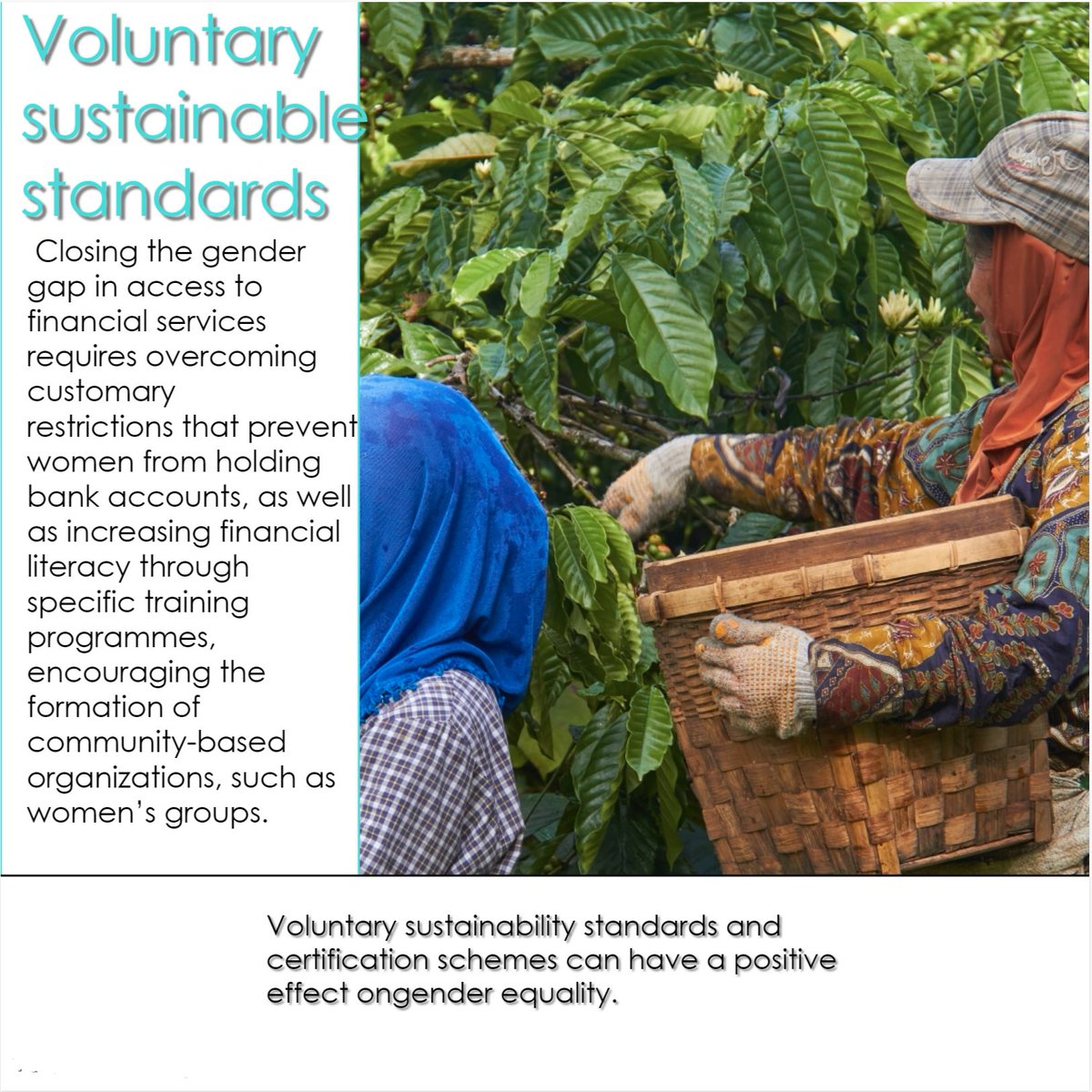
A gender sensitive approach to agricultural extension and farmer schools can address the factors limiting women’s access to information on farming techniques and new technologies.Well-designed extension programmes consider the cultural, time, mobility and educational constraints
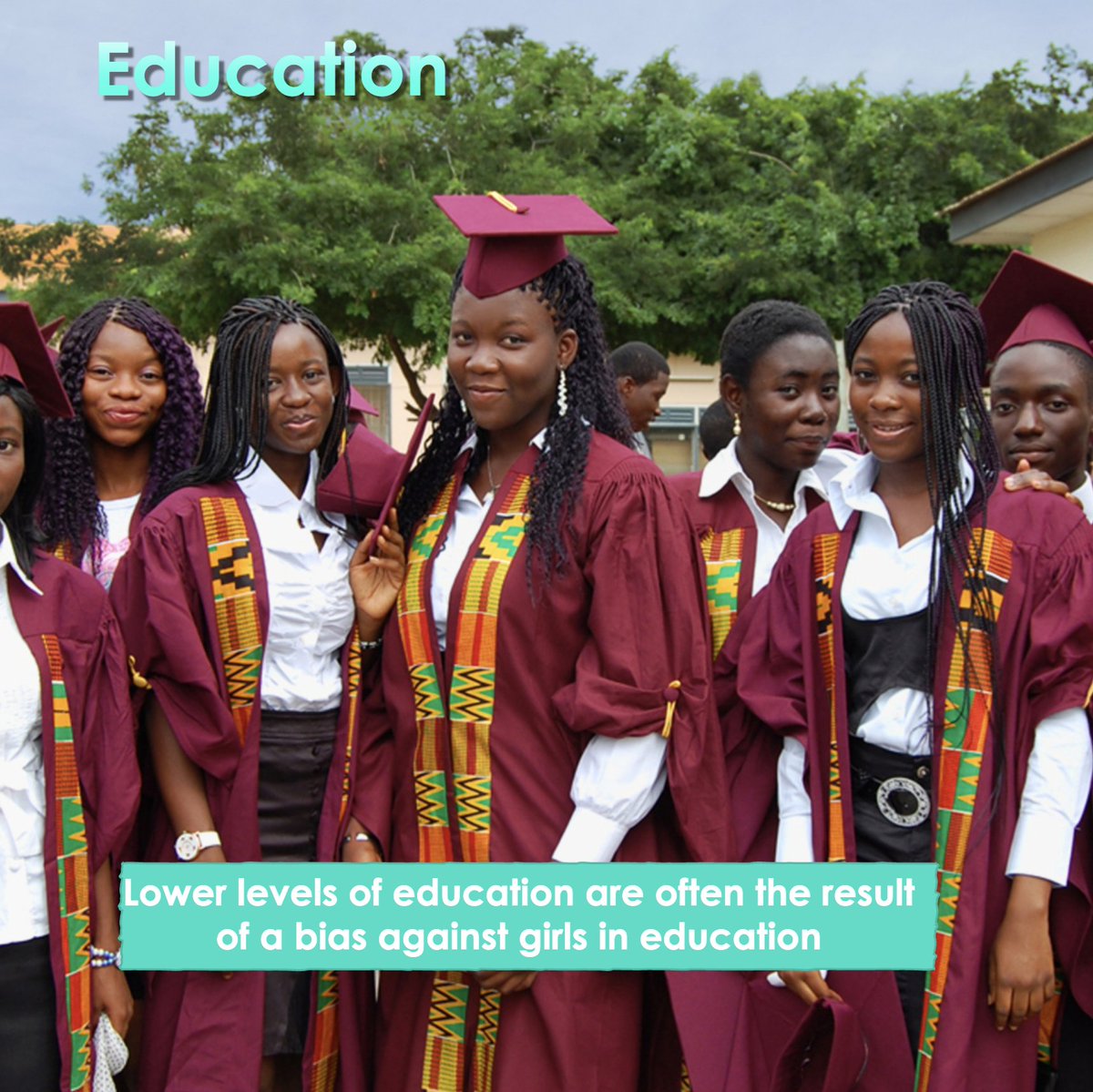
The levels of education, considered as part of the human capital endowment,is the main determinant of the productive capacity of households instead of study in 2011 by the World Bank. Found that there was a strong correlation between the average levels of education of working age
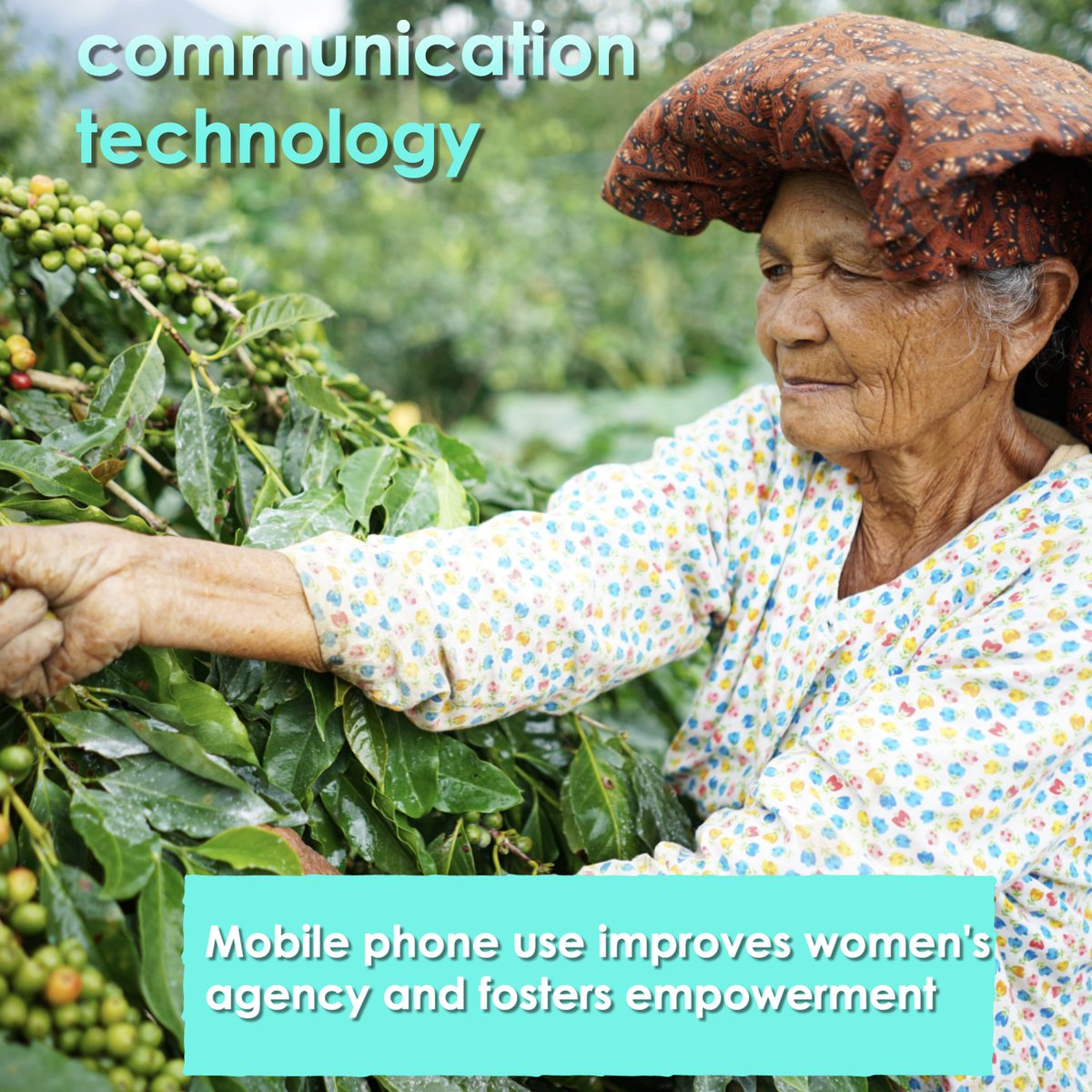
Increasing use of mobile phones in rural areas of low-income countries can have a positive impact on broader social A clear link exists between the use of mobile phones and farm-level economic #WomensHistoryMonth#womenempowerment#CoffeeTime#Labor
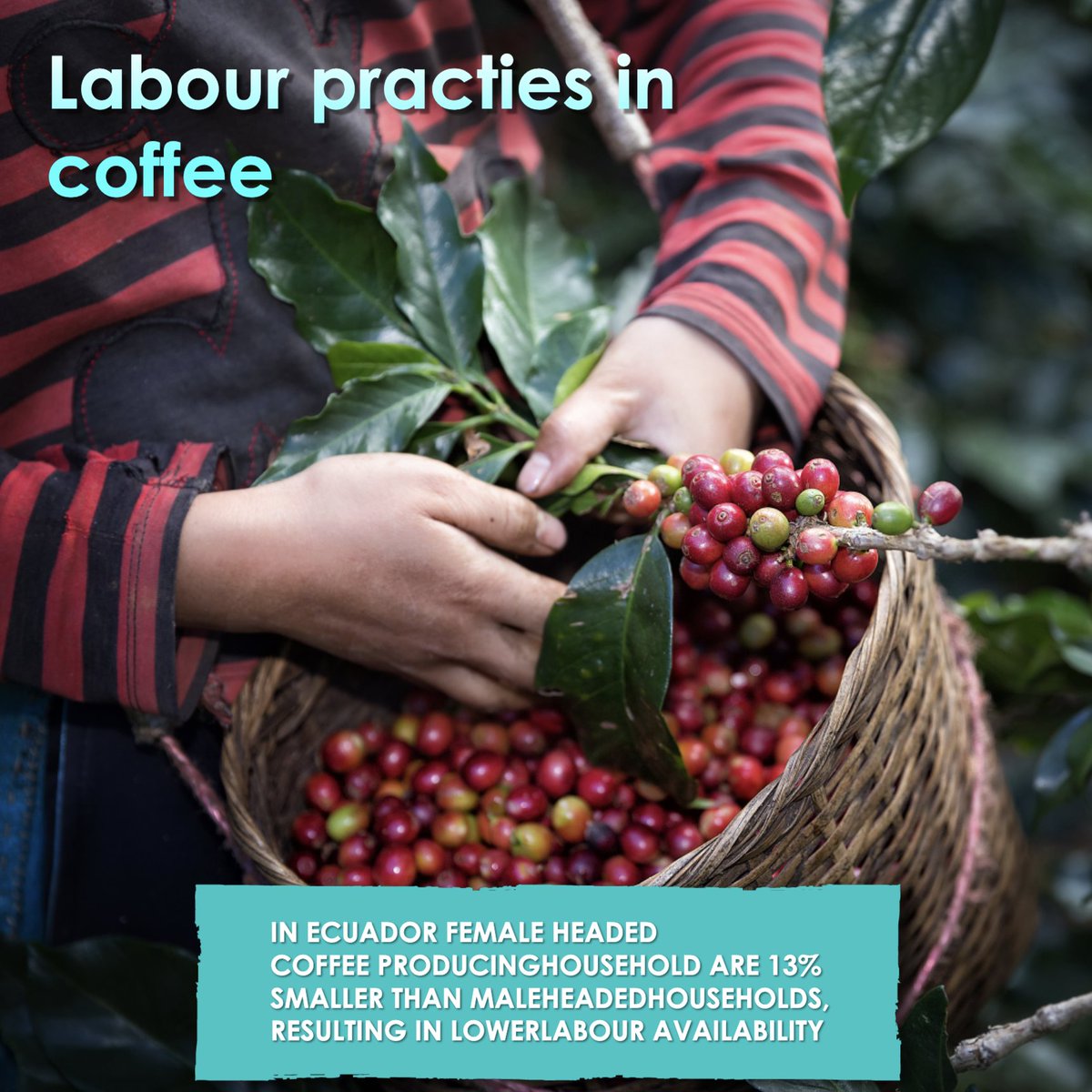
family members in working age and gender)
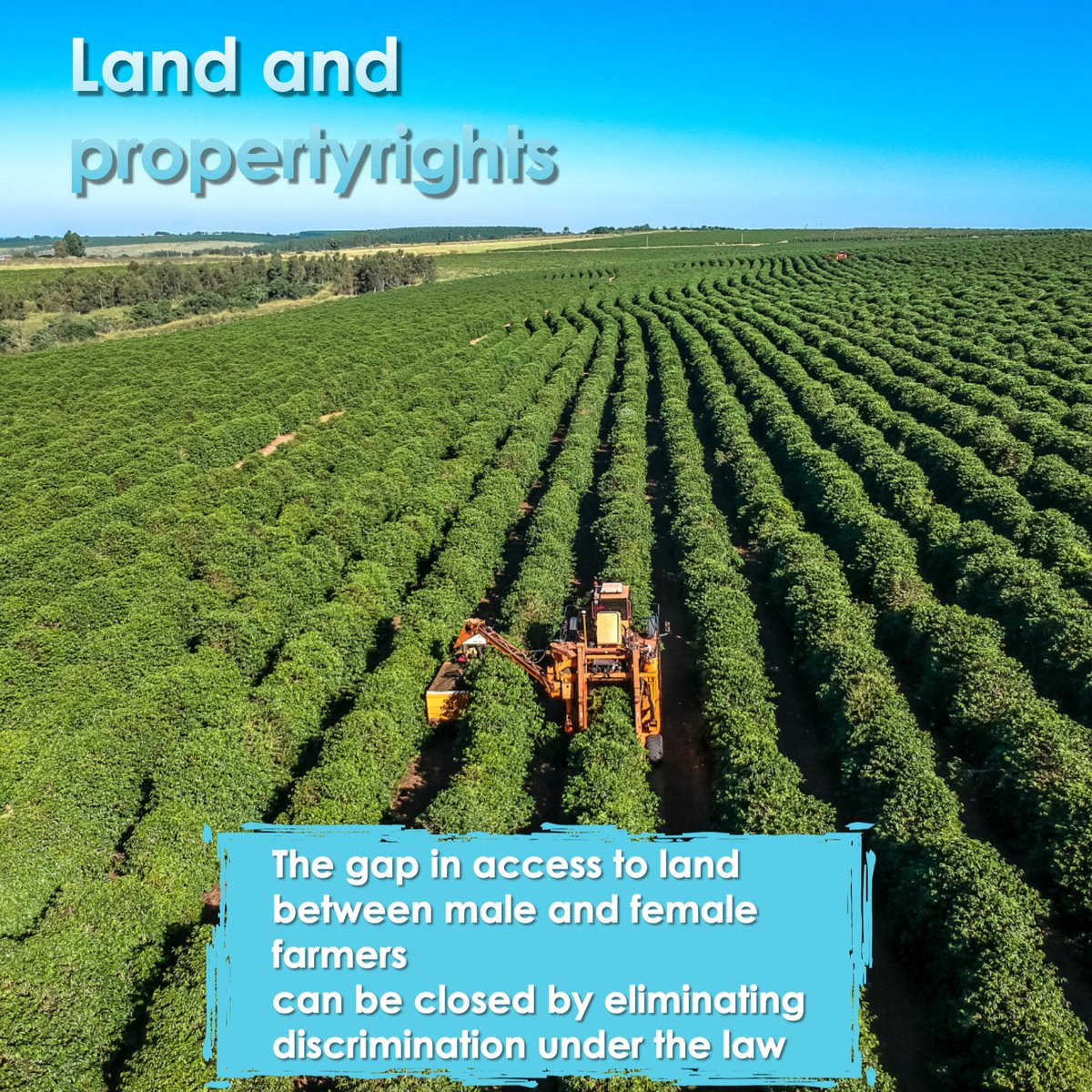
and the ability to hire labour. Research has shown that female- headed households are
disadvantaged in both areas.#womenempowerment#Coffee#Labours
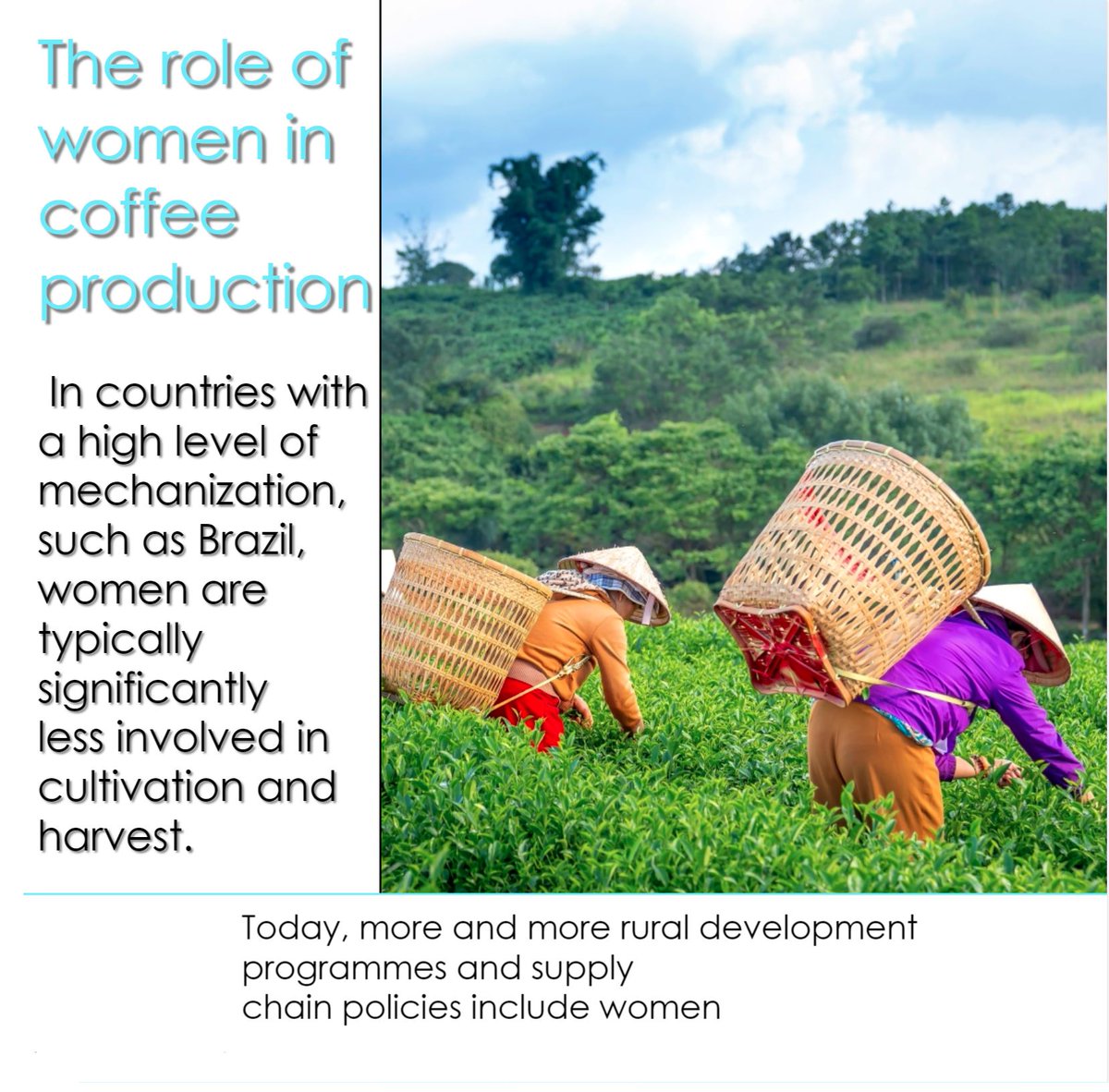
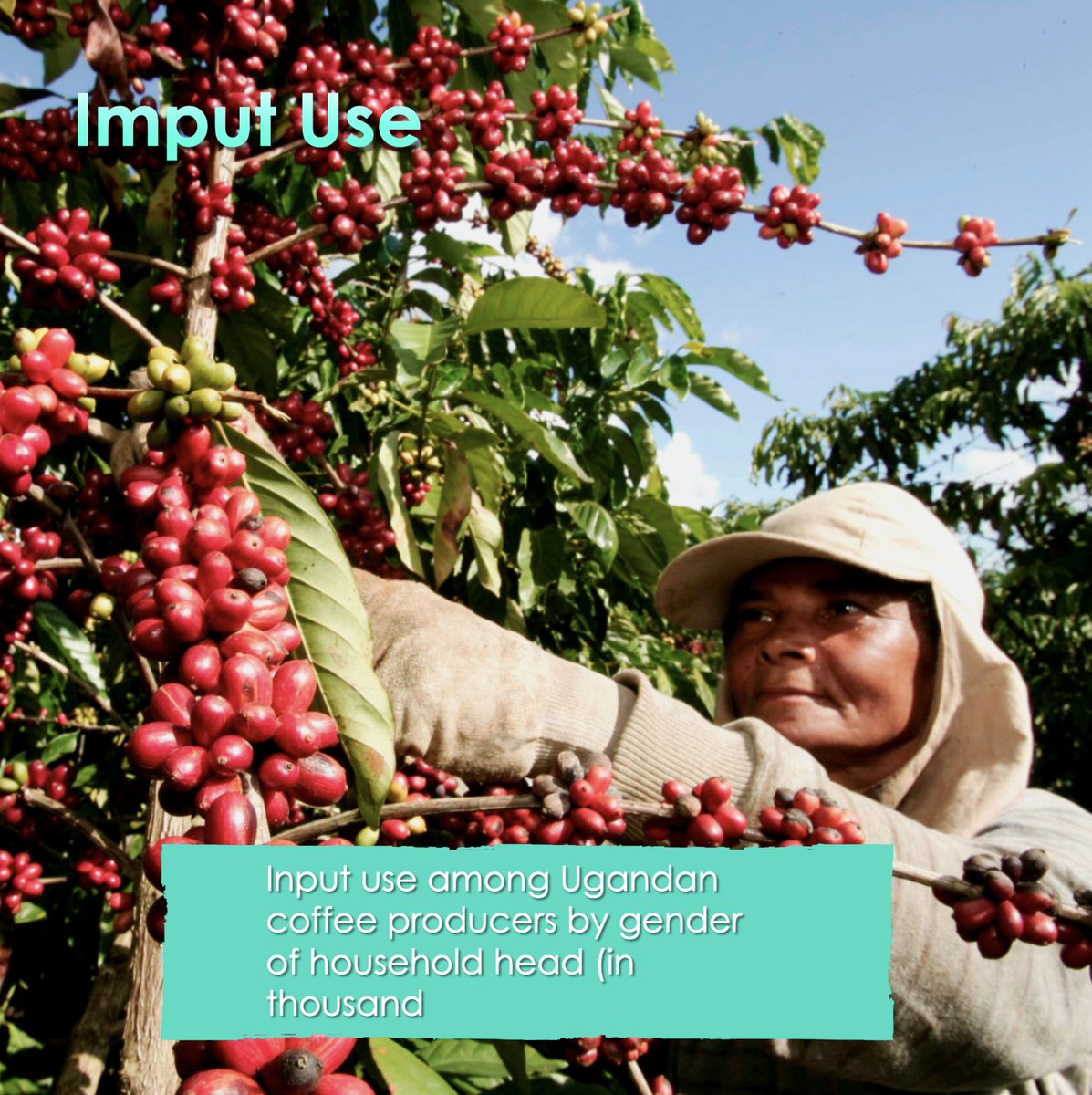
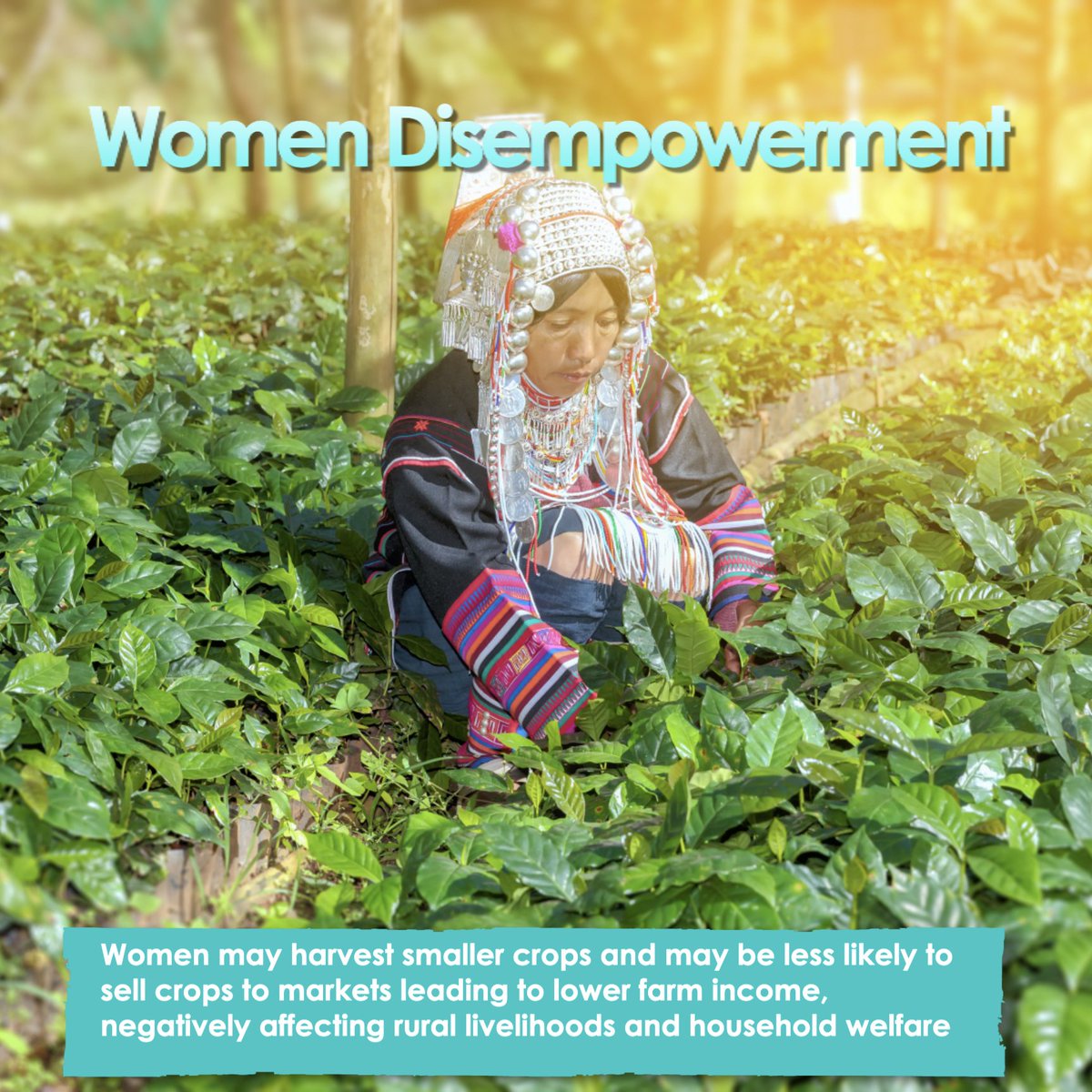
Unfortunately, as a result of gender inequality across every aspect of employment the economic returns of women and agriculture are often much lower than compared to their male counterparts. Research showed that many women may harvest smaller crops and may be less likely to sell
While coffee exporting countries feature more severe levels of inequality as indicated by a higher GII score show lower scores in the UN human department index which means inequality imposes societal costs in growth.
@EU_Commission@UN_Women@GlobalCompact
Woman empowerment is a key objective in many different development policies Which we desire to be a part of by showing our full support and women's participation in events in public economic and political life. Many believe gender equality can be used to spur economic growth.